What Is the Right Temperature for a Betta Fish Guide
Finding the correct water heat is crucial for your pet’s survival. Tropical fish need warm water to thrive, just like they do in the wild. This guide explains what is the right temperature for a betta fish and how to maintain it. You will learn about heaters, thermometers, and signs of stress. Keep reading to ensure your fish lives a long and vibrant life.
Keeping a pet fish is fun. It is also a big responsibility. You want your colorful friend to live well. Many owners ask what is the right temperature for a betta fish. This question matters more than you think. Water heat affects everything. It changes how they swim. It changes how they eat. It even changes how long they live.
These fish come from warm places. They live in shallow streams in Thailand. The water there stays warm all year. Your home tank needs to match that. Cold water makes them slow. Hot water burns them. You need a sweet spot. This guide will help you find it. We will talk about heaters and tools. We will also talk about signs of trouble.
Let us dive into the details. You will learn how to keep the water perfect. Your fish will thank you for it. A happy fish is active and bright. A stressed fish hides and fades. Temperature is the first step to happiness.
Key Takeaways
- Ideal Range: The best water heat is between 78°F and 80°F (25.5°C to 26.5°C).
- Survival Limits: Fish can survive briefly outside this range, but long-term health suffers.
- Heater Need: Most home environments are too cold, so an adjustable heater is essential.
- Monitoring: Use a reliable thermometer to check water heat daily.
- Acclimation: New fish need time to adjust to tank temperatures slowly.
- Signs of Stress: Lethargy or gasping indicates the water is too cold or too hot.
- Stability: Consistent heat matters more than perfect numbers.
📑 Table of Contents
Understanding the Ideal Range
You need to know the magic numbers. The perfect range is narrow. Most experts agree on this. The water should stay between 78°F and 80°F. This is about 25.5°C to 26.5°C. This range mimics their natural home. It keeps their metabolism working well.
Why is this range so important? Fish are cold-blooded. They cannot control their own body heat. The water controls their body. If the water is cold, they get cold. If the water is hot, they get hot. You are the thermostat for your pet.
Why 78 to 80 Degrees Matters
This specific range helps digestion. It helps their immune system too. A strong immune system fights off sickness. Ich is a common disease. It loves cold water. Keeping the heat up helps prevent it. Your fish will swim with more energy. They will show off their bright colors.
Some people think room temperature is fine. This is often not true. Room temperature is usually 72°F. This is too cold for long-term health. Your fish might survive, but they will not thrive. You want them to thrive. So, aim for that 78°F mark.
What Happens When Water Gets Too Cold
Cold water is dangerous. It slows everything down. Your fish will become very lazy. They might sit at the bottom. They will not want to eat. Their digestion slows down too. This can cause bloating. Bloating is very painful for them.
Their immune system gets weak. They become easy targets for germs. Fin rot is another risk. Cold stress makes them vulnerable. You might see their fins looking ragged. This is a sign of trouble. You need to warm the water up slowly. Do not jump the heat too fast.
Signs Your Fish Is Cold
How do you know they are cold? Watch their behavior. They might hover near the heater. They might stay at the surface. They look sluggish. Their colors might fade. They stop flaring their gills. These are clear warning signs. Check your thermometer right away.
If you see these signs, act fast. But act gently. Sudden changes shock the fish. You need a good heater. We will talk about equipment soon. First, let us look at the other side. Hot water is also risky.
Risks of Water That Is Too Hot
Heat is just as bad as cold. Hot water holds less oxygen. Your fish need oxygen to breathe. They might gasp at the surface. This looks like they are hungry. But they are actually suffocating. This is very scary to watch.
High heat speeds up their metabolism. They burn energy too fast. They might eat more than they should. This leads to waste. More waste means dirty water. Dirty water causes ammonia spikes. Ammonia burns their skin. It is a dangerous cycle.
Signs Your Fish Is Overheated
Look for rapid breathing. They might swim wildly. They could seem hyperactive. This is not a good kind of active. It is stress. Their colors might look washed out. They might jump out of the water. Jumping is a desperate move. It means they are unhappy.
If the water is too hot, cool it down. Do not add ice cubes directly. This shocks the fish. Use a fan or lower the heater setting. Make small changes over time. Stability is key for your pet.
Equipment You Need for Stability
You cannot guess the temperature. You need tools. A good heater is the most important tool. A thermometer is the second most important. Do not rely on your hand. Water feels different than it is. You need exact numbers.
There are many heaters on the market. Some are submersible. Some are hang-on types. Submersible ones are usually better. They heat the water evenly. Make sure the wattage matches your tank size. A small heater will not warm a big tank.
Choosing the Right Heater
Pick an adjustable heater. Fixed heaters are hard to control. You want to set the exact degree. Look for a shatterproof guard. This protects your fish from burns. Betta fish are curious. They might touch the heater. A guard keeps them safe.
Also, think about reliability. Cheap heaters can break. They might get stuck on. This cooks your fish. Or they might turn off. This freezes your fish. Read reviews before you buy. A trusted brand is worth the cost. Your fish’s life depends on it.
The Importance of a Thermometer
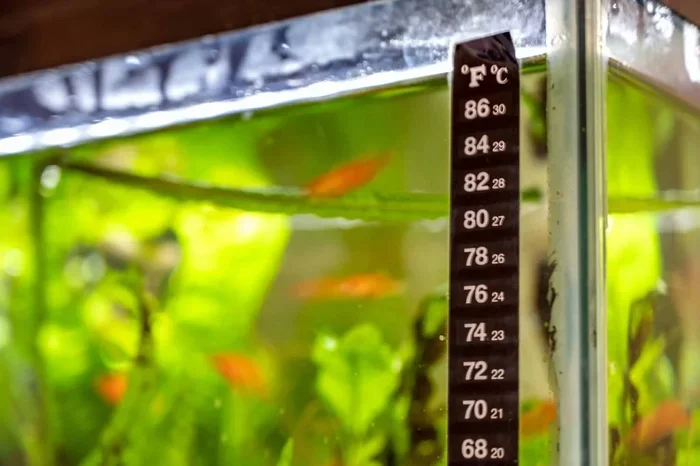
Never skip the thermometer. Some heaters have built-in gauges. These are often inaccurate. They can drift over time. Get a separate digital thermometer. Stick-on strips are okay too. But digital is more precise. Check it every day.
Place the thermometer on the opposite side of the tank. Do not put it right next to the heater. You want to know the average water heat. This tells you the true environment. Your fish swims everywhere. They feel the average, not just one spot.
How to Acclimate New Fish
Bringing a new fish home is exciting. But it is stressful for them. They travel in a bag. The bag water has a different heat. You cannot just dump them in. This causes shock. Shock can kill them. You must match the temperatures.
Float the bag in the tank. Let it sit for fifteen minutes. This lets the heat equalize. The bag water warms up slowly. Then you can mix some tank water. This helps them adjust to the chemistry too. After an hour, they are ready.
Step-by-Step Acclimation
Here is a simple process. First, turn off your tank lights. Bright light stresses new fish. Next, float the sealed bag. Wait twenty minutes. Then, open the bag. Add a cup of tank water to the bag. Wait ten minutes. Repeat this two times.
Now, net the fish out. Put them in the tank. Do not pour the bag water in. Bag water might have diseases. Keep the lights off for another hour. Let them hide and settle. This reduces stress. A calm fish adjusts faster.
Common Mistakes to Avoid
Many owners make simple errors. These errors hurt their fish. Knowing them helps you avoid them. One big mistake is no heater. People think bowls are fine. Bowls lose heat very fast. They are usually too cold.
Another mistake is no thermometer. You fly blind without one. You might think the water is warm. But it could be cold. You need to see the number. Also, do not place the tank in drafts. Windows and doors cause swings. Keep the tank in a stable spot.
Quick Tips for Success
- Check daily: Look at your thermometer every morning.
- Clean regularly: Dirty heaters work less efficiently.
- Backup plan: Have a spare heater just in case.
- Room temp: Keep the room steady too.
- Water changes: Match new water to tank heat.
Water changes are critical. New water is usually colder. If you add cold water, the tank drops. Always treat new water first. Then heat it to match the tank. This prevents shock during cleaning. Your fish will stay calm.
Lighting also affects heat. Lights produce warmth. If you leave them on all day, the tank gets hot. Turn them off at night. Fish need a day and night cycle. This mimics nature. It also helps control the heat.
Expert Insights on Temperature Swings
Consistency is the real goal. Fish hate swings. A swing of two degrees is okay. A swing of five degrees is bad. Big swings stress their bodies. It is like getting sick. Try to keep the heat steady. Use a quality thermostat heater.
Power outages happen. What do you do? Wrap the tank in blankets. This keeps the heat in. Do not feed them during the outage. Digestion creates heat needs. Wait until power returns. Check the heat before feeding again.
When to Call a Vet
Sometimes things go wrong. If your fish looks very sick, get help. Gasping or lying on the side is bad. White spots mean illness. Heat stress makes these worse. A vet can give medicine. But fixing the heat is the first step.
Prevention is better than cure. Keep the heat stable. Feed them good food. Clean the tank often. These steps keep them strong. A strong fish fights off bugs. A weak fish gets sick easily. You are the guardian of their world.
Remember that every fish is unique. Some like it slightly warmer. Some like it slightly cooler. Watch your fish. They will tell you what they like. If they swim happily, you are doing well. If they hide, check the heat. Trust your eyes and your tools.
In summary, care takes effort. But it is worth it. You get to watch a beautiful creature. They bring joy to your home. Just keep the water warm. Keep it steady. And enjoy your pet.
Frequently Asked Questions
Can betta fish live in room temperature water?
They can survive briefly, but it is not ideal for long-term health. Room temperature is usually too cold for their metabolism. You should use a heater to maintain the ideal range.
What happens if the water is too cold for a betta?
Cold water slows their digestion and immune system. They become lethargic and prone to diseases like fin rot. You need to warm the water gradually to help them recover.
Do I need a heater for a betta fish bowl?
Yes, bowls lose heat quickly and are often too cold. Even small tanks need stable warmth to keep your fish active. An adjustable heater is best for maintaining consistency.
How do I know if my betta fish is too hot?
Signs include gasping at the surface and rapid breathing. They may also swim erratically or seem hyperactive. Check your thermometer and lower the heat slowly.
Can a change in temperature kill a betta fish?
Sudden large changes can cause shock and be fatal. Stability is more important than the exact number. Always acclimate new fish slowly to avoid temperature shock.
How often should I check the water temperature?
You should check the temperature at least once a day. It is good practice to check it during feeding times. This ensures your heater is working correctly.
=== CONCLUSION ===
Knowing what is the right temperature for a betta fish is the key to good care. You now understand the ideal range and the risks. You also know the tools you need. Keep the water between 78°F and 80°F. Use a reliable heater and thermometer. Watch your fish for signs of stress. A stable environment means a happy pet. Your fish will show you their best colors. They will swim with energy. Start today by checking your tank. Your friend is counting on you.