Is My Betta Fish Dying
Is your betta acting strange? You’re not alone. This guide walks you through the most common signs that a betta may be dying, the root causes, and simple steps you can take to turn the tide. Read on to save your finned friend and enjoy a healthy, vibrant betta.
Key Takeaways
- Watch the behavior: Lethargy, loss of appetite, and unusual swimming are early warning signs.
- Check water quality: Bad water parameters kill bettas faster than any disease.
- Identify common illnesses: Fin rot, velvet, and ich each have distinct symptoms and treatments.
- Prevent stress: Over‑crowding, bright lights, and aggressive tank mates stress bettas and shorten their lives.
- Act fast: Early intervention can reverse many problems that seem fatal.
- Routine care matters: Regular water changes, proper feeding, and tank maintenance keep bettas thriving.
- Seek help when needed: A vet or experienced hobbyist can save a betta that looks like it’s dying.
📑 Table of Contents
- Introduction: Why the Question “Is My Betta Fish Dying?” Happens So Often
- 1. Spotting the Warning Signs
- 2. The Water Factor: Is Your Tank Killing Your Betta?
- 3. Recognizing Common Diseases
- 4. Reducing Stress – The Hidden Killer
- 5. Feeding Your Betta Right
- 6. When “Is My Betta Fish Dying?” Turns Into “My Betta Is Thriving”
- Conclusion: You Can Tell If Your Betta Is Dying – And What to Do About It
Introduction: Why the Question “Is My Betta Fish Dying?” Happens So Often
Betta fish are bright, bold, and full of personality. That’s why many first‑time owners fall in love at first sight. But the same traits that make them attractive also make them easy to misread. A slow swim, a faded color, or a sudden hide‑away can feel alarming.
When you see those signs, the first thought is usually, “Is my betta fish dying?” The answer isn’t always simple, but it can be found by looking at three main areas: behavior, environment, and health. This article breaks each area down, gives you practical tips, and shows you how to act before it’s too late.
1. Spotting the Warning Signs
Behavioral clues you shouldn’t ignore
Betas are active swimmers. If your fish spends most of the day at the bottom, clings to decorations, or floats upside down, it’s sending a distress signal.
Visual guide about Is My Betta Fish Dying
Image source: shuncy.com
- Lethargy: Moving only when fed or staying motionless for long periods.
- Loss of appetite: Ignoring food for more than 24‑48 hours.
- Erratic swimming: Sudden darting, spinning, or swimming in circles.
- Hiding: Tucking into plants or caves more than usual.
Physical changes that matter
Physical appearance is the easiest way to gauge health.
- Faded colors: Bright blues, reds, or greens that look dull.
- Fin damage: Torn, ragged, or frayed fins, especially at the edges.
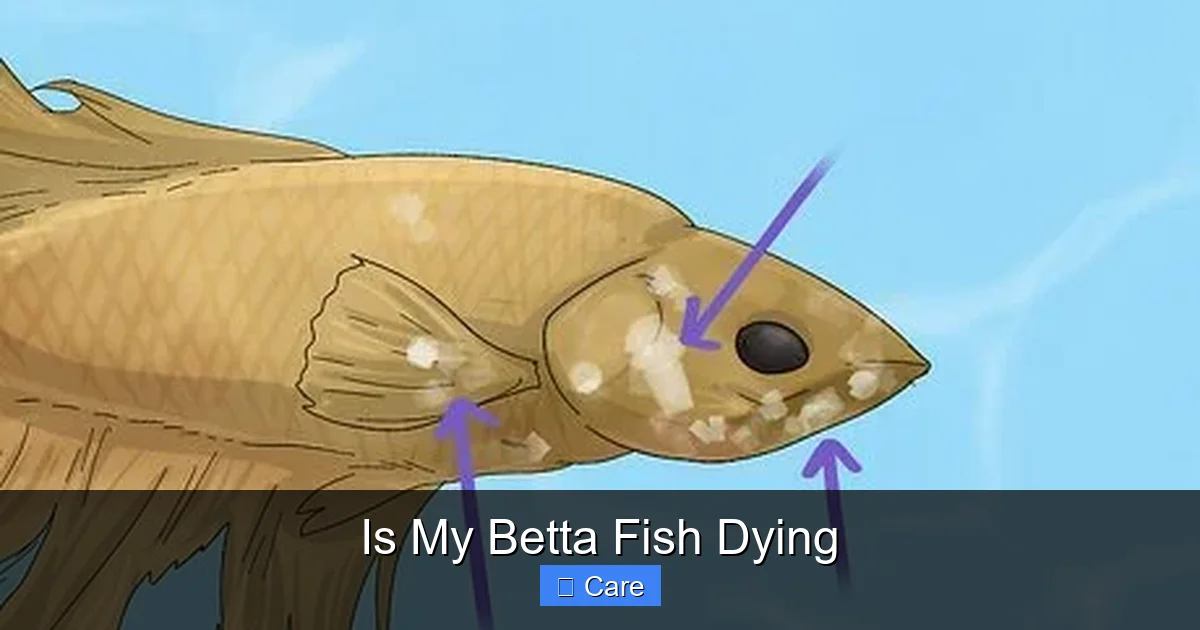
- White spots or cotton‑like growth: Signs of parasites or fungal infections.
- Swollen abdomen: Could be constipation, dropsy, or internal infection.
When “just a phase” is not a phase
New bettas often take a few days to settle into a new tank. However, if any of the above signs appear within the first week and worsen, it’s time to act.
2. The Water Factor: Is Your Tank Killing Your Betta?
Why water quality is the #1 cause of death
Betta fish are native to shallow, warm ponds in Southeast Asia. They thrive in water that is clean, warm, and slightly acidic. Anything outside those parameters can stress them quickly.
Visual guide about Is My Betta Fish Dying
Image source: bettacarefishguide.com
Key water parameters to monitor
- Temperature: 76‑82 °F (24‑28 °C). Below 75 °F slows metabolism; above 84 °F reduces oxygen.
- pH: 6.5‑7.5. Sudden swings cause shock.
- Ammonia & Nitrite: Both must be 0 ppm. Even a trace can be lethal.
- Nitrate: Below 20 ppm is ideal for bettas.
- Hardness (GH/KH): 3‑4 dGH and 3‑5 dKH are comfortable.
Simple steps to keep water perfect
1. **Test weekly** with a liquid test kit.
2. **Change 25‑30 %** of the water every week.
3. **Use a heater** with a reliable thermostat.
4. **Condition tap water** with a de‑chlorinator before adding it.
Common water‑related mistakes
Over‑feeding creates excess waste, which spikes ammonia. Using untreated tap water adds chlorine or chloramine that can burn gills. Placing the tank near direct sunlight causes temperature spikes and algae blooms.
3. Recognizing Common Diseases
Fin Rot – The “torn‑fin” disease
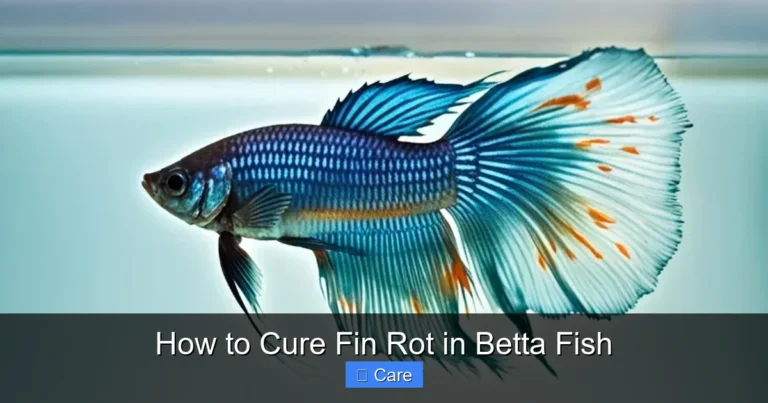
Fin rot starts as a small ragged edge and spreads if untreated. It thrives in dirty water and stress.
Visual guide about Is My Betta Fish Dying
Image source: wikihow.com
- Symptoms: Frayed fins, white edges, and a foul smell.
- Treatment: Clean water, a 10‑day dose of antibacterial medication (e.g., Maracyn), and a high‑quality diet.
Velvet (Oodinium) – The dusty coating
Velvet appears as a fine gold‑dust on the body, making the fish look “powdered.” It spreads quickly in warm, stagnant water.
- Symptoms: Lethargy, rapid breathing, and a dusty sheen.
- Treatment: Raise temperature to 82 °F, add copper‑based medication, and increase water changes.
Ich (White Spot Disease) – The classic parasite
Ich shows as tiny white dots, like sugar grains, on the skin and fins.
- Symptoms: Scratching against objects, flashing, and reduced appetite.
- Treatment: Raise temperature to 80‑82 °F, use a malachite green or formalin soak, and keep water pristine.
Swim Bladder Disorder – The “upside‑down” problem
When a betta can’t control buoyancy, it may float nose‑up or sink to the bottom.
- Causes: Over‑feeding, constipation, or internal injury.
- Quick fix: Fast for 24 hours, then feed a boiled pea (peeled) to relieve constipation.
When to seek professional help
If symptoms worsen after 48 hours of treatment, or if you see multiple issues at once (e.g., fin rot plus ich), a vet who specializes in fish can provide antibiotics or a more tailored plan.
4. Reducing Stress – The Hidden Killer
Tank size and décor
Betas need space to swim, even if they are “labyrinth” fish. A 5‑gallon tank is the minimum. Too small a tank traps waste and limits oxygen.
- Use a **smooth substrate** (no sharp gravel) to prevent fin damage.
- Provide **plants or silk décor** for hiding spots, but avoid overcrowding.
- Keep **lights on for 8‑10 hours** a day; excessive brightness stresses bettas.
Tank mates and aggression
Betas are famously territorial. While some community tanks work, many bettas will fight with long‑finned or brightly colored fish. If you notice chasing or fin nipping, separate the betta immediately.
Noise and vibrations
Constant vibrations from speakers, washing machines, or heavy foot traffic can cause chronic stress. Place the tank on a stable, quiet surface.
Routine and consistency
Betas thrive on routine. Feed at the same time each day, perform water changes on a set schedule, and avoid sudden temperature changes.
5. Feeding Your Betta Right
Quality over quantity
Betas are carnivores. A high‑protein pellet or frozen bloodworm is ideal. Over‑feeding leads to waste, which poisons the water.
- Feed **2‑3 times per day**, 2‑3 pellets each time.
- Offer **live or frozen foods** once a week for variety.
- Remove uneaten food after 5 minutes.
Signs of a bad diet
Faded colors, poor growth, and frequent constipation point to nutritional gaps. A balanced betta diet restores vibrancy and supports immune health.
Special feeding tips for a sick betta
If your betta isn’t eating, try offering **brine shrimp** or **daphnia** at room temperature. A small amount of **unsalted boiled egg yolk** can also entice a weak fish to eat.
6. When “Is My Betta Fish Dying?” Turns Into “My Betta Is Thriving”
Step‑by‑step rescue plan
1. **Isolate** the betta in a hospital tank (2‑gallon, same temperature).
2. **Test water** and adjust parameters to ideal levels.
3. **Identify symptoms** and start the appropriate medication.
4. **Monitor** daily for appetite, swimming, and fin condition.
5. **Gradually re‑introduce** normal foods and décor once improvement is seen.
Celebrating recovery
When your betta’s colors return, fins look whole, and it swims confidently, you’ve succeeded. Keep up the routine care to prevent future scares.
Conclusion: You Can Tell If Your Betta Is Dying – And What to Do About It
Seeing a betta act oddly is scary, but most problems have clear, solvable causes. By watching behavior, keeping water pristine, treating diseases early, reducing stress, and feeding right, you give your betta the best chance to live a long, colorful life.
Remember: a healthy betta is a happy betta. Check the tank daily, act fast when something seems off, and you’ll answer the question “Is my betta fish dying?” with a confident “No, it’s thriving!”
Frequently Asked Questions
How often should I change the water in my betta’s tank?
Change 25‑30 % of the water weekly. If you notice cloudy water or a spike in ammonia, increase to 50 % until the parameters stabilize.
Can a betta survive in a bowl?
While a bowl can hold a betta temporarily, it lacks filtration and temperature control, leading to rapid waste buildup. A 5‑gallon tank with a heater is much safer.
What does it mean when my betta’s fins look frayed?
Frayed fins are a classic sign of fin rot, usually caused by poor water quality or stress. Improve water conditions and treat with an antibacterial medication.
My betta is floating upside down. What should I do?
Floating upside down often indicates swim bladder trouble. Fast the fish for 24 hours, then feed a peeled boiled pea to relieve constipation. If it continues, check for infection.
How can I tell if my betta has ich?
Ich appears as tiny white spots, like sugar grains, on the body and fins. The fish may scratch against objects and become lethargic. Raise temperature and treat with an ich medication.
Is it normal for bettas to hide a lot?
Betas do hide to rest, but excessive hiding—especially after feeding—can signal stress, illness, or poor water conditions. Check parameters and look for other symptoms.