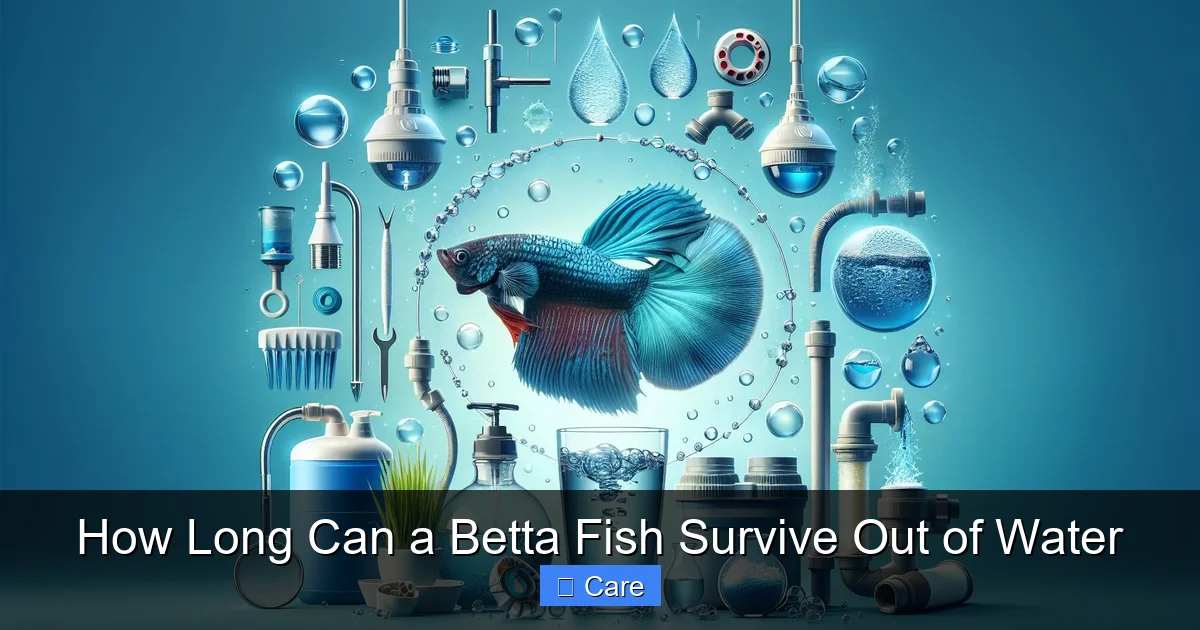
How Long Can a Betta Fish Survive Out of Water
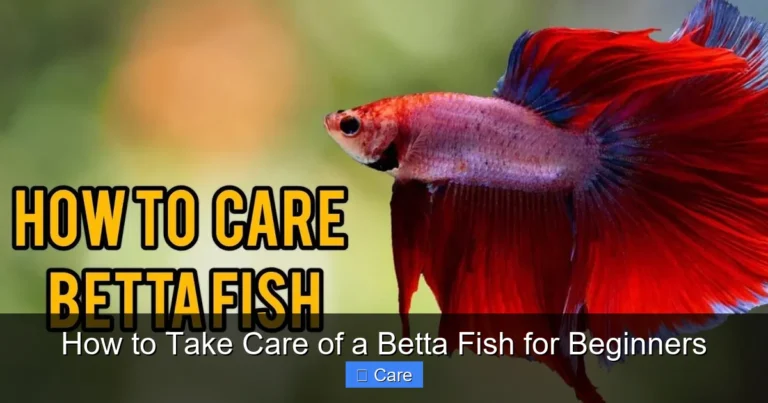
Betta fish can only survive a few minutes out of water before stress and oxygen loss become fatal. Quick action, proper handling, and a moist environment can extend that brief window, but the goal is always to return them to water as fast as possible.
Key Takeaways
- Typical survival time: Most bettas manage 2‑5 minutes on a wet surface before serious danger sets in.
- Moisture matters: Keeping the fish’s gills wet dramatically increases the short survival window.
- Stress response: Out‑of‑water exposure triggers shock, rapid breathing, and possible organ failure.
- Immediate actions: Gently return the fish to water, keep it calm, and monitor for signs of distress.
- Prevention tips: Use a secure lid, handle with wet hands, and always have a rescue bowl ready.
- When to seek help: If the fish shows prolonged gasping, loss of color, or floats upside down, consult a vet.
- Related care info: Understanding water needs and proper feeding helps avoid accidental exposure.
📑 Table of Contents
- Introduction: Why This Question Matters
- 1. The Biology of Breathing: How Betta Gills Work
- 2. Typical Survival Times: What the Research Says
- 3. Immediate Rescue Steps: From Panic to Action
- 4. Preventing Accidental Out‑of‑Water Incidents
- 5. What Happens If the Fish Doesn’t Make It?
- 6. Related Care Topics Worth Exploring
- Conclusion: Quick Action Saves Lives
Introduction: Why This Question Matters
Betta fish are popular for their vivid colors and feisty personalities, but many owners underestimate how fragile they are when removed from water. A curious hand, a tank lid that snaps open, or a simple cleaning mishap can leave a betta out of its aquatic home for a few heart‑stopping seconds. Knowing exactly how long a betta can survive out of water helps you react fast, reduces panic, and—most importantly—saves the fish.
In this article we’ll break down the science behind gill function, share real‑world survival times, and give you a step‑by‑step rescue plan. By the end, you’ll feel confident that even if the unexpected happens, you’ll know exactly what to do.
1. The Biology of Breathing: How Betta Gills Work
Gills need water, not air
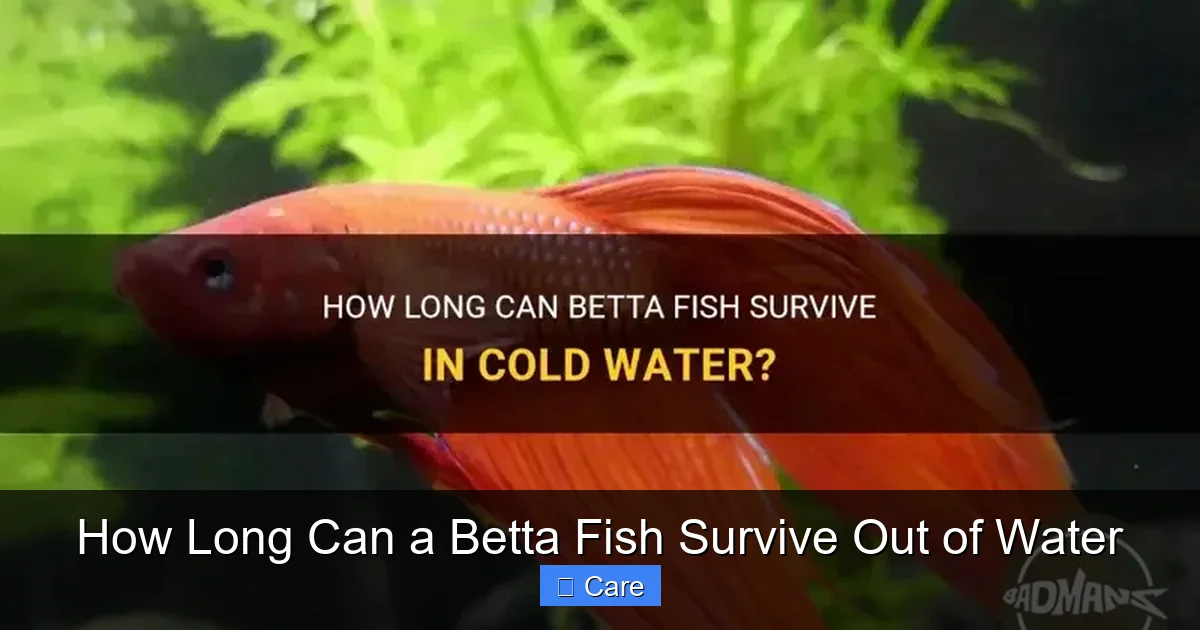
Betta fish, like all bony fish, extract oxygen from water using delicate gill filaments. When water flows over these filaments, tiny blood vessels called capillaries pick up dissolved oxygen and release carbon dioxide. Out of water, the filaments collapse, and the exchange stops.
Visual guide about How Long Can a Betta Fish Survive Out of Water
Image source: petshun.com
Labyrinth organ: A backup, not a lifeline
Betas have a special “labyrinth organ” that lets them gulp air from the surface. This adaptation lets them survive in low‑oxygen ponds, but it does not replace the constant oxygen supply gills need. The organ can keep a betta alive for a short time, but without water to keep the gills moist, the fish quickly becomes hypoxic.
2. Typical Survival Times: What the Research Says
Short‑term survival: 2‑5 minutes
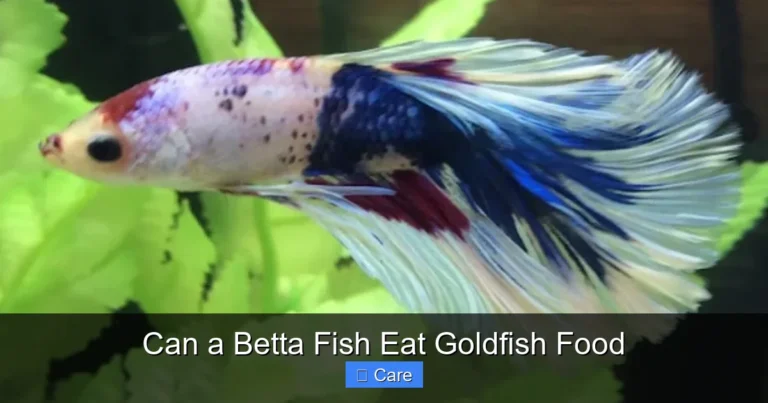
Most studies and hobbyist reports agree that a healthy adult betta can survive 2‑5 minutes on a wet surface before serious physiological stress begins. The exact time depends on temperature, humidity, and the fish’s health.
Visual guide about How Long Can a Betta Fish Survive Out of Water
Image source: waterbee.eu
Factors that shorten the clock
- Temperature: Warm air (above 80°F/27°C) speeds up dehydration and oxygen loss.
- Dryness: A dry surface dries gill membranes within seconds, cutting off oxygen.
- Stress level: A frightened fish’s heart rate spikes, using up oxygen faster.
When the clock can stretch a little
If you immediately place the fish on a damp paper towel or in a shallow bowl of water, you can add another minute or two. The key is to keep the gills wet while you prepare the full rescue water.
3. Immediate Rescue Steps: From Panic to Action
Step 1 – Stay calm and act quickly
Take a deep breath. The faster you move, the more time you buy the fish.
Visual guide about How Long Can a Betta Fish Survive Out of Water
Image source: kayakguru.com
Step 2 – Prepare a rescue container
Fill a small cup or bowl with water that matches the tank’s temperature (78‑80°F/25‑27°C). Use water that has been conditioned with a water conditioner to remove chlorine and chloramines.
Step 3 – Keep the fish moist
If the fish is on a dry surface, gently scoop it onto a wet paper towel or a damp sponge. Do not rub; just let the moisture cling to the gills.
Step 4 – Transfer to water
Slide the towel under the fish and lower it slowly into the rescue water. Let the fish swim out on its own; avoid forcing it.
Step 5 – Observe and recover
Watch for normal breathing, steady swimming, and color retention. If the fish appears lethargic, gasping, or has lost its bright hue, give it a quiet, dim environment and consider a short, shallow water bath (about 2‑3 inches deep) for 5‑10 minutes to help the gills re‑oxygenate.
4. Preventing Accidental Out‑of‑Water Incidents
Secure tank lids and covers
Betta tanks often have loose-fitting lids. Use a tight‑fit lid or a mesh cover that allows airflow but prevents jumps.
Safe handling techniques
Always wet your hands before touching a betta. This protects the fish’s slime coat and keeps the gills moist if the fish slips.
Keep rescue tools handy
Store a small cup, a damp towel, and a water conditioner within arm’s reach of the tank. A quick grab‑and‑go kit saves precious seconds.
Plan for cleaning and maintenance
When performing a water change, use a bowl or container ready to receive the fish. Follow our guide on how to do a water change for betta fish to avoid accidental spills.
5. What Happens If the Fish Doesn’t Make It?
Signs of irreversible damage
After a prolonged out‑of‑water episode, a betta may show:
- Persistent gasping at the surface
- Loss of color or faded fins
- Floating upside down or inability to right itself
- Excessive mucus production
When to consider humane euthanasia
If the fish shows no improvement after 15‑20 minutes of gentle water immersion, it may be in severe shock. In such cases, discuss humane euthanasia with a veterinarian or follow our guide on how to dispose of a dead betta fish.
Learning from the incident
Every mishap is a chance to improve tank safety. Review your setup, reinforce lids, and practice rescue drills.
6. Related Care Topics Worth Exploring
Understanding how long a betta can survive out of water ties into broader aspects of betta health. You might also want to read about how long a betta fish can go without water, which explains why a permanent water environment is non‑negotiable. Additionally, learning how to get a betta fish out of the tank safely will make future maintenance less stressful for both you and your fish.
Conclusion: Quick Action Saves Lives
Betta fish are resilient in the right environment but extremely vulnerable the moment they leave the water. Remember the rule of thumb: 2‑5 minutes on a wet surface, no more. By keeping a rescue kit ready, handling your betta with wet hands, and securing the tank, you can prevent most accidents. If an incident does occur, follow the five‑step rescue plan, stay calm, and get the fish back into clean, conditioned water immediately. With a little preparation, you’ll be the hero your betta needs.
Frequently Asked Questions
How long can a betta fish survive out of water?
Generally 2‑5 minutes on a wet surface. Without moisture, the gills dry quickly and the fish can die in under a minute.
Can a betta fish breathe air when out of water?
Bettas have a labyrinth organ that lets them gulp air, but it cannot replace the constant oxygen supply their gills need. It only buys a few extra seconds.
What should I do if I accidentally drop my betta out of the tank?
Stay calm, place the fish on a wet paper towel, prepare a small cup of temperature‑matched, conditioned water, and gently transfer the fish back. Monitor for stress signs.
Does water temperature affect survival time out of water?
Yes. Warm air speeds up dehydration and oxygen loss, shortening the survival window. Keep rescue water at the same temperature as the tank (78‑80°F/25‑27°C).
How can I prevent my betta from falling out of the tank?
Use a secure lid or mesh cover, keep the tank in a low‑traffic area, and always handle the fish with wet hands. Having a rescue kit nearby also helps.
Is it okay to let my betta sit on a damp towel for a few minutes?
Only as a short‑term measure to keep the gills moist while you prepare water. Do not leave the fish on a towel for longer than a minute or two.