How Long Do Betta Fish Eggs Take to Hatch
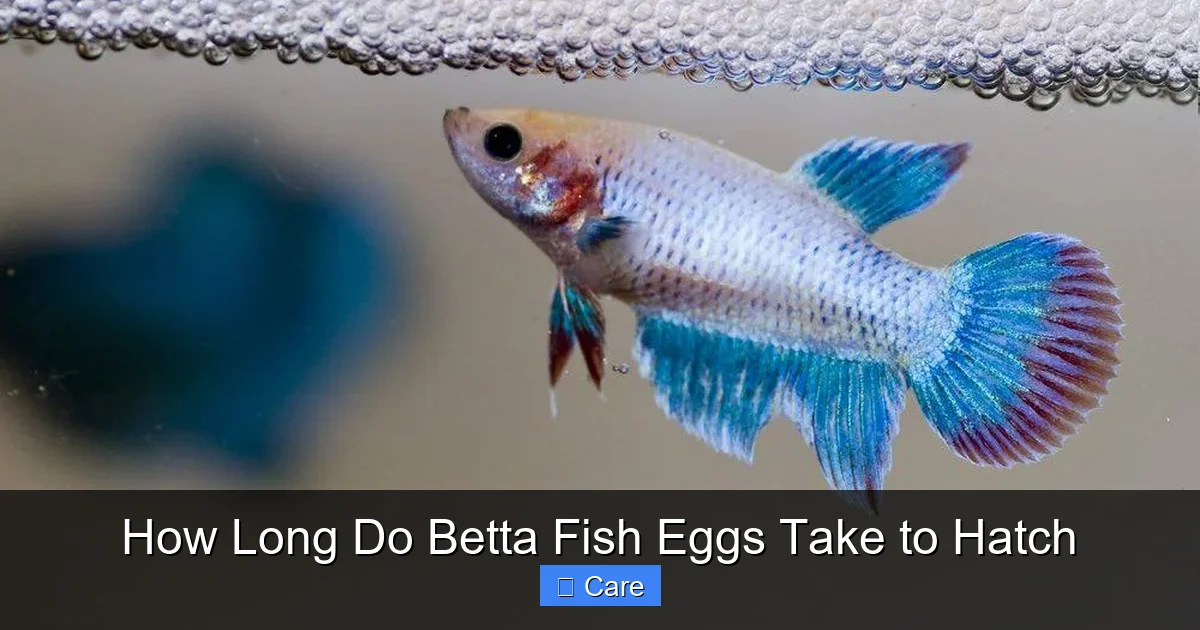
Betta fish eggs typically hatch in 24‑48 hours, but temperature, water quality, and parental care can shift this window. By understanding the stages—from fertilization to fry emergence—you can boost hatch rates and raise healthy bettas with confidence.
Key Takeaways
- Typical hatch time: Most betta eggs hatch between 24 and 48 hours after fertilization.
- Temperature matters: Warmer water (78‑80 °F) speeds development; cooler water slows it down.
- Water quality is crucial: Soft, clean water with low ammonia supports healthy embryos.
- Parent involvement: Removing the male after spawning reduces egg predation and improves survival.
- Observation tips: Look for swelling, color change, and tiny movement to know when fry are ready.
- Post‑hatch care: Gentle water changes and fine‑mesh nets help protect fragile fry.
- Common pitfalls: Over‑feeding, sudden temperature shifts, and rough handling can kill eggs before they hatch.
📑 Table of Contents
Introduction: Why Egg Hatch Timing Matters
Breeding betta fish is one of the most rewarding experiences for any hobbyist. Watching tiny, translucent eggs develop into wiggling fry feels like a miracle—and it’s also a science. Knowing how long do betta fish eggs take to hatch helps you set the right conditions, avoid common mistakes, and give your newborns the best start in life.
In this guide we’ll walk through every step of the process, from the moment the male releases milt to the first swim‑away of the fry. You’ll get practical, friend‑to‑friend advice, real‑world examples, and a few insider tips that even seasoned breeders love.
1. The Fertilization Process
How Betta Fish Spawn
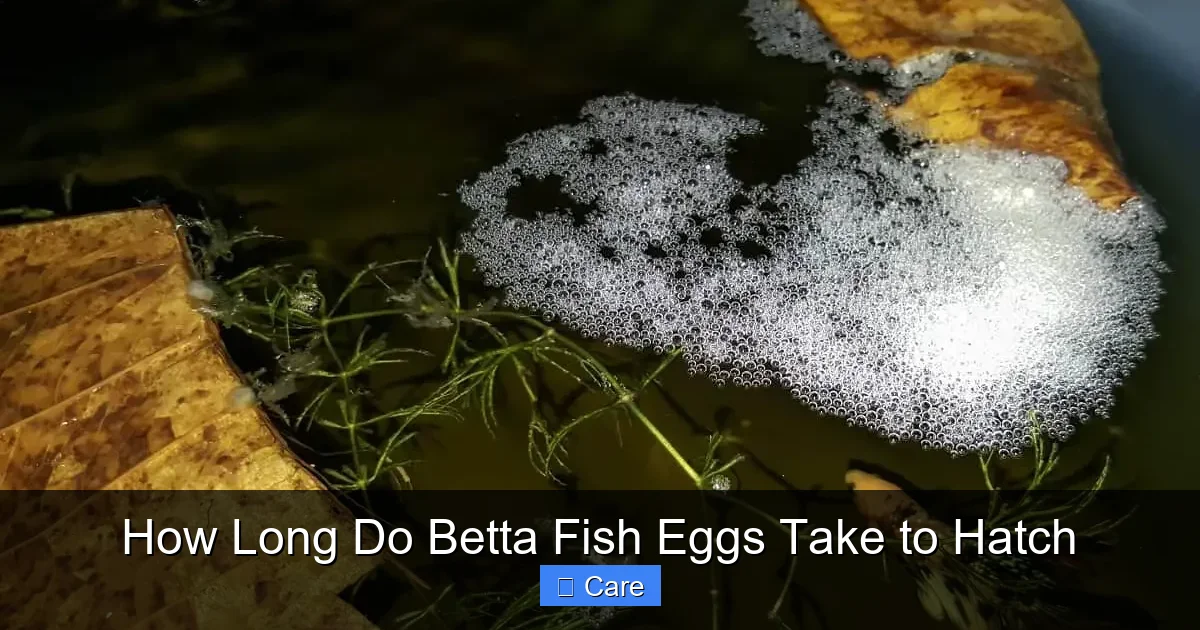
Male bettas build bubble nests on the water’s surface using air bubbles coated with mucus. When a female is ready, she releases a clutch of eggs—usually 20‑30—into the nest. The male then fertilizes each egg by releasing milt, coating them in a protective slime.

Visual guide about How Long Do Betta Fish Eggs Take to Hatch
Image source: petfishonline.com
When Does Fertilization Actually Occur?
Fertilization is almost instantaneous. As soon as the milt contacts the eggs, the embryo begins its development. This is the point from which we start counting the hatch timer.
2. The Countdown: Typical Hatch Time
Standard 24‑48 Hour Window
Under ideal conditions—water temperature between 78°F and 80°F (25.5°C‑26.5°C), soft water (pH 6.5‑7.0), and low ammonia—the majority of betta eggs will hatch in **24 to 48 hours**. Most hobbyists see the first signs of movement around the 24‑hour mark, with the majority of fry emerging by the 48‑hour point.
Visual guide about How Long Do Betta Fish Eggs Take to Hatch
Image source: petfishonline.com
Temperature’s Direct Influence
Temperature is the single biggest factor:
- 78‑80 °F (25.5‑26.5 °C): Eggs hatch in 24‑36 hours.
- 74‑77 °F (23‑25 °C): Expect 36‑48 hours.
- Below 74 °F (23 °C): Development slows dramatically; hatch may take 48‑72 hours or longer.
Think of temperature like a thermostat for embryonic growth—warmer water speeds up cell division, cooler water slows it down.
3. Water Quality: The Hidden Factor
Why Soft Water Works Best
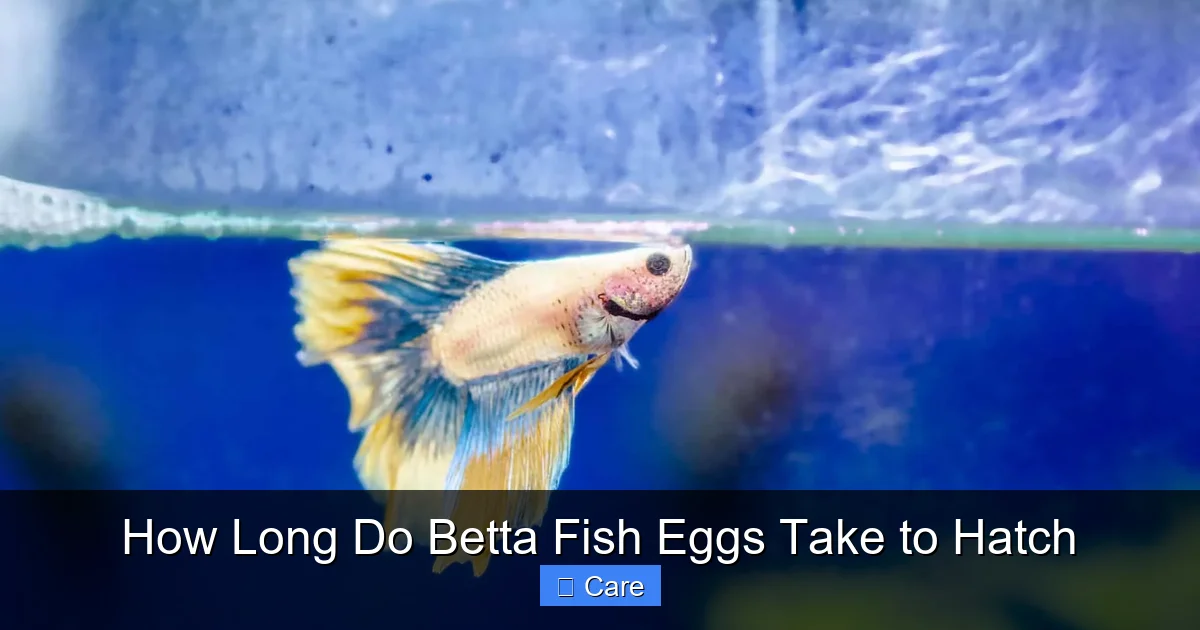
Betta eggs are delicate. Hard, mineral‑rich water can cause the protective slime coat to break down, making eggs vulnerable to fungus and bacterial infection. Aim for a water hardness of 3‑6 dGH and a pH of 6.5‑7.0.
Visual guide about How Long Do Betta Fish Eggs Take to Hatch
Image source: bettasource.com
Ammonia and Nitrite: Keep Them at Zero
Even trace amounts of ammonia (<0.25 ppm) can be lethal to developing embryos. Use a water testing kit daily during the incubation period and perform a **partial water change** (about 10‑15 %) if any spike is detected.
Practical Tip: Use a Separate Breeding Tank
Setting up a small, dedicated breeding tank (2‑5 gallon) makes it easier to control temperature and water parameters without disturbing your main display tank. For a step‑by‑step setup, see our guide on how to set up a tank for a betta fish.
4. Monitoring Egg Development
What to Look For
During the first 12‑18 hours, eggs appear opaque and white. As development progresses, you’ll notice a slight swelling and a faint darkening at the embryo’s head. By the 24‑hour mark, tiny “eyes” may be visible.
Signs the Fry Are About to Hatch
- Eggs become more translucent.
- Small, rhythmic movements are visible inside the egg.
- Eggs may slightly lift off the bubble nest as the fry push against the membrane.
When to Intervene
If you see any eggs turning black or developing a fuzzy white layer (fungus), remove them with a soft net or a pipette. This prevents the spread of infection to healthy eggs.
5. The Hatching Process
How Fry Break Free
When the fry are ready, they use a tiny, temporary “egg tooth” to rupture the membrane. The process can take a few minutes per egg, and you’ll often hear a faint “pop” as each one emerges.
Immediate Post‑Hatch Care
Once hatched, fry are extremely vulnerable. They rely on the yolk sac for nutrition for the first 24‑48 hours. Keep the water calm—no strong currents—and maintain the same temperature you used during incubation.
Feeding the First Fry
After the yolk sac is absorbed (usually 2‑3 days post‑hatch), start feeding infusoria or commercially prepared liquid fry food. Offer tiny amounts 3‑4 times a day to avoid over‑feeding, which can cloud the water and harm the fry.
6. Common Mistakes and How to Avoid Them
Removing the Male Too Early
Some beginners pull the male out immediately after spawning. While this prevents him from eating eggs, it also removes his protective presence, which can lead to water disturbance. Wait at least 12‑24 hours before gently moving the male to a separate tank.
Temperature Fluctuations
Even a 2‑degree swing can delay hatch or cause developmental defects. Use an aquarium heater with a reliable thermostat and a thermometer to monitor the water constantly.
Over‑Cleaning the Tank
Frequent, large water changes can stress the eggs. Stick to small, 10‑15 % changes if needed, and always use water that matches the tank’s temperature and parameters.
Conclusion: Your Roadmap to Successful Hatching
Knowing how long do betta fish eggs take to hatch is the first step toward a thriving breeding program. By keeping the water warm, soft, and clean, watching the eggs closely, and providing gentle post‑hatch care, you’ll see healthy fry swimming within two days. Remember, each batch is a learning experience—adjust temperature, monitor water quality, and enjoy the tiny miracles that soon become vibrant bettas.
Ready to take the next step? Check out our article on how to take care of a betta fish for beginners to ensure the fry grow into strong, happy adults.
Frequently Asked Questions
How many days does it usually take for betta eggs to hatch?
Under optimal conditions, betta eggs hatch in 24‑48 hours. Cooler water can extend this to 72 hours or more.
Can I speed up the hatch time by raising the temperature?
Yes, raising the temperature to 80°F (26.5°C) can hasten development, but avoid going above 82°F as it may harm the embryos.
Do I need to remove the male betta after spawning?
It’s best to let the male guard the nest for the first 12‑24 hours, then gently move him to a separate tank to prevent egg predation.
What should I feed the fry once the yolk sac is gone?
Start with infusoria or liquid fry food, feeding small amounts 3‑4 times daily. Gradually introduce microworms as the fry grow.
Why are some of my eggs turning black?
Blackening usually indicates fungus or bacterial infection. Remove affected eggs promptly and improve water quality.
Is a water change necessary during the incubation period?
A small 10‑15 % water change is okay if ammonia spikes, but avoid large changes that could shock the developing eggs.