How Long Can a Betta Fish Go Without Food
While a healthy betta fish can technically survive for 1-2 weeks without food, this is not a recommended or safe practice. Their hardy nature often leads to a dangerous myth that they can be neglected. In reality, skipping meals causes severe stress, weakens their immune system, and leads to dangerous health complications like swim bladder disorder and organ failure. Consistent, proper feeding is absolutely non-negotiable for their long-term health and vibrant coloration. Never use their survival ability as an excuse to irregularly feed your betta.
Key Takeaways
- Survival vs. Health: A betta can live 1-2 weeks without food, but this causes significant internal stress and damage, severely compromising health and lifespan.
- Immune System Collapse: Lack of nutrition rapidly weakens a betta’s immune system, making it highly susceptible to diseases like fin rot and velvet, which can be fatal.
- Water Quality is Paramount: Clean water is more critical than food in the short term. A betta in pristine, warm water will fare better during a brief fast than one in dirty water with food.
- Never Intentionally Fast: Do not use “fasting” as a regular health strategy for bettas. It is not natural for them and leads to muscle wasting and organ stress.
- Age & Health Matter: A young, robust betta may withstand a short fast better than an older, sickly, or stressed individual, which can deteriorate in just a few days.
- Proper Feeding is Simple: A high-quality pellet or frozen food, fed once or twice daily in an amount equal to the size of its eye, is all that’s needed for optimal health.
- Plan for Absences: If traveling, use an automatic feeder, a vacation food block, or arrange for a trusted friend to feed your betta properly—do not rely on its ability to “tough it out.”
📑 Table of Contents
- Busting the Myth: “My Betta Can Go Forever Without Food!”
- Betta Biology 101: The “Labyrinth” Adaptation and Its Misinterpretation
- The Survival Timeline: How Long Is Too Long?
- The Silent Dangers: What Starvation *Actually* Does to Your Betta
- Beyond Hunger: Key Factors That Influence Feeding Needs
- Best Practices: The “How To” of Proper Betta Feeding
- Emergency Situations: When You *Can’t* Feed Your Betta
Busting the Myth: “My Betta Can Go Forever Without Food!”
If you own a betta fish, you’ve almost certainly heard the following claim: “Oh, bettas are so hardy! You can just forget to feed them for a week or two, and they’ll be perfectly fine.” This pervasive myth is one of the most dangerous pieces of misinformation in the aquarium hobby. It stems from a kernel of truth—betta fish possess a remarkable ability to survive in low-oxygen, poor-quality water in the wild, and they can, for a time, live off stored body fat. However, conflating survival with thriving is a critical error that leads to neglected, suffering pets. The question “how long can a betta fish go without food?” is not a license to test the limits but a warning to understand the severe consequences of ignoring their dietary needs. This article will dive deep into the biology, the dangerous timeline, and the absolute essentials of betta nutrition to ensure your vibrant companion lives a long, healthy, and colorful life.
Betta Biology 101: The “Labyrinth” Adaptation and Its Misinterpretation
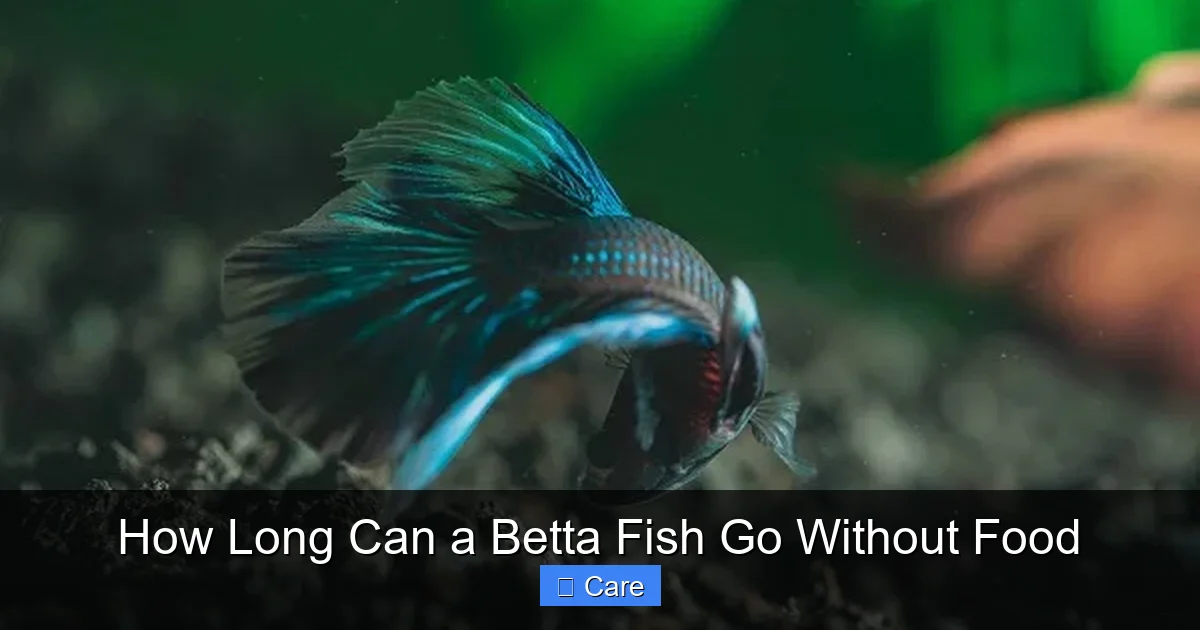
To understand the feeding question, we must first appreciate what makes a betta unique. The betta splendens is a member of the Anabantoid family, possessing a specialized organ called the labyrinth. This fleshy, folded structure allows them to gulp atmospheric air from the water’s surface, supplementing the oxygen they get through their gills. This adaptation lets them survive in stagnant, oxygen-poor waters like rice paddies and shallow mud puddles in their native Southeast Asia.
Visual guide about How Long Can a Betta Fish Go Without Food
Image source: report-e.com
The Survivalist, Not a Thrivalist
This labyrinth organ is often misinterpreted as a sign of extreme hardiness across all fronts. While it’s a brilliant tool for surviving in a challenging environment, it does not make them resilient to neglect. In the wild, a betta’s stagnant puddle might have microorganisms, insect larvae, and plant matter to nibble on. They are opportunistic predators, not creatures designed for prolonged fasting. Their metabolism is adapted for sporadic meals, not regular scarcity. That hardy survival trait for oxygen does not extend to a lack of calories and essential nutrients.
A Metabolism Built for Sporadic Feasts
Think of a betta’s metabolism like a cheetah’s—built for short bursts of energy (hunting) followed by rest. They are not built for endurance. When food is scarce, their body enters a conservation mode, breaking down muscle and organ tissue for energy. This is a short-term emergency protocol, not a sustainable state. Prolonged reliance on this process is what causes the internal damage we’ll discuss.
The Survival Timeline: How Long Is Too Long?
Now, to the core of your question. Based on the experiences of veteran hobbyists and observed biological principles, here is a breakdown of what happens during a food deprivation period. Remember, this is a survival timeline, not a recommendation.
Visual guide about How Long Can a Betta Fish Go Without Food
Image source: wildbettablog.com
Days 1-3: The Initial Phase
In the first 24-72 hours without food, a healthy betta will not show obvious signs of distress. Its energy reserves are ample. You might notice it being slightly more active, searching the tank intently for food, which is a normal foraging behavior. Its vibrant colors may remain bright. Internally, the body is still using readily available energy stores. This is the “safe” window for an accidental miss, but it should still be avoided.
Days 4-7: The Critical Turning Point
By the fourth or fifth day, the betta’s body begins to seriously tap into fat reserves and, more problematically, muscle protein. You will likely see visible changes:
- Lethargy: The betta will spend most of its time resting at the bottom or top of the tank, showing little interest in its surroundings.
- Loss of Color: Stress and malnutrition cause their stunning hues to fade, becoming dull and washed out.
- Clamped Fins: Fins will be held tightly against the body instead of being flared gracefully.
- Reduced Responsiveness: It may not come to the surface when you approach.
This is the danger zone. The immune system is now significantly compromised. A pathogen that the betta could normally fight off can now take hold, leading to rapid disease onset.
Days 8-14: The Point of No Return
If a betta reaches this stage, it is in a state of severe starvation. Muscle wasting becomes evident, particularly in the head and abdominal area, giving a “skeletal” appearance. The fish is now in a catabolic state, essentially consuming itself. Organ function begins to fail. Swim bladder issues, which are often linked to poor digestion and constipation from overfeeding, can also manifest from the opposite problem: extreme weakness and atrophy of the muscles controlling the bladder. At this point, recovery is difficult even with immediate, proper refeeding (which must be done with extreme care to avoid refeeding syndrome). Death from organ failure or a secondary infection is highly likely.
Beyond Two Weeks: The Statistical Outlier
There are anecdotal reports of bettas surviving 3-4 weeks without food. These are extraordinary cases involving exceptionally large, healthy, young bettas kept in pristine, warm water with no other stressors. They are the exceptions that prove the rule and should never be used as a benchmark. For the average betta in a typical home aquarium, the 1-2 week mark is the absolute outer limit of survival, with health being irreversibly damaged long before then.
The Silent Dangers: What Starvation *Actually* Does to Your Betta
It’s not just about getting thin. The internal cascade of damage from going without food is complex and devastating.
Visual guide about How Long Can a Betta Fish Go Without Food
Image source: thegoldfishtank.com
Immune System Collapse and Disease Vulnerability
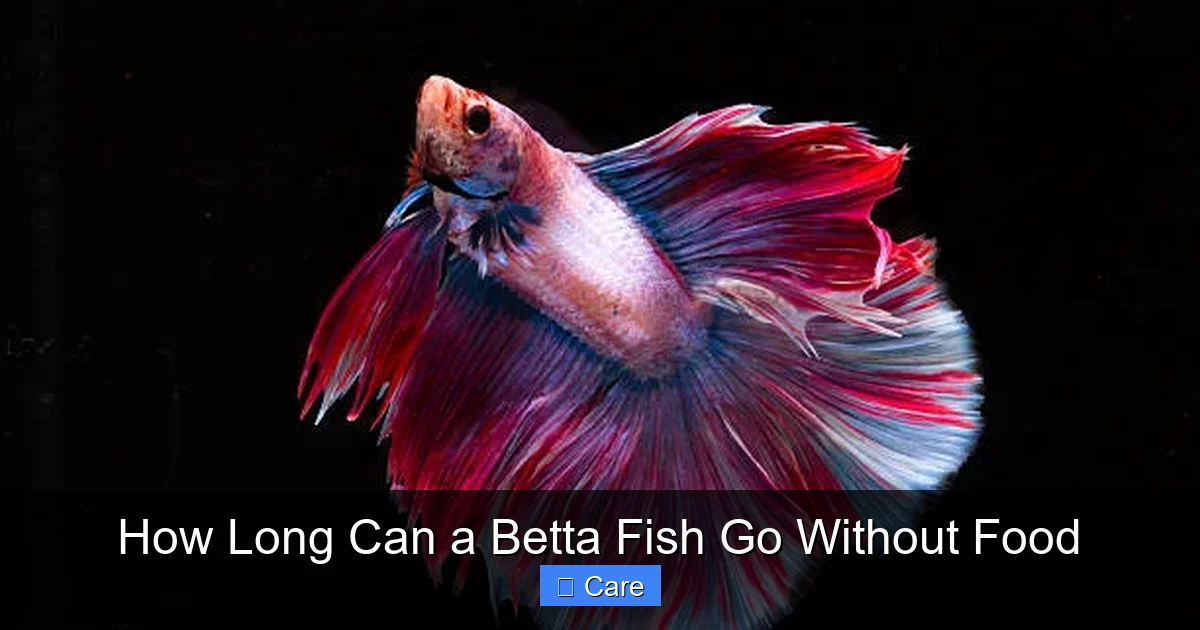
Nutrition is the foundation of the immune system. Proteins, vitamins (especially C and E), and minerals are required to produce white blood cells and antibodies. Without these building blocks, the betta’s defenses crumble. Common betta diseases like Fin Rot (bacterial or fungal), Velvet (parasitic), and Ich can sweep through a malnourished fish tank like wildfire. A minor case of fin nipping that would normally heal can become a life-threatening infection.
Swim Bladder and Digestive System Chaos
You might associate swim bladder disorder (SBD) with overfeeding constipation, but severe underfeeding causes a different but equally dangerous problem. The muscles that control the swim bladder weaken and atrophy. The fish loses the physical ability to maintain buoyancy, floating upside down or sinking and struggling to move. Furthermore, when food is finally reintroduced after a long fast, the digestive system is sluggish and vulnerable. Overfeeding at this stage can cause lethal bloating and constipation because the system can’t process the food load.
Organ Failure and Metabolic Acidosis
Prolonged reliance on protein breakdown for energy releases nitrogenous wastes and acidic byproducts into the bloodstream. The kidneys and liver, already stressed, become overloaded, leading to metabolic acidosis—a dangerous drop in blood pH. This directly damages organ tissues and can result in heart and kidney failure. The betta isn’t just hungry; it is being poisoned by its own metabolism.
Beyond Hunger: Key Factors That Influence Feeding Needs
The “how long” question doesn’t exist in a vacuum. Several critical factors dramatically alter a betta’s tolerance for a missed meal.
Water Temperature: The Metabolic Dial
This is the single most important environmental factor. Bettas are tropical fish, with an ideal temperature range of 78-80°F (25.5-26.5°C). Their metabolism is directly tied to temperature. At 78°F, their metabolism is stable and efficient. If the water is too cold (below 75°F), their metabolism slows dramatically. They become lethargic, digest food poorly, and their immune system plummets. In cold water, they might *seem* to need less food because they are using less energy, but they are actually in a state of chronic stress and are far more vulnerable to disease. A cold betta cannot process a meal properly, leading to constipation and SBD. Conversely, water that is too hot (above 82°F) increases metabolic rate, meaning they burn energy faster and actually need more frequent, nutrient-dense food. Never manipulate temperature to reduce feeding; maintain the optimal range for health.
Tank Environment and Stress Levels
A betta in a spacious, well-planted, filtered tank with stable parameters and no aggressive tank mates is under far less chronic stress than one in a tiny, unfiltered bowl with poor water quality. Stress hormones like cortisol suppress the immune system and increase energy expenditure. A stressed betta burns through its reserves much faster. A peaceful, enriched environment supports a healthier metabolism and better overall condition, giving it a slightly better buffer during an unexpected fast.
Age, Size, and Overall Health
A large, mature, genetically robust betta in its prime has more fat and muscle reserves to draw upon than a small, young juvenile or a senior fish. A betta already battling a minor illness (like early-stage fin rot or a parasitic infection) has its resources diverted to fighting that illness. Adding starvation to the mix is a recipe for rapid decline. Always consider the individual fish’s condition.
Best Practices: The “How To” of Proper Betta Feeding
Given everything we’ve covered, the goal is to make proper feeding so simple and routine that the question of “how long can they go without” becomes irrelevant.
The Right Food, The Right Amount
Bettas are obligate carnivores. Their diet in the wild is almost exclusively insects, larvae, and zooplankton. A high-quality pellet formulated specifically for bettas should be the staple. Look for pellets with fish meal, shrimp meal, or krill as the first few ingredients, and avoid those packed with fillers like wheat and soy. Supplement this 2-3 times a week with frozen or live foods like daphnia, brine shrimp, or bloodworms. These provide essential protein and act as a natural laxative, aiding digestion.
The Portion Rule: A betta’s stomach is roughly the size of its eye. Feed it an amount of food (pellets or frozen) that equals that size, once or twice a day. Any food left after 2-3 minutes should be siphoned out to prevent water pollution. It is far better to slightly underfeed than to overfeed, but consistent, correct portions are the goal.
Establishing a Routine
Bettas thrive on predictability. Feed at the same times each day. This reduces stress and helps regulate their digestive system. Use feeding time as a health check. Does your betta come eagerly to the surface? Does it eat all its food promptly? Is its swimming normal? Any deviation from its routine is an early warning sign of a problem.
Water Quality: The Non-Negotiable Foundation
You can feed the perfect diet, but if your betta is swimming in its own waste, it will still get sick. A filtered tank (with a gentle flow) is ideal. For unfiltered bowls, 100% water changes 2-3 times a week are mandatory, using a water conditioner to remove chlorine and chloramines. Test water regularly for ammonia and nitrites (should be 0). Clean water is more important than perfect food, because a betta in clean water can better utilize the nutrients it gets and fight off pathogens.
Emergency Situations: When You *Can’t* Feed Your Betta
Life happens. You might have an emergency trip, a hospital stay, or a family crisis. What then?
The Automatic Feeder & Vacation Blocks
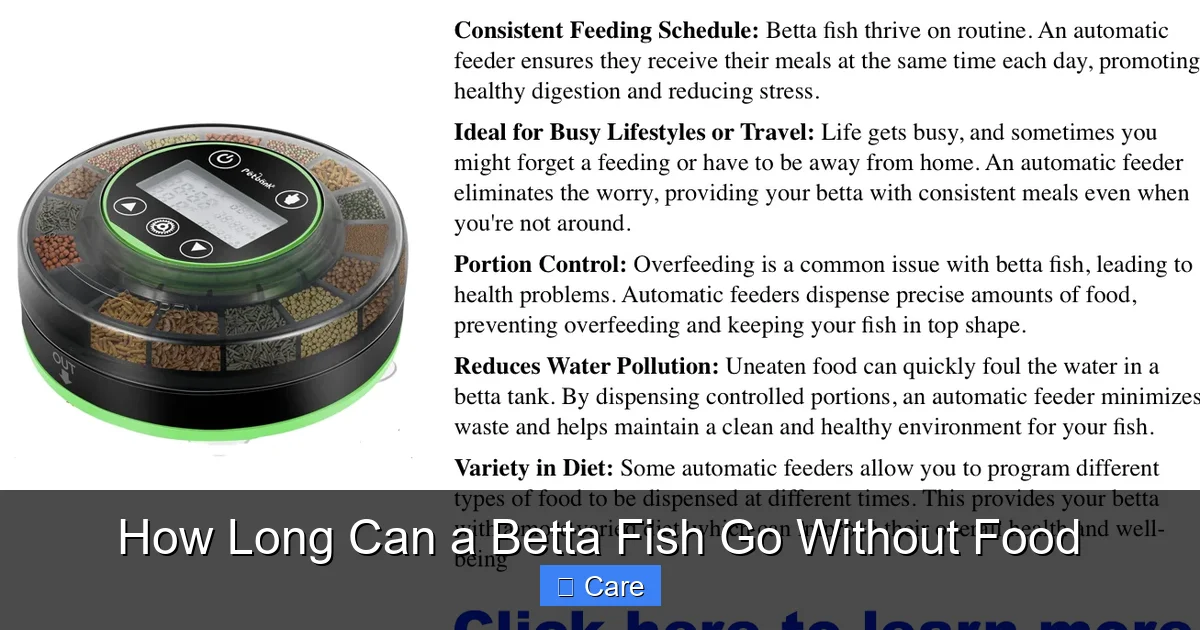
An automatic fish feeder is the most reliable solution for short absences (3-5 days). Pre-load it with dry pellets and set it to dispense a tiny amount once a day. Test it thoroughly before you leave. For slightly longer trips, a “vacation food block” or “feeding block” can be used. These are slow-dissolving blocks of compressed food. They are a last resort, as they can foul water if not fully consumed, but they are better than no food at all for up to 7-10 days in a clean, filtered tank.
The Trusted Pet-Sitter
The best option for any trip longer than a long weekend is a trusted friend or family member. Write down clear, simple instructions: “Feed 3-4 pellets once a day. Remove any uneaten food after 2 minutes. Do not overfeed.” Show them exactly how much a “betta portion” is. Provide pre-measured portions in a small container to eliminate guesswork.
What NOT To Do
Do not simply “top off” the tank with a large amount of food before you leave, hoping it will graze. It will overeat, foul the water, and die of poor water quality or constipation before it gets hungry. Do not rely on the myth that your betta can just “wait it out.” You are responsible for its care.
Frequently Asked Questions
Can a betta fish survive a week without food?
Yes, a healthy adult betta in warm, clean water can physically survive 7-10 days without food. However, this causes significant internal stress, weakens its immune system, and leads to muscle wasting and color loss. It is not a healthy or recommended practice.
What are the first signs of a betta being underfed or hungry?
Signs include increased lethargy, spending more time resting at the bottom, faded or dull coloration, clamped fins, and a persistently “begging” behavior at the glass when you approach. A healthy betta is active, curious, and displays its fins vibrantly.
Is it ever okay to fast a betta fish to clear its digestive system?
No. Unlike some other fish, bettas do not benefit from intentional fasting. Their digestive tracts are short and designed for regular, small meals. Skipping meals causes stress and metabolic issues. If constipation or swim bladder disorder is suspected, the first step is to ensure water quality is perfect and offer a small, peeled pea or daphnia as a natural laxative, not to withhold all food.
How does water temperature affect how often I should feed my betta?
Water temperature controls metabolism. At the ideal 78-80°F, feed once or twice daily. If the water is colder (below 75°F), the betta’s metabolism slows, but it is also stressed and unhealthy—do not feed less; instead, raise the temperature to the proper range. In warmer water (above 82°F), metabolism speeds up, and they may benefit from a second small feeding.
My betta is old and seems less active. Should I feed it less?
An older betta may have a slightly slower metabolism, but its nutritional needs remain high to support aging organs and a weakening immune system. Continue to feed a high-quality, easily digestible diet (like pre-soaked pellets or frozen daphnia) in the same small portion size (eye-sized) once a day. Reduced activity means it needs fewer calories, but the nutrient density of its food is even more crucial.
What is the absolute maximum time I can leave my betta alone with no one to feed it?
For a short trip of 2-3 days, you can simply perform a large water change before you leave and ensure the tank is clean. For 4-7 days, use an automatic feeder or a high-quality vacation block in a filtered tank. For any period longer than one week, you must arrange for a human caretaker. Relying on the betta’s ability to survive without food beyond a week is cruel and risks severe health deterioration or death.