How Long Can Betta Fish Survive Without Food

Betta fish can typically survive without food for 1-2 weeks, but this is not a safe or healthy practice. Their survival depends heavily on factors like age, health, and water conditions. While their slow metabolism allows for occasional fasting, prolonged lack of food leads to severe health deterioration, organ failure, and a weakened immune system. Responsible ownership requires a consistent, appropriate feeding schedule to ensure your betta lives a long, vibrant life. Never intentionally withhold food as a “cleanse” or for convenience.
You’re packing for a weekend trip, a frantic work week hits, or you simply forget. That little, colorful betta fish in its beautiful tank gives you a guilt-ridden glance, and a knot forms in your stomach: How long can betta fish survive without food? It’s a common worry for every betta owner at some point. The short, reassuring answer is that your betta is tougher than you think—it can probably physically hang on for a week or two. But the longer, more important answer is a deep dive into fish physiology, responsible pet ownership, and the fine line between resilience and neglect. This guide will unpack everything you need to know about betta fish survival without food, transforming that worry into confident, knowledgeable care.
Key Takeaways
- Survival Duration vs. Health: A betta may physically survive 10-14 days without food, but significant health damage occurs long before this point.
- Metabolism Matters: Bettas have a slow metabolism, a trait from their wild, often food-scarce habitat, which allows for short-term fasting but not prolonged starvation.
- Primary Risks Are Internal: The greatest danger is not just weakness, but organ failure (especially the liver and kidneys) and a collapsed immune system from toxin buildup.
- Water Quality Is Paramount: Clean, warm, stable water is the single most critical factor during any brief fast, as it reduces stress and metabolic load.
- Feed Small, High-Quality Meals: Proper feeding means 1-2 small portions of high-protein food daily, with all food consumed within 2-3 minutes to prevent water pollution.
- Short Fasts Can Be Therapeutic: A 24-48 hour fast is sometimes recommended by vets to resolve constipation or before administering medication.
- Plan for Emergencies: If traveling, use an automatic feeder, a trusted pet sitter, or ensure the tank is meticulously clean with stable temperature; never simply add extra food before you leave.
📑 Table of Contents
- Understanding Betta Fish Physiology: Built for Scarcity
- The Survival Timeline: What Happens Day by Day
- Factors That Influence How Long a Betta Can Survive
- The Dangers of Prolonged Fasting: More Than Just Hunger
- Responsible Feeding Practices: Prevention Is Everything
- Emergency Situations and Planning: For When Life Happens
- Conclusion: A Commitment to Consistent Care
Understanding Betta Fish Physiology: Built for Scarcity
To understand how long a betta can go without a meal, we must first look at the animal itself. The betta splendens, or Siamese fighting fish, hails from the warm, shallow rice paddies and slow-moving streams of Thailand and Cambodia. In these environments, food can be sporadic. Insects, larvae, and tiny crustaceans are not always plentiful. Over millennia, bettas evolved a remarkable adaptation: an incredibly slow metabolism. This isn’t just about being lazy; it’s a survival strategy. A slower metabolism means they require less energy to maintain basic bodily functions, allowing them to conserve resources during lean times.
The Labyrinth Organ: A Breath of Fresh Air
A key physiological feature aiding their survival is the labyrinth organ. This specialized structure allows bettas to gulp air from the surface. Unlike many fish that rely solely on dissolved oxygen in water, bettas can supplement their oxygen intake directly from the atmosphere. This adaptation is crucial during periods of stress or poor water conditions (which often coincide with missed feedings). It gives them a buffer, ensuring their cells still receive oxygen even if water quality dips slightly, which can happen more quickly in an unfed, less-maintained tank.
Energy Reserves: The Fat Bank
Like all animals, bettas store energy in the form of fat, primarily around their internal organs and in their musculature. A healthy, well-fed betta has a plump, rounded body shape. This isn’t just for show; those fat reserves are the emergency fuel supply. When food is absent, the betta’s body begins to metabolize this fat. The timeline of depletion is what ultimately determines survival. A betta with good reserves coming into a fast has a significantly longer runway than a thin or recently stressed fish.
The Survival Timeline: What Happens Day by Day
So, we know they *can* last a while, but what does that actually look like? Let’s break down the typical progression for a healthy adult betta in optimal water conditions when food is suddenly removed.
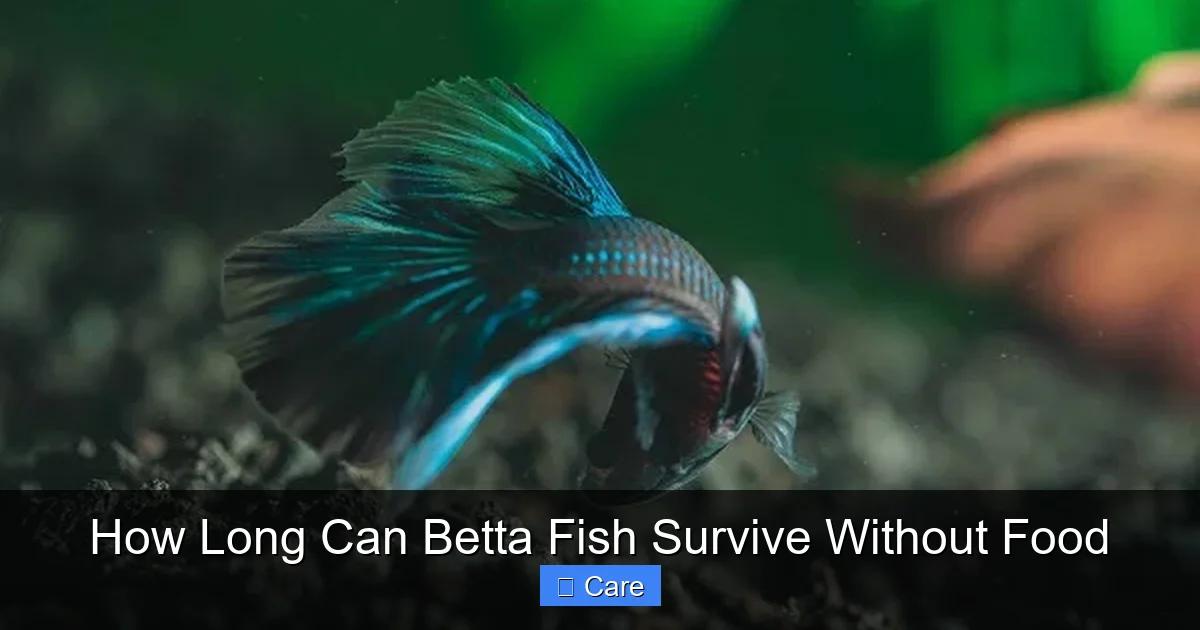
Visual guide about How Long Can Betta Fish Survive Without Food
Image source: report-e.com
Days 1-3: No Noticeable Change
For the first 24-72 hours, your betta will likely behave normally. It will swim actively, flare at its reflection, and greet you at the glass. Its body is using readily available energy from its last meal and beginning to tap into immediate glycogen stores. There is no cause for concern at this stage, and a brief, unintentional fast of this length is harmless and can even aid digestion.
Day 4-7: Subtle Signs Emerge
Around the one-week mark, you may start to see changes. Activity levels might decrease slightly. The vibrant colors could appear a bit muted. The betta might spend more time resting at the bottom or on a plant leaf, conserving energy. This is the body’s signal that it has moved from using simple energy stores to actively burning fat. At this point, the fish is entering a state of catabolism—breaking down its own tissues for fuel. While not yet critical, this is the beginning of stress.
Day 8-14: Critical Phase and Rapid Decline
This is the danger zone. Fat reserves are depleting rapidly. The betta’s body will begin to break down muscle protein to maintain essential functions. You will see pronounced lethargy, significant loss of color, and a very sunken or emaciated appearance, especially around the belly and head. The dorsal fin may become ragged. The immune system, which requires significant energy to maintain, collapses. The fish becomes highly susceptible to opportunistic diseases like fin rot or fungal infections, which can prove fatal even if food is returned. Organ systems, particularly the liver and kidneys, are under immense strain from processing toxins without the energy to do so efficiently. Death from starvation or a secondary infection is very likely beyond 10-14 days for most bettas.
Beyond Two Weeks: A Grim Outlook
Survival past 14-21 days is extremely rare and would only be possible for a very large, exceptionally healthy betta in pristine, warm water. At this stage, the fish is in a severe state of emaciation. Its body is essentially consuming itself. Recovery, even with immediate and careful refeeding, is difficult and often unsuccessful due to permanent organ damage.
Factors That Influence How Long a Betta Can Survive
The “1-2 weeks” guideline is a generalization. The exact clock for your individual betta depends on a confluence of factors. Understanding these helps you assess risk accurately.
Visual guide about How Long Can Betta Fish Survive Without Food
Image source: petshun.com
Age and Overall Health
A young, vibrant adult betta in its prime has the best chances. It has robust fat reserves and strong organ function. An elderly betta, a juvenile, or one already battling an illness (like dropsy or velvet) has a severely compromised system. Its energy reserves are lower, and its body is already struggling. For a sick betta, even 3-5 days without food during a medical crisis can be the tipping point.
Water Temperature and Quality
This cannot be overstated. Water temperature directly controls metabolism. A betta in 80°F (27°C) water has a faster metabolism than one in 72°F (22°C). The warmer fish will burn through energy reserves more quickly. However, bettas are tropical fish and need warmth to thrive. The ideal is a stable 78-80°F (25.5-27°C). More important than temperature is water quality. In clean water, ammonia and nitrite are zero. The betta’s body doesn’t have to expend energy filtering toxins. In dirty water, even with a filter, ammonia builds up, poisoning the fish and forcing its organs to work overtime, drastically shortening survival time. A fast in dirty water is a death sentence much quicker than a fast in pristine water.
Stress Levels
A stressed betta—from aggressive tank mates, loud noises, sudden temperature changes, or a chaotic environment—has elevated cortisol levels. Stress hormones increase metabolic rate and suppress the immune system. A chronically stressed betta will use its energy reserves faster and be less able to withstand the physiological冲击 of fasting. A calm, peaceful betta in a quiet, appropriately decorated tank has a much better physiological foundation.
Previous Diet and Body Condition
A betta that has been consistently overfed and is overweight has more fat reserves to burn, but this comes with a caveat. Obesity can strain organs and lead to fatty liver disease, which may actually impair its ability to process fat during a fast. A betta that is at a healthy, lean weight (not bony, but not obese) with good muscle tone is in the optimal condition for handling a short-term fast.
The Dangers of Prolonged Fasting: More Than Just Hunger
Assuming your betta will just get “a little hungry” is dangerously simplistic. Prolonged starvation triggers a cascade of systemic failures.
Visual guide about How Long Can Betta Fish Survive Without Food
Image source: fishtanksetups.com
Organ Failure: The Silent Killer
The liver and kidneys are metabolic powerhouses. They process nutrients, filter waste, and produce essential proteins. During starvation, they are tasked with mobilizing fat and protein stores but receive no new nutrients. This can lead to hepatic lipidosis (fatty liver disease) where fat accumulates in liver cells, impairing function until it fails. The kidneys, similarly, can become damaged by the increased load of metabolic byproducts and the lack of energy to function, leading to renal failure.
Complete Immune System Collapse
An immune response is energetically expensive. White blood cell production, antibody synthesis, and inflammatory responses all require calories and nutrients. Without food, the body enters an energy-conservation mode and severely downregulates immune function. The betta becomes a sitting duck for bacteria and fungi that are always present in the tank at low levels. A minor scrape or a bit of decaying matter can spiral into a fatal infection in a starved fish.
Muscle Wasting and Weakness
Once fat is gone, the body turns to muscle. The betta’s beautiful, flowing fins will become ragged and torn not just from poor water quality but from sheer lack of protein to maintain tissue integrity. It will lose the strength to swim properly, struggle to reach the surface for air, and become unable to compete for space or avoid current from a filter.
The Refeeding Syndrome Risk
If you discover a betta near the end of a prolonged fast and its body is severely emaciated, you must be cautious. Reintroducing food too quickly, especially high-protein or rich foods, can trigger “refeeding syndrome.” The sudden influx of nutrients causes a rapid shift in electrolytes and fluid balance, which can lead to heart failure, respiratory distress, and sudden death. A starved betta must be reintroduced to food VERY slowly, starting with easily digestible foods like daphnia or a tiny amount of mashed pea, over several days.
Responsible Feeding Practices: Prevention Is Everything
The goal is never to test your betta’s survival limits. The goal is to provide such consistent, appropriate care that the question of survival becomes moot. Here is the blueprint for responsible betta nutrition.
What, When, and How Much: The Golden Rules
What: Bettas are obligate carnivores. Their diet must be high in animal protein. A high-quality pellet or granule formulated specifically for bettas should be the staple. Supplement this 2-3 times a week with treats like frozen or live brine shrimp, daphnia, or bloodworms. Avoid flake food, which pollutes water quickly and is often nutritionally inadequate. When: Feed once or twice daily. Consistency is key. Bettas thrive on routine. How Much: This is the most common mistake. A betta’s stomach is roughly the size of its eye. A proper portion is 2-3 pellets (or the equivalent) per feeding. If using frozen foods, a small pinch is enough. The rule: all food should be consumed within 2-3 minutes. Any leftovers must be siphoned out immediately to prevent water degradation.
The Importance of a “Fast Day”
Paradoxically, skipping one meal a week (e.g., every Sunday) is a recommended practice by many betta experts and veterinarians. Why? It gives the digestive system a complete rest, mimicking their natural sporadic eating pattern. It helps prevent constipation, a common issue from overfeeding. It also reduces the bioload in the tank, giving your filter a break. This is a planned, controlled 24-hour fast, not an accidental multi-day omission. It is a valuable tool for long-term health.
Water Trumps Food: The Foundational Priority
You can miss a feeding, but you cannot miss a water change. A clean tank is more important than a perfectly timed meal. A 25-50% water change once or twice a week with a dechlorinator is non-negotiable. This removes toxins, maintains water parameters, and provides a healthy environment where the betta’s body doesn’t have to fight constant low-level poisoning. In the hierarchy of needs: clean, warm, stable water is #1. Appropriate food is #2.
Emergency Situations and Planning: For When Life Happens
Even the most dedicated owner faces vacations, emergencies, or unforeseen absences. Planning for this is a critical part of responsible pet ownership. The solution is not to overfeed before you leave.
The “Vacation Block” Fallacy
Those solid food blocks that dissolve slowly are a terrible idea for bettas. They pollute the water massively over several days, leading to dangerous ammonia spikes. Your betta will likely eat a huge portion at once, risking constipation, and then be left with decaying food fouling its home. It’s a recipe for disaster.
Reliable Solutions
Automatic Feeder: This is the gold standard for short trips (3-5 days). Invest in a reliable, battery-operated feeder. Program it to dispense 1-2 pellets once daily. Test it thoroughly before you leave. Trusted Pet Sitter/Friend: Provide clear, written instructions: “Feed 2 pellets at 5 PM. Do not add more if he doesn’t eat it all. Check that he is swimming.” Show them how to do it. Pre-Trip Tank Prep: For a long weekend, do a major water change (50%) the day before you leave. Ensure the temperature is stable. A clean, fresh tank is the best environment for your betta to be in while you’re away, even with no food for 4-5 days. Never rely on “he’ll be fine.” Have a backup plan. If something goes wrong, you need someone who can intervene.
Conclusion: A Commitment to Consistent Care
So, how long can betta fish survive without food? The factual answer is 1-2 weeks under perfect conditions. The ethical and practical answer is: they should never have to find out. Your betta’s resilience is a testament to its hardy nature, but it is not an invitation to test its limits. Its survival depends on the daily, deliberate choices you make: providing a clean, warm home, feeding small portions of high-quality food, and establishing a reliable routine. Understanding the physiological timeline of starvation isn’t about seeing how long you can go; it’s about recognizing the urgent signs of trouble and, more importantly, preventing them altogether. A well-cared-for betta, with its fins flaring and colors glowing, is a direct reflection of your consistent attention. That vibrant life in your tank is a commitment, not an experiment. Feed responsibly, maintain the water vigilantly, and enjoy the company of your aquatic companion for the five years or more it is blessed to live.
Frequently Asked Questions
What is the absolute maximum a betta can survive without food?
Under ideal, warm, and pristine water conditions, a healthy adult betta might physically survive for 10-14 days. However, severe health damage and organ stress begin well before day 7, making this an emergency survival limit, not a recommended or safe duration.
Why is my betta not eating when I do feed it?
A lack of appetite is often a symptom, not the problem. Common causes include poor water quality (check ammonia/nitrite), incorrect water temperature (below 76°F), stress from tankmates or environment, constipation from overfeeding, or an underlying illness like swim bladder disease or parasites. Address the environment first.
Can I intentionally fast my betta to clear constipation?
Yes, a 24-48 hour fast is a common and effective first step for treating mild constipation. After the fast, offer a small, peeled, cooked pea or a few daphnia, which act as natural laxatives. If the problem persists or the betta is severely bloated, consult an aquatic veterinarian.
Is it okay to skip a day of feeding as part of routine care?
Absolutely. Implementing one “fast day” per week is highly beneficial. It gives the digestive system a rest, mimics natural feeding patterns, and helps prevent constipation and obesity. This is a planned, controlled break and is very different from accidental starvation.
What should I do if I come home after a week away and my betta is alive but weak?
Do not offer a large meal. Begin a very gentle refeeding process. Start with a single, high-quality pellet or a few frozen daphnia on day one. If it eats, offer a tiny portion again the next day. Monitor closely for signs of distress. Perform a small water change (25%) to ensure excellent water quality as its body begins to process food again. If it refuses food or seems to be struggling, seek advice from a vet experienced with fish.
What are the first physical signs of starvation I should look for?
The earliest signs are often behavioral: lethargy, spending all day at the bottom, and loss of interest in food. Physical signs follow: a visibly sunken belly (opposite of bloating), loss of vibrant color, a thin or “skull-like” appearance around the head, and ragged, torn fins due to poor tissue maintenance. If you see these, immediate action on water quality and careful, gradual refeeding is needed.