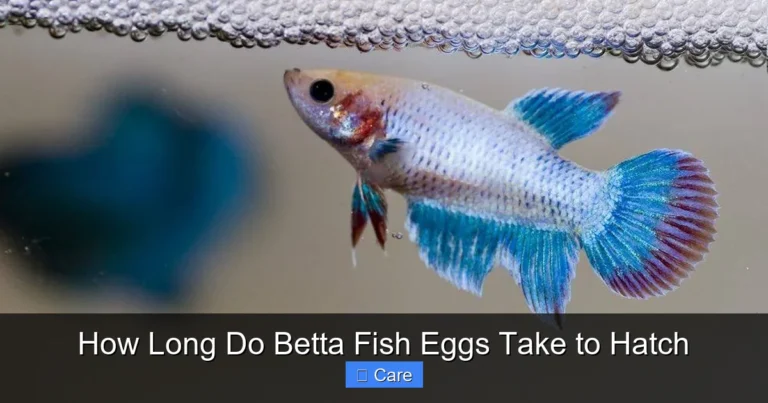
How Long Can a Betta Fish Live Without Water
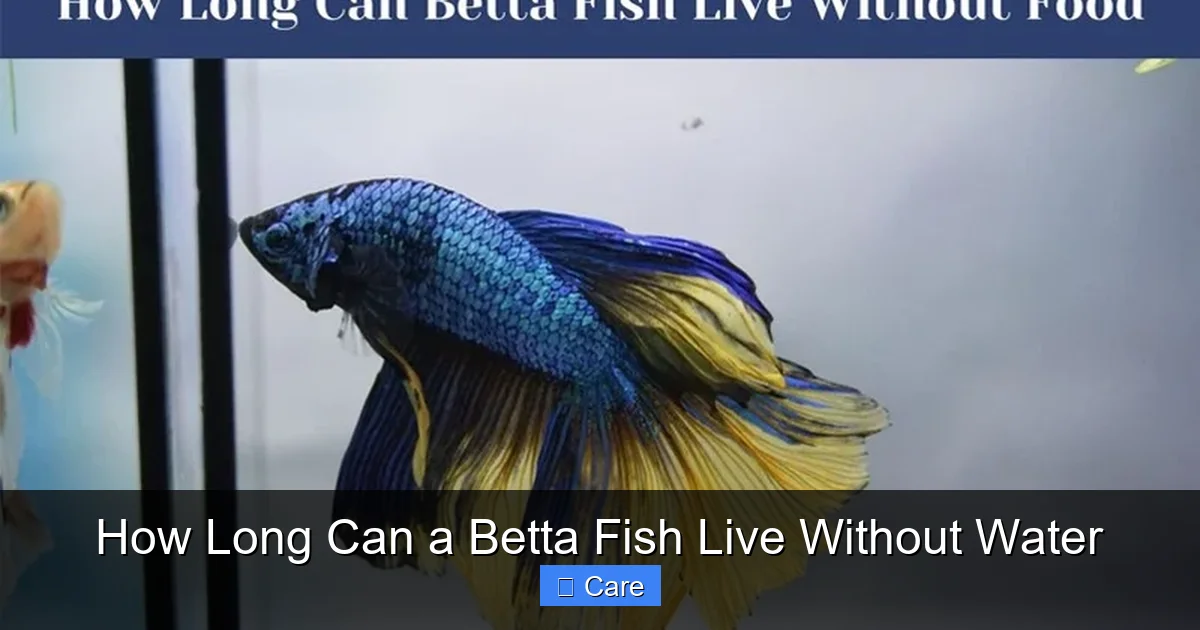
Betta fish need water to breathe, regulate temperature, and stay healthy. Without water, they can only survive a few minutes to a couple of hours depending on conditions. Quick action and proper tank setup are essential to prevent this dangerous situation.
Key Takeaways
- Water is essential: A betta can only live without water for minutes to a few hours at most.
- Oxygen deprivation: Without water, gills collapse and the fish suffocates quickly.
- Temperature spikes: Exposure to air raises body temperature, leading to shock.
- Rapid response saves lives: Immediate water replacement can often rescue a stranded betta.
- Preventive habits: Regular tank checks and proper water changes reduce risk.
- Know the limits: Even a short power outage can become fatal if water evaporates.
- Use resources wisely: Refer to related guides on feeding and tank maintenance for a healthier betta.
📑 Table of Contents
- Introduction: Why the Question Matters
- 1. The Biology Behind the Need for Water
- 2. How Long Can a Betta Fish Actually Survive?
- 3. Common Scenarios That Lead to Water Loss
- 4. Immediate Rescue Steps
- 5. Preventive Measures to Never Face This Situation
- 6. Long‑Term Health: Monitoring and Maintenance
- Conclusion: Stay Vigilant, Keep Them Wet
Introduction: Why the Question Matters
If you’ve ever wondered how long can a betta fish live without water, you’re not alone. Many new owners think bettas are “hardy” enough to survive a few hours out of their tank. The truth is far more urgent. Betta fish rely on water for breathing, temperature control, and waste removal. When that liquid environment disappears, the clock starts ticking.
This article breaks down the science, shares real‑world examples, and gives you practical steps to avoid a water‑less disaster. By the end, you’ll know exactly how fast you need to act and how to set up a tank that keeps your betta safe 24/7.
1. The Biology Behind the Need for Water
How Betta Gills Work
Betta fish extract oxygen through gills, tiny feathery organs that work only when submerged. When out of water, the delicate filaments collapse, and the fish can no longer exchange gases. Unlike mammals, bettas cannot breathe air through lungs, so oxygen deprivation is immediate.
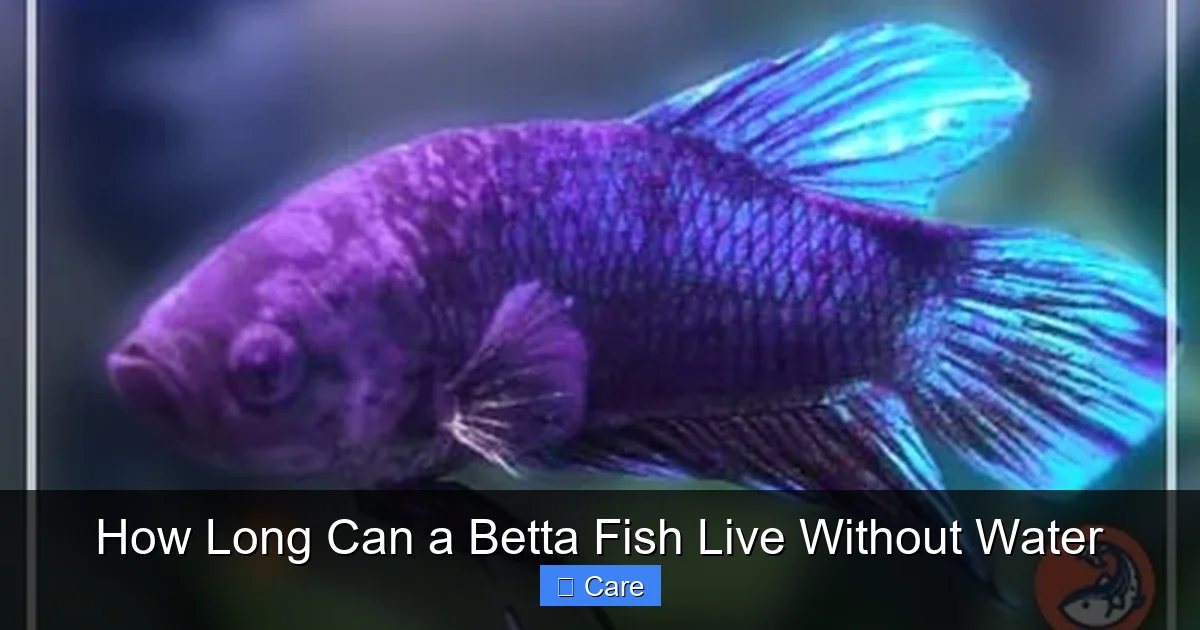
Visual guide about How Long Can a Betta Fish Live Without Water
Image source: aquariumnexus.com
Temperature Regulation
Water acts as a temperature buffer. In air, a betta’s body temperature rises quickly, especially in a warm room. Overheating stresses the heart and can cause cellular damage within minutes.
Stress and Osmoregulation
Betas maintain internal salt balance (osmoregulation) by constantly moving water over their skin. Without water, they lose this balance, leading to dehydration and organ failure.
2. How Long Can a Betta Fish Actually Survive?
Typical Time Frames
Most experts agree that a healthy adult betta can survive **5 to 15 minutes** without water before irreversible damage occurs. In cool, humid environments, a few extra minutes are possible, but the margin is razor‑thin.

Visual guide about How Long Can a Betta Fish Live Without Water
Image source: petshun.com
Factors That Change the Clock
- Size and age: Juvenile bettas have smaller oxygen reserves and may die faster.
- Room temperature: A 75°F (24°C) room speeds up dehydration; a cooler room buys a few seconds.
- Humidity: High humidity slows water loss from the skin, extending survival by a minute or two.
- Health status: A stressed or diseased betta has less stamina.
Real‑World Example
One hobbyist reported that his betta fell out of a 2‑gallon tank during a power outage. He rescued the fish within 8 minutes, and the betta survived after a thorough water change. A second attempt, where the fish was left out for 20 minutes, resulted in a limp, lifeless body. The difference? A few critical minutes.
3. Common Scenarios That Lead to Water Loss
Power Outages and Heater Failures
When a heater stops, water can evaporate quickly, especially in small bowls. If the water level drops below the fish’s head, the betta can become partially exposed.
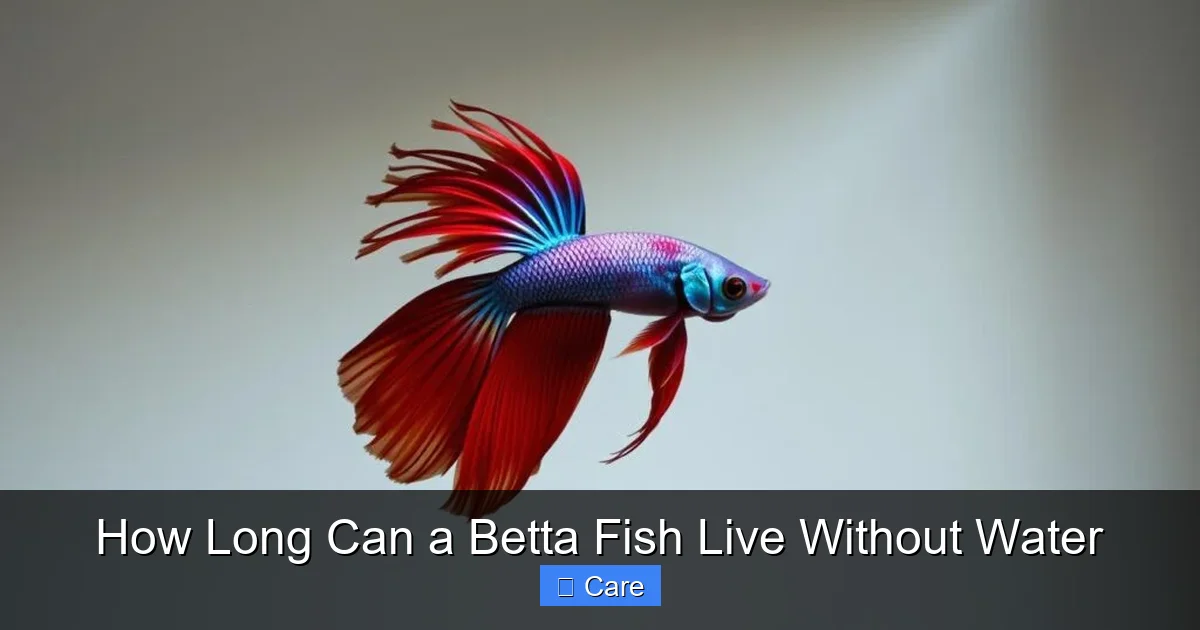
Visual guide about How Long Can a Betta Fish Live Without Water
Image source: koibettafish.com
Accidental Bowl Tipping
Betas are often kept in small, open containers. A bump can tip the bowl, leaving the fish stranded on a countertop.
Improper Tank Maintenance
Neglecting regular water changes can cause algae buildup and debris that clog the surface, making the water level appear higher than it actually is.
Transport Mishaps
When moving a betta, a short period without water can happen if the container leaks or is not sealed properly.
4. Immediate Rescue Steps
Act Fast, Stay Calm
Time is of the essence. Here’s a step‑by‑step rescue plan:
- Locate the fish: Pick it up gently with a soft net or your fingertips.
- Prepare fresh water: Use conditioned, room‑temperature water (78°F/25.5°C).
- Submerge slowly: Place the fish in the water, letting it adjust for a few seconds.
- Observe breathing: Gills should open and close normally within a minute.
- Check for stress signs: Darkened fins, rapid gill movement, or lying on the bottom indicate shock.
- Perform a water change: Replace 25‑30% of the tank water to remove any contaminants that may have entered during the incident.
When Rescue Fails
If the betta shows no movement after 10 minutes in water, it’s likely beyond recovery. In that case, humane euthanasia with clove oil is recommended. Learn how to euthanize a betta fish safely.
5. Preventive Measures to Never Face This Situation
Choosing the Right Tank
A minimum of 5 gallons with a lid prevents spills and provides enough water depth for the betta to stay submerged even if the surface level drops slightly.
Regular Water Level Checks
Make it a habit to glance at the water line daily. Use a ruler or a marker on the tank wall to quickly see if the level has changed.
Backup Power Solutions
For those in areas with frequent outages, a battery‑operated heater or a small UPS (uninterruptible power supply) can keep water temperature stable.
Secure Lids and Covers
Even a light mesh lid can stop a betta from jumping out and protect the water from evaporation.
Proper Water Conditioning
Never use tap water alone. Use a water conditioner to neutralize chlorine and chloramines, which can stress the fish further if an accidental splash occurs.
Link to Related Care Guides
Understanding how long a betta can survive without food also helps you gauge overall resilience. Read more about betta survival without food. Additionally, learning how much water a betta needs ensures you provide a safe environment.
6. Long‑Term Health: Monitoring and Maintenance
Weekly Water Changes
Replace 20‑30% of the tank water weekly. This maintains water quality and keeps the surface tension stable.
Testing Water Parameters
Use a test kit to monitor ammonia, nitrite, nitrate, and pH. Poor water quality can weaken gills, making the fish more vulnerable to short‑term water loss.
Observing Behavior
Healthy bettas are active, flare their fins, and explore the tank. Lethargy or frequent hiding can signal underlying issues that may reduce their ability to survive brief water shortages.
Seasonal Adjustments
In winter, room heating can dry the air, increasing evaporation. Raise the water level slightly or use a humidity tray to offset loss.
Conclusion: Stay Vigilant, Keep Them Wet
While bettas are often praised for their hardiness, the simple truth remains: they cannot live without water for more than a few minutes. Understanding the biology, recognizing risky situations, and having a rapid rescue plan are the best ways to protect your finned companion. By maintaining a proper tank, monitoring water levels, and acting instantly if water is lost, you give your betta the best chance at a long, vibrant life.
Remember, prevention is always easier than rescue. Keep the water flowing, and your betta will thank you with dazzling colors and lively displays for years to come.
Frequently Asked Questions
Can a betta fish survive a short power outage?
Only if the water level stays above the fish’s head and the temperature does not rise sharply. A brief outage (under 30 minutes) is usually safe, but always check the water after power returns.
What should I do if my betta falls out of the tank?
Immediately place the fish in a cup of conditioned water at the same temperature as the tank, then gently return it to the aquarium after a few minutes of observation.
How does humidity affect a betta out of water?
Higher humidity slows the drying of the fish’s skin, buying a few extra seconds, but it does not replace the need for water. Rescue should still happen within minutes.
Is a bowl without a lid safe for a betta?
No. Without a lid, the fish can jump out, and water evaporates faster. A covered tank or a bowl with a secure mesh prevents accidental water loss.
Can I use bottled water for my betta’s tank?
Yes, as long as you treat it with a water conditioner to remove any chlorine or heavy metals. Bottled water can be a good backup during emergencies.
How often should I check the water level?
Check daily, and especially after cleaning, water changes, or any temperature fluctuations. A quick visual check prevents most water‑loss incidents.