What Does a Betta Fish Look Like Complete Care Guide

Understanding what does a betta fish look like helps you provide better care for your vibrant pet. These fish boast stunning colors and flowing fins that set them apart from other aquarium dwellers. Recognizing their unique body shape and behavior ensures you maintain a healthy tank environment. This guide covers everything from fin types to color patterns for happy fish keeping.
Key Takeaways
- Vibrant Colors: Bettas come in red, blue, purple, and multi-colored patterns.
- Fin Types: Common styles include Veiltail, Halfmoon, and Crowntail.
- Body Shape: They have an elongated body with a noticeable upturned mouth.
- Gender Differences: Males are brighter with longer fins than females.
- Labyrinth Organ: They breathe air from the surface using a special organ.
- Tank Needs: They require clean, warm water and space to thrive.
- Health Signs: Bright colors and active swimming indicate a healthy fish.
📑 Table of Contents
Understanding What Does a Betta Fish Look Like
Betta fish are among the most popular pets in the world. People love them for their beauty and personality. But many new owners ask, what does a betta fish look like exactly? These fish are not just one single look. They vary wildly in color and shape. Knowing these details helps you care for them better.
You might see a fish with long flowing fins. Or you might see one with short fins. Some are bright blue. Others are deep red. This variety makes them exciting to own. However, it also means you need to know what is normal. A healthy betta looks vibrant and active. A sick betta might fade in color or hide often.
In this guide, we will explore every part of their appearance. We will look at their fins, bodies, and colors. We will also discuss how their look changes based on gender. By the end, you will be an expert at identifying these beautiful creatures. You will also know how their appearance links to their care needs.
Color Variations and Patterns
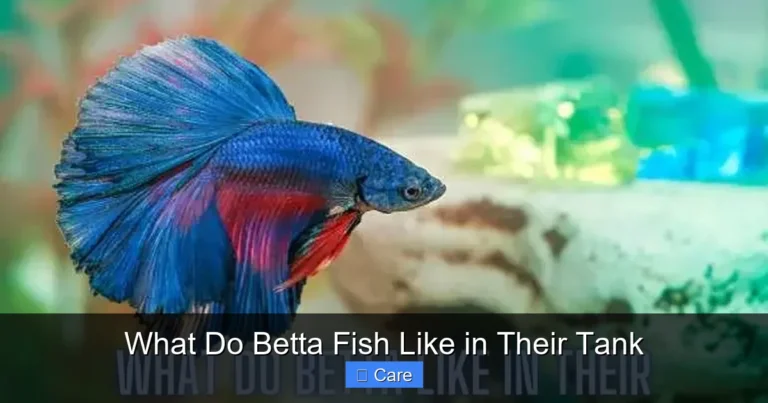
The first thing you notice is the color. Betta fish are famous for their vibrant colors. They come in almost every hue imaginable. You can find them in red, blue, green, and purple. Some even look like gold or white. The colors are not just solid blocks. They often have patterns too.
One common pattern is the solid color. This means the fish is one color from head to tail. Another popular style is the bicolor. This features two distinct colors. For example, a blue body with red fins. There are also marbled bettas. These fish have patches of different colors scattered across their body.
The colors can change over time. Stress can make a betta look dull. Poor water quality can fade their shine. Age also plays a role. Young fish might be less colorful than adults. Sometimes, a change in light affects how we see them. But a healthy betta should always show some brightness.
Here are some common color types you might see:
- Solid Colors: One uniform hue like red or blue.
- Bicolor: Two contrasting colors on body and fins.
- Marble: Irregular patches of multiple colors.
- Cambodian: Pale body with red or blue fins.
- Butterfly: Color on the body that fades on the fins.
Understanding these patterns helps you spot changes. If your red betta turns pale, check your water. If your blue betta loses its shine, check the temperature. Color is a key indicator of health.
Fin Types and Shapes
Fins are the most distinctive feature of a betta. When people ask what does a betta fish look like, they often mean the fins. There are many types of fins. Each type gives the fish a different look. Some fins are long and flowing. Others are short and neat.
The Veiltail is the most common type. These fish have long, drooping fins. They look like a veil hanging behind them. This is the classic look many people imagine. Another popular type is the Halfmoon. These fish have tails that spread to 180 degrees. It looks like a half-moon shape when flared.
Crowntail bettas have a spiky look. The webbing between the fin rays is reduced. This makes the fins look like a crown. Plakat bettas have shorter fins. They look more like wild bettas. These fish are often more active and hardy. There are also Delta and Super Delta types. These fall between Veiltail and Halfmoon in spread.
Fin health is very important. Tears or holes in the fins indicate trouble. Sharp decorations in the tank can damage them. Poor water quality can cause fin rot. This makes the fins look frayed or blackened. Keeping the water clean protects their beautiful fins.
You should also consider the tank setup. Long fins need space to swim without tearing. You can read more about whether betta fish like a lot of space to ensure your pet has enough room. A cramped tank can ruin their fin development.
Body Shape and Anatomy
The body of a betta is unique. They have an elongated shape. It is streamlined for swimming. The head is slightly pointed. The mouth is upturned. This helps them eat at the surface. They are not bottom feeders like some other fish.
One key part of their anatomy is the labyrinth organ. This is a special breathing organ. It allows them to breathe air from the surface. You will often see them gulp air. This is normal behavior. It does not mean they are drowning. It means they are using their natural adaptation.
Their scales are small and smooth. They cover the body like tiny plates. Under the scales, they have a skeleton. They are vertebrates, so they do have a backbone. This structure supports their swimming movements. Their eyes are located on the sides of the head. This gives them a wide field of vision.
You might wonder about their internal organs. They have a heart and other standard fish organs. Learning if betta fish have a heart helps you understand their biology. Knowing their anatomy helps you spot injuries. If you see a bulge or deformity, it could be a health issue.
Male bettas are usually larger than females. They have thicker bodies. Females are often shorter and plumper. This difference is important for breeding. It also helps you identify the gender of your fish.
Male vs Female Appearance
Telling males and females apart is easy once you know what to look for. Males are the showy ones. They have brighter colors. Their fins are much longer. They also have a larger beard. This is a membrane under the gill cover.
Females are more subtle. Their colors are often softer. Their fins are shorter and rounder. They also have an egg spot. This is a small white dot near the ventral fin. It looks like a tiny egg. This is the clearest sign of a female.
Males flare their gills to show dominance. This makes them look bigger. Females can flare too, but less often. Males are generally more aggressive. They guard their territory fiercely. Females can live in groups called sororities. But this requires careful management.
Here is a quick comparison of the two genders:
- Size: Males are typically larger and longer.
- Fins: Males have long, flowing fins. Females have short fins.
- Color: Males are more vibrant and intense.
- Beard: Males have a visible membrane under the gill.
- Egg Spot: Females have a white dot near the belly.
Knowing the gender helps with care. Males need solitary tanks. They fight with other males. Females need careful introductions if kept together. Understanding these differences ensures you house them correctly.
Signs of a Healthy Betta
A healthy betta looks active and bright. Their eyes should be clear. Cloudy eyes can signal illness. Their fins should be intact. No holes or fraying should be visible. They should swim smoothly. They should not sink or float uncontrollably.
Eating habits are a good sign too. A healthy fish has a good appetite. They should come to the front when you feed them. If they hide all day, something is wrong. Color loss is another warning sign. A dull fish might be stressed or sick.
You should also check their breathing. They should gulp air occasionally. But they should not gasp constantly. Gasping at the surface constantly means low oxygen or high ammonia. Regular observation is key. Check your fish every day.
Water quality impacts their look heavily. Dirty water makes them sick. It can cause spots or slime on the body. Clean water keeps them shiny. You can learn more about using tap water in a betta fish tank to maintain safe conditions. Proper water care keeps their appearance pristine.
Sometimes, owners worry about physical contact. You might ask if you can touch a pet betta fish. Generally, you should avoid touching them. It removes their protective slime coat. This can lead to infection. Watching them is better than touching them.
Common Mistakes in Identification
New owners often make mistakes when identifying bettas. One common error is confusing them with other fish. Guppies also have bright colors and fins. But guppies are smaller and have different tails. Bettas are distinct in their body shape.
Another mistake is ignoring the gender. Putting two males together is a big error. They will fight. This can lead to injury or death. Always check if you have a male or female. Never house males together in the same tank.
People also mistake normal behavior for sickness. For example, sleeping at the bottom is normal. They rest sometimes. But lying on the bottom all day is not. Floating upside down is not normal either. It is important to know the difference.
Some owners worry about their fins touching the glass. This is usually fine. But sharp edges can hurt them. Ensure your tank has smooth decorations. Plastic plants can sometimes be sharp. You should check if plastic aquarium plants could kill a betta fish before adding them. Silk plants are often safer for long-finned varieties.
Lastly, do not ignore water parameters. A fish might look fine but live in bad water. Test your water regularly. Ammonia and nitrites should be zero. Nitrates should be low. Good water keeps their look healthy.
Expert Insights on Betta Appearance
Experts agree that genetics play a huge role. Breeders select fish for specific traits. This creates the wide variety we see today. However, environment matters too. A stressed fish will never look its best. Providing a good home brings out their colors.
Lighting is another factor. Proper light enhances their colors. Too much light can stress them. Too little light makes them dull. Find a balance for your tank. A natural day and night cycle works best.
Diet also affects appearance. High-quality food brings out color. Poor food leads to dullness. Treats can be given occasionally. You can learn if betta fish have treats for a snack to supplement their diet. A varied diet keeps them vibrant and healthy.
Patience is key. Sometimes a new fish needs time to adjust. Their color might fade at first. Give them time to settle. Once they feel safe, their true colors will show. Trust the process and observe closely.
Conclusion
Knowing what does a betta fish look like is the first step to great care. Their beauty is more than skin deep. It reflects their health and happiness. From their flowing fins to their bright colors, every detail matters. By understanding their anatomy and gender differences, you can provide the best home.
Remember to watch for changes. A healthy betta is active and colorful. A sick betta shows signs quickly. Keep their water clean and their tank spacious. Avoid sharp decorations and harsh chemicals. With the right care, your betta will thrive.
Enjoy your fish keeping journey. These pets bring joy and color to any room. Take the time to learn their unique traits. Your effort will be rewarded with a beautiful, lively companion. Start today by checking your tank conditions. Your betta deserves the best start possible.
Frequently Asked Questions
Do betta fish change color over time?
Yes, betta fish can change color due to stress, age, or water quality. A dull color often indicates a health issue or poor environment.
Why are my betta fish fins tearing?
Tearing usually happens from sharp decorations or aggressive tank mates. Ensure your tank has smooth edges and enough space for swimming.
Can female betta fish have long fins?
Generally, no. Females typically have shorter fins than males. Long fins are a trait mostly found in male bettas.
What does a healthy betta fish look like?
A healthy betta has clear eyes, intact fins, and vibrant colors. They should be active and have a good appetite.
Do betta fish need light to show their color?
Yes, proper lighting helps enhance their colors. However, too much light can cause stress, so a balanced cycle is best.
Is it normal for a betta to hide often?
Hiding occasionally is normal, especially in new tanks. But constant hiding can signal stress or illness in your fish.