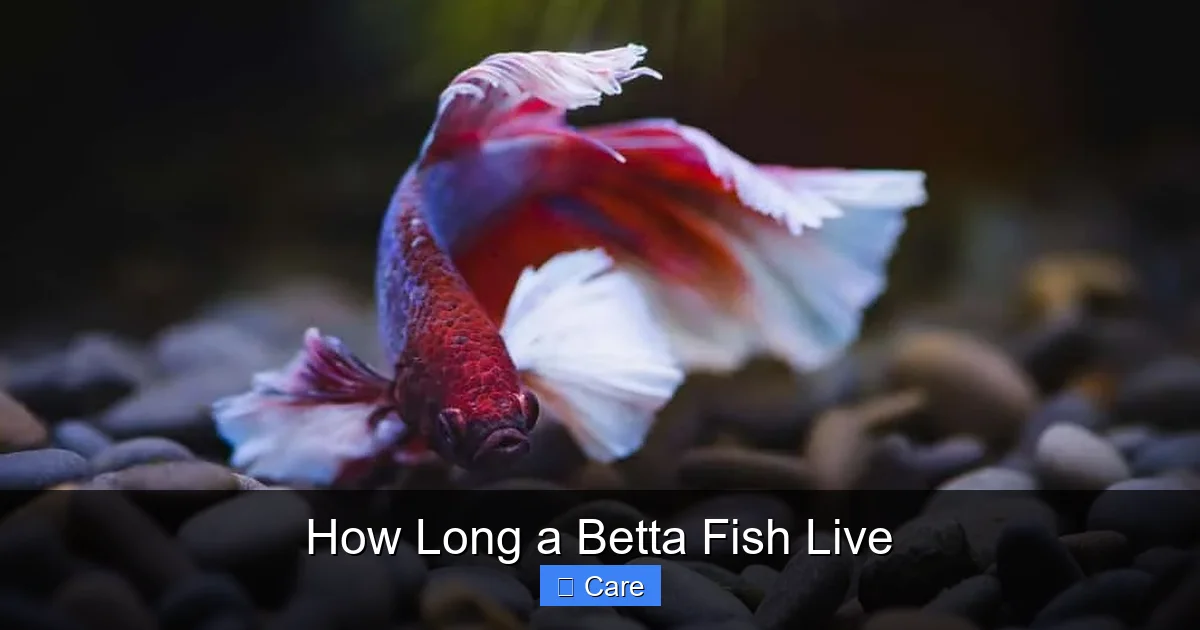
How Long a Betta Fish Live
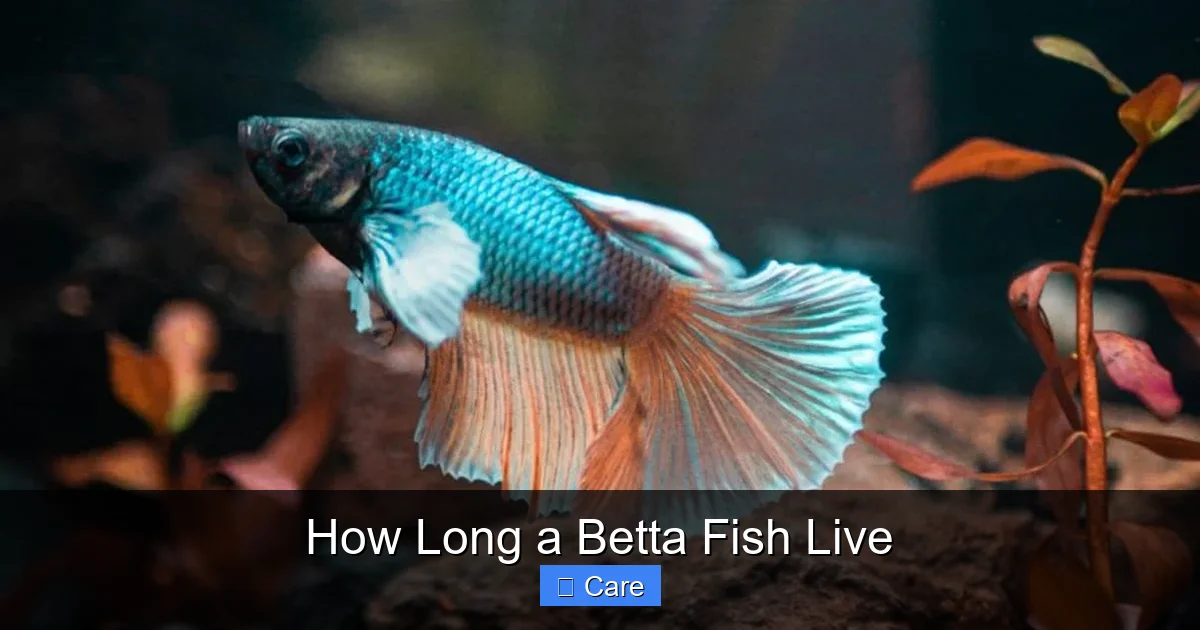
Betta fish can live anywhere from two to five years, with proper care extending their life to even seven years. Water quality, diet, and tank setup are the biggest influencers, so mastering these basics will give your finned friend the best chance at a long, healthy life.
Key Takeaways
- Typical lifespan: Most bettas live 2‑5 years; exceptional care can push it to 7 years.
- Water quality matters most: Stable temperature, proper filtration, and regular water changes are vital.
- Nutrition is key: A balanced diet of high‑quality pellets, occasional live foods, and proper feeding frequency keep them healthy.
- Tank size & environment: A 5‑gal (or larger) tank with plants and hiding spots reduces stress and disease.
- Genetics & gender: Males often live slightly longer than females; healthy breeding stock adds years.
- Regular health checks: Spotting early signs of disease can add precious months.
- Stress reduction: Avoid over‑crowding, aggressive tank mates, and sudden changes in water parameters.
📑 Table of Contents
Introduction
When you first see a betta fish’s vivid fins and confident swagger, it’s easy to think they’re a low‑maintenance pet that will live forever. The truth is a bit more nuanced. Like any living creature, a betta’s lifespan depends on a mix of genetics, environment, and the care you provide. In this guide we’ll answer the question “how long a betta fish live?” and give you practical steps to help your fish reach the upper end of its potential.
We’ll break down the science behind betta longevity, explore the biggest factors that can shorten or extend their lives, and share everyday tips that even a beginner can follow. By the end, you’ll feel confident that your betta can thrive for years—not just months.
1. What Is the Average Lifespan?
Typical range
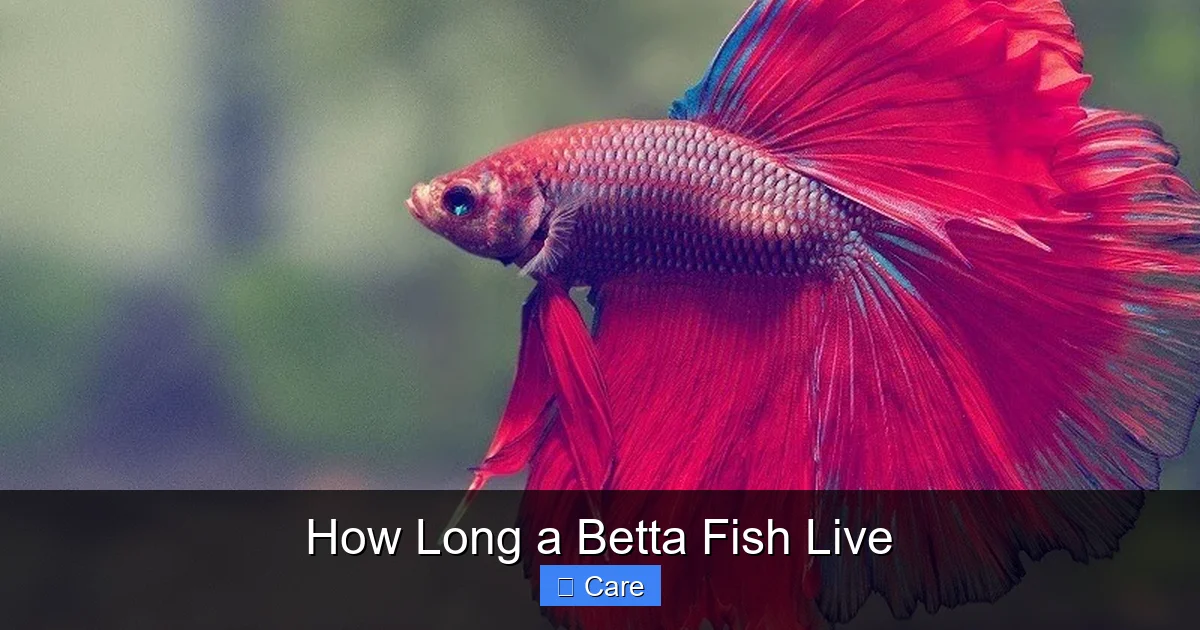
Most betta fish live between 2 and 5 years. In a well‑maintained 5‑gallon (or larger) tank with clean water and a proper diet, many owners report lifespans of 4‑5 years. A few exceptional cases have reached 7 years, but these are outliers that benefit from meticulous care.
Visual guide about How Long a Betta Fish Live
Image source: petsofun.com
Why the wide range?
The variation comes from three main sources: genetics, environment, and human error. Wild‑type bettas (the ones you might see in nature) often have shorter lives due to harsher conditions, while captive‑bred lines selected for health can live longer.
2. Water Quality – The Single Most Important Factor
Temperature stability
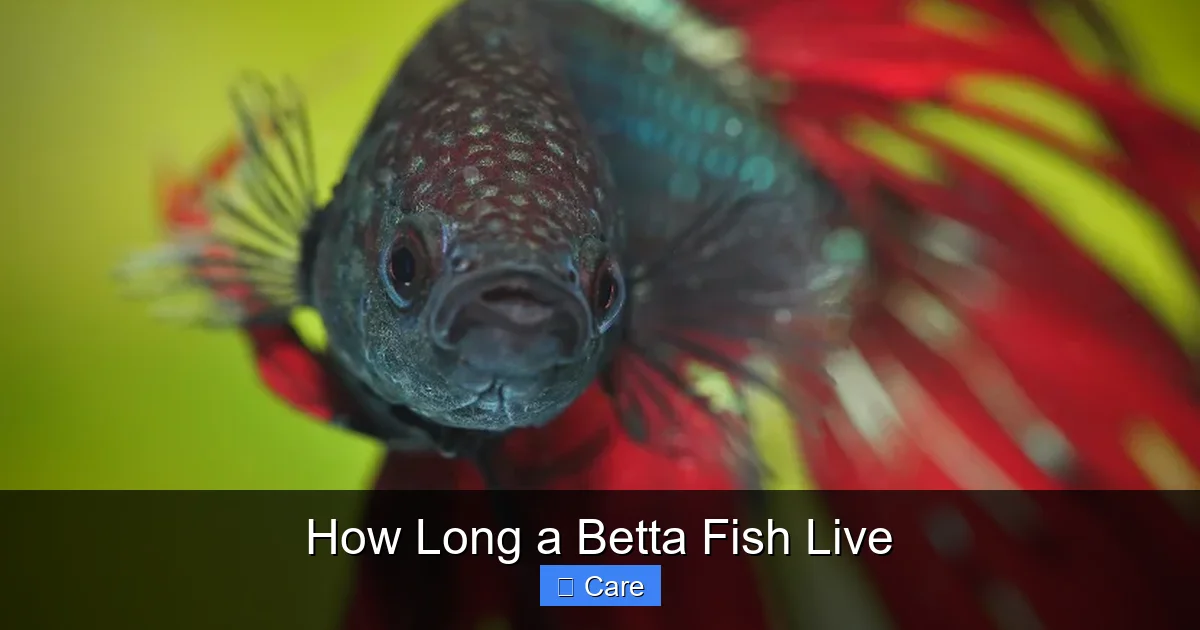
Betta fish are tropical and love warm water. Keep the tank between 76°F and 82°F (24°C‑28°C). Fluctuations larger than 2‑3°F cause stress, which can shorten lifespan.
Visual guide about How Long a Betta Fish Live
Image source: japanesefightingfish.org
Filtration and ammonia control
Even though bettas can survive in small, unfiltered bowls, a gentle filter dramatically improves water quality and reduces the risk of ammonia spikes. Use a sponge filter set to a low flow to avoid stressing the fish.
Regular water changes
Change 25‑30% of the water weekly. This removes dissolved waste and keeps nitrate levels low. If you’re using a larger tank, a 20% change every two weeks works as well.
Testing water parameters
Invest in a simple test kit. Aim for pH 6.5‑7.5, GH 3‑8 dGH, and KH under 5 dKH. Consistency is more important than hitting exact numbers.
3. Nutrition – Feeding for Longevity
Balanced diet basics
High‑quality betta pellets should be the staple. Look for products with at least 40% protein and minimal fillers. Feed 2‑3 pellets once or twice daily, enough that they’re eaten within two minutes.
Visual guide about How Long a Betta Fish Live
Image source: aquariadise.com
Supplemental foods
Live or frozen foods like brine shrimp, daphnia, and bloodworms provide essential fatty acids and variety. Offer these once or twice a week as a treat.
Overfeeding dangers
Too much food leads to constipation, bloating, and poor water quality. If you notice your betta’s belly swelling, cut back on portions and consider a fasting day.
Link to related topic
For more on feeding schedules, see our guide on how often should u feed a betta fish.
4. Tank Size and Environment
Why a 5‑gallon tank is ideal
While bettas can survive in tiny bowls, a 5‑gallon (or larger) tank provides stable water chemistry, more swimming space, and room for live plants. This reduces stress and disease risk.
Live plants and décor
Live plants like Java fern, Anubias, and Marimo moss improve water quality and give your fish places to hide. Avoid sharp décor that can tear delicate fins.
Lighting and day/night cycle
Provide 8‑10 hours of gentle light each day. Betta fish need a dark period to rest; constant light can stress them and affect sleep patterns.
Link to tank setup guide
Need help designing the perfect habitat? Check out how to set up a tank for a betta fish for step‑by‑step instructions.
5. Health Monitoring and Early Warning Signs
Common health issues
- Fin rot: White, frayed edges on fins; treat with a mild antibacterial medication.
- Ich: White spots; raise temperature slightly and add a copper‑based treatment.
- Swim bladder disease: Erratic swimming; adjust diet and avoid overfeeding.
Regular checks
Spend a few minutes each day observing your betta. Look for loss of color, ragged fins, or lethargy. Early detection can add months to their life.
When to seek professional help
If symptoms persist after 48‑72 hours of treatment, consider consulting a vet who specializes in fish.
6. Genetics, Gender, and Breeding
Male vs. female lifespan
Male bettas often live slightly longer (up to 5 years) because they are generally more robust. Females may have a shorter average lifespan due to the stress of egg production, especially if they are kept in groups.
Choosing healthy stock
Buy from reputable breeders who can provide health histories. Avoid fish with torn fins, cloudy eyes, or visible parasites.
Breeding considerations
Breeding can shorten a betta’s life if not managed carefully. Provide separate breeding tanks, proper nutrition, and limit the number of spawnings per year.
7. Extending the Lifespan – Practical Tips
Routine maintenance schedule
- Daily: Feed, check temperature, observe behavior.
- Weekly: 25% water change, clean substrate, test water.
- Monthly: Deep clean filter, prune plants, inspect equipment.
Stress reduction strategies
Keep the tank in a quiet area, avoid rapid temperature changes, and limit handling. Use a lid to prevent sudden drafts.
Supplemental care
Consider adding a small dose of aquarium salt (1 g per 10 gal) once a month to boost immune function, especially during colder months.
Conclusion
Understanding how long a betta fish live isn’t just about numbers; it’s about the quality of those years. By focusing on stable water conditions, a balanced diet, a suitably sized tank, and vigilant health monitoring, you can help your betta reach the upper end of its natural lifespan—often 4‑5 years, sometimes even 7. Remember, every small improvement you make adds up, turning a short‑lived novelty into a rewarding, long‑term companion.
Frequently Asked Questions
How many years can a betta fish typically live?
Most bettas live between 2 and 5 years. With optimal care, some can reach 6‑7 years.
Can water temperature affect a betta’s lifespan?
Yes. Keeping the water between 76°F‑82°F (24°C‑28°C) reduces stress and helps the fish live longer.
What is the best tank size for a betta?
A minimum of 5 gallons is recommended. Larger tanks provide more stable water parameters and space for plants.
How often should I change the water?
Change 25‑30% of the water weekly, or 20% every two weeks in a larger tank.
Can a betta survive without food for a long time?
Betas can survive up to two weeks without food, but regular feeding is essential for health. See our article on how long can a betta fish live without food for details.
Do male bettas live longer than females?
Generally, males tend to live a bit longer, but proper care is the biggest factor for both genders.