How Long Are Betta Fish Pregnant

Betta fish pregnancy lasts about 24‑30 days, but spotting the signs early can make all the difference. This guide walks you through each stage, from spotting a gravid belly to caring for newborn fry, so you can raise strong, vibrant bettas with confidence.
Key Takeaways
- Pregnancy length: Betta fish are typically pregnant for 24‑30 days.
- Early signs: A swollen abdomen, darker coloration, and increased appetite signal gravid females.
- Fry preparation: A separate breeding tank with fine‑leaf plants or a marbles “nest” is essential.
- Egg laying: Females release 200‑300 eggs; males fertilize them within minutes.
- Fry care: Feed infusoria or microworms for the first week, then graduate to brine shrimp.
- Water quality: Keep temperature 78‑80°F and perform daily 20‑30% water changes.
- Common mistakes: Over‑feeding the female or using a cramped tank can stunt fry development.
📑 Table of Contents
- Introduction: Why Knowing the Pregnancy Timeline Matters
- 1. The Biology Behind Betta Pregnancy
- 2. Spotting the Signs: Is Your Betta Pregnant?
- 3. Preparing the Breeding Environment
- 4. The Spawning Process
- 5. Caring for the Fry
- 6. Common Mistakes and How to Avoid Them
- Conclusion: Your Roadmap to Successful Betta Breeding
Introduction: Why Knowing the Pregnancy Timeline Matters
If you’ve ever watched a beautiful male betta flare his fins and wondered how that gorgeous fish became a parent, you’re not alone. Betta fish are famous for their vivid colors and dramatic displays, but many hobbyists forget that the females carry a hidden secret – a pregnancy that can last up to a month. Knowing how long are betta fish pregnant helps you provide the right environment, avoid stress, and give the fry the best start in life.
In this friendly, step‑by‑step guide we’ll break down every phase of the betta gestation period, share practical tips for spotting the signs, and explain how to set up a safe nursery. By the end, you’ll feel like a seasoned breeder, ready to enjoy the miracle of betta fry.
1. The Biology Behind Betta Pregnancy
What “Pregnant” Means for a Betta
Betta fish are live‑bearers, meaning the female carries fertilized eggs inside her body until they are ready to hatch. The term “pregnant” is a layperson’s way of describing this internal gestation. Unlike mammals, there is no placenta; the embryos absorb nutrients directly from the yolk sac.
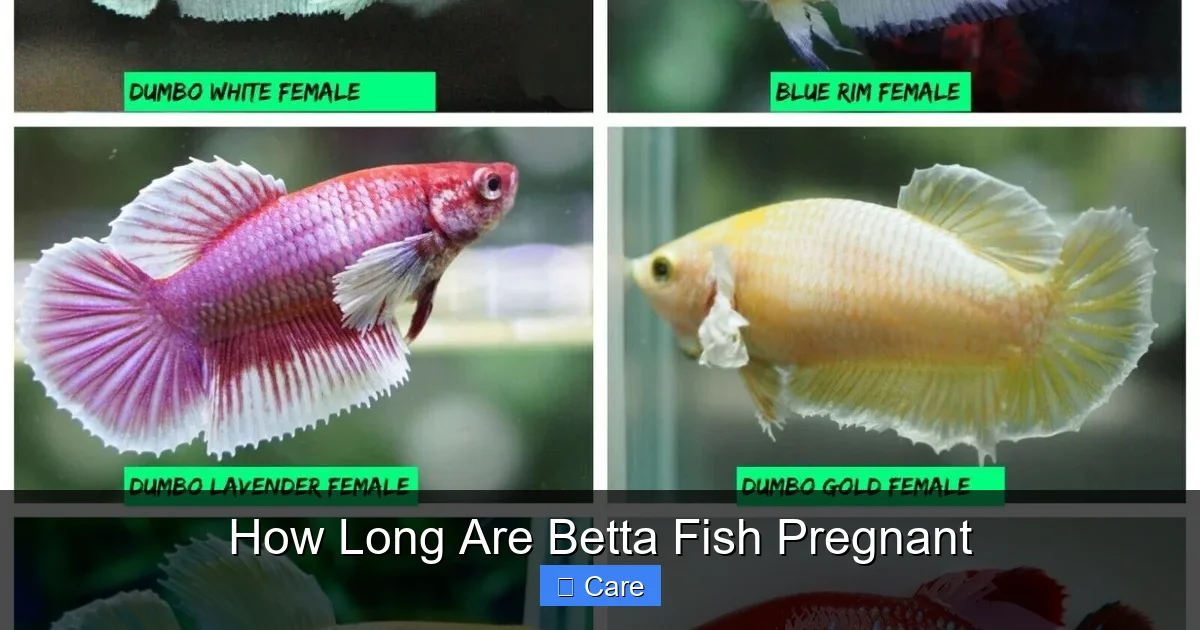
Visual guide about How Long Are Betta Fish Pregnant
Image source: i.ebayimg.com
Typical Duration: 24‑30 Days
Most experts agree that how long are betta fish pregnant ranges from 24 to 30 days, depending on temperature, water quality, and the health of the parents. Warmer water (78‑80°F) speeds development, while cooler water can extend the gestation up to 35 days.
Temperature’s Role
- 78‑80°F (25‑27°C) = 24‑28 days
- Below 75°F (24°C) = 30‑35 days
Keeping a stable temperature not only shortens the timeline but also reduces stress, which can cause the female to abort the brood.
2. Spotting the Signs: Is Your Betta Pregnant?
Physical Changes to Watch For
Female bettas give clear visual clues when they are pregnant. Look for these hallmarks:
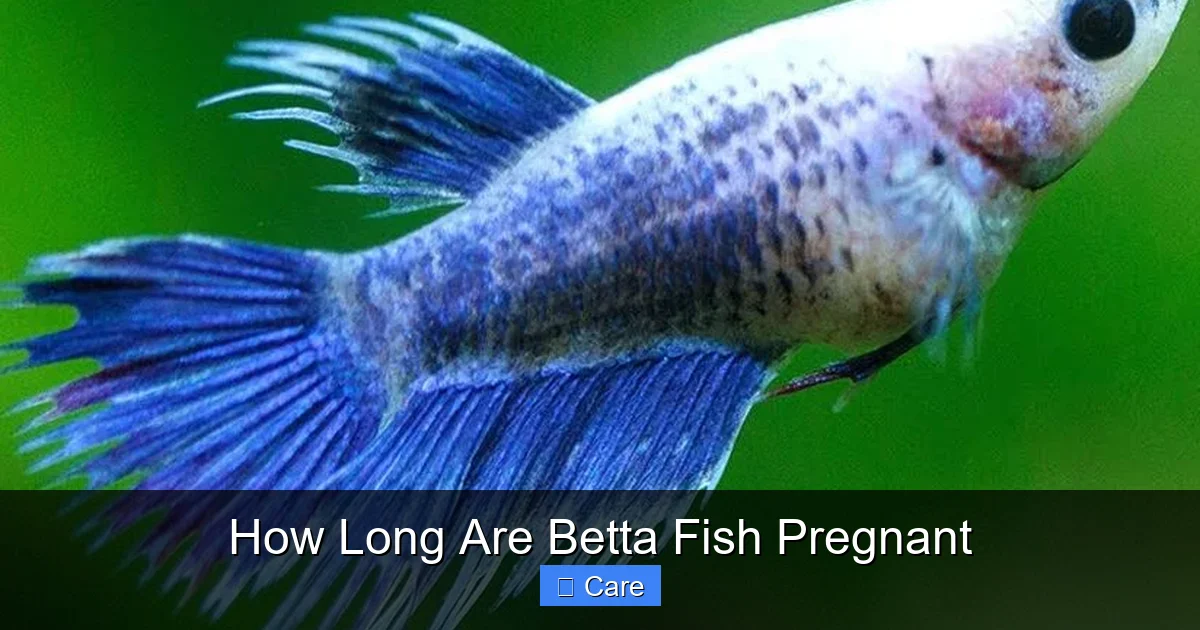
Visual guide about How Long Are Betta Fish Pregnant
Image source: animalslog.com
- Swollen abdomen: The belly becomes rounded and firm, often called a “gravid belly.”
- Darker coloration: Many females deepen in hue, especially around the vent area.
- Increased appetite: Pregnant females may eat more to fuel the developing fry.
- Behavioral shifts: She may become more reclusive, hiding among plants or decorations.
When to Confirm Pregnancy
If you notice a swollen belly and the other signs together, you can be fairly confident that how long are betta fish pregnant is now counting down. For absolute certainty, refer to our guide on how can you tell if your betta fish is pregnant. That article walks you through a quick visual checklist.
3. Preparing the Breeding Environment
Why a Separate Breeding Tank?
Even though you know how long are betta fish pregnant, the female still needs a safe space to give birth. A dedicated breeding tank prevents the male from harming the fry and allows you to control water parameters.

Visual guide about How Long Are Betta Fish Pregnant
Image source: animalslog.com
Setting Up the Tank
- Size: 5‑10 gallons is ideal.
- Substrate: Fine sand or no substrate at all to keep fry from getting trapped.
- Cover: A lid with a small opening for airflow; bettas like to breathe surface air.
- Plants: Use Java moss, Anubias, or a “marbles nest” to give fry places to hide.
- Heater: Maintain 78‑80°F consistently.
For a deeper dive on tank setup, check out how to set up a tank for a betta fish. The article includes step‑by‑step photos that make the process a breeze.
Conditioning the Parents
Feed both male and female high‑quality betta pellets, frozen or live foods like brine shrimp, for at least a week before breeding. This boosts their health and improves the chances of a successful spawn.
4. The Spawning Process
Male’s Role: Building the Bubble Nest
The male betta will create a bubble nest on the water’s surface. This is his “nursery” for the eggs. A healthy nest looks fluffy, white, and stable. If the nest collapses, the breeding pair may need to be re‑conditioned.
Egg Laying and Fertilization
When the female is ready, the male will gently nudge her to release eggs. She can lay anywhere from 200 to 300 eggs, depending on size and age. The male then fertilizes each egg as it falls, collecting them in the bubble nest.
Timing the Hatch
From the moment the eggs are fertilized, expect the hatch to occur within 48‑72 hours if the temperature is stable. This is the most exciting part of the timeline for anyone asking how long are betta fish pregnant—the answer is “almost there!”
5. Caring for the Fry
First 24 Hours: No Feeding
Newly hatched fry rely on a yolk sac for nutrition. Do not feed them during this period; keep the water clean and maintain temperature.
Day 2‑5: Introducing Infusoria
Start feeding infusoria (tiny protozoa) using a syringe or turkey baster. Feed a few drops 2‑3 times a day. The fry will begin to swim more actively as they consume the microscopic food.
Day 6‑10: Transition to Microworms and Brine Shrimp
As the fry grow, graduate them to microworms, then newly hatched brine shrimp. This progression mirrors natural development and ensures they get enough protein.
Water Maintenance
- Perform 20‑30% water changes daily for the first week.
- Use a gentle filter or sponge to avoid sucking up fry.
- Keep temperature steady; a sudden drop can be fatal.
Sexing the Fry
After about 4‑6 weeks, you can start to differentiate males from females. Males develop longer, more pointed fins, while females retain shorter, rounded fins. For a full guide, see how to tell if betta fish are male or female.
6. Common Mistakes and How to Avoid Them
Over‑Feeding the Pregnant Female
While a pregnant betta needs extra nutrition, over‑feeding can lead to constipation and poor water quality, both of which can shorten the gestation period or cause the female to abort the brood.
Using a Crowded Tank
A small or heavily stocked tank raises stress levels and can extend the timeline of how long are betta fish pregnant. Always provide ample space for the female to swim freely.
Ignoring Water Parameters
Fluctuating pH, temperature, or ammonia spikes are the biggest culprits behind failed spawns. Test water daily and use a reliable heater.
Not Removing the Male After Spawning
Male bettas can become aggressive toward their own fry. Once the eggs are safely in the bubble nest, move the male to a separate tank or remove him entirely.
Conclusion: Your Roadmap to Successful Betta Breeding
Now that you know exactly how long are betta fish pregnant—roughly 24‑30 days—you can plan each step with confidence. From spotting the early signs to preparing a dedicated breeding tank, from the thrilling moment of hatching to the careful feeding of fragile fry, every stage is manageable with the right knowledge.
Remember to keep water conditions stable, feed appropriately, and give your betta parents a stress‑free environment. With patience and attention, you’ll soon be holding a batch of healthy, vibrant fry that could become the next generation of show‑stopping bettas.
Frequently Asked Questions
How can I tell if my betta fish is pregnant?
Look for a swollen, firm abdomen, darker coloration, and an increased appetite. A combination of these signs usually indicates pregnancy.
What temperature is best for betta fish pregnancy?
Maintain water between 78‑80°F (25‑27°C). This range supports a 24‑28 day gestation period and promotes healthy fry development.
Do I need a separate tank for the fry?
Yes. A dedicated 5‑10 gallon breeding tank prevents the male from harming the fry and lets you control water quality more easily.
When should I start feeding the fry?
Fry rely on their yolk sac for the first 24 hours. Begin feeding infusoria on day two, then graduate to microworms and brine shrimp as they grow.
Can I keep the male betta with the fry?
It’s safest to remove the male after spawning. Male bettas often see the fry as food and may attack them.
How long can betta fry stay without food?
Fry can survive on their yolk sac for about 24‑36 hours after hatching. After that, they need a steady supply of microscopic food like infusoria.