How to Make Betta Fish Happy
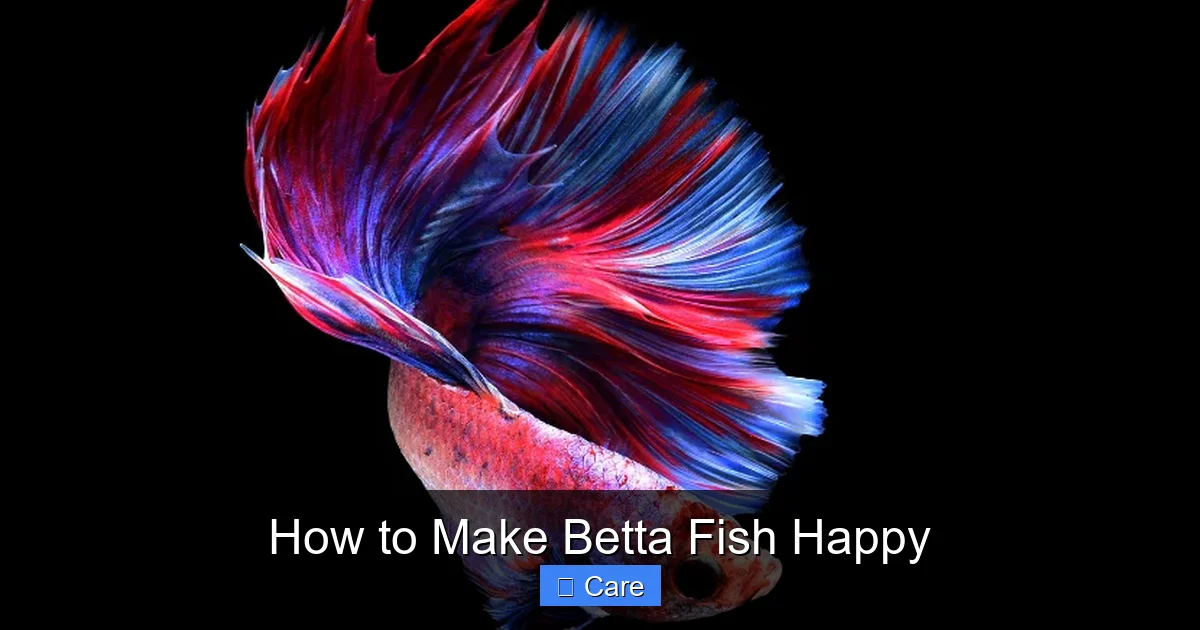
Want a thriving, smiling betta? Follow our step‑by‑step guide on tank setup, feeding, enrichment, and health checks. Happy bettas live longer and show dazzling colors.
Key Takeaways
- Proper tank size: A minimum of 5 gallons gives your betta room to explore and reduces stress.
- Clean water: Weekly water changes and a reliable filter keep ammonia low and fish healthy.
- Balanced diet: Mixing high‑quality pellets, frozen foods, and occasional veggies provides essential nutrients.
- Enrichment matters: Plants, caves, and gentle currents simulate a natural environment and prevent boredom.
- Health monitoring: Spotting early signs of disease lets you act fast and keep your betta happy.
- Social considerations: Betta are solitary; avoid aggressive tank mates but can enjoy visual companions.
- Consistent routine: Regular feeding, lighting, and maintenance create a predictable, stress‑free world for your fish.
📑 Table of Contents
- Introduction: Why a Happy Betta Matters
- 1. The Perfect Home: Tank Size, Shape, and Setup
- 2. Feeding for Joy: Nutrition That Delights
- 3. Enrichment: Keeping Your Betta Mentally Stimulated
- 4. Health Checks: Spotting Problems Early
- 5. Social Life: Understanding Betta Behavior
- Conclusion: Your Betta’s Path to Happiness
Introduction: Why a Happy Betta Matters
Betta fish, also called Siamese fighting fish, are famous for their bright colors and flowing fins. Many newcomers think they can thrive in tiny bowls, but a happy betta needs more than a splash of water. When you understand how to make betta fish happy, you’ll see stronger colors, more active behavior, and a longer lifespan. This guide walks you through everything—from the perfect tank to daily enrichment—so your betta feels safe, stimulated, and truly content.
Think of it like caring for a small pet dog. You wouldn’t keep a dog in a closet, right? The same principle applies to bettas. The right environment, proper nutrition, and mental stimulation are the three pillars of happiness. Let’s dive in and build a world where your betta can thrive.
1. The Perfect Home: Tank Size, Shape, and Setup
Why Bigger Is Better
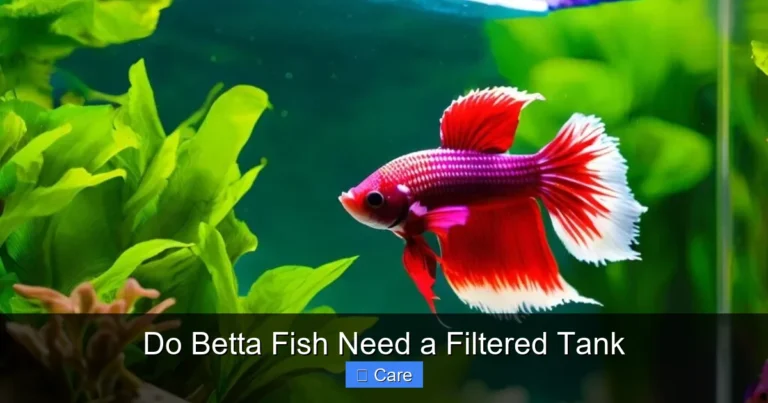
Betta fish love to explore. A 5‑gallon tank gives them space to swim, chase bubbles, and perform natural behaviors. Anything smaller traps them, raises stress hormones, and can cause fin rot. The rule of thumb: 1 gallon per inch of betta length, with a minimum of 5 gallons.
Visual guide about How to Make Betta Fish Happy
Image source: japanesefightingfish.org
Choosing the Right Tank
- Glass vs. acrylic: Both work, but acrylic is lighter and less likely to break.
- Shape: Long, narrow tanks are ideal because they provide more surface area for oxygen exchange.
- Cover: Bettas can jump, so a secure lid or mesh is essential.
Water Parameters: The Foundation of Happiness
Stable water conditions are the backbone of a happy betta. Aim for:
- Temperature: 76‑82°F (24‑28°C)
- pH: 6.5‑7.5
- Hardness: 3‑4 dGH
- Ammonia & nitrite: 0 ppm
- Nitrate: < 20 ppm
Use a reliable aquarium heater and a thermometer to keep temperature steady. Test kits should be checked weekly.
Filtration Without the Stress
Bettas are not strong swimmers, so a strong current can exhaust them. Choose a low‑flow sponge filter or a hang‑on‑back (HOB) filter with an adjustable flow rate. Set the flow to “gentle” and place a driftwood or plant to break up the current.
Decor and Plants: Natural Hideouts
Live plants like Java fern, Anubias, and Marimo moss balls provide surface area for beneficial bacteria and create hiding spots. If live plants are not possible, silk or nylon plants work well—avoid plastic leaves that can tear delicate fins.
Include caves, PVC pipes, or smooth rocks for your betta to claim as territory. Arrange decorations so there are open swimming lanes and shaded corners.
2. Feeding for Joy: Nutrition That Delights
Understanding Betta Diets
In the wild, bettas eat insects and larvae. In captivity, a high‑protein diet mimics this. Look for pellets that list “betta” or “tropical fish” as the first ingredient and contain at least 40 % protein.
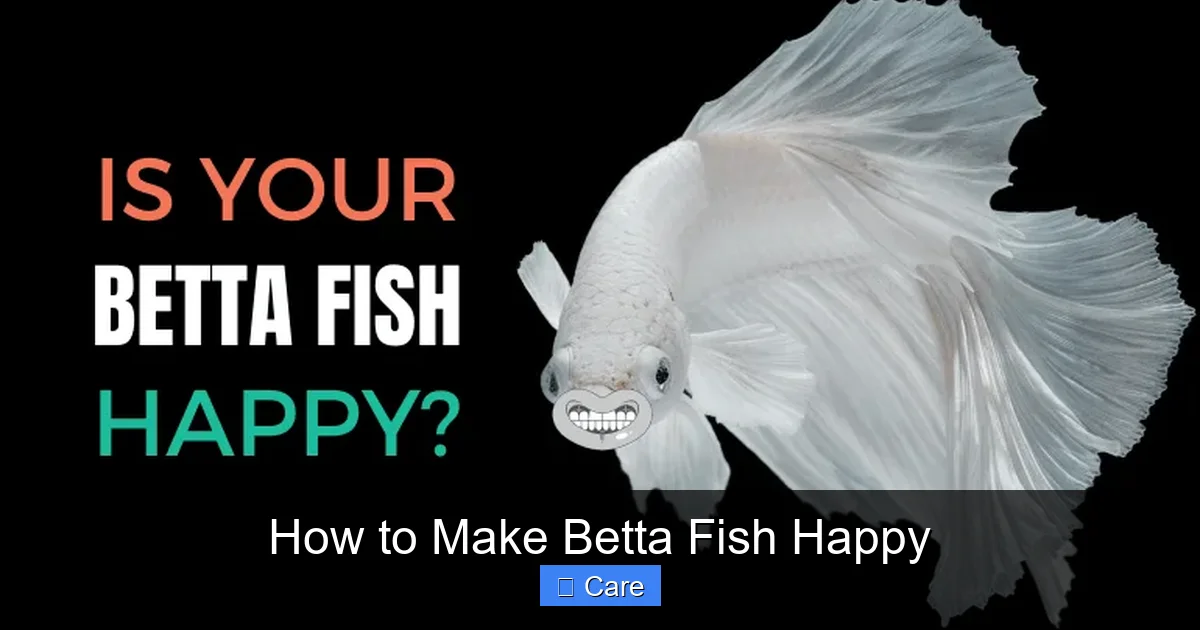
Visual guide about How to Make Betta Fish Happy
Image source: japanesefightingfish.org
Meal Plan: What, When, How Much
- Morning: 2‑3 pellets (or a pinch of frozen bloodworms)
- Evening: Same amount, or a small piece of daphnia
- Frequency: 2 meals per day, 5‑6 days a week. Skip feeding on the 7th day to clear the gut.
Always use a feeding cup or tweezers to avoid over‑feeding. Excess food clouds water and spikes ammonia.
Supplemental Treats
Frozen or freeze‑dried foods add variety and essential nutrients:
- Bloodworms – rich in protein and iron.
- Daphnia – great for digestive health.
- Brine shrimp – excellent for color enhancement.
Thaw treats in a cup of tank water before offering, and remove any uneaten pieces within two minutes.
Vegetable Options
While bettas are carnivores, occasional plant matter helps with digestion. Blanched peas (shelled) or sliced zucchini can be offered once a week.
Signs of a Satisfied Appetite
A happy betta will actively chase food, gulp it quickly, and show no leftover pellets after a few minutes. If food is ignored, check water quality or consider a diet change.
3. Enrichment: Keeping Your Betta Mentally Stimulated
Why Enrichment Is Crucial
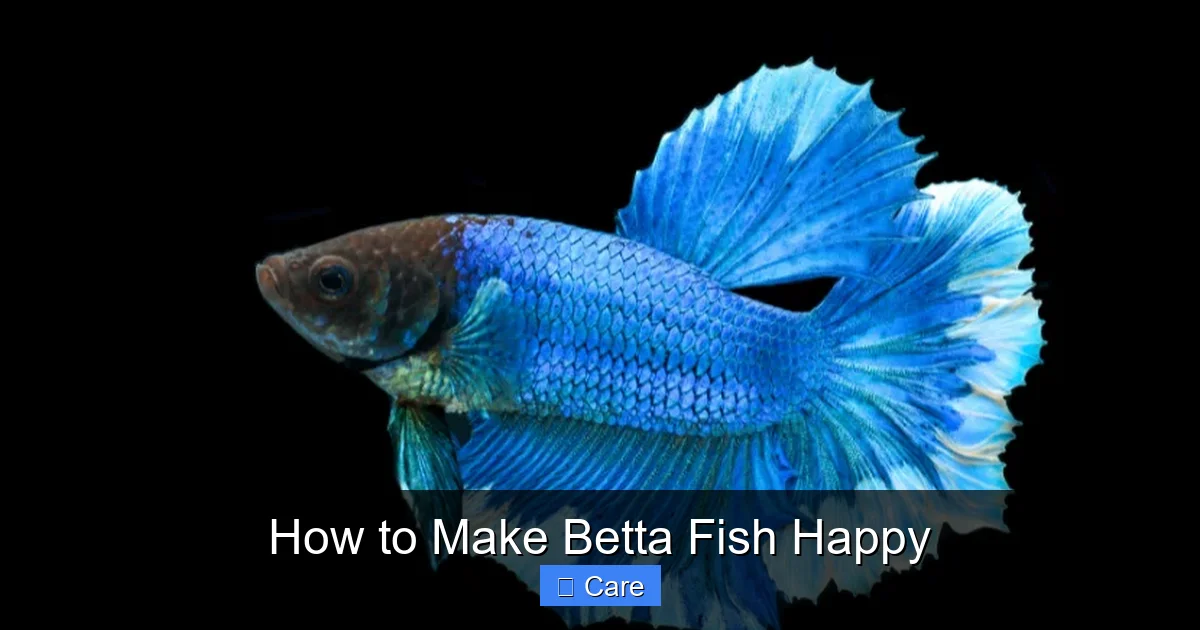
Betta fish are intelligent and curious. Boredom can lead to faded colors, frayed fins, and even depression‑like behavior. Simple enrichment mimics the challenges they would face in the wild.
Visual guide about How to Make Betta Fish Happy
Image source: tankarium.com
Interactive Toys and Objects
- Floating mirrors: A small mirror for a few minutes each day triggers natural display behavior, boosting confidence.
- Bubble walls: An air stone creates gentle bubbles that encourage the betta to chase and exercise.
- Ping‑pong balls: A lightweight, smooth ball can roll across the tank, providing a moving target.
Changing the Landscape
Every 2‑3 weeks, rearrange plants or move a cave. The new layout offers fresh exploration opportunities and prevents territorial stagnation.
Training Simple Tricks
Betas can learn to follow a finger or swim through a hoop. Use a small stick to guide them, reward with a pellet, and repeat daily for short sessions (2‑3 minutes). Training builds trust and mental sharpness.
Lighting and Day/Night Cycle
Provide 10‑12 hours of gentle LED light daily, followed by a dark period. Sudden changes stress fish, so use a timer. A natural dusk/dawn effect can be simulated with a dimmer.
4. Health Checks: Spotting Problems Early
Daily Observation Checklist
- Swim pattern – should be steady, not erratic.
- Fin condition – look for ragged edges or clamped fins.
- Color vibrancy – bright colors indicate good health.
- Appetite – consistent eating shows comfort.
- Breathing – smooth gill movement, no rapid flaring.
Common Betta Ailments
Fin rot: White or black edges on fins. Treat with a mild antibacterial dip.
Ich: White “salt‑and‑pepper” spots. Raise temperature to 84°F and add a copper‑based medication.
Swim bladder disease: Floating upside down. Adjust diet, avoid over‑feeding, and consider fasting for 24 hours.
Preventive Measures
- Maintain water changes (25 % weekly).
- Quarantine new plants or decorations for 2 weeks.
- Use a water conditioner that removes chlorine and chloramine.
- Never use soap or chemicals near the tank.
When to Seek Professional Help
If symptoms persist after a week of treatment, or if your betta stops eating altogether, consult a veterinarian experienced with fish or a reputable aquarium store.
5. Social Life: Understanding Betta Behavior
Solitary Nature Explained
Male bettas are territorial and will fight if housed with another male. Females can live in sororities (3‑5 females) if the tank is spacious and heavily planted. However, many hobbyists keep a single male for simplicity.
Visual Companions Without Conflict
Placing a small, non‑aggressive fish (like a neon tetra) in a separate but visible tank can provide visual stimulation. Ensure the neighboring tank has a solid barrier to prevent water exchange.
Handling and Interaction
When you need to move your betta, use a soft net and avoid sudden splashes. Talk gently; bettas can recognize their keeper’s presence and may become more relaxed with regular, calm interaction.
Seasonal Adjustments
During breeding season (spring), males become more flamboyant and may display more aggressively. Keep the environment stable, and avoid adding new tank mates during this time.
Conclusion: Your Betta’s Path to Happiness
Making betta fish happy isn’t a mystery—it’s a combination of proper tank size, clean water, balanced nutrition, mental enrichment, and attentive health care. By following the steps outlined above, you’ll create a vibrant, stress‑free home where your betta can show off its natural colors and lively personality. Remember, a happy betta is a healthy betta, and the joy you see in those flowing fins is a direct reflection of the love and care you provide.
So set up that 5‑gallon oasis, feed a varied diet, add a few plants, and watch your betta flourish. Happy bettas make happy owners—let the journey begin!
Frequently Asked Questions
What is the minimum tank size for a betta?
A 5‑gallon tank is the smallest recommended size. Anything less can cause stress and health problems.
Can I keep a betta with other fish?
Male bettas should be kept alone. Females can live in a small sorority if the tank is heavily planted and at least 10 gallons.
How often should I change the water?
Change 20‑25 % of the water weekly and perform a full water change every 4‑6 weeks, always using a water conditioner.
What foods should I avoid feeding my betta?
Avoid bread, human food, and low‑protein flakes. These can cause constipation and poor water quality.
Why does my betta hide most of the day?
Hiding can be normal, especially after a new tank setup. Ensure water parameters are stable and provide plenty of hiding spots.
Is a heater necessary for a betta?
Yes. Bettas are tropical fish and need a stable temperature between 76‑82°F. A reliable aquarium heater prevents temperature swings.