How Do You Change Betta Fish Water
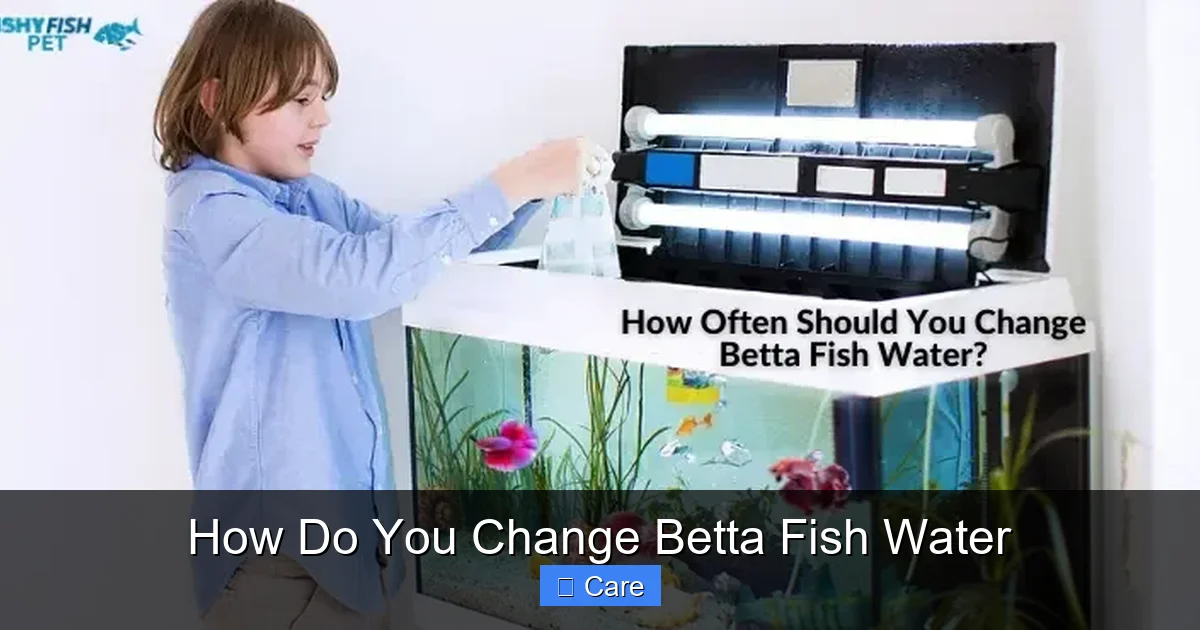
Changing betta fish water doesn’t have to be stressful. Follow this friendly guide to master water swaps, choose the right water, and keep your finned friend thriving. Simple tools, a few minutes, and consistent routine are all you need.
Key Takeaways
- Frequency matters: Most bettas need a 25‑30% water change once a week.
- Condition the water: Always use dechlorinated, temperature‑matched water.
- Gentle tools work best: A small siphon or a cup avoids stress.
- Watch the parameters: Keep temperature, pH, and hardness consistent.
- Clean, don’t replace everything: Only replace part of the water to preserve beneficial bacteria.
- Observe your betta: A happy fish shows bright colors and active swimming after a change.
- Keep a routine: Regular water swaps prevent ammonia spikes and disease.
📑 Table of Contents
- Why Changing Betta Fish Water Is Crucial
- How Often Should You Change Betta Fish Water?
- Gathering Your Supplies
- Step‑by‑Step: How Do You Change Betta Fish Water?
- Choosing the Right Water for Your Betta
- Common Mistakes and How to Avoid Them
- Signs Your Betta Is Happy After a Water Change
- Putting It All Together: A Weekly Routine
- Conclusion
Why Changing Betta Fish Water Is Crucial
Betta fish are hardy, but they are not immune to poor water quality. Even in a small bowl, waste builds up fast. Ammonia, nitrite, and excess food particles can cloud the water and stress your betta, leading to dull colors, loss of appetite, or illness.
Regular water changes dilute these toxins, refresh the oxygen level, and keep the temperature stable. Think of it like giving your betta a fresh glass of water every few days – it feels better, looks brighter, and lives longer.
How Often Should You Change Betta Fish Water?
Weekly 25‑30% Changes
For most bettas kept in a 2‑5 gallon tank, a 25‑30% water change once a week strikes the right balance. It removes enough waste without wiping out the beneficial bacteria that help process ammonia.
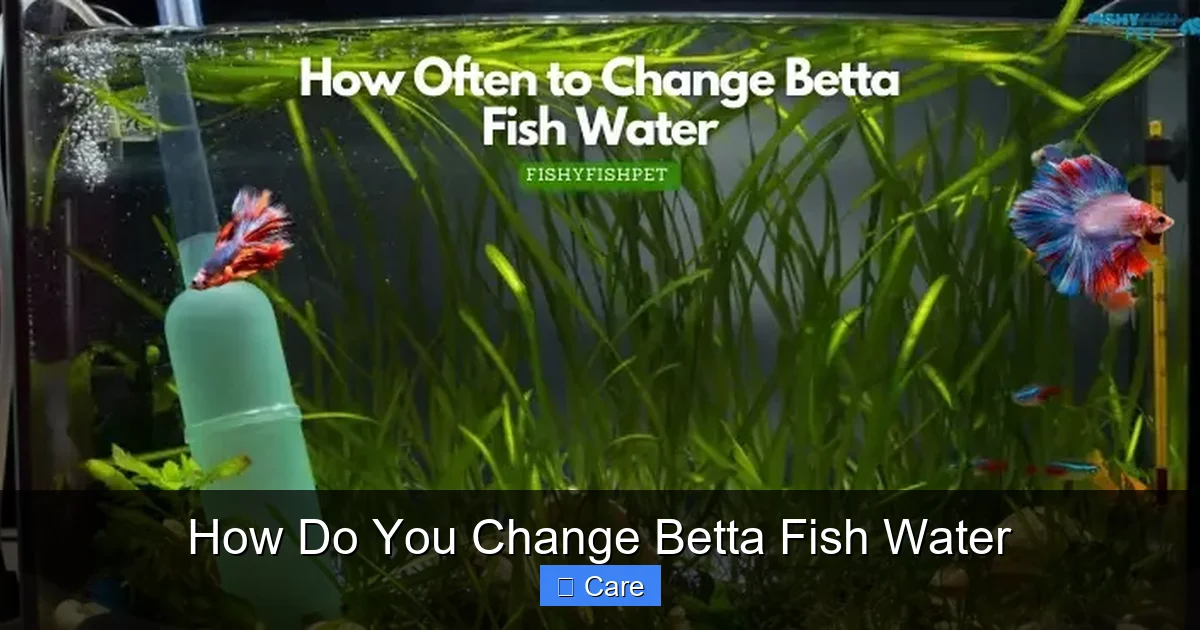
Visual guide about How Do You Change Betta Fish Water
Image source: fishyfishpet.com
When to Adjust the Schedule
- Heavy feeding: If you feed more than twice a day, consider a 10‑15% change mid‑week.
- Live plants: Plants absorb nitrates, so you might stretch to bi‑weekly changes.
- Signs of stress: Cloudy water, lingering odor, or a sluggish betta mean it’s time for a change, even if you’re ahead of schedule.
For a deeper dive on timing, see our article on how often change water for betta fish.
Gathering Your Supplies
What You’ll Need
- Siphon or small cup: A 100‑ml aquarium siphon works well; a clean cup is fine for bowls.
- Water conditioner: Removes chlorine and chloramine.
- Thermometer: Ensures new water matches tank temperature.
- Bucket or container: Dedicated to aquarium use only.
- Gravel vacuum (optional): Helps pull debris from the substrate.
All of these items can be found at any pet store or online. The key is to keep everything clean to avoid introducing pathogens.
Visual guide about How Do You Change Betta Fish Water
Image source: animalslog.com
Step‑by‑Step: How Do You Change Betta Fish Water?
1. Prepare Conditioned Water
Fill a clean bucket with tap water that matches the tank’s temperature (usually 76‑80°F/24‑27°C). Add the recommended dose of water conditioner and stir gently. Test the temperature with a thermometer; adjust with a little hot or cold water if needed.

Visual guide about How Do You Change Betta Fish Water
Image source: wikihow.com
2. Turn Off Equipment
If you have a filter, turn it off to prevent suction on the betta during the water removal. This also protects the filter media from being disturbed.
3. Remove the Old Water
Place the siphon in the tank, aiming at the gravel where debris settles. Gently start the flow and let about 25‑30% of the water drain into your bucket. If you’re using a cup, slowly scoop water from the middle of the tank, avoiding the surface where your betta may be swimming.
4. Clean the Substrate (Optional)
While the water is draining, use the siphon’s vacuum tube to lift a small amount of gravel. The water will swirl through the gravel, pulling out waste. Do not remove all the substrate – just a light cleaning.
5. Add the New Water
Slowly pour the conditioned water back into the tank, aiming at the side to avoid creating a strong current. This helps the betta feel less startled.
6. Restart the Filter and Monitor
Turn the filter back on and watch the flow for a minute to ensure everything is running smoothly. Observe your betta for a few minutes; a quick, active swim means the change was successful.
Pro Tip: Use a Siphon Without a Pump
If you don’t have a pump, a simple “bent” plastic tubing can create suction by mouth‑sipping, then quickly placing the tube into the tank. This method is covered in detail in how to change betta fish water without siphon.
Choosing the Right Water for Your Betta
Tap Water vs. Bottled Water
Tap water is fine once it’s dechlorinated. Bottled spring water can be used if your tap is very hard, but it’s usually more expensive and may have unknown mineral content.
Temperature Consistency
Betta fish are tropical; sudden temperature drops shock them. Always match the new water’s temperature to the tank’s. A small aquarium heater with a built‑in thermostat helps maintain stability.
pH and Hardness
Betas prefer a pH of 6.5‑7.5 and moderate hardness (50‑150 ppm). Test kits are inexpensive and let you keep these parameters steady. If you need to adjust, use bottled “pH up/down” solutions sparingly.
Common Mistakes and How to Avoid Them
Changing Too Much Water
Replacing 100% of the water can wipe out the beneficial bacteria, causing ammonia spikes. Stick to the 25‑30% rule unless you’re treating a serious outbreak.
Using Untreated Water
Skipping the conditioner leaves chlorine, which is toxic to fish. Even “chlorine‑free” municipal water may contain chloramine, which also needs neutralizing.
Temperature Shock
Adding cold water or water that’s too warm can stress your betta. Always test and adjust temperature before pouring.
Rough Handling
Fast siphon flow or splashing can startle the betta. Move slowly, keep the flow gentle, and avoid direct streams aimed at the fish.
Signs Your Betta Is Happy After a Water Change
- Vibrant colors: Bright fins indicate low stress.
- Active swimming: Exploring the tank and flaring at reflections are good signs.
- Appetite: A healthy betta will eat within a few minutes after a change.
If you notice dull coloration, lethargy, or excessive hiding, re‑check water parameters and consider a smaller, more frequent change.
Putting It All Together: A Weekly Routine
1. Monday:* Test water parameters (ammonia, nitrite, pH).
2. Wednesday:* Perform a 10‑15% mid‑week top‑off if you feed heavily.
3. Saturday:* Full 25‑30% water change following the step‑by‑step guide.
4. Sunday:* Observe your betta, note any changes in behavior, and record water readings.
Following this simple schedule keeps the environment stable and your betta thriving.
Conclusion
Changing betta fish water is a quick, low‑stress task when you have the right tools and a clear routine. By swapping only a portion of the water, matching temperature, and using a proper conditioner, you protect your betta’s delicate gills and keep the tank ecosystem balanced. Remember to watch your fish for signs of happiness and adjust the frequency as needed. With these easy steps, you’ll enjoy a crystal‑clear tank and a vibrant, healthy betta for years to come.
Frequently Asked Questions
How often should I change the water for a betta fish?
Most bettas do well with a 25‑30% water change once a week. Adjust the schedule if you feed heavily or notice water cloudiness.
Can I use tap water without a conditioner?
No. Tap water contains chlorine or chloramine that can harm your betta. Always treat it with a water conditioner before adding it to the tank.
Do I need a filter if I change the water regularly?
A filter helps maintain stable water parameters and reduces the frequency of large changes, but it’s not mandatory if you perform consistent partial changes.
What temperature should the new water be?
Match the tank’s temperature, typically 76‑80°F (24‑27°C). Use a thermometer and adjust with warm or cool water as needed.
How can I tell if my betta is stressed after a water change?
Look for faded colors, clamped fins, or a tendency to hide. If you see these signs, check the temperature and parameters, then consider a smaller water swap next time.
Is it okay to change all the water at once?
Changing 100% of the water can remove beneficial bacteria and cause a sudden shift in pH and temperature, which stresses the fish. Stick to partial changes unless you’re treating a serious issue.