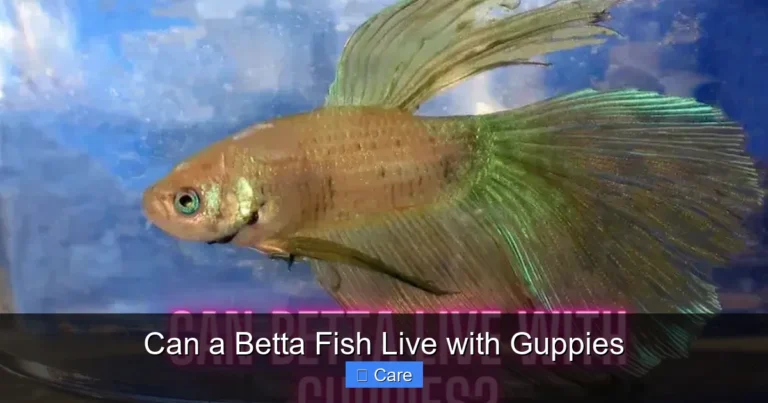
What Fish Can Live with Bettas
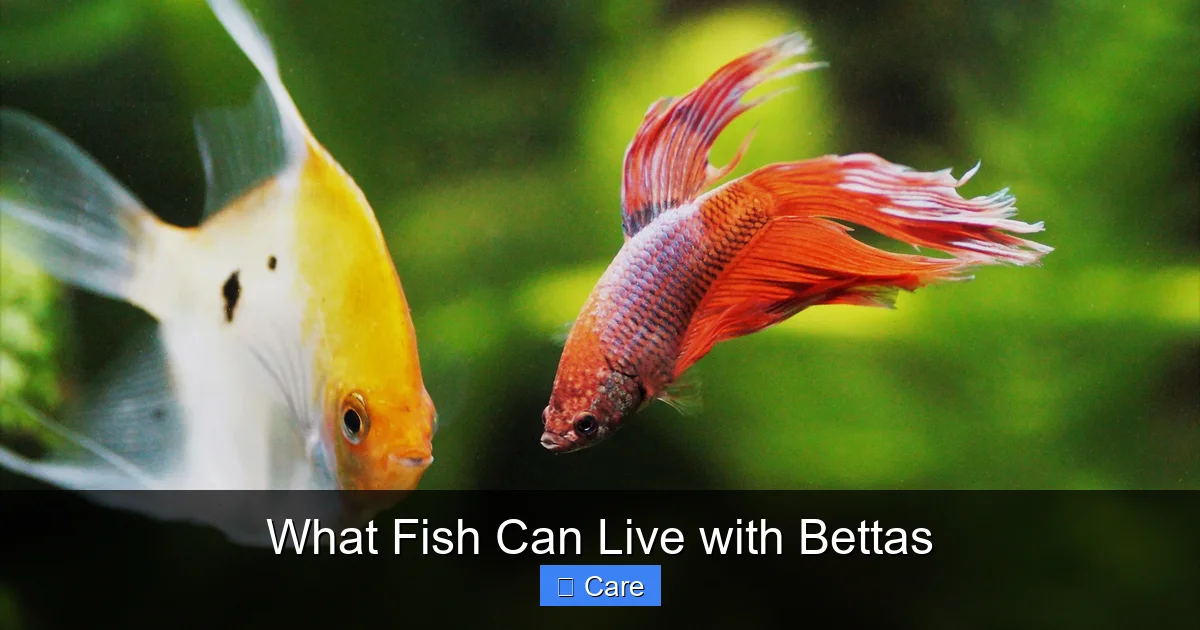
Contrary to popular belief, betta fish can often live with other aquatic creatures if their specific needs are met. Success depends entirely on the individual betta’s temperament, a properly sized and decorated tank, and choosing compatible, non-aggressive tank mates. The safest companions are peaceful, fast-moving fish from the top water column or hardy invertebrates like shrimp and snails that won’t trigger the betta’s territorial instincts.
Key Takeaways
- Your Betta’s Personality is Everything: Some bettas are peaceful community fish, while others are fiercely aggressive. Always observe your betta’s behavior before and after adding any tank mate.
- Tank Size is Non-Negotiable: A minimum of 10 gallons is strongly recommended for any community tank with a betta. More space reduces territorial disputes and provides escape routes for other fish.
- Choose Peaceful, Fast-Moving Tank Mates: Ideal companions are active, schooling fish that occupy different areas of the tank (like the top) and can quickly evade a curious betta.
- Avoid Long-Finned, Colorful, or Slow Fish: Guppies, fancy goldfish, and other fish with flowing fins or bright colors often provoke a betta’s aggression and should be avoided.
- Invertebrates Can Be Great (But Not Always): Ghost shrimp, cherry shrimp, and nerite snails are often successful, but a persistent betta may hunt them. Amano shrimp are larger and better at defending themselves.
- Proper Aquascaping is Crucial: Use plants, rocks, driftwood, and caves to create visual barriers and break lines of sight. This gives all fish places to hide and claim as their own territory.
- Introductions Must Be Done Carefully: Use a quarantine tank, add the betta last or rearrange the tank decor before adding the betta to an established community, and have a backup plan ready.
📑 Table of Contents
- Understanding the Betta: More Than Just a “Fighting Fish”
- The Golden Rules: Foundational Tank Setup for Success
- Top Tank Mate Candidates: Safe and Recommended Species
- High-Risk and Avoid: Fish That Should NOT Live With Bettas
- The Introduction Process: How to Add Tank Mates Safely
- Special Considerations: Invertebrates, Females, and “Unusual” Setups
- Conclusion: Patience, Observation, and Prioritizing Your Betta
Understanding the Betta: More Than Just a “Fighting Fish”
If you’ve ever owned or researched betta fish (Betta splendens), you’ve likely heard about their notorious reputation. They’re called Siamese fighting fish for a reason—males will viciously attack other males. But what about other species? The question what fish can live with bettas is one of the most common in the aquarium hobby, and the answer is a hopeful, yet nuanced, “it depends.” The stereotype of the betta as a solitary, aggressive creature living in a tiny vase is outdated and harmful. With proper care, many bettas can thrive in a well-chosen community tank, leading richer, more stimulating lives.
The key to unlocking this possibility lies in understanding the betta’s natural instincts. Bettas are labyrinth fish from the shallow, slow-moving waters of Thailand’s rice paddies and streams. In these environments, they are solitary predators who defend a small territory—a clump of plants or a shady spot under a leaf. They are not schooling fish and prefer to be the sole center of their domain. This inherent territoriality is the primary hurdle to community living. However, they are also intelligent and curious. A barren, empty tank is a recipe for boredom and stress, which can manifest as lethargy or, paradoxically, increased aggression towards any new stimulus. The goal is to provide an environment so rich and spacious that the betta feels secure in its territory and is not constantly provoked by the presence of others.
So, when we ask what fish can live with bettas, we are not looking for companions to befriend. We are looking for peaceful, inconspicuous neighbors who will not trespass on the betta’s personal space, flash bright colors that mimic a rival, or have flowing fins that look like an intruding male betta. It’s about curating a peaceful neighborhood where the betta is the established, respected (but not challenged) resident. This guide will walk you through every factor—from tank setup to specific species recommendations—to help you answer this question successfully for your unique aquatic pet.
The Golden Rules: Foundational Tank Setup for Success
Before you even consider another fish, your betta’s tank must meet specific criteria. A failure here dooms any community attempt from the start. The single most important rule is tank size. The myth of the betta in a vase is precisely that—a myth. A single betta should never be kept in less than 5 gallons, but for a community tank, this is the absolute bare minimum and highly discouraged. The consensus among experienced aquarists is that a 10-gallon tank is the starting point for a betta community. This provides enough horizontal swimming space and volume to dilute territorial aggression. A 20-gallon long tank is even better, offering a larger footprint that makes defining and defending a single territory more difficult for the betta.
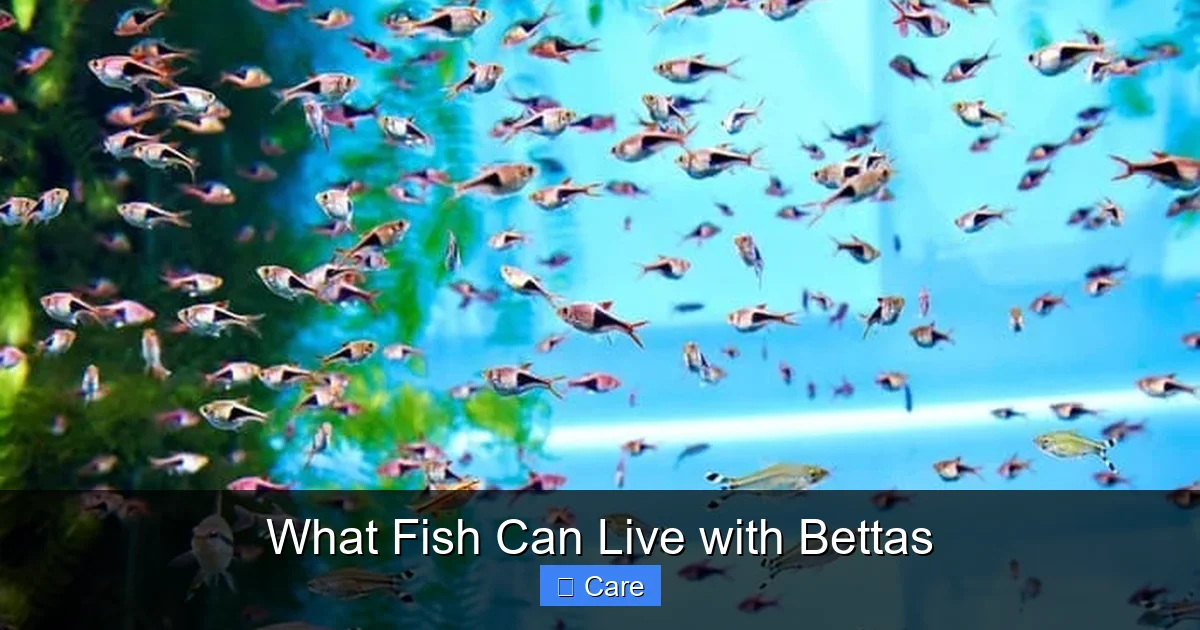
Visual guide about What Fish Can Live with Bettas
Image source: fishtankmaster.com
The Importance of Space and Volume
Why is space so critical? In a small tank, there is no “away.” The betta sees any other fish as an intruder in its limited domain immediately. A larger tank allows you to create distinct zones. You can place the betta’s prime floating plants and resting spots (like a betta leaf hammock) on one side, and the other fish’s active swimming area on the opposite side. The water volume also helps maintain stable water parameters, which reduces stress for all inhabitants. Stress is a primary trigger for aggression in bettas.
Aquascaping: Creating a Peaceful Landscape
Decor is not just for aesthetics; it’s a critical tool for stress reduction and conflict prevention. The goal is to break lines of sight. If your betta can see another fish from one end of the tank to the other, it will perceive it as a constant threat. Use a combination of:
- Dense Plant Cover: Live plants like Java fern, Anubias, Amazon swords, and floating plants (like frogbit or dwarf water lettuce) are perfect. They provide shade, security, and physical barriers. Silk or soft plastic plants are acceptable alternatives if live plants are too challenging.
- Hardscape: Rocks, driftwood, and ceramic caves create hiding spots and visual blocks. Arrange them to form little nooks and crannies.
- Substrate Variation: While less critical than plants, varying the substrate height with slopes or mounds can add dimension.
A well-decorated tank feels like a complex, natural environment, not a small, exposed arena. The betta can claim a specific plant thicket, and a school of neon tetras can safely dart in the open water column above, largely out of the betta’s direct line of sight.
Top Tank Mate Candidates: Safe and Recommended Species
Now for the core of the question: what fish can live with bettas? The safest candidates share common traits: they are peaceful, active, and occupy different niches of the tank. They are also fast enough to evade a sudden, curious chase (which is often just a warning, not a death sentence, if the other fish can escape). Here are the top categories and specific species with high success rates.
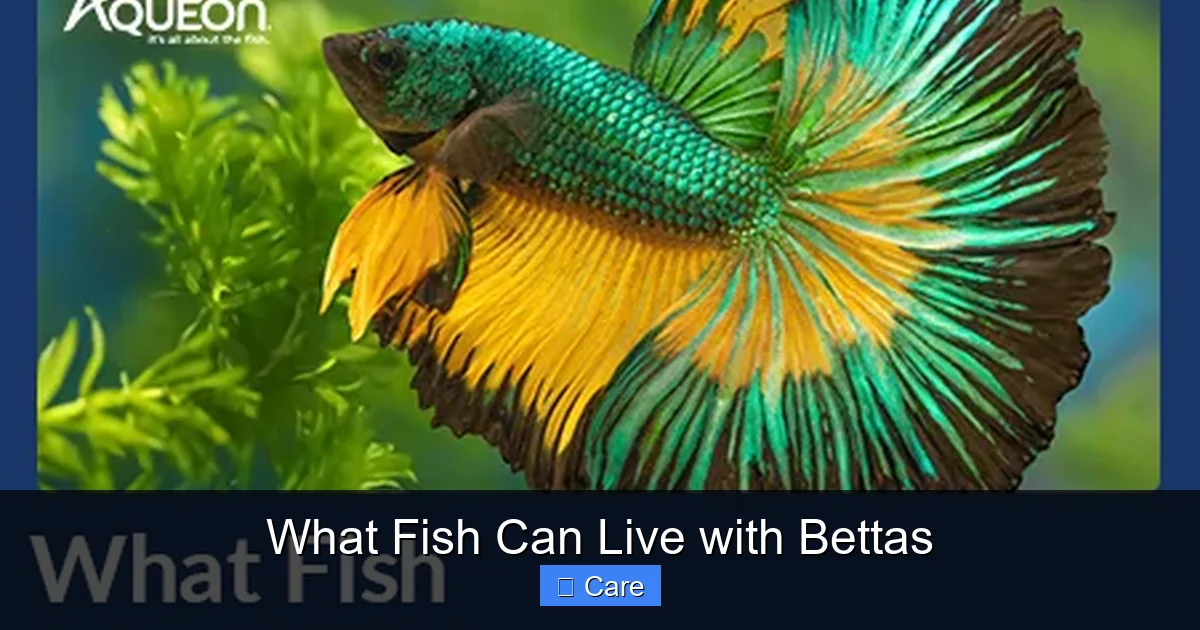
Visual guide about What Fish Can Live with Bettas
Image source: aqueon.com
Peaceful Schooling Fish from the Upper Water Column
These are arguably the best choices. They are active, swim in the upper half of the tank, and their schooling behavior means no single fish is a constant, singled-out target. Their movement is also a deterrent—a betta is more likely to chase a slow, hovering fish than a swift, cohesive school.
- Harlequin Rasboras (Trigonostigma heteromorpha): A classic and excellent choice. They are hardy, peaceful, and their orange/red coloration complements a betta without being overly flashy like a guppy. They need to be kept in groups of 6+.
- Ember Tetras (Hyphessobrycon amandae): Their tiny size and fiery orange color make them a beautiful addition. Their small stature means they are less likely to be seen as a threat, and they are very peaceful. Keep in groups of 8+.
- Celestial Pearl Danios (Danio margaritatus): Also known as galaxy rasboras, these are stunning, active micro-fish. They are bold but peaceful and add a sparkle to the top of the tank. Groups of 6+ are ideal.
- White Cloud Mountain Minnows (Tanichthys albonubes): A hardy, cold-water tolerant fish (which is rare for a tropical community). They are active, peaceful schoolers. Avoid the “golden” variant as its color can sometimes trigger bettas.
Peaceful Bottom-Dwellers and Mid-Level Swimmers
These fish occupy the lower and middle regions of the tank, minimizing interaction with a betta that typically patrols the mid-to-upper levels.
- Kuhli Loaches (Pangio kuhlii): Eel-like, nocturnal, and absolutely peaceful. They burrow in the substrate and are rarely seen during the day. Their unique appearance and behavior add great interest. Keep in groups of 3+.
- Bristlenose Plecos (Ancistrus sp.): The pleco of choice for a betta tank. They are small (rarely over 5 inches), have armor instead of scales (so a betta can’t hurt them), and are algae grazers. They are nocturnal and will mostly mind their own business on the tank glass or driftwood.
- Bronze Corydoras (Corydoras aeneus): Small, charming catfish that are the quintessential peaceful bottom feeder. They are social and must be kept in groups of 4-6. Their whisker-like barbels and busy “scavenging” are harmless and entertaining.
- Otocinclus Catfish (Otocinclus spp.): The smallest and most peaceful algae-eater. They are a school of tiny, suck-mouthed fish that cling to plants and glass. They are very delicate and require a well-established tank with plenty of biofilm/algae, making them for intermediate hobbyists.
Invertebrate Companions: Shrimp and Snails
Invertebrates are a popular choice because they don’t look or act like fish, often bypassing a betta’s instinct to attack competing fish. However, a betta’s curiosity can still lead to investigation and potential predation, especially of smaller shrimp.
- Amano Shrimp (Caridina multidentata): The gold standard for betta tanks. They are large (2+ inches), have a translucent, boring appearance, and are excellent algae eaters. Their size and speed make them very difficult for a betta to catch. They are also prolific breeders in freshwater.
- Ghost Shrimp / Glass Shrimp (Palaemonetes spp.): Very common and cheap. They are transparent and good cleaners. Smaller than Amanos, so there is a higher risk of being eaten, especially by a more aggressive betta. Good for testing the waters.
- Cherry Shrimp (Neocaridina davidi): Their bright red color is a double-edged sword. Some bettas ignore them; others see them as moving candy. They breed prolifically, so even if a few are eaten, the population can recover. Success is hit-or-miss.
- Nerite Snails: The perfect snail for any community tank. They have a hard, patterned shell that a betta cannot penetrate. They come in many varieties (zebra, tiger, olive) and are excellent algae eaters that do not reproduce in freshwater (they require brackish water to breed, so no snail population explosion).
- Mystery Snails (Pomacea bridgesii): Larger, colorful, and peaceful. They have an operculum (trapdoor) to seal themselves in if stressed. They are fast growers and will need calcium for their shells. Their size makes them generally safe, though a persistent betta might nip at their antennae.
High-Risk and Avoid: Fish That Should NOT Live With Bettas
Just as important as knowing the good choices is understanding the bad ones. The following types of fish are almost guaranteed to cause problems, stress, injury, or death. Their characteristics directly trigger a betta’s instinctual aggression or make them vulnerable targets.
Visual guide about What Fish Can Live with Bettas
Image source: aqueon.com
Fish with Long, Flowing Fins
To a betta, another fish with large, flowing fins is the ultimate rival. It mimics the appearance of another male betta. This is an instant aggression trigger.
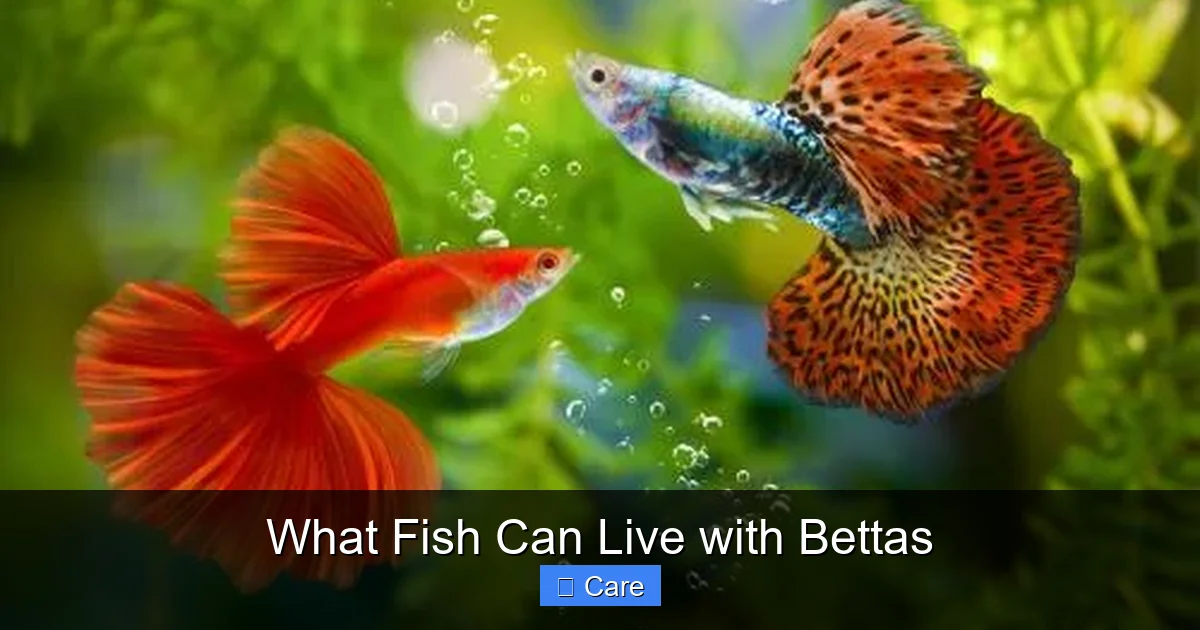
- Guppies (Poecilia reticulata): The most common mistake. Male guppies have spectacular, flowing caudal fins that a betta will perceive as a challenge and relentlessly nip, often leading to the guppy’s death from stress and injury.
- Fancy Goldfish ( varieties like Oranda, Ranchu, Veiltail): Beyond the fin issue, goldfish are cold-water fish with vastly different temperature and waste requirements than tropical bettas. They are also slow-moving and would be harassed.
- Siamese Algae Eaters (Crossocheilus oblongus): Despite the name, they are not related to bettas. However, they are active, can be somewhat territorial as they grow, and their body shape/fin structure can sometimes provoke a betta.
- Male Betta Fish: This should be obvious. Never, under any circumstances, house two male bettas together without a solid, permanent divider. They will fight to the death.
Fish with Bright, Iridescent Colors
Bettas are visual hunters and are highly attuned to color, especially reds and blues, which are dominant in their own species. Brightly colored fish can be seen as rivals or prey.
- Male Paradise Fish (Macropodus opercularis): A relative of the betta that is even more aggressive. They are a terrible choice.
- Some varieties of Barbs (like Tiger Barbs): While not always brightly colored, they are known fin-nippers and are too boisterous and bold for a betta’s temperament. They will harass a betta relentlessly.
Slow, Delicate, or Long-Bodied Fish
These fish are easy targets. A betta’s curiosity or mild aggression can quickly turn into fatal nipping because the other fish cannot escape.
- Fancy Guppies (see above)
- Angelfish (Pterophyllum spp.): While beautiful, they are slow, have long trailing fins, and can grow large enough to view a small betta as food. The size disparity is dangerous for the betta.
- Fancy Goldfish (see above)
- Betta females with a male: While possible for breeding under strict, temporary supervision, it is not a permanent community setup. The male will relentlessly chase and harass the female, causing severe stress.
The Introduction Process: How to Add Tank Mates Safely
You have a 10-gallon, heavily planted tank and a peaceful-looking betta. You’ve chosen a school of harlequin rasboras. Now what? The introduction process is critical and can make or break the entire endeavor. Rushing this step is a common cause of failure.
Step 1: Quarantine Your New Fish
Before anything else, any new fish should be quarantined in a separate tank for at least 2-4 weeks. This is a non-negotiable best practice. It prevents the introduction of diseases (like ich, velvet, or parasites) into your main display tank, which could weaken your betta and make it more aggressive or susceptible to illness. During quarantine, you can observe the new fish for signs of sickness or unusual behavior.
Step 2: Rearrange the Tank Decor (The “Territory Reset”)
This is a powerful trick. Before introducing the new fish, do a significant rearrangement of your tank’s hardscape and plants. Move rocks, driftwood, and plants to new positions. This serves two purposes: 1) It destroys the established, well-defined territory of your betta. Since its “home” has changed, it will be less likely to aggressively defend the entire tank against newcomers, as the boundaries are now unclear. 2) It creates new hiding spots and visual barriers for the incoming fish. Perform this decor shuffle after you have moved the betta (if you’re moving it to a holding container) and before you add the new community fish.
Step 3: The Acclimation and Observation Period
Use a drip acclimation method to slowly equalize water parameters when adding your new fish to the main tank. Once they are in, the observation period begins. For the first 24-48 hours, watch closely. Some flaring (where the betta extends its gills and flares its fins) and chasing is normal as the betta investigates the new arrivals. The key is to determine if this is:
- Investigative Chasing: The betta darts at the new fish, which quickly darts away into plants or around a corner. The betta gives up after a few seconds. This is usually okay.
- Persistent, Attacking Chasing: The betta relentlessly pursues one or more fish across the entire tank, cornering them, biting, and preventing them from resting or feeding. This is unacceptable and requires immediate intervention.
Have a plan. A spare 5-gallon tank or a large, well-cycled breeder box with a heater and sponge filter can serve as a hospital or temporary home for either the betta (if it’s the aggressor) or the new fish (if they are being bullied). Never just remove fish and hope for the best; you need a proper, cycled backup system.
Special Considerations: Invertebrates, Females, and “Unusual” Setups
Beyond the standard male betta in a community with fish, there are other common scenarios that require specific advice.
Shrimp and Snails: The “It Depends” Invertebrates
We’ve listed the best shrimp, but it’s crucial to manage expectations. A betta is a predator. Even a “peaceful” betta may see a shrimp as a tasty snack. Start with the hardiest, largest options like Amano shrimp or a small group of ghost shrimp as a test. Watch closely for the first week. If your betta obsessively hunts them, you may need to rehome the shrimp. Snails are generally much safer due to their shells, but some bettas will still peck at their tentacles. Providing plenty of algae and vegetables (blanched zucchini, algae wafers) for the snails can distract a betta from bothering them.
Female Betta Sororities
This is a completely different ballgame. Female bettas can often be kept in groups (a “sorority”), but this requires significant expertise. It is not recommended for beginners. A sorority needs a large, heavily planted tank (minimum 20 gallons for 5 females) with abundant hiding spots. The hierarchy is established through displays of aggression, which can be intense initially. Adding any other fish species to a female sorority is generally riskier and not advised, as the bettas themselves are the primary source of aggression and stress. The focus should be on keeping the females together peacefully first.
The “Single-Species” Tank: A Valid Choice
After all this, the most important takeaway is this: it is perfectly okay to keep a betta alone. A beautifully aquascaped, species-only tank with a single, healthy betta is a fantastic and stress-free setup. It eliminates all risk of aggression, disease transmission, and competition for food. Your betta will be the star of the show. If you are unsure, hesitant, or your betta shows any signs of aggression during testing, a solo tank is the responsible, humane choice. Your betta’s welfare comes first.
Conclusion: Patience, Observation, and Prioritizing Your Betta
So, what fish can live with bettas? The answer is a curated list of peaceful, fast-moving, upper-tank-dwelling fish like harlequin rasboras and ember tetras, hardy bottom-feeders like corydoras and bristlenose plecos, and select invertebrates like Amano shrimp and nerite snails. But the technical list is only half the battle. The true answer is written in the behavior of your individual fish, in the gallons of water you provide, and in the lush, complex habitat you build.
Success requires patience. You must be willing to invest in a properly sized tank and decor before even considering a tank mate. You must quarantine new arrivals. You must be prepared to observe, intervene, and have backup plans. And you must ultimately listen to your betta. If it flares at its own reflection, it may be too aggressive for any company. If it hides constantly, it may be too timid. A peaceful, curious betta that flares briefly at newcomers but then goes about its business is a promising candidate.
The question what fish can live with bettas ultimately leads us to a deeper understanding of these fascinating, individualistic creatures. It challenges the old, cruel stereotype and replaces it with a modern, ethical approach to fishkeeping. Whether you choose to create a vibrant community or honor your betta’s solitary nature with a stunning solo exhibit, you are providing a better life for one of the aquarium world’s most iconic residents. Start with the golden rules, choose wisely from the safe list, and always, always prioritize the well-being of your betta above the desire for a community tank.
Frequently Asked Questions
Will a betta kill all other fish in the tank?
Not necessarily, but it can. A betta’s aggression level is highly individual. Some are docile and ignore tank mates, while others are hyper-aggressive and will attack and potentially kill any fish that triggers their territorial instincts, especially those with long fins. Careful species selection and a large, decorated tank are essential to minimize this risk.
Can I put a female betta with a male betta?
Only temporarily for breeding under controlled conditions, and even then it requires close supervision. A male betta will constantly harass a female if kept together long-term, causing her extreme stress, injury, and often death. They are not compatible as permanent tank mates.
What about shrimp? My betta will definitely eat them, right?
Not definitely, but it’s a strong possibility. Larger shrimp like Amanos are your best bet due to their size and speed. Smaller shrimp like cherry shrimp are at high risk, especially from a curious or aggressive betta. You must be prepared for some to be lost and have a backup plan for the shrimp if the betta proves to be a relentless hunter.
Is a 5-gallon tank big enough for a betta and a snail?
While a 5-gallon is the absolute minimum for a single betta, adding any other creature—even a snail—makes it very cramped. A 10-gallon tank is the recommended starting point for any betta community, including with invertebrates, to provide enough space and reduce territorial stress.
Can I keep my betta with slow-moving fish like a dwarf gourami?
No, this is a very high-risk combination. Dwarf gouramis are related to bettas and can be territorial themselves. They also have a similar body shape and may provoke aggression. Slow-moving fish are easy targets for a betta’s chasing, leading to injury and stress for the gourami.
My betta is chasing the new fish I added. What should I do?
First, distinguish between brief, investigative chases (where the new fish escapes and the betta gives up) and relentless, attacking chases. For the latter, you must intervene immediately. Have a backup tank ready. You may need to remove the aggressor (the betta) or the victim (the new fish) to separate them. Sometimes rearranging the entire tank decor again can help reset territories, but be prepared that permanent separation may be necessary.