How.lomg Do Betta Fish Live
So, how long do betta fish live? With the right care, a betta fish lifespan typically ranges from 3 to 5 years, but some well-cared-for bettas can reach 7 years or more. The key to a longer betta fish life lies in tank size, water quality, diet, and stress reduction. This guide covers everything you need to know about extending your betta fish lifespan and keeping your colorful companion healthy and happy.
If you own a betta fish or are thinking about getting one, you probably wonder how long do betta fish live. It is a fair question. These stunning fish with their flowing fins and bright colors deserve a long, healthy life. And the good news is that you have more control over your betta fish lifespan than you might think.
The average betta fish lifespan sits around 3 to 5 years. However, some dedicated fish keepers report their bettas living 6 or even 7 years. What makes the difference? It comes down to tank setup, water conditions, food, and daily care. Let us dive deep into everything that affects how long your betta will live and what you can do to give them the best life possible.
Many people assume bettas are hardy fish that can survive anywhere. That is a common myth. While bettas are tougher than some tropical fish, they still need proper living conditions to thrive. Understanding betta fish care from day one sets the foundation for a long and vibrant life.
Key Takeaways
- Average Betta Lifespan: Most betta fish live 3 to 5 years, but exceptional care can extend this to 7+ years.
- Tank Size Matters: A 5-gallon tank or larger significantly improves betta fish life expectancy compared to small bowls.
- Water Quality Is Critical: Regular water changes and proper filtration directly impact how long your betta stays healthy.
- Diet Affects Longevity: Feeding a varied, high-quality diet supports overall betta fish health and longevity.
- Stress Reduces Lifespan: Keeping bettas in appropriate environments with minimal stressors helps them live longer.
- Gender Plays a Role: Male and female bettas may have slightly different care needs that influence their lifespan.
- Wild vs. Captive Betta Life: Betta fish in the wild face shorter lifespans due to environmental challenges.
📑 Table of Contents
- How Long Do Betta Fish Live on Average?
- Why Tank Size Matters for Betta Lifespan
- How Water Quality Affects Your Betta’s Life
- Male vs. Female Betta Fish Lifespan
- How Long Do Betta Fish Live in the Wild?
- Diet and Nutrition for a Longer Betta Life
- Common Mistakes That Shorten Betta Fish Lifespan
- How to Maximize Your Betta Fish’s Lifespan
- Signs Your Betta Fish Is Aging
- How Old Do Betta Fish Live
- Conclusion
How Long Do Betta Fish Live on Average?
The typical betta fish lifespan ranges from 3 to 5 years in captivity. This is the general range most fish keepers can expect. But several factors can push a betta past the 5-year mark or, sadly, cut their life short.
When you ask yourself how long do betta fish live, the honest answer depends on the individual fish and their environment. A betta kept in a small bowl with unfiltered water might only survive 1 to 2 years. The same fish in a well-maintained 5-gallon tank could easily reach 4 or 5 years.
Factors That Influence Betta Fish Life Expectancy
Multiple things work together to determine how long your betta will live. Here are the most important ones:
- Tank size: Larger tanks provide more stable water conditions and room to swim.
- Water quality: Clean, properly cycled water reduces stress and prevents illness.
- Temperature: Bettas need warm water between 76 and 82 degrees Fahrenheit.
- Diet: High-quality food supports growth, color, and overall health.
- Genetics: Some bettas simply have stronger genes that predispose them to longer lives.
- Stress levels: A calm environment with no aggressive tank mates helps bettas thrive.
Each of these factors plays a role in your betta fish longevity. Ignoring even one can shorten your betta fish lifespan significantly. But get them right, and you give your fish the best shot at a long, healthy life.
Why Tank Size Matters for Betta Lifespan
One of the biggest mistakes new betta owners make is keeping their fish in a tiny bowl. You have probably seen bettas sold in small cups or vases at pet stores. While bettas can survive in small spaces for a while, it does not mean they thrive there.
If you want to know how long do betta fish live in different setups, the answer is clear. A betta in a 5-gallon tank or larger will live significantly longer than one in a 1-gallon bowl. The tank size directly affects water stability, oxygen levels, and your fish’s overall well-being.
For more specific guidance on this topic, check out our article on how long do betta fish live in a 5 gallon tank.
The Minimum Tank Size for a Healthy Betta
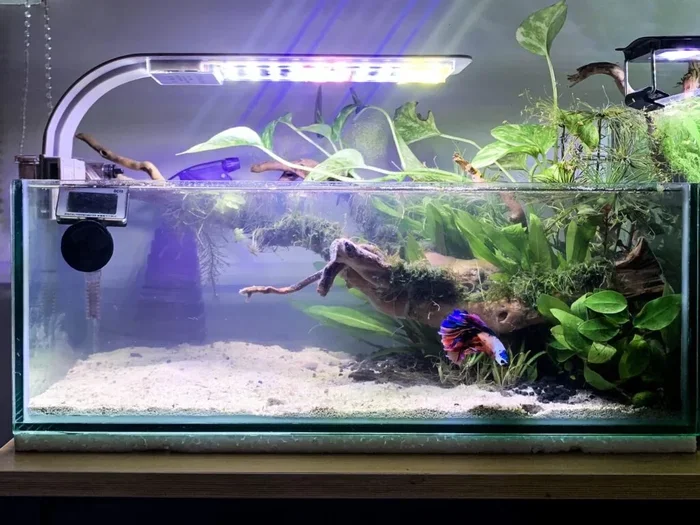
Most experts agree that a 5-gallon tank is the minimum for a single betta fish. Here is why this matters:
- Water stability: Larger volumes of water dilute toxins more effectively.
- Swimming space: Bettas are active fish that enjoy exploring their environment.
- Filtration options: A 5-gallon tank can comfortably house a small filter that maintains water quality.
- Temperature consistency: More water holds heat better than a tiny bowl.
When you compare how long do betta fish live in a small bowl versus a proper tank, the difference is striking. A betta in a filtered, heated 5-gallon tank often lives twice as long as one in an unfiltered bowl. That is a huge gap driven entirely by living conditions.
How Water Quality Affects Your Betta’s Life
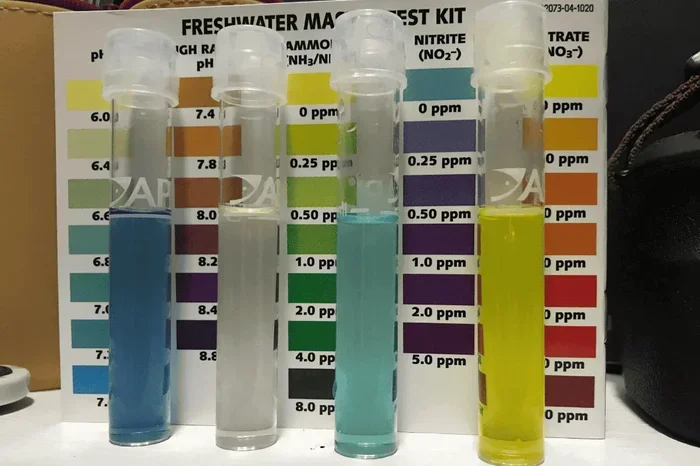
Clean water is the single most important factor in extending your betta fish lifespan. Bettas are sensitive to ammonia, nitrite, and nitrate buildup. Even small amounts of these toxins can cause serious health problems over time.
When you ask how long do betta fish live, water quality is always part of the answer. Poor water conditions lead to stress, weakened immune systems, and disease. A stressed betta is a betta that is more likely to get sick and less likely to live a long life.
Water Parameters for a Long Betta Life
Here are the water parameters that help your betta live its longest life:
- Temperature: 76 to 82 degrees Fahrenheit (24 to 28 degrees Celsius)
- pH level: 6.5 to 7.5 (slightly acidic to neutral)
- Ammonia: 0 ppm (parts per million)
- Nitrite: 0 ppm
- Nitrate: Below 20 ppm
- Water hardness: 3 to 4 dGH (degrees of general hardness)
Keeping these parameters stable requires regular maintenance. Weekly water changes of 25 to 30 percent make a big difference. A good filter helps too, but avoid strong currents since bettas prefer calm water. For more tips on maintaining a healthy betta environment, visit our guide on how do you care for a betta fish.
Male vs. Female Betta Fish Lifespan
Many fish keepers wonder whether male or female bettas live longer. The answer is not always straightforward, but there are some general trends worth knowing.
On average, male bettas tend to live slightly longer than females in some cases, but this is not a hard rule. Both genders can live 3 to 5 years with proper care. The difference often comes down to how they are kept rather than their gender alone.
For a deeper look at gender-specific lifespan, read our article on how long do female betta fish live.
Why Males and Females Differ in Care Needs
Male bettas are often kept alone because they are aggressive toward other bettas. This solitary lifestyle can actually reduce stress for males, which may contribute to a longer betta fish lifespan. Females, on the other hand, can sometimes be kept in small groups called sororities, but this requires a larger tank and careful setup.
Male bettas also tend to have more dramatic fins and colors, which can make them more visually striking but also more prone to fin damage. Keeping water clean and flow gentle helps prevent fin issues that could affect a male betta’s quality of life.
How Long Do Betta Fish Live in the Wild?
Wild bettas face a very different life than their aquarium-raised cousins. In their natural habitat, bettas deal with fluctuating water levels, pollution, predators, and limited food sources. As a result, how long do betta fish live in the wild is much shorter than in captivity.
Wild bettas typically live 2 to 3 years at most. The harsh realities of their natural environment take a toll that captive bettas are protected from. For more details, check out our article on how long do betta fish live in the wild.
What Wild Bettas Face Daily
Life in the wild is tough for bettas. They deal with several challenges that directly impact their betta fish life expectancy:
- Water conditions: Wild water quality changes rapidly with rain and temperature shifts.
- Predators: Larger fish and birds constantly threaten wild bettas.
- Food scarcity: Finding enough food is a daily struggle.
- Disease: Without human intervention, illnesses can spread quickly.
- Habitat loss: Shrinking natural habitats put additional pressure on wild populations.
Understanding the wild betta experience helps us appreciate how much better we can care for our pet bettas. A well-maintained aquarium removes nearly all of these threats and gives your fish the best chance at a long, healthy life.
Diet and Nutrition for a Longer Betta Life
What you feed your betta directly affects how long they live. A poor diet leads to malnutrition, obesity, and a weakened immune system. A high-quality, varied diet supports energy, vibrant color, and a strong body.
So how long do betta fish live when fed properly? The answer is often several years longer than bettas fed an inadequate diet. Good nutrition is one of the simplest ways to boost your betta fish lifespan.
Best Foods for Betta Fish Longevity
Feeding your betta a mix of foods keeps them healthy and interested in mealtime. Here are the best options:
- High-quality betta pellets: These should form the staple of their diet. Look for pellets with real fish meal as the first ingredient.
- Frozen or live brine shrimp: A great protein source that bettas love. Many bettas eat live brine shrimp readily.
- Frozen or live bloodworms: An occasional treat that adds variety. Bettas also enjoy eating live bloodworms in moderation.
- Daphnia: A natural food that aids digestion and provides essential nutrients.
Feed your betta 2 to 3 small meals per day. Avoid overfeeding, which can lead to constipation and poor water quality. A good rule of thumb is to feed only what your betta can eat in 2 minutes. Remove any uneaten food promptly to keep the water clean.
Common Mistakes That Shorten Betta Fish Lifespan
Knowing what to do is only half the battle. Understanding what not to do is equally important. Many common mistakes quietly shorten a betta fish lifespan without the owner even realizing it.
Mistake 1: Keeping Bettas in Tiny Unfiltered Bowls
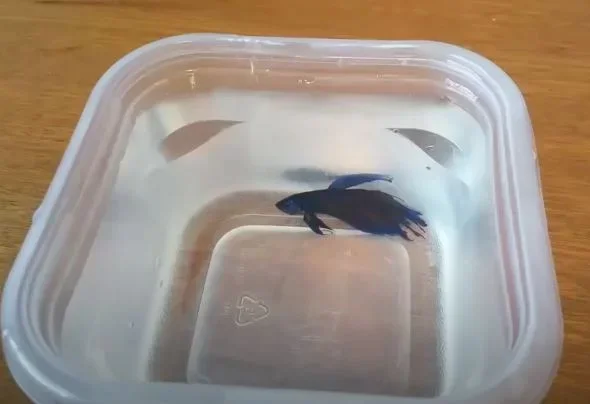
This is the number one mistake. A small bowl without a filter or heater creates toxic water conditions fast. Your betta may survive for months, but their quality of life and lifespan suffer greatly.
Mistake 2: Skipping Regular Water Changes
Even in a properly sized tank, waste builds up over time. Skipping water changes allows ammonia and nitrite to rise, stressing your fish and opening the door to disease.
Mistake 3: Overfeeding
Bettas have small stomachs. Overfeeding causes bloating, constipation, and excess waste that pollutes the water. Feed small amounts and remove leftovers.
Mistake 4: Ignoring Temperature
Bettas need warm, stable water. Cold water slows their metabolism and makes them sluggish and susceptible to illness. A heater is not optional for bettas.
Mistake 5: Housing Bettas with Aggressive Tank Mates
While bettas can sometimes live with other fish, aggressive or fin-nipping tank mates cause chronic stress. A stressed betta is more likely to get sick and less likely to reach its full lifespan.
How to Maximize Your Betta Fish’s Lifespan
Now that you know what affects how long do betta fish live, let us talk about what you can actively do to help your betta live as long as possible. These practical tips are easy to follow and make a real difference.
Quick Tips for Extending Your Betta’s Life
- Upgrade to at least a 5-gallon tank. This single change has the biggest impact on betta fish life expectancy.
- Install a gentle filter. A sponge filter works great for bettas and keeps water clean without strong currents.
- Use a heater. Keep water temperature steady between 76 and 82 degrees Fahrenheit.
- Perform weekly water changes. Replace 25 to 30 percent of the water each week.
- Test water parameters regularly. A simple test kit helps you catch problems early.
- Feed a varied, high-quality diet. Rotate between pellets, frozen foods, and occasional live foods.
- Keep the tank in a quiet location. Avoid placing the tank near loud electronics or high-traffic areas.
- Observe your betta daily. Watch for changes in behavior, appetite, or appearance that could signal health issues.
Following these steps consistently gives your betta the best possible environment to thrive. A happy, healthy betta is a betta that lives longer.
Signs Your Betta Fish Is Aging
As bettas get older, you may notice some changes. Recognizing these signs helps you adjust their care to keep them comfortable in their later years.
Older bettas may become less active and spend more time resting. Their colors might fade slightly, and their appetite may decrease. Some bettas develop cloudy eyes or frayed fins as they age. These are normal signs of getting older and do not necessarily mean something is wrong.
The key is to watch for sudden changes. If your betta stops eating entirely, develops white spots, or shows signs of distress, these could indicate illness rather than aging. Quick action and proper treatment can often resolve these issues and add more quality time to your betta’s life.
For more information on recognizing when a betta is nearing the end of its life, read our article on how do you know a betta fish is dying.
How Old Do Betta Fish Live
When people search for how old do betta fish live, they want to know the maximum age a betta can reach. The oldest reported bettas have lived 8 to 10 years in exceptional cases, though this is rare. Most bettas live in the 3 to 5 year range, and that is perfectly normal.
If you are curious about typical age ranges and what to expect at different life stages, our article on how old do betta fish live provides detailed information.
Conclusion
How long do betta fish live? The answer is largely in your hands. With the right tank, clean water, proper diet, and a little daily attention, your betta can live a long and healthy life. The average betta fish lifespan of 3 to 5 years is a solid baseline, but exceptional care can push that boundary even further.
Remember that every choice you make as a betta owner impacts your fish’s betta fish longevity. From the size of the tank to the food you serve, each detail matters. Avoid common mistakes, follow the care tips in this guide, and enjoy many wonderful years with your colorful companion.
A betta fish is a commitment, but the rewards are immense. These beautiful creatures bring joy, color, and personality to any space. Give them the care they deserve, and they will reward you with a long and vibrant life. Start implementing these tips today, and your betta will thank you for years to come.
Frequently Asked Questions
How long do betta fish live in a bowl?
Bettas in bowls typically live 1 to 2 years due to poor water quality and limited space. A small unfiltered bowl cannot maintain stable conditions, which stresses the fish and shortens their betta fish lifespan. Upgrading to a 5-gallon tank with a filter and heater can double or even triple their life expectancy.
Can betta fish live for 10 years?
While rare, some bettas have been reported to live up to 10 years under exceptional care. Most bettas live 3 to 5 years, and reaching 7 years is already considered impressive. Proper tank setup, excellent water quality, and a high-quality diet all contribute to maximizing betta fish life expectancy.
How long do betta fish live without food?
Bettas can survive about 10 to 14 days without food, but this is not healthy or recommended. Skipping meals occasionally is fine, but prolonged fasting weakens their immune system and shortens their overall betta fish lifespan. Always maintain a regular feeding schedule with appropriate portions.
Do male or female betta fish live longer?
There is no definitive answer, but male bettas are often kept alone, which can reduce stress and potentially extend their life. Female bettas may live equally long when kept in proper conditions. Gender alone does not determine how long do betta fish live; care quality matters far more.
What is the oldest betta fish ever recorded?
The oldest recorded betta fish lived approximately 9 to 10 years, though this is extremely rare. Most bettas live in the 3 to 5 year range. The key factors that contributed to this exceptional longevity were pristine water conditions, a large well-maintained tank, and a varied, nutritious diet.
How can I make my betta fish live longer?
To extend your betta fish lifespan, provide a 5-gallon or larger tank with a filter and heater, perform weekly water changes, feed a varied high-quality diet, and keep the tank in a calm location. Avoid common mistakes like small bowls, overfeeding, and cold water. Consistent, proper care is the best way to ensure your betta lives a long and healthy life.