Choosing a good filter for betta fish doesn’t have to be confusing. A properly sized, gentle filter keeps the water clean, reduces stress, and lets your betta show off its colors. Read on for step‑by‑step guidance, product recommendations, and maintenance tricks that work for every beginner.
Key Takeaways
- Gentle flow is essential: Betta fish thrive in low‑current environments, so pick a filter with adjustable or weak flow.
- Size matters more than brand: Match the filter’s capacity to your tank volume, typically 1‑2 gallons per hour for bettas.
- Biological filtration is king: A good filter for betta fish should provide ample surface area for beneficial bacteria.
- Maintenance is simple: Clean or replace filter media every 2‑4 weeks to keep water parameters stable.
- Live plants complement filtration: Adding plants like Java fern reduces waste and creates a natural feel.
- Budget‑friendly options exist: Sponge filters and small hang‑on‑back units work well without breaking the bank.
- Combine with regular water changes: Even the best filter needs weekly water changes for optimal health.
📑 Table of Contents
- Why Filtration Matters for Betta Fish
- Understanding the Types of Filters
- How to Choose the Right Filter Size
- Top Recommendations for a Good Filter for Betta Fish
- Setting Up Your Filter Correctly
- Maintenance Tips to Keep Your Filter Working
- Combining Filtration with Other Tank Enhancements
- Common Mistakes and How to Avoid Them
- Conclusion: Your Betta Deserves the Best
Why Filtration Matters for Betta Fish
Betta fish are often sold in tiny bowls that lack any filtration. While a betta can survive short‑term in stagnant water, long‑term health depends on clean, oxygen‑rich water. A good filter for betta fish removes ammonia, nitrite, and excess waste, which otherwise cause stress, disease, and shortened lifespan.
In addition to chemistry, filtration helps maintain stable temperature and pH—two factors that are especially important for a tropical species like the betta. When you pair a reliable filter with a heater set to the right range (see what temperature should water be for a betta fish), you create a stable environment that mimics the betta’s natural habitat.
Understanding the Types of Filters
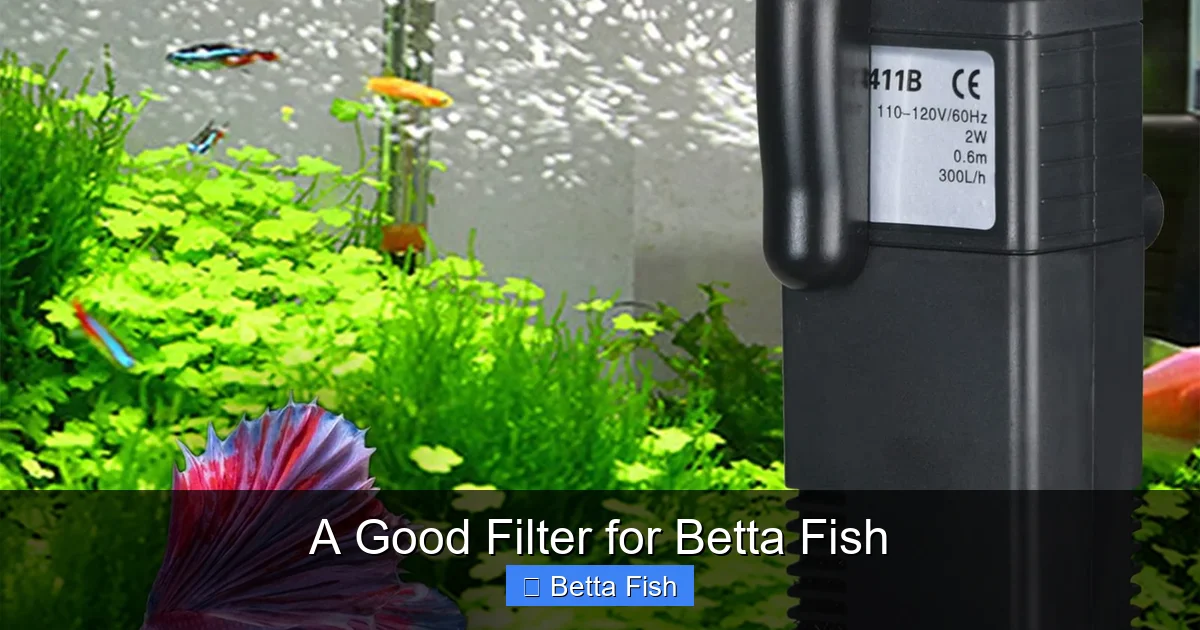
Not all filters are created equal. Below are the most common types you’ll encounter when searching for a good filter for betta fish.
Visual guide about A Good Filter for Betta Fish
Image source: m.media-amazon.com
1. Sponge Filters
Sponge filters are the classic choice for bettas. They provide mechanical and biological filtration while creating a very gentle flow. Water is drawn through a porous sponge, trapping debris and allowing beneficial bacteria to colonise the surface.
- Pros: Inexpensive, easy to clean, low flow.
- Cons: Limited mechanical filtration for heavily stocked tanks.
2. Hang‑On‑Back (HOB) Filters
HOB filters sit on the tank’s rim and pull water up through a suction tube. Many models have adjustable flow rates, which is crucial for a good filter for betta fish because you can dial the current down to a gentle ripple.
- Pros: Good mechanical, chemical, and biological filtration; visible media for easy maintenance.
- Cons: Can create too strong a current if not adjusted.
3. Internal Power Filters
These sit inside the tank, often on a suction cup. They are compact and can be hidden behind décor. Look for models with a “low‑flow” or “betta” setting to ensure the water movement stays calm.
- Pros: Space‑saving, effective filtration.
- Cons: May reduce swimming space and can be noisy.
4. Under‑Gravel Filters (UGF)
UGFs sit beneath the substrate and pull water down through the gravel. While they provide excellent biological filtration, the flow can be unpredictable, and cleaning the gravel can be tricky.
- Pros: Strong biological filtration.
- Cons: Difficult to service; not ideal for small betta tanks.
How to Choose the Right Filter Size
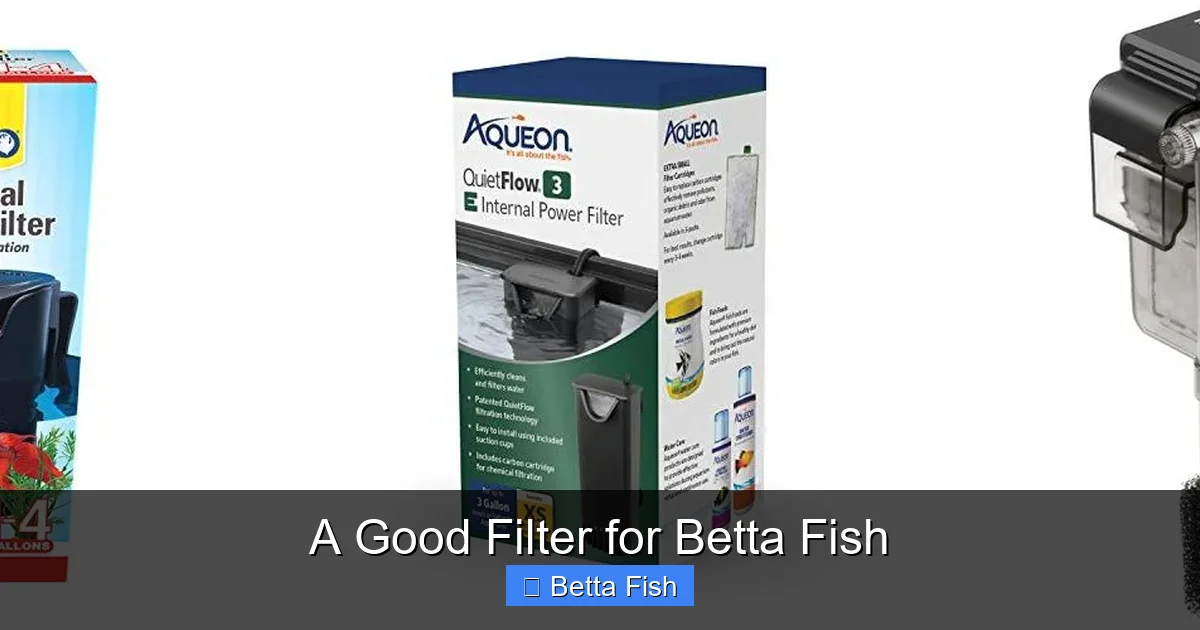
When you’re hunting for a good filter for betta fish, the most common mistake is oversizing. Betta fish are native to slow‑moving waters, so a filter that churns the water too fast will stress them.
Visual guide about A Good Filter for Betta Fish
Image source: thebeloveddog.com
**Rule of thumb:** Aim for a turnover rate of 1‑2 times the tank volume per hour. For a 5‑gallon (≈19 L) betta tank, a filter rated for 5‑10 gph (gallons per hour) is perfect.
Check the Flow Adjustability
Many filters come with a flow control knob. If you’re buying a HOB or internal filter, verify that you can lower the flow to a gentle stream. Some hobbyists attach a spray bar or use a pre‑filter sponge to further reduce turbulence.
Consider the Media Surface Area
Biological filtration relies on surface area for bacteria to colonise. A good filter for betta fish should have a generous amount of porous media—sponge, bio‑balls, or ceramic rings. The more surface, the more stable the nitrogen cycle.
Top Recommendations for a Good Filter for Betta Fish
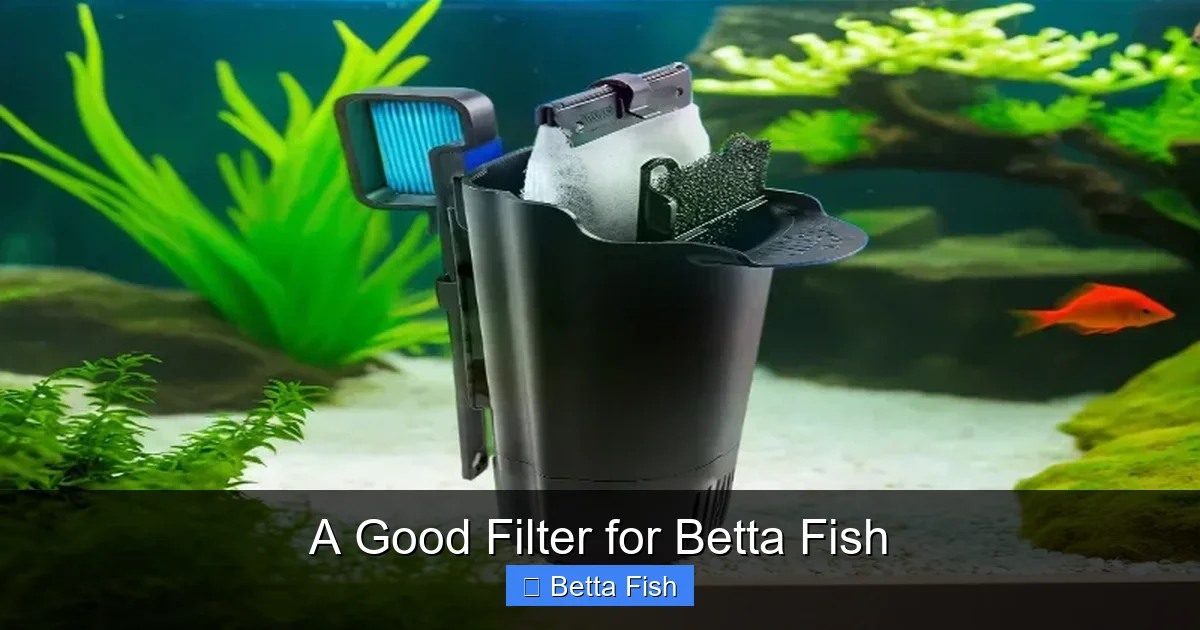
Below are three tried‑and‑tested filters that consistently rank high among betta keepers. Each meets the criteria of low flow, adequate biological media, and easy maintenance.
Visual guide about A Good Filter for Betta Fish
Image source: qwikbetta.com
1. Aqueon QuietFlow 20
Why it’s a good filter for betta fish: This HOB filter moves only 20 gph, perfect for a 5‑gallon tank. The flow control knob lets you dial it down to a barely‑noticeable ripple. It includes a sponge pre‑filter and ceramic rings for robust bio‑filtration.
2. Fluval C4 Power Filter (with flow restrictor)
Although rated for larger tanks, the C4 can be fitted with a flow restrictor kit, turning it into a whisper‑quiet, low‑flow filter. The multi‑stage media (mechanical, chemical, biological) keeps water crystal‑clear, and the compact size fits well in a betta setup.
3. DIY Sponge Filter (budget option)
For the ultimate budget‑friendly solution, a DIY sponge filter made from an airline tube, a small air pump, and a 1‑inch aquarium sponge works wonders. It provides gentle aeration and biological filtration without a single moving part. Many beginners swear by this as the most “betta‑friendly” filter on the market.
Setting Up Your Filter Correctly
Even the best filter can become a problem if installed wrong. Follow these steps to ensure your new filter works as a good filter for betta fish.
Step 1: Prime the Filter
Before turning on any filter, fill the filter media with conditioned water. This eliminates air pockets and prevents a sudden surge of flow that could startle your betta.
Step 2: Position the Intake
Place the intake near the surface but not directly against it. This helps pull up surface film where waste often accumulates, while keeping the flow gentle where the betta swims.
Step 3: Adjust Flow
Turn the flow knob down to the lowest setting. Observe your betta for a few minutes. If the fish is constantly fighting the current, add a pre‑filter sponge or a flow‑restrictor.
Step 4: Test Water Parameters
After the filter runs for 24‑48 hours, test ammonia, nitrite, and nitrate levels. A good filter for betta fish should keep ammonia and nitrite at 0 ppm and nitrate below 20 ppm. Use a reliable test kit and adjust feeding or cleaning if needed.
Maintenance Tips to Keep Your Filter Working
Regular upkeep is the secret sauce that turns any filter into a reliable, long‑lasting good filter for betta fish.
Weekly Checks
- Inspect the intake for clogs.
- Rinse the sponge or filter pad in tank water (not tap water) to preserve beneficial bacteria.
- Replace carbon media every 4‑6 weeks if you use chemical filtration.
Monthly Deep Clean
Every 30‑45 days, disassemble the filter, scrub the impeller, and replace any worn media. Remember to keep the water temperature stable during cleaning; a sudden temperature drop can stress your betta.
When to Replace Media
If you notice a persistent foul smell or a sudden spike in nitrate, it’s time to replace the biological media. Fresh bio‑balls or new sponge will restore the filter’s efficiency.
Combining Filtration with Other Tank Enhancements
A good filter for betta fish works best when paired with complementary tank features.
Live Plants
Plants like Anubias, Java fern, and Marimo moss absorb nitrates and provide hiding spots, reducing the load on your filter. For ideas on plant selection, see which live plants are good for betta fish.
Heater Integration
Most bettas need water around 78‑80°F (25‑27°C). Choose a heater that can be mounted near the filter outlet to ensure even temperature distribution. A stable temperature works hand‑in‑hand with a good filter for betta fish to keep the fish comfortable.
Regular Water Changes
No filter replaces a weekly water change. Swap out 25‑30 % of the water every week, using a water conditioner to neutralise chlorine and chloramines. This routine, combined with a good filter for betta fish, dramatically extends the lifespan of your pet (how to do a water change for betta fish).
Common Mistakes and How to Avoid Them
Even seasoned hobbyists slip up. Here are the pitfalls to watch for when looking for a good filter for betta fish.
- Oversized filters: Too much flow stresses bettas. Always choose a filter with adjustable or low flow.
- Skipping pre‑filter sponges: Direct suction can pull in fine debris and stress the fish.
- Neglecting filter cleaning: A dirty filter reduces water quality and can become a breeding ground for harmful bacteria.
- Using cheap carbon indefinitely: Exhausted carbon stops removing toxins and can release them back into the water.
- Relying solely on the filter: Combine filtration with weekly water changes and live plants for best results.
Conclusion: Your Betta Deserves the Best
Choosing a good filter for betta fish is less about brand names and more about matching flow, capacity, and media to your specific tank. Whether you opt for a simple sponge filter, a quiet HOB unit, or a DIY solution, the key is gentle flow, ample biological surface, and regular maintenance. Pair your filter with proper heating, live plants, and weekly water changes, and you’ll give your betta a thriving, stress‑free home that showcases its dazzling colors for years to come.
Frequently Asked Questions
Do betta fish need a filter?
Yes. While bettas can survive in unfiltered water for short periods, a filter keeps ammonia and nitrite at safe levels, reduces stress, and promotes a healthier, longer life.
What flow rate is safe for a betta?
Aim for 1‑2 times the tank volume per hour. For a 5‑gallon tank, a filter rated for 5‑10 gph with an adjustable flow knob works best.
Can I use a sponge filter with a heater?
Absolutely. Sponge filters create gentle circulation that helps distribute heat evenly, making them a perfect low‑flow pairing with a submersible heater.
How often should I clean the filter media?
Rinse mechanical media (sponges, pads) in tank water every 2‑4 weeks. Replace carbon every 4‑6 weeks and check biological media monthly.
Is a filter necessary for a betta bowl?
While a tiny bowl can work temporarily, a proper tank with a good filter for betta fish greatly improves water quality and reduces the frequency of water changes.
What’s the difference between a HOB and an internal filter for bettas?
A Hang‑On‑Back (HOB) filter sits on the tank rim and often provides more media capacity, while an internal filter sits inside the tank and saves space. Both can be good filter options for bettas if the flow is set low.


