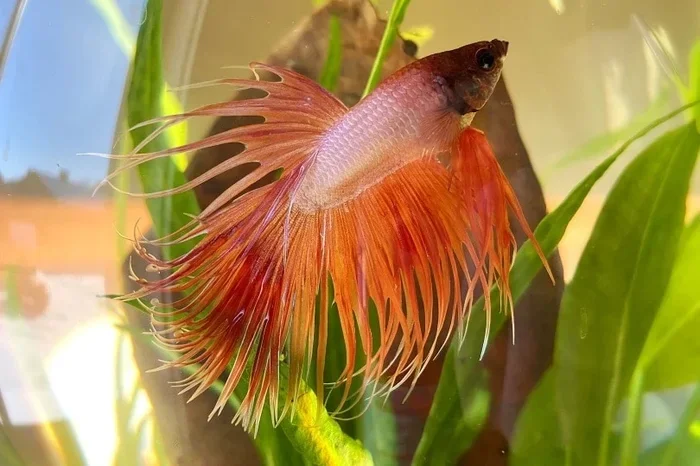
Are Betta Fish Violent
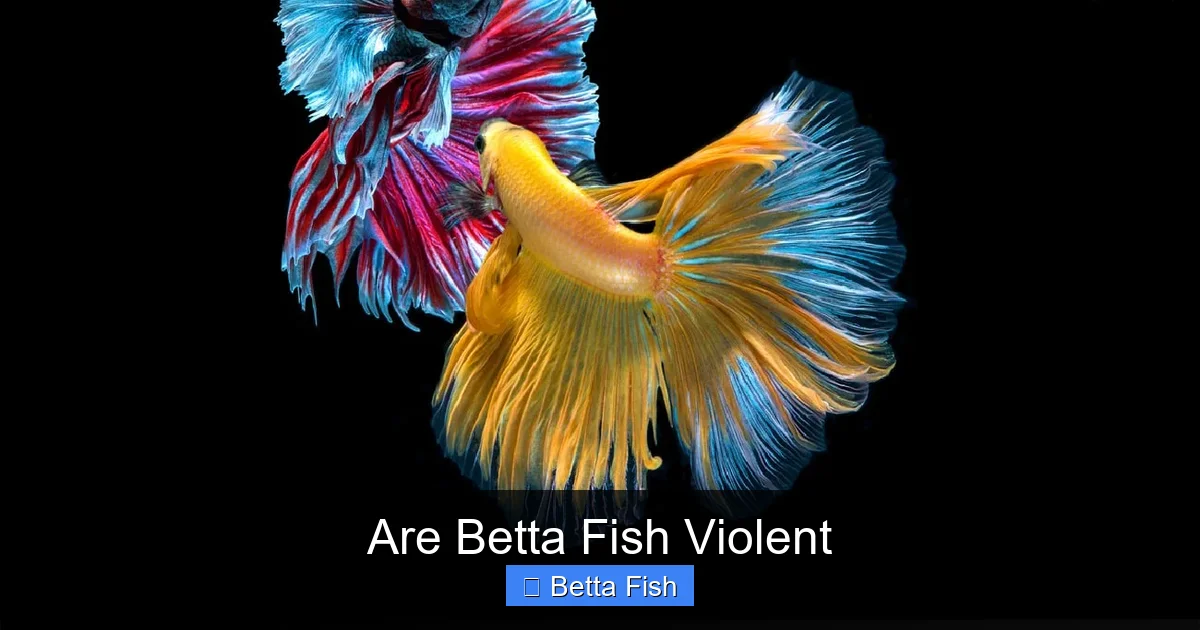
Betta fish are not mindless killers, but they do have a natural streak of aggression that can surprise new owners. Understanding their behavior, tank setup, and social needs helps prevent fights and keeps your finned friend healthy and happy.
Key Takeaways
- Natural aggression: Male bettas are territorial and will flare at rivals, especially other males.
- Females can fight too: While less aggressive, females may still clash if cramped or stressed.
- Tank size matters: A proper aquarium (at least 5 gallons) reduces stress and limits fighting.
- Environmental enrichment: Plants, caves, and silk nets give bettas places to hide and explore.
- Correct companions: Choose peaceful tank mates that won’t trigger betta aggression.
- Observation is key: Early signs of stress or aggression can be managed before they become serious.
- Proper care reduces violence: Good water quality, stable temperature, and a balanced diet keep bettas calm.
📑 Table of Contents
- Introduction: The Myth of the “Violent” Betta
- 1. What Triggers Aggression in Betta Fish?
- 2. Male vs. Female Betta Aggression
- 3. Setting Up a Peaceful Betta Habitat
- 4. Choosing Tank Mates Wisely
- 5. Recognizing Early Signs of Aggression
- 6. Common Misconceptions About Betta Violence
- Conclusion: Balancing Beauty and Behavior
Introduction: The Myth of the “Violent” Betta
If you’ve ever watched a betta fish flare its gills and spread its fins, you might wonder, are betta fish violent? The answer isn’t a simple yes or no. In the wild, Siamese fighting fish (Betta splendens) evolved to defend tiny rice paddies from other males. That history gives them a strong instinct to protect their space. In a home aquarium, the same instinct can look like aggression, but it’s often a sign of stress, poor conditions, or simply a natural display.
In this article we’ll break down the science behind betta aggression, compare male and female behavior, and give you practical steps to create a calm environment. By the end, you’ll know exactly when a flaring betta is just showing off and when it’s a warning sign of danger.
1. What Triggers Aggression in Betta Fish?
Territorial Instincts
Male bettas are famously territorial. In the wild they guard small, shallow pools where they build bubble nests. If another male enters the area, they will flare, bite, and even chase the intruder. This is a survival skill, not mindless violence.

Visual guide about Are Betta Fish Violent
Image source: theaquaadvisor.com
Visual Stimuli
Betta eyes are tuned to movement and bright colors. A reflective surface, a brightly colored tank mate, or even a neighbor’s aquarium can set off a flare response. This is why many owners see their betta “attack” the glass.
Stress Factors
- Overcrowding: Small bowls or tanks under 5 gallons force bettas into close quarters, heightening aggression.
- Poor water quality: High ammonia or fluctuating temperatures make fish irritable.
- Improper diet: Low‑protein foods can lead to lethargy, which sometimes manifests as sudden aggression.
2. Male vs. Female Betta Aggression
Male Betta Behavior
Male bettas are the stars of the aggression show. They will flare at their own reflection, other males, and sometimes even at large, colorful objects. The famous article Why Are Male Betta Fish So Aggressive explains that testosterone levels and the need to protect a bubble nest drive this behavior.
Female Betta Behavior
Contrary to popular belief, female bettas are not always peaceful. While they are generally less territorial, they can become aggressive when kept in cramped spaces or when competing for food. The guide Are Female Betta Fish Aggressive notes that a group of females can establish a loose hierarchy, leading to occasional skirmishes.
When Females Fight Each Other
If you notice fin nipping or constant flaring among females, it may be a sign of overcrowding. Providing at least 2‑3 gallons per female and plenty of hiding spots can calm the situation.
3. Setting Up a Peaceful Betta Habitat
Tank Size and Shape
Many beginners start bettas in tiny bowls, but research shows that a 5‑gallon tank dramatically reduces stress. A larger space allows the fish to establish a territory without feeling threatened.
Water Conditions
- Temperature: 76‑82 °F (24‑28 °C) – stable temperature prevents irritability.
- pH: 6.5‑7.5 – slightly acidic to neutral water mimics their native habitat.
- Filtration: A gentle sponge filter provides water movement without strong currents.
Enrichment and Hiding Places
Live plants such as Which Live Plants Are Good For Betta Fish give natural cover and help diffuse aggressive displays. Silk plants, caves, and driftwood also work well. These items break lines of sight, reducing the chance of a betta seeing its own reflection and flaring.
4. Choosing Tank Mates Wisely
Compatible Species
Peaceful community tanks are possible if you pick the right companions. Small, non‑fin‑nipping fish such as neon tetras, rasboras, or small catfish can coexist, provided the tank is large enough and there are plenty of hiding spots.
Species to Avoid
Long‑finmed fish (e.g., guppies) and other bettas are a big no‑no. Their flowing fins look like a target, and they may trigger a fight. For more detail on why male bettas are kept separate, see Why Are Male Betta Fish Kept Separate.
Introducing New Fish
Always quarantine new arrivals for at least two weeks. When adding them to the betta’s tank, use a separator or a slow acclimation method to let the betta see the newcomers without direct contact.
5. Recognizing Early Signs of Aggression
Physical Indicators
- Flaring gills and spreading fins.
- Darkening of the body (a stress color change).
- Rapid, erratic swimming near the surface.
Behavioral Clues
If your betta constantly circles a particular spot, it may be defending a perceived territory. A sudden increase in feeding aggression (snatching food aggressively) can also signal rising stress.
What to Do When Aggression Escalates
- Check water parameters – fix any spikes immediately.
- Provide more hiding spots or rearrange décor to break sight lines.
- If aggression persists, consider moving the betta to a separate tank.
6. Common Misconceptions About Betta Violence
“Betta fish are murderers.”
In reality, bettas only attack when they feel threatened or need to protect a nest. They are not predisposed to kill other species without provocation.
“All bettas are equally aggressive.”
Temperament varies by strain, gender, and individual personality. Some fancy varieties are calmer than the traditional “fighter” strains.
“A flared betta is always angry.”
Flare displays can be a normal greeting, a response to bright light, or simply a way to show off. Observing the context helps you decide if it’s a problem.
Conclusion: Balancing Beauty and Behavior
So, are betta fish violent? The short answer is no, but they do have a strong instinct to defend their space, especially males. By providing ample space, clean water, and plenty of enrichment, you can channel that natural energy into beautiful displays rather than harmful fights. Remember to watch for early warning signs, choose compatible tank mates, and treat each fish as an individual. With the right care, your betta will be a vibrant, peaceful centerpiece rather than a source of aquarium drama.
Frequently Asked Questions
Do betta fish bite?
Yes, bettas can bite if they feel threatened or if another fish nips at their fins. A bite is usually a defensive response, not aggressive predation.
Can two male bettas live together?
Generally no. Male bettas are highly territorial and will fight to the death. If you must keep them together, use a divided tank with a solid barrier.
Are female bettas less aggressive than males?
Female bettas are usually calmer, but they can still show aggression, especially in crowded conditions or when establishing a hierarchy.
How can I stop my betta from flaring at the glass?
Reduce reflections by covering the back of the tank, add plants or décor to break the line of sight, and ensure the tank is large enough to give the fish a sense of security.
What is the ideal tank size for a single betta?
A minimum of 5 gallons is recommended. Larger tanks provide more stable water parameters and reduce stress, which in turn lowers aggression.
Is it okay to keep a betta with shrimp?
Some shrimp species, like ghost shrimp, can coexist with bettas if the tank has plenty of hiding places. However, larger or more active shrimp may become targets.