Can a Marble Betta Fish Turn Cellophane
Can a marble betta fish turn cellophane? Yes—curiosity and bright colors can lead them to bite and shred thin plastic. Understanding the behavior, preventing accidents, and providing proper enrichment will keep your marble betta thriving.
Key Takeaways
- Marble bettas may bite cellophane: Their natural nibbling instincts can cause them to test and sometimes chew thin plastic.
- Health risks are real: Ingested cellophane can cause blockages, injury, or stress.
- Prevention starts with tank setup: Removing loose plastic, using safe décor, and providing live plants reduce curiosity.
- Enrichment matters: Toys, floating logs, and varied feeding methods satisfy a marble betta’s investigative nature.
- Monitor and act quickly: Spotting torn cellophane or unusual behavior helps you intervene before problems develop.
- Regular water changes aid recovery: Clean water lessens the chance of digestive issues if a small piece is swallowed.
- Know the signs of trouble: Loss of appetite, bloating, or erratic swimming signal a possible blockage.
📑 Table of Contents
Introduction: The Curious Marble Betta
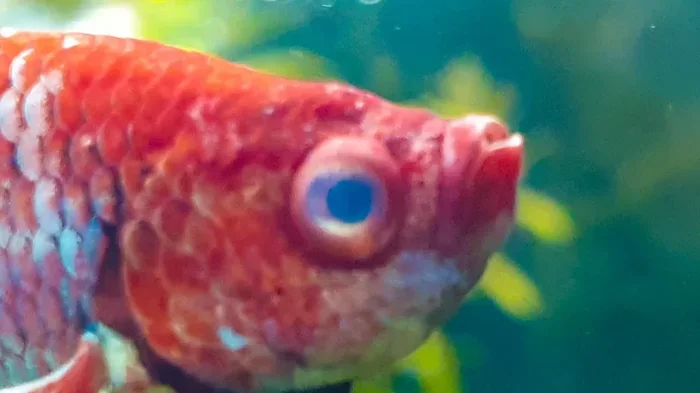
Marble betta fish are famous for their swirled, speckled patterns that look like someone tossed paint into water. Their eye‑catching colors make them a favorite for beginner and seasoned aquarists alike. But beyond their looks, marble bettas are also known for being particularly inquisitive. They love to explore every nook, test objects with their mouths, and sometimes, they’ll try to turn cellophane into a chew toy.
If you’ve ever watched a marble betta nibble at a piece of clear plastic, you might wonder whether it’s harmless or a sign of danger. This article breaks down the science behind the behavior, the risks involved, and practical steps you can take to keep your fish safe while still satisfying its natural curiosity.
Why Marble Bettas Might Turn Cellophane
Natural Nibbling Instinct
Betta fish belong to the gourami family, which evolved to surface‑feed on insects and tiny crustaceans. In the wild, they use their small, forward‑facing mouth to grab and test anything that moves near the surface. In a home aquarium, that instinct often translates into “testing” any new object—especially something that reflects light, like cellophane.
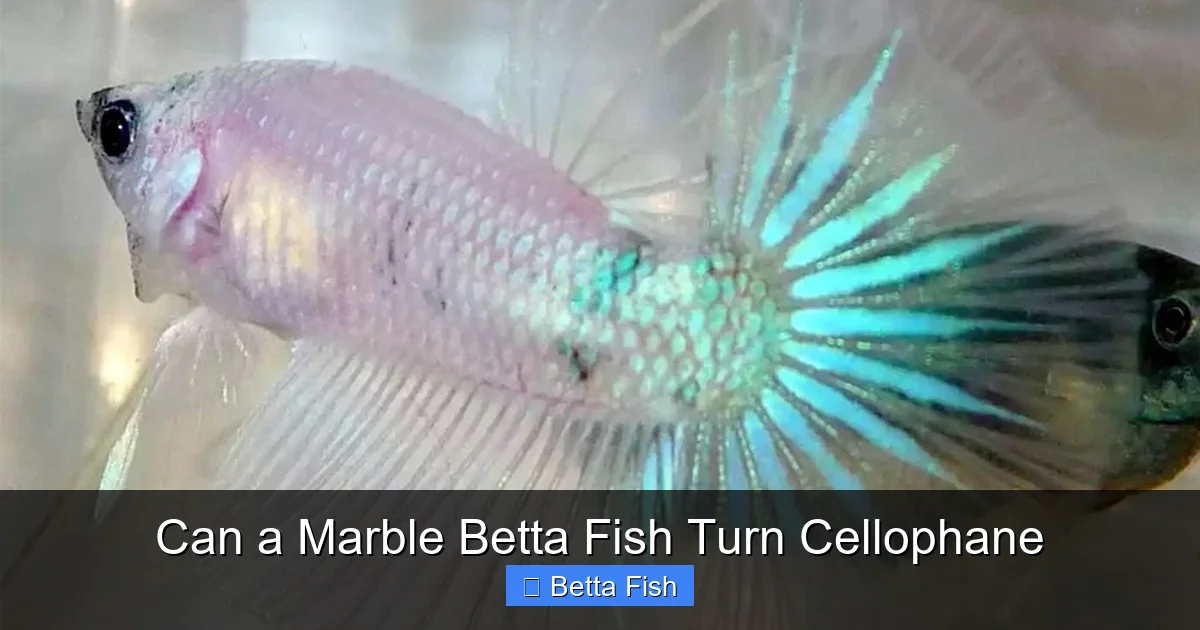
Visual guide about Can a Marble Betta Fish Turn Cellophane
Image source: theaquaadvisor.com
Bright Colors and Reflections
Cellophane is usually clear or lightly colored and reflects the aquarium lighting. Marble bettas are attracted to bright, shifting reflections, mistaking them for potential prey or a fun object to play with. The shimmering effect triggers their hunting response, prompting a quick bite.
Stress and Boredom
When a marble betta feels under‑stimulated, it may turn to anything it can find to occupy its mind. A piece of cellophane stuck to the tank lid or a plastic bag left on the side can become an accidental toy. Providing mental enrichment reduces the likelihood of this behavior.
Health Risks of Cellophane Ingestion
Physical Injury
Cellophane is thin but not digestible. If a marble betta chews a piece off and swallows it, the plastic can snag on the delicate lining of its mouth or gills, causing tiny cuts or abrasions.
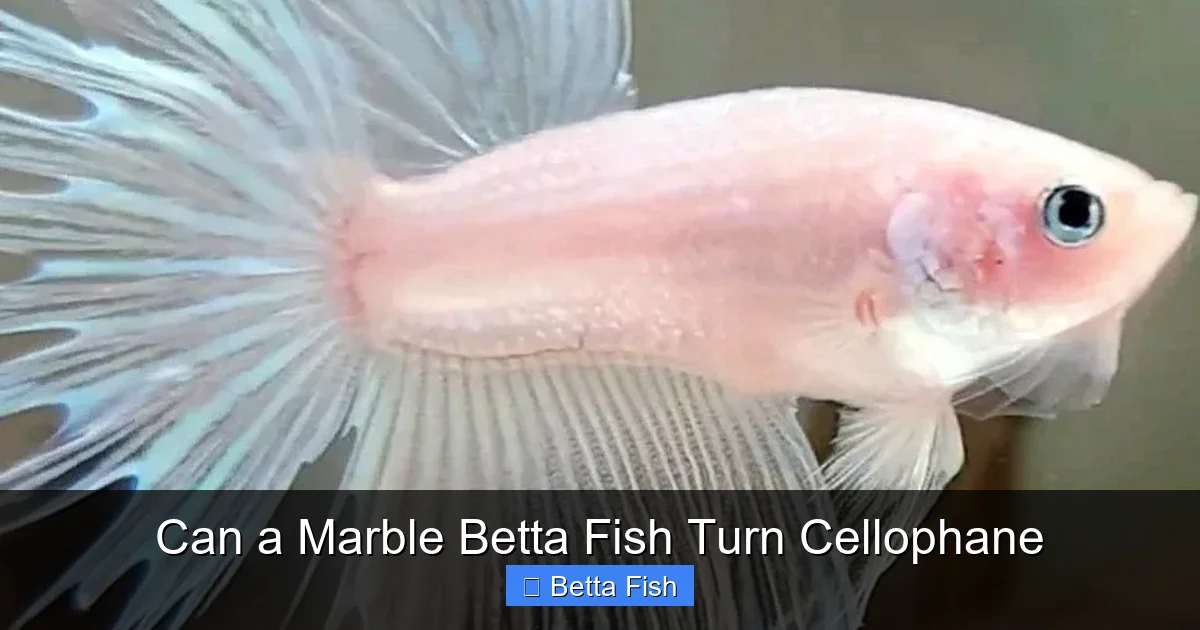
Visual guide about Can a Marble Betta Fish Turn Cellophane
Image source: rarebettafishstore.com
Digestive Blockage
The most serious risk is a blockage in the gastrointestinal tract. Even a small fragment can become lodged, leading to constipation, bloating, and loss of appetite. In severe cases, the blockage can be fatal if not treated promptly.
Water Quality Impact
When cellophane breaks down, it can release tiny fibers into the water. These fibers may cloud the tank and provide a surface for harmful bacteria to grow, further stressing the fish.
Preventing Cellophane Accidents
Inspect Your Tank Regularly
Make it a habit to check the aquarium for stray pieces of plastic each week. Look at the tank lid, decorations, and any recent deliveries that might have left packaging remnants.
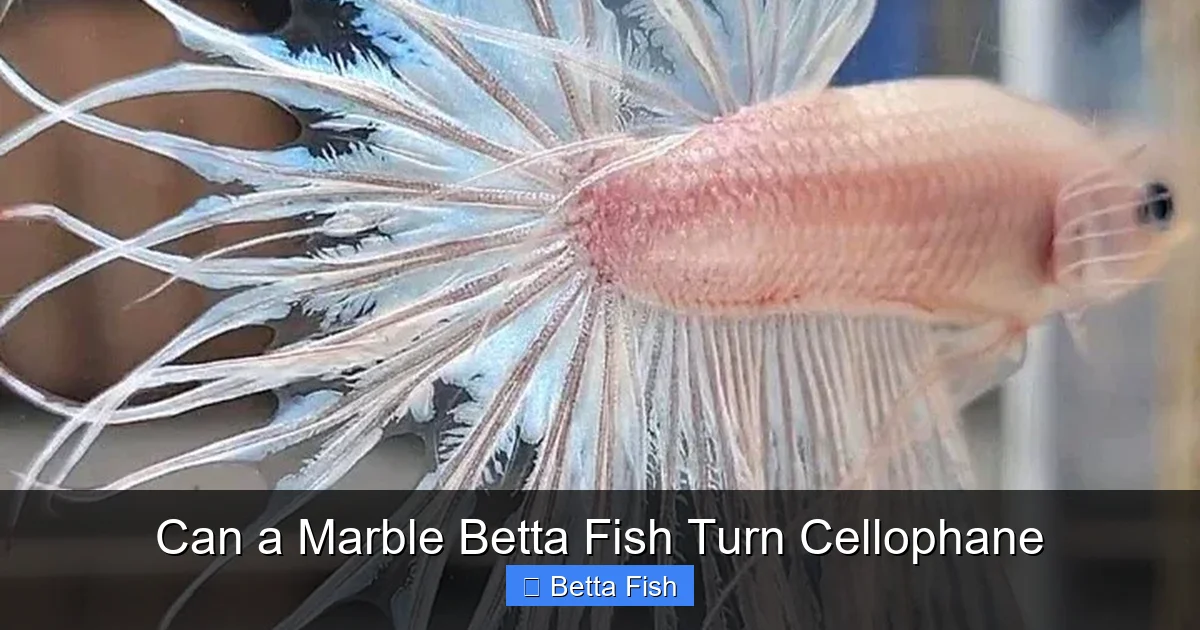
Visual guide about Can a Marble Betta Fish Turn Cellophane
Image source: rarebettafishstore.com
Choose Betta‑Safe Décor
Opt for natural décor such as live plants, driftwood, and smooth rocks. Avoid plastic ornaments that can be easily chewed. If you do use plastic, ensure it is labeled “betta safe” and is thick enough not to break under gentle nibbling.
Cover the Tank Properly
Using a tight‑fitting lid prevents accidental contact with cellophane from outside the tank. A secure lid also keeps curious pets (like cats) from dropping paper or plastic inside.
Replace Cellophane with Safer Alternatives
If you need to use a plastic cover for a temporary purpose, consider a clear acrylic sheet instead of cellophane. Acrylic is rigid, cannot be shredded, and offers the same visual benefit.
Enrichment Strategies
Providing alternative objects for your marble betta to explore can dramatically lower the temptation to turn cellophane. Below are a few low‑cost ideas:
- Floating logs or corks: Natural wood floats and offers a surface for the betta to rest and nuzzle.
- Live plants: Java moss, Anubias, or Marimo balls give texture and hiding spots.
- Betta “play” toys: Small, betta‑specific toys made from silicone or smooth silicone rubber are safe to chew.
- Varied feeding: Offer frozen or live foods (e.g., daphnia, bloodworms) a few times a week to satisfy hunting instincts.
What to Do If Your Betta Has Chewed Cellophane
Immediate Observation
Watch your marble betta closely for any signs of distress. Look for:
- Rapid or erratic swimming
- Gasping at the surface
- Bloated abdomen
- Loss of appetite for 24‑48 hours
Water Change and Cleaning
Perform a 25‑30% water change using conditioned water. This dilutes any potential toxins and removes any stray fibers that may have broken off.
Consult a Vet or Experienced Aquarist
If you notice bloating or a sudden change in behavior, it’s best to seek professional advice. Some vets can perform a gentle stomach flush, but early detection is key.
Prevent Future Incidents
After an incident, double‑check your tank for any remaining plastic. Replace any questionable décor and reinforce your enrichment routine.
Creating a Betta‑Friendly Environment
Tank Size and Layout
While marble bettas can survive in small bowls, a 5‑gallon tank offers more swimming space and makes it easier to set up a secure, plastic‑free environment. For more details on tank size, see our guide on Can You Keep Betta Fish In A Small Bowl.
Temperature and Water Parameters
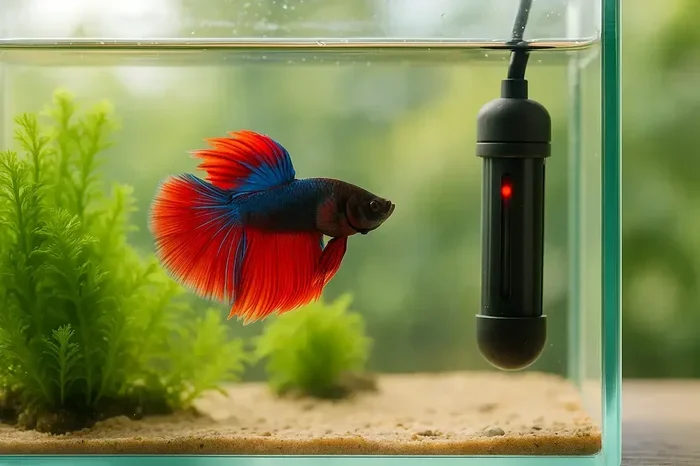
Maintain a stable temperature between 76°F and 82°F (24°C‑28°C). Use a heater with an adjustable thermostat and test the water weekly for ammonia, nitrite, and nitrate levels.
Lighting
Soft, diffused lighting reduces glare on the water surface, which can lessen the reflective allure of any remaining cellophane. A 10‑hour light cycle mimics natural conditions.
Feeding Routine
Feed high‑quality betta pellets once or twice daily, supplemented with occasional treats like frozen bloodworms. Avoid over‑feeding, which can cloud the water and increase the chance of debris (including plastic) sticking to surfaces.
Regular Maintenance
Clean the substrate with a siphon, wipe the glass, and replace filter media as recommended. A clean tank is less inviting for stray plastic pieces to cling to.
Conclusion: Keep Curiosity Safe
Marble betta fish are beautiful, inquisitive companions. Their natural urge to explore can sometimes lead them to turn cellophane, but with a few simple precautions—regular tank inspections, safe décor, and plenty of enrichment—you can keep your fish healthy and happy. Remember to act quickly if you suspect ingestion, and always prioritize a clean, well‑maintained environment. By respecting your marble betta’s curiosity, you’ll enjoy countless vibrant displays of color and personality for years to come.
Frequently Asked Questions
Can a marble betta fish actually chew through cellophane?
Yes, marble bettas have small, sharp teeth that can bite thin cellophane. While they might not completely shred it, they can create small tears and potentially ingest fragments.
Is cellophane dangerous if a betta swallows a tiny piece?
Even a tiny piece can cause a blockage in the digestive tract or irritate the gut lining. Prompt observation and a water change are recommended if ingestion is suspected.
What are safe alternatives to cellophane for covering a tank?
Clear acrylic sheets or glass lids are sturdy, non‑chewable options that provide the same visibility without the risk of shredding.
How can I tell if my betta is stressed by chewing plastic?
Signs of stress include frantic swimming, loss of appetite, faded colors, and frequent hiding. Reduce stress by adding plants, hiding spots, and varied foods.
Can I use live plants to distract my marble betta from plastic?
Absolutely. Live plants like Java moss and Anubias give a natural texture for the betta to explore and help satisfy its curiosity.
Where can I find more information on keeping bettas safe from plastic hazards?
Check out our article on Can You Keep Betta Fish In A Bowl for broader safety tips and tank setup advice.