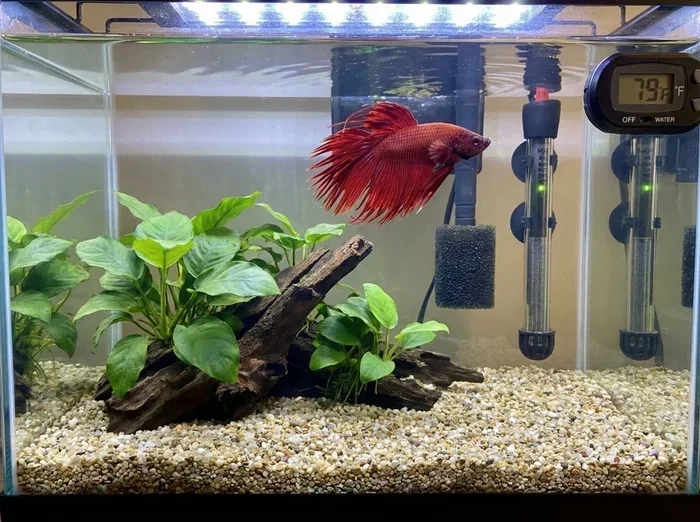
How Often Do Betta Fish Have to Eat
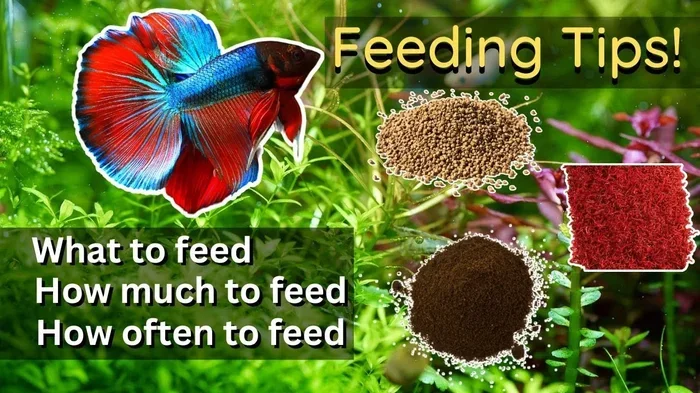
So, how often do betta fish have to eat? The answer is once or twice a day with small portions each time. A proper betta fish feeding schedule keeps your fish healthy, active, and prevents common problems like overfeeding and bloating.
Keeping a betta fish healthy starts with one simple thing: feeding them the right way. Many new fish owners wonder how often do betta fish have to eat, and the answer might surprise you. It is not as simple as tossing food into the tank whenever you feel like it. A proper betta fish feeding schedule makes a huge difference in your fish’s energy, color, and lifespan.
In this guide, we will walk through everything you need to know about betta fish diet and feeding frequency. Whether you are a complete beginner or have had bettas for years, you will find practical tips that work. Let us dive in and make feeding time easy and stress-free for both you and your fish.
Key Takeaways
- Feed betta fish 1-2 times daily: Small meals twice a day or one larger meal works best for adult bettas.
- Portion control is critical: Only give what your betta can eat in 2 minutes to avoid overfeeding.
- Variety matters: Rotate between pellets, frozen, and live foods for balanced betta fish nutrition.
- Watch for hunger cues: A healthy betta shows interest in food but doesn’t beg constantly.
- Fasting days help digestion: Skip one feeding per week to prevent constipation and bloating.
- Follow a consistent schedule: Feeding at the same times daily builds a healthy betta fish care routine.
📑 Table of Contents
- Why Feeding Schedule Matters for Betta Fish
- How Often Should You Feed Your Betta Fish
- How Much Food Should You Give Each Feeding
- Best Foods for Betta Fish
- Signs You Are Overfeeding or Underfeeding Your Betta
- Common Feeding Mistakes and How to Fix Them
- Building the Perfect Betta Fish Feeding Routine
- Conclusion
Why Feeding Schedule Matters for Betta Fish
Betta fish are not like goldfish. They do not need food constantly floating around the tank. In fact, overfeeding is one of the most common causes of health problems in bettas. A steady and predictable feeding frequency helps your fish digest food properly and stay active.
When you follow a consistent betta fish feeding schedule, several good things happen:
- Better digestion: Betta fish have small stomachs. Eating on a regular schedule helps their bodies process food efficiently.
- Stronger immune system: Proper betta fish nutrition keeps diseases at bay and supports vibrant colors.
- Less waste in the tank: When your fish eats the right amount, there is less leftover food rotting in the water.
- Reduced stress: Fish that know when to expect food feel more secure and display natural behaviors.
Think of it like your own meals. You do not snack all day long, right? Your betta feels the same way. A structured eating pattern is one of the simplest ways to boost your fish’s quality of life.
How Often Should You Feed Your Betta Fish
The general rule for how often do betta fish have to eat is once or twice a day. Most experienced fish keepers recommend two small feedings per day. This gives your betta a steady energy supply without overwhelming its tiny digestive system.
Feeding Adult Betta Fish
For adult bettas, twice a day is the sweet spot. Give a small pinch of food in the morning and another small pinch in the evening. Each feeding should take about 2 minutes for your fish to finish. If there is food left after 2 minutes, you gave too much.
Feeding Young Betta Fish
Baby bettas, also called fry, need more frequent meals. Young bettas should eat 3 to 4 times a day in very small amounts. Their growing bodies need constant fuel. As they mature, you can slowly reduce the number of daily feedings down to twice a day.
Can You Feed Betta Fish Once a Day?
Yes, some owners prefer a single daily feeding. This works fine as long as the portion is right. One larger meal a day can be just as healthy as two smaller ones. Some keepers even recommend one meal with a fasting day in between. If you choose this route, make sure your betta is still active and eating well.
For more details on daily feeding habits, check out this guide on how often do betta fish eat.
How Much Food Should You Give Each Feeding
This is where many betta owners go wrong. The right portion size matters just as much as the feeding schedule. So how much should you actually give your betta?
Here is a simple rule of thumb:
- 2 to 3 pellets per feeding: For standard betta pellets, 2 to 3 pieces are enough for one meal.
- Size reference: The food should be no bigger than your betta’s eyeball. Their stomach is roughly that size.
- 2-minute rule: Your betta should finish all the food within 2 minutes. If food sits on the bottom, remove it.
A good betta fish care routine includes measuring portions at first. Over time, you will get a feel for the right amount without measuring. But starting with a controlled portion helps you avoid the number one betta killer: overfeeding.
Best Foods for Betta Fish
Not all fish food is created equal. Bettas are carnivores, which means they need protein-rich foods. Understanding your options for betta fish diet helps you make the best choices.
Betta Pellets
High-quality betta pellets are the foundation of a good diet. Look for pellets where fish meal or whole krill is listed as the first ingredient. Avoid pellets filled with fillers like corn or wheat. These offer little nutrition and can cause bloating.
Frozen and Freeze-Dried Foods
Foods like frozen bloodworms, brine shrimp, and daphnia make excellent treats. They are packed with protein and mimic what bettas eat in the wild. Always soak freeze-dried foods before feeding to prevent them from expanding in your fish’s stomach.
Live Foods
Live brine shrimp or bloodworms are the most natural option. Many bettas go crazy for them. Live foods are great for bettas that won’t eat pellets because the movement triggers their hunting instinct. Just make sure you source them from a reputable supplier to avoid introducing parasites.
Can You Feed Betta Fish Flakes?
You can, but flakes are not ideal. They lack the protein density bettas need and tend to fall apart quickly, making a mess of the tank. If you use flakes, choose a high-quality tropical flake and feed sparingly. For more on this topic, read how often do you feed betta fish flakes.
| Food Type | Protein Content | Best For | Feeding Frequency |
|---|---|---|---|
| Betta Pellets | High (35-45%) | Daily staple | 1-2 times per day |
| Frozen Bloodworms | Moderate | Treat or supplement | 2-3 times per week |
| Live Brine Shrimp | High | Treat or training food | 1-2 times per week |
| Freeze-Dried Foods | Moderate-High | Occasional treat | 1-2 times per week |
| Tropical Flakes | Low-Moderate | Not recommended as staple | Occasional only |
Signs You Are Overfeeding or Underfeeding Your Betta
Knowing the betta fish appetite cues helps you adjust your routine. Both overfeeding and underfeeding come with clear warning signs.
Signs of Overfeeding
- Food left in the tank after 2 minutes: This is the biggest red flag.
- Bloated or distended belly: A betta that looks like a little balloon may be eating too much.
- Lethargy and loss of color: Too much food leads to poor water quality, which drains your fish’s energy.
- Floating at the top or lying on the bottom: Both can indicate digestive discomfort from excess food.
- Cloudy or dirty water: Uneaten food decomposes fast and tanks the water quality quickly.
If you notice any of these signs, cut back on portions immediately. If problems persist, check out what to do when your betta fish won’t eat for helpful recovery tips.
Signs of Underfeeding
- Constant begging at the glass: Your betta swims to the surface every time you approach.
- Weight loss and a thin body: You should see a gentle curve, not a skinny frame.
- Dull colors: Poor nutrition causes bettas to lose their vibrant hues.
- Lethargy: An underfed betta will have less energy and spend more time resting.
If you see these signs, try increasing the portion slightly or adding an extra feeding. Sometimes a betta just needs more variety to stay interested in food.
Common Feeding Mistakes and How to Fix Them
Even experienced betta keepers make mistakes. Here are the most common ones and how to avoid them.
Mistake 1: Feeding Too Much at Once
It is tempting to give a big meal because your betta seems hungry. But bettas have tiny stomachs. A large meal can cause bloating, constipation, and even swim bladder problems. Stick to small portions and let your fish come back for seconds if it finishes quickly.
Mistake 2: Feeding at Random Times
Inconsistent feeding throws off your fish’s internal clock. Try to feed at the same times every day. Morning and evening work well for most people. A predictable betta fish feeding schedule also makes it easier to monitor how much your fish is actually eating.
Mistake 3: Skipping Fasting Days
Bettas benefit from a fasting day once a week. This gives their digestive system a break and helps prevent constipation. Many owners skip this step and wonder why their betta seems sluggish. One day off from food per week can work wonders for betta fish health.
Mistake 4: Ignoring Food Quality
Cheap, low-quality food may save a few dollars but lacks the nutrition your betta needs. Invest in high-quality pellets from reputable brands. Your fish will look better, act more energetic, and live longer because of it.
Mistake 5: Not Adjusting for Tank Temperature
Betta fish eat more in warmer water and less in cooler water. If your tank is below 76°F, your betta’s metabolism slows down and it needs less food. Adjust portions based on the temperature to keep your fish comfortable.
For more guidance on keeping your betta healthy, explore these resources on water changes for betta fish and filtered tanks for bettas.
Building the Perfect Betta Fish Feeding Routine
Now that you understand the basics, let us put it all together into a simple daily routine you can follow.
- Morning feeding (8-9 AM): Give 2-3 pellets or a small pinch of food. Watch your betta eat for 2 minutes.
- Evening feeding (6-7 PM): Repeat the same portion. Remove any uneaten food with a net or siphon.
- One fasting day per week: Choose a day (Sunday works well) and skip feeding entirely.
- Weekly treat day: Offer a small piece of frozen or live food once a week as a supplement.
- Monthly check-up: Review your betta’s weight, color, and energy levels. Adjust portions as needed.
This routine covers all the bases for betta fish nutrition and keeps things simple. You do not need to overcomplicate feeding. Consistency and portion control are the two pillars of a healthy betta fish care routine.
If you ever find your betta refusing food, do not panic right away. There are many reasons a betta might stop eating, from stress to water quality issues. Check out what to do if your betta fish won’t eat for a full troubleshooting guide.
Conclusion
How often do betta fish have to eat comes down to one simple principle: small, consistent meals 1-2 times a day. A good betta fish feeding schedule with proper portion sizes keeps your fish healthy, colorful, and active for years. Remember to watch for signs of overfeeding or underfeeding, rotate food types for balanced betta fish nutrition, and never skip the weekly fasting day.
Feeding your betta does not have to be complicated. With the right knowledge and a little routine, you can give your fish the best care possible. Your betta will thank you with bright colors, energetic swimming, and a long, happy life.
Frequently Asked Questions
How many times a day should I feed my betta fish?
Feed your betta fish 1 to 2 times per day. Two smaller meals work best for most adult bettas. Each meal should be a small portion that your fish finishes within 2 minutes.
Can I feed my betta fish once a day instead of twice?
Yes, feeding once a day is perfectly fine as long as the portion is right. Some betta owners prefer one meal a day with a fasting day in between. Just make sure your fish stays active and maintains a healthy weight.
How much food should I give my betta at each feeding?
Give your betta 2 to 3 pellets per feeding, or an amount roughly the size of its eyeball. The food should be gone within 2 minutes. If there is leftover food, you gave too much.
What happens if I overfeed my betta fish?
Overfeeding causes bloating, constipation, and poor water quality from uneaten food decaying in the tank. It can lead to serious health problems and even death. Always feed small portions and remove any leftover food promptly.
Do betta fish need a fasting day?
Yes, betta fish benefit from one fasting day per week. Skipping a meal once a week helps their digestive system reset and prevents constipation. It is a simple practice that supports long-term betta fish health.
Why is my betta fish not eating?
There are several reasons a betta might refuse food, including stress, poor water quality, illness, or simply being picky. Check your water parameters first, then consider offering different food types like frozen bloodworms or live brine shrimp to spark their appetite.