How to Sex a Half Moon Betta Fish
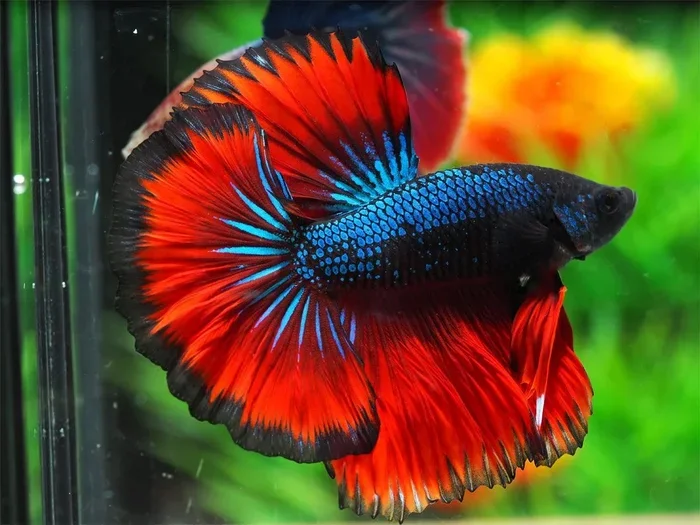
Sexing a half moon betta fish is easier than most new fish keepers think. By looking at fin length, body shape, color intensity, and behavior, you can quickly determine whether your betta is male or female. This guide walks you through every reliable method so you can identify your fish with confidence.
Knowing how to sex a half moon betta fish is a skill every betta keeper should have. Whether you are a beginner or a seasoned hobbyist, identifying the gender of your fish helps you make better care decisions. It also matters if you plan to breed your fish or simply want to understand their behavior better.
The half moon betta is one of the most popular tail types in the betta world. Its dramatic tail spread creates a perfect half circle when fully flared. But here is the thing. Many fish keepers struggle to tell males from females. The good news is that once you know what to look for, it becomes second nature.
Sexing a betta fish correctly starts with understanding the physical and behavioral differences between the two sexes. In this article, we will break down every sign you need to look for. By the end, you will feel confident identifying any half moon betta you encounter.
Learning how to sex a half moon betta fish properly can save you from costly mistakes. For example, keeping two males together will lead to fighting. And placing a male and female together without preparation can cause stress or even death. Getting the gender right from the start sets you up for success.
If you want a deeper dive into general betta sexing techniques, check out our guide on how to determine the sex of a betta fish. It covers the basics that apply to all betta varieties, including the half moon.
## What Is a Half Moon Betta Fish?
The half moon betta is a variety of betta fish known for its unique tail shape. When the fish flares its tail, the spread forms a perfect 180-degree semicircle. This tail type is also called a “half moon” because of its crescent-like appearance.
Half moon bettas come in a wide range of colors and patterns. You will find them in solid shades like red, blue, and green. There are also multicolor varieties, crowntail half moons, and double tail half moons. Each one has the signature wide tail spread that makes this variety so eye-catching.
The half moon betta is a favorite among hobbyists because of its stunning appearance. But beauty is not the only reason people love them. These fish have personalities too. Males in particular are known for their flaring and display behaviors. Understanding these behaviors is key to sexing them correctly.
## Why Sexing Your Half Moon Betta Matters
Sexing your half moon betta is not just a fun fact. It has real practical importance for fish care and tank management.
First, housing decisions depend on gender. Male bettas are highly territorial. Keeping two males in the same tank will almost always result in fighting. In contrast, females can sometimes live together in groups called sororities, though this requires careful setup.
Second, breeding decisions rely on knowing the sex of your fish. If you want to breed half moon bettas, you need one male and one female. You also need to prepare the tank properly to avoid aggression during the breeding process.
Third, health and behavior monitoring changes based on gender. Males and females can show different signs of stress or illness. Knowing which sex you have helps you respond appropriately.
For more information on general betta identification, our article on how to sex a betta fish provides a great foundation.
## How to Tell if a Half Moon Betta Is Male
Males are the more colorful and flamboyant sex in the betta world. If you see a half moon betta with bright, vivid colors and long flowing fins, there is a good chance it is a male. Let us break down the specific signs.
### Fin Shape and Length
The most obvious difference between male and female half moon bettas is the fins. Males have significantly longer fins, especially the caudal (tail) fin. The half moon tail on a male stretches wide and flows gracefully. The rays in the fins are longer and more dramatic.
Female half moon bettas also have the signature tail spread, but their fins are shorter and less elaborate. The tail may still form a half circle, but it looks more compact. The dorsal and anal fins on males are also noticeably longer than on females.
### Body Shape and Color
Male half moon bettas tend to have a sleek, streamlined body shape. They look athletic and built for display. Their coloration is typically more intense and vibrant. You will see deeper reds, brighter blues, and richer greens on males.
Females, on the other hand, have a rounder, slightly bulkier body. This is especially true when they are carrying eggs. The color difference is also notable. Females usually appear more muted or dull compared to males.
### Behavioral Differences
Male half moon bettas are famous for their flaring behavior. They will flare their gills and spread their fins to appear larger. This is a territorial display and is most common when they see another male or their own reflection.
Females rarely flare as aggressively. They may show some flaring, but it is usually less dramatic and less frequent. If you notice your betta flaring constantly, it is likely a male.
## How to Tell if a Half Moon Betta Is Female
Identifying a female half moon betta requires a slightly different set of clues. While they share some similarities with males, there are clear markers that set them apart.
### Body Shape and the Egg Spot
The body shape of a female half moon betta is rounder and wider than a male’s. This is especially noticeable in mature females who are ready to breed. Their abdomen may look slightly swollen when they are carrying eggs.
One of the most reliable signs of a female betta is the egg spot. This is a small white or speckled dot located on the underside of the fish, near the vent area. The egg spot is where eggs will be released during spawning. Not all females show a prominent egg spot, but when present, it is a strong indicator of femininity.
### Fin Differences
Female half moon bettas have shorter fins overall. The caudal fin still shows the half moon spread, but it is less dramatic. The dorsal and anal fins are noticeably shorter and less flowing. This fin difference is one of the easiest ways to tell the sex when you compare a male and female side by side.
For those interested in learning more about caring for male bettas specifically, we have a detailed guide on how to take care of a betta male fish that covers their unique needs.
## The Venting Method for Sexing Half Moon Bettas
Venting is a more hands-on method of determining the sex of your betta. It involves gently examining the area just below the fish’s belly, near the anal fin. This area is called the vent, and it reveals reproductive organs.
To vent a half moon betta, you need to hold the fish carefully in a soft net or use your fingers with a gentle grip. Look at the underside of the fish near the bottom of the belly. You will notice a small opening.
On a male betta, the vent appears more pointed and elongated. On a female, the vent is rounder and slightly larger. This method works well when visual differences are hard to see, such as in young fish or color-mutated varieties.
Venting should be done carefully and quickly. Prolonged handling can stress your fish. If you are not comfortable with this method, rely on the visual signs we discussed earlier. For a broader look at betta sexing approaches, visit our article on how to sex a betta fish.
## Common Mistakes When Sexing Half Moon Bettas
Even experienced fish keepers make mistakes when sexing half moon bettas. Here are some common errors to avoid.
### Relying on Color Alone
Color is not a foolproof indicator of gender. While males tend to be brighter, some female half moon bettas can also display vivid colors. Always combine color observation with other signs like fin length and body shape.
### Ignoring Age and Maturity
Young bettas can be very difficult to sex. The differences between males and females become more apparent as the fish matures. If you have a juvenile half moon betta, wait a few weeks and observe again before making a determination.
### Comparing Fish of Different Varieties
A half moon male and a crown tail female will look very different, even if they are the same sex. Always compare fish of the same variety when trying to determine gender. The tail shape can throw off your judgment if you are not careful.
### Overlooking Behavior
Some keepers focus only on physical traits and ignore behavior. Flaring frequency and body posture are valuable clues. A fish that flares constantly and holds its fins tall is very likely a male.
## Quick Tips for Accurate Sexing
Here are some fast, practical tips to help you sex your half moon betta with confidence.
- Compare side by side. Looking at a male and female next to each other makes differences obvious.
- Check the fins first. Longer, flowing fins usually mean a male.
- Look for the egg spot. A white dot on the underside strongly suggests a female.
- Observe flaring behavior. Constant flaring points to a male.
- Consider the body shape. Rounder and wider means female. Sleeker means male.
- Be patient. Wait until the fish is mature before making a final call.
- Use good lighting. Bright light helps you see subtle differences in color and body shape.
For more detailed information on half moon betta characteristics and care, check out our article on a half moon betta fish.
## Key Differences at a Glance
Here is a quick reference table that summarizes the main differences between male and female half moon bettas.
- Fin Length: Males have longer fins; females have shorter fins.
- Body Shape: Males are sleeker; females are rounder and bulkier.
- Color Intensity: Males are more vivid; females are more muted.
- Egg Spot: Females have a visible white egg spot; males do not.
- Flaring: Males flare frequently; females flare less often.
- Vent Shape: Males have a pointed vent; females have a rounder vent.
- Aggression Level: Males are more aggressive; females are generally calmer.
## Conclusion
Sexing a half moon betta fish is a straightforward process once you know what to look for. The combination of fin length, body shape, color intensity, behavior, and the presence of an egg spot gives you all the tools you need. No single sign is perfect on its own, but together they paint a clear picture.
Take your time and observe your fish carefully. Do not rush the process, especially if your fish is young. Give it a few weeks and revisit your observations. The differences will become more apparent as your betta matures.
Whether you are keeping a single half moon betta or planning a breeding project, knowing the sex of your fish is essential. It guides your tank setup, your feeding routine, and your overall care approach. Use the tips in this guide, and you will never second-guess the gender of your half moon betta again.
Remember, every fish is unique. Some individuals may show subtle differences that do not fit the typical patterns. Trust your observations and use the methods outlined here to build your confidence over time.
Key Takeaways
- Males have longer, more flowing fins: The half moon tail stretches to 180 degrees, and males display dramatically longer fins than females.
- Females have a visible egg spot: A small white dot on the underside is a clear sign of a female half moon betta.
- Body shape differs between sexes: Males are sleeker and more streamlined, while females are rounder and slightly bulkier.
- Color intensity varies: Males typically show brighter, more vivid colors compared to females.
- Behavior tells a story: Males flare and display aggressively, while females tend to be calmer unless breeding.
- Venting is a reliable method: Gently examining the vent area gives you a definitive answer on gender.
- Patience and comparison help: Looking at multiple fish side by side makes sexing much easier.
Frequently Asked Questions
Can you sex a half moon betta fish by color alone?
No, color alone is not a reliable way to sex a half moon betta. While males tend to have brighter colors, some females can also be very colorful. Always look at multiple signs including fin length, body shape, and behavior for an accurate determination.
At what age can you reliably sex a half moon betta?
You can usually start to see differences around 2 to 3 months of age. However, the most reliable sexing happens when the fish is fully mature, which is around 4 to 6 months. Young fish may look very similar regardless of gender.
Do female half moon bettas flare their fins?
Yes, females do flare, but much less frequently and aggressively than males. A female may flare when she feels threatened or when she sees another female. Male flaring is far more dramatic and constant.
What is the egg spot on a female betta fish?
The egg spot is a small white or speckled dot on the underside of the female fish, near the vent area. It is where eggs are released during spawning. Not all females show a prominent egg spot, but when visible, it is a strong indicator of femininity.
Can two female half moon bettas live together?
Yes, females can sometimes live together in a group called a sorority. However, this requires a properly set up tank with plenty of hiding spots and space. Not all females get along, so careful monitoring is essential.
Is venting safe for the fish?
Yes, venting is safe when done gently and quickly. Hold the fish carefully and examine the vent area without applying too much pressure. Prolonged handling can stress the fish, so keep the process brief and return the fish to its tank promptly.