How Old Do Betta Fish Live
Contrary to popular belief, betta fish don’t just live a year or two. With exceptional care, they commonly live 3 to 5 years, and some even reach 7 to 10 years. Their lifespan is almost entirely determined by the quality of their environment, diet, and genetics. A small, unheated bowl will drastically shorten their life, while a filtered, heated aquarium with a balanced diet is the key to unlocking their full potential.
Key Takeaways
- Genetics & Source Matter: A betta from a reputable breeder or store with healthy stock has a genetic head start toward a longer life.
- Tank Size is Non-Negotiable: A minimum of 5 gallons is essential. Small bowls or vases lead to stress, poor water quality, and a shortened lifespan.
- Heated, Filtered Water is Mandatory: Bettas are tropical fish requiring stable water temperatures (78-80°F) and a gentle filter to maintain pristine water quality.
- Diet is Foundational: A varied diet of high-quality pellets, frozen foods (like brine shrimp), and occasional daphnia prevents obesity and nutritional deficiencies.
- Water Changes are Preventive Medicine: Regular partial water changes (25-50% weekly) remove toxins and are the single most important maintenance task for longevity.
- Stress is the Silent Killer: Aggressive tank mates, bright lights, loud noises, and sudden temperature changes weaken their immune system, making them susceptible to disease.
- Observation is Key: Daily checks for changes in activity, appetite, color, or fin condition allow for early intervention against health issues.
📑 Table of Contents
- The Truth About Betta Fish Lifespan: Beyond the “Year Fish” Myth
- What’s Normal? Understanding the Natural Betta Lifespan
- The Pillars of Longevity: Factors That Determine How Long Your Betta Will Live
- Building the Perfect Betta Home: A Step-by-Step Guide to Longevity
- Common Health Issues That Shorten a Betta’s Life (and How to Prevent Them)
- Conclusion: Your Betta’s Lifespan is in Your Hands
The Truth About Betta Fish Lifespan: Beyond the “Year Fish” Myth
You’ve seen them, haven’t you? Those tiny, colorful fish swimming sadly in small cups or plastic bags at the checkout counter. The common story sold with them is that betta fish, also known as Siamese fighting fish, are disposable pets that live about a year. This is one of the most pervasive and damaging myths in the aquarium hobby. The reality is far more hopeful and places a profound responsibility on the keeper. So, how old do betta fish live? The answer is a powerful lesson in animal care: with proper, informed husbandry, a betta fish can easily live 3 to 5 years. With exceptional, meticulous care, some dedicated owners report their bettas thriving for 7, 8, or even 10 years. Their lifespan is not a fixed lottery ticket; it is a direct reflection of the environment you provide. This article will dismantle the myths and provide the complete, actionable blueprint for helping your betta achieve its maximum, healthy lifespan.
What’s Normal? Understanding the Natural Betta Lifespan
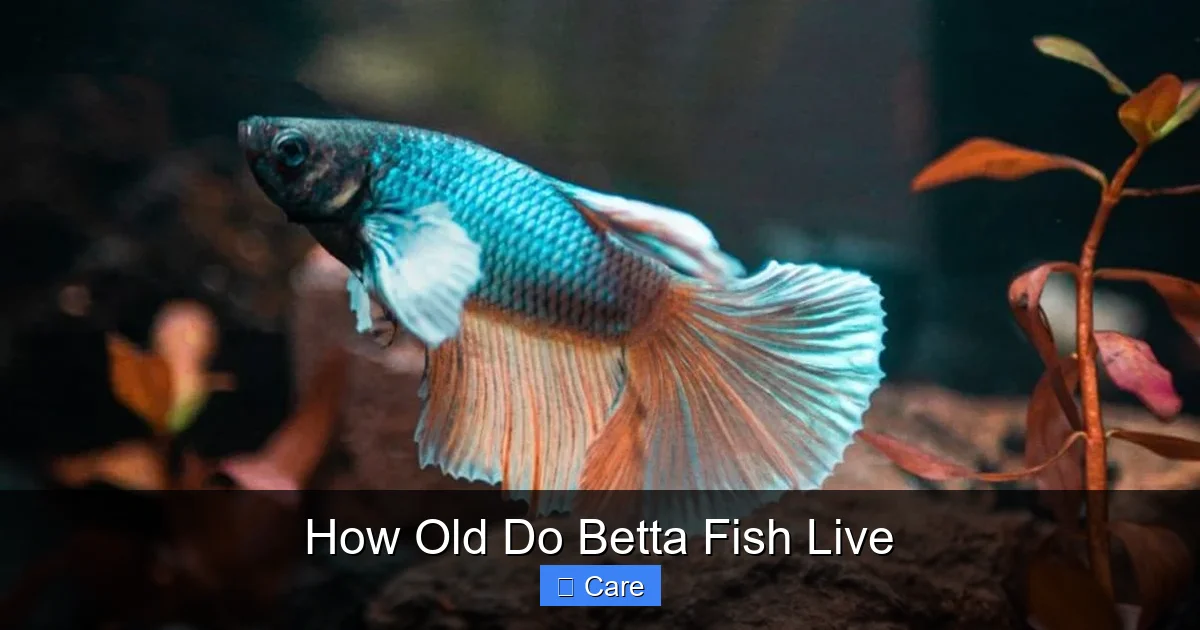
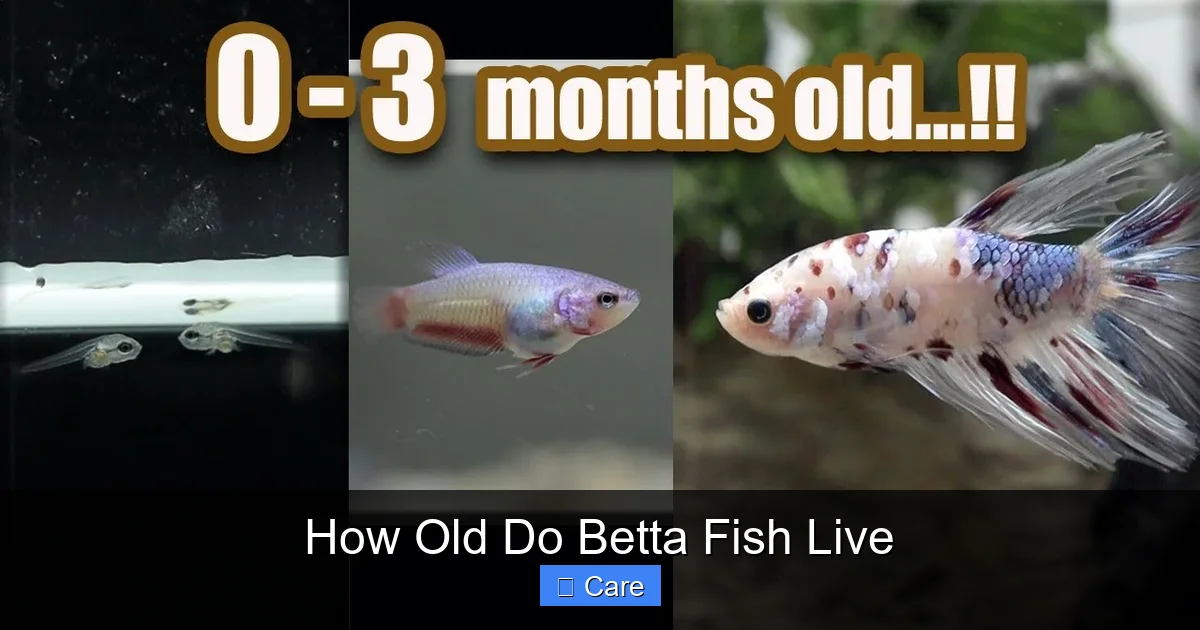
To set realistic expectations, we must first separate the myth from the biological reality. In the wilds of Thailand’s shallow rice paddies, streams, and floodplains, bettas face predators, pollution, and habitat destruction. Their average lifespan in these harsh conditions is likely only 1-2 years. However, this is not a benchmark for captive care. The bettas you find in pet stores are almost exclusively domesticated strains, selectively bred for generations for color and finnage. This domestication, combined with the protection from predators and consistent food of a well-maintained aquarium, allows them to live significantly longer.
Visual guide about How Old Do Betta Fish Live
Image source: cafishvet.com
The 3-5 Year Benchmark
For the average committed hobbyist who provides basic but correct care—a heated, filtered tank of appropriate size with regular water changes—a lifespan of 3 to 5 years is the reliable, achievable norm. This is not extraordinary; it is the expectation for a well-cared-for betta. You should plan for and expect your betta to be a 4-year companion. Many owners are pleasantly surprised when their fish hits the 5-year mark, but this should be the baseline goal, not the ceiling.
The Exceptional 7-10 Year Veteran
So, how do some bettas double that benchmark? It comes down to obsessive, near-perfect care. These long-lived veterans are often from high-quality, ethical breeders who prioritize genetic health over flamboyant fins that hinder swimming. Their owners treat the aquarium as a closed ecological system. They use high-end filtration, meticulously test water parameters with liquid test kits (not strips), feed a supremely varied and nutritious diet, and maintain impeccable water quality with frequent, precise water changes. They also minimize stress by providing a calm, enriching environment with appropriate tank mates (or a solitary setup) and stable conditions. Achieving this level requires knowledge, consistency, and investment, but it proves the incredible potential lifespan hidden within these small fish.
The Pillars of Longevity: Factors That Determine How Long Your Betta Will Live
A betta’s lifespan is a complex equation with several critical variables. Neglecting any one of these pillars can shave months or years off their life. Think of these not as a checklist, but as an interconnected system where each element supports the others.
Visual guide about How Old Do Betta Fish Live
Image source: fishkeepingguide.net
1. Genetics and Source: You Can’t Change Your Hand, But You Can Choose It
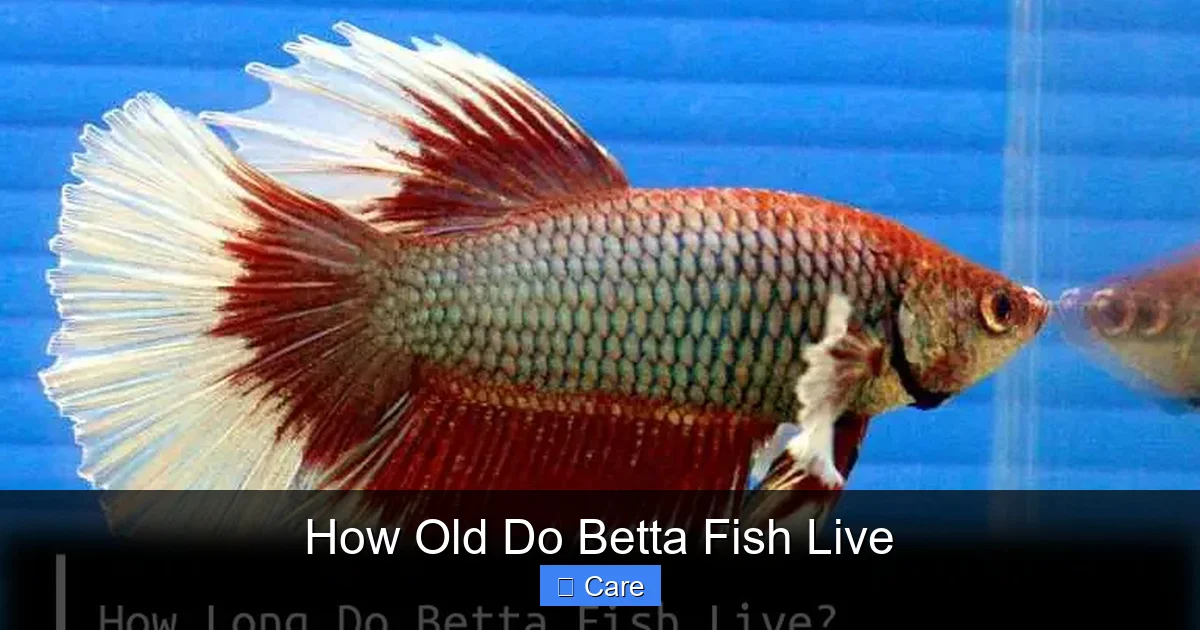
You cannot control your betta’s DNA, but you can make an informed choice at the point of purchase. Bettas from large-scale commercial breeders, often sold in big-box stores, are frequently inbred to achieve extreme colors and fin types (like the giant “king” bettas or massive halfmoon tails). This inbreeding can weaken immune systems, create skeletal deformities, and predispose them to diseases like dropsy. Seeking out a local, reputable fish store that sources from quality breeders, or purchasing directly from a specialized online breeder, increases your chances of starting with a genetically robust fish. Look for alert, active fish with undamaged fins and clear eyes in clean, warm display tanks. The initial investment in a healthier specimen pays dividends in longevity.
2. The Aquarium: Size, Filtration, and Heating
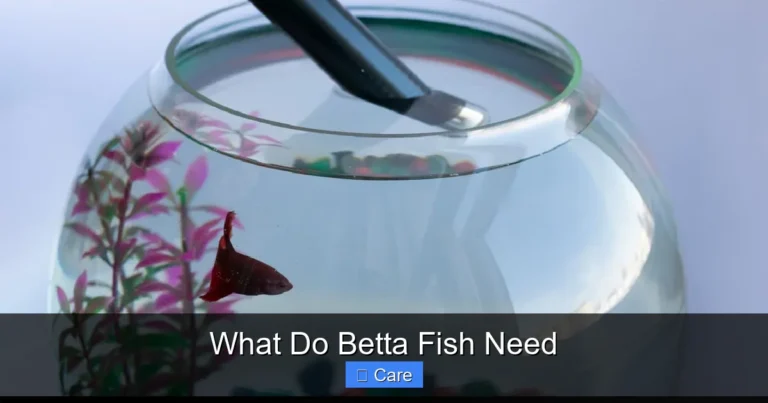
This is the most critical and most commonly failed pillar. The “betta in a bowl” image is animal cruelty, not pet ownership.
- Tank Size: A 5-gallon tank is the absolute minimum. This provides stable water parameters, dilutes waste, and allows for a proper heater and filter. A 10-gallon or larger is even better, offering more swimming space and a more stable ecosystem. Smaller volumes mean toxins build up faster and temperature swings are more severe.
- Heating: Bettas are tropical fish native to waters around 78-80°F (25.5-26.5°C). A small, reliable aquarium heater (25-50 watts for a 5-gallon tank) is non-negotiable. Cold water (below 76°F) slows their metabolism, suppresses their immune system, and makes them lethargic and prone to diseases like fin rot. Use a small, stick-on thermometer to verify the temperature.
- Filtration: A gentle filter is essential to cycle the tank (establish beneficial bacteria that process waste) and keep the water clear. The key is “gentle.” Bettas have delicate fins and are not strong swimmers. A sponge filter (air-driven) is the gold standard—it provides excellent biological filtration with a flow so soft it barely moves the surface. If using a hang-on-back (HOB) or internal power filter, baffle the flow with a sponge or adjust the output to a minimum.
3. Water Quality: The Invisible Lifeline
This is the single most important factor you control. Fish live in their own toilet. Ammonia and nitrite (from fish waste and decaying food) are lethal poisons. Nitrate is less toxic but still a stressor. The nitrogen cycle in your filter converts these toxins, but it must be established and maintained.
- The Cycle: You must “cycle” your tank before adding your betta. This 4-6 week process grows beneficial bacteria that consume ammonia and nitrite. Use a liquid test kit to monitor ammonia, nitrite, and nitrate. The tank is ready when you can add a small amount of ammonia and see it convert to nitrite, then to nitrate within 24 hours, with no ammonia or nitrite present.
- Water Changes: Even in a cycled tank, nitrate accumulates. Weekly partial water changes (25-50% of the tank volume) remove nitrates and other dissolved organics. Use a gravel vacuum to clean the substrate, targeting waste trapped there. Never change 100% of the water, as this destroys the beneficial bacterial colony and shocks the fish with sudden parameter changes. Always treat tap water with a dechlorinator that also detoxifies chloramine.
4. Nutrition: Fuel for a Long Life
Feed a high-quality, varied diet. Overfeeding is a common killer—it fouls the water.
- Staple: Use a premium betta pellet or micro-pellet as the base. Soak them briefly before feeding to prevent digestive issues (like swim bladder disorder).
- Variety & Treats: 2-3 times a week, supplement with frozen or freeze-dried foods: daphnia (great for digestion), brine shrimp, or bloodworms. These provide essential nutrients and are closer to their natural insectivorous diet.
- Fasting: One day a week with no food is beneficial for their digestive system.
- Rule of Thumb: Feed an amount they can consume in 2-3 minutes, once or twice a day. Remove any uneaten food immediately.
5. Stress Reduction: The Immune System’s Best Friend
Chronic stress floods a betta’s body with cortisol, suppressing its immune system and making it vulnerable to opportunistic infections like velvet or ich.
- Tank Mates: Bettas are famously territorial. Never house a male betta with other male bettas. For community tanks, choose peaceful, short-finned fish that won’t nip at his long, flowing fins (e.g., harlequin rasboras, ember tetras in a large enough tank). Always have a backup plan (a separate “hospital” tank) if aggression occurs.
- Environmental Enrichment: A bare tank is stressful. Provide hiding spots (caves, PVC pipes, dense plants like java fern or anubias attached to driftwood). Floating plants or a floating betta leaf hammock are crucial, as bettas are labyrinth fish that often rest at the surface. This reduces anxiety.
- Lighting: Provide a consistent day/night cycle with an aquarium light timer. Avoid harsh, direct light. Dimmer lighting mimics their shaded natural habitat and reduces stress.
- Consistency: Perform water changes and feed at roughly the same time each day. Sudden changes in routine or environment are stressful.
Building the Perfect Betta Home: A Step-by-Step Guide to Longevity
Let’s translate the pillars into a concrete action plan. Setting up the right tank from day one is the greatest gift you can give your betta for a long life.
Visual guide about How Old Do Betta Fish Live
Image source: i.ytimg.com
Shopping List for a 5-Gallon Longevity Tank
- Tank: A 5-gallon glass or acrylic aquarium (the “long” shape provides more surface area for oxygen exchange than a “tall” tank).
- Heater: A 25-watt submersible heater with an automatic shut-off. A separate thermostat controller adds a layer of safety.
- Filter: A sponge filter with an air pump is ideal. Alternatively, a very low-flow HOB filter with a sponge pre-filter on the intake.
- Thermometer: A reliable stick-on or digital thermometer.
- Light: A simple LED hood or clip-on light with a timer.
- Substrate: Sand or smooth gravel (no sharp edges).
- Decor: At least 2-3 hiding spots (ceramic caves, coconut shells, driftwood). Several live or silk plants. A betta leaf hammock near the surface.
- Test Kit: A liquid API Freshwater Master Test Kit is worth every penny.
- Water Conditioner: Seachem Prime is a top choice for detoxifying ammonia, nitrite, and nitrate.
The Setup and Cycling Process
1. Rinse all decorations and substrate with dechlorinated water (no soap!).
2. Assemble the tank, filter, and heater (but don’t plug them in yet).
3. Add substrate, decor, and fill with dechlorinated water.
4. Install the heater (set to 78-80°F) and filter. Plug them in.
5. Add a source of ammonia. This can be a few flakes of fish food, a piece of shrimp, or pure ammonia (dosed carefully).
6. Test the water daily. You will see ammonia rise, then nitrite, then finally nitrate as the bacteria establish. This takes 4-6 weeks.
7. Only when ammonia and nitrite are at 0 ppm and nitrate is present is the tank fully cycled and ready for your betta. Perform a final 50% water change before introducing the fish.
Common Health Issues That Shorten a Betta’s Life (and How to Prevent Them)
Prevention is always better than cure. Most common betta ailments are directly linked to poor water quality, diet, or stress.
Fin Rot & Tail Rot
Symptoms: Fins appear shredded, frayed, blackened at the edges, or have white/black patches. Often a secondary infection from poor water.
Prevention/Treatment: Immaculate water quality is the primary prevention and treatment. Increase water changes. For advanced cases, use a mild antibacterial like Methylene Blue in a hospital tank or a formalin-based medication.
Ich (White Spot Disease)
Symptoms: Classic tiny, salt-like white dots all over the body and fins. Fish will scratch against objects (“flashing”).
Prevention/Treatment:Caused by a parasite that blooms in poor conditions. Prevention is perfect water quality and a healthy immune system. Treatment requires raising the tank temperature to 82-84°F (if the betta can tolerate it) and using a copper-based or herbal medication for the full lifecycle of the parasite.
Swim Bladder Disorder (SBD)
Symptoms: Difficulty swimming, floating to the top, sinking to the bottom, swimming upside down.
Prevention/Treatment: Primarily caused by overfeeding, constipation, or poor-quality food. Fast the fish for 3 days. Then feed a cooked, skinned pea (dethawed and mashed) or daphnia to act as a laxative. Ensure pellets are pre-soaked.
Velvet Disease
Symptoms: A fine, gold or rust-colored dust on the body. Fish become lethargic, clamp fins, and scratch. Often fatal if not caught early.
Prevention/Treatment: Like ich, it’s a parasite. Prevention is key. Treatment requires copper-based medication in a hospital tank, as it can be toxic to invertebrates.
Conclusion: Your Betta’s Lifespan is in Your Hands
So, how old do betta fish live? The answer is a mirror held up to their keeper. They have the genetic potential for 5 years of vibrant life, and with extraordinary care, they can defy expectations. The tragic one-year lifespan is a sentence handed down by neglect, not biology. By providing a heated, filtered tank of at least 5 gallons, maintaining pristine water through regular changes and testing, feeding a high-quality varied diet, and minimizing stress, you are not just keeping a fish—you are providing a foundation for a long, healthy, and beautiful life. Your betta will reward you with active curiosity, dazzling displays of its fins, and years of quiet companionship. Start with the right setup, commit to the weekly maintenance, and watch your betta thrive far beyond the myth. They deserve nothing less.
Frequently Asked Questions
Can betta fish live for 10 years?
While extremely rare, it is biologically possible with flawless, meticulous care from a high-quality genetic stock. Most bettas live 3-5 years. Reaching 7-8 years is considered exceptional and requires a perfect, stable environment, impeccable diet, and a bit of genetic luck.
Do betta fish get lonely?
Bettas are solitary and territorial by nature. A male betta will be stressed and aggressive if housed with another male. They do not “get lonely” for fish companionship. However, they can benefit from a carefully chosen, peaceful community in a large, heavily planted tank (20+ gallons), or they can be perfectly content as the sole centerpiece of a well-decorated tank.
How can I tell if my betta is old?
Signs of aging in bettas are subtle. They may become less active, spend more time resting on plants or the bottom, their colors might slightly fade, and their finnage may become a bit more ragged. Their appetite might decrease slightly. These changes are normal and gradual, unlike the sudden onset of illness symptoms.
Why is my betta only living 1-2 years?
A 1-2 year lifespan is almost always the result of suboptimal care. The primary culprits are: being kept in a small, unheated bowl or vase; lack of filtration leading to toxic ammonia/nitrite spikes; overfeeding; poor diet; and chronic stress. Correcting these fundamental issues will dramatically increase the lifespan of future bettas.
Can I keep my betta in a vase with a plant?
No. This is an aesthetically pleasing but deadly myth. The plant does nothing to clean the water. The small water volume heats and cools erratically, lacks filtration, and accumulates toxins quickly. It provides no swimming space and causes immense stress, leading to a significantly shortened and poor-quality life.
Should I get a male or female betta for a longer life?
There is no significant evidence to suggest one sex inherently lives longer than the other with equal care. Both are equally capable of living 3-5 years. The choice should be based on your aesthetic preference (males typically have longer, more dramatic fins; females are smaller with shorter fins) and your ability to provide the appropriate tank setup. Both require the same high standard of care.