How Do You Know When to Breed Betta Fish

Knowing when to breed betta fish starts with recognizing the right age, health, and readiness signs in both the male and female. This guide walks you through the key indicators — from vibrant colors and active behavior to proper nesting and conditioning — so you can confidently start your breeding journey. If you’ve ever wondered how do you know when to breed betta fish, these simple steps will give you the clarity and confidence you need.
Key Takeaways
- Watch for bubble nests: A male building bubbles signals he is ready to breed.
- Check the female’s ovipositor: A white egg tube shows she is carrying eggs.
- Ensure both fish are mature: Fish should be at least 4–6 months old and healthy.
- Set up a separate breeding tank: Use shallow water and gentle filtration to protect eggs.
- Observe courtship behavior: The male wrapping around the female triggers the spawning process.
- Remove the female after spawning: She may eat the eggs if left in the tank.
📑 Table of Contents
Why Knowing When to Breed Betta Fish Matters
Breeding betta fish is not something you just jump into on a whim. It takes patience, knowledge, and a keen eye for your fish’s behavior. If you jump in too early or miss the right moment, you could end up stressing your fish or even losing them. That is why understanding how do you know when to breed betta fish is so important.
Every betta fish owner has seen those beautiful bubble nests or watched their fish chase each other around the tank. But do those behaviors really mean your fish is ready to breed? Not always. There is a lot more to it than that. In this guide, we will walk you through every sign, tip, and step you need to know. By the end, you will feel confident about spotting the right breeding window for your bettas.
Whether you are a first-time breeder or have tried before and struggled, this article has you covered. We will break down the betta fish breeding age, the behavioral changes to watch for, and how to set up a safe environment. Let us dive in.
Signs Your Betta Fish Is Ready to Breed
So, how do you know when to breed betta fish? The answer starts with observation. Your betta will give you several clear signals that it is time to start the breeding process. You just need to know what to look for.
Color Intensity and Vibrancy
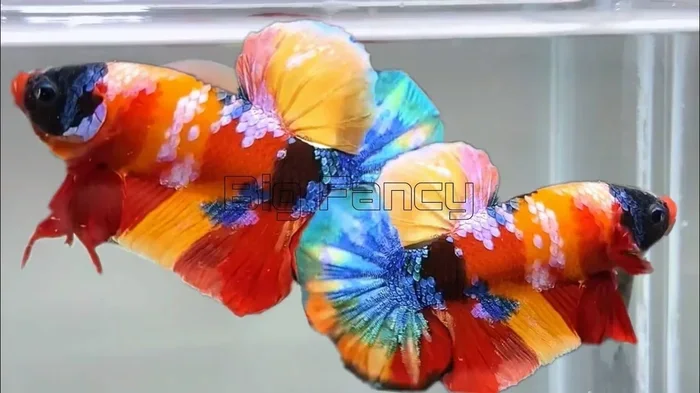
One of the first things you will notice is a change in color. A ready-to-breed betta fish will show bold, intense colors. Males especially will display deep blues, reds, or greens that look almost electric. Females may also darken slightly, though the change is more subtle.
If your betta looks pale or washed out, it is probably not ready. Color intensity is one of the most reliable betta fish breeding condition markers. Think of it like a mood ring for your fish. The brighter they are, the more likely they are to breed.
Bubble Nest Building
Male bettas are famous for building bubble nests. These little clusters of bubbles at the top of the tank are a strong sign that your male is feeling the breeding urge. He will blow tiny bubbles using his mouth and gather them at the surface.
But here is something many people do not realize. A bubble nest alone does not mean it is time to breed. It simply means the male is healthy and interested. You still need to check if the female is ready too. For more details on breeding setups, check out our guide on how to breed betta fish.
Courtship Behavior
When a male and female are near each other, you may see distinct betta fish courtship patterns. The male will flare his gills, spread his fins, and do a kind of dance toward the female. He may follow her around the tank. The female might respond with vertical stripes on her body, which is a clear signal she is ready to spawn.
This back-and-forth can last hours or even days. It is normal. Do not rush it. Let your fish take the lead.
Behavioral Changes and Activity Levels
Pay close attention to your fish’s daily behavior. A betta ready to breed will be more active and curious. They will explore the tank more, interact with each other, and show less aggression (at least initially). On the flip side, a stressed or unhealthy betta will hide, show clamped fins, or stay near the bottom.
You should also watch for betta fish spawning behavior. This includes the famous “embrace” where the male wraps around the female to release eggs. If you see this, things are moving in the right direction.
How to Prepare Your Betta Fish for Breeding
Once you spot the signs, it is time to prepare. Proper preparation is the difference between a successful spawn and a disaster. You need to make sure both fish are healthy, well-fed, and comfortable.
Check the Breeding Age
Age matters a lot. So, how old betta fish to breed? Most bettas reach sexual maturity between 4 and 6 months old. However, many experienced breeders recommend waiting until they are about 6 to 8 months for the best results. Breeding too young can lead to complications and unhealthy fry.
For a detailed breakdown of age requirements, take a look at our article on how old betta fish to breed. It covers everything you need to know about maturity timelines.
Feed a High-Quality Diet
Nutrition plays a huge role in breeding readiness. Both the male and female need to be in top shape. Feed them a varied diet that includes:
- High-quality betta pellets
- Frozen or live brine shrimp
- Daphnia and bloodworms
- Small amounts of freeze-dried foods
Good food improves color, boosts energy, and supports egg production in females. A well-fed betta is a ready betta. For more feeding tips, you can read about how often you need to feed a betta fish to keep them in peak condition.
Assess Overall Health
Before breeding, make sure neither fish shows signs of illness. Look for clear eyes, smooth scales, and active swimming. Any signs of betta fish sickness should be addressed first. Breeding a sick fish can pass diseases to the fry and stress the parents.
If you are unsure whether your fish is healthy enough, our guide on how to know if your betta fish is sick can help you spot early warning signs.
Setting Up the Perfect Breeding Tank
Tank setup is critical. You cannot just toss two bettas together and hope for the best. The environment needs to support breeding behavior and protect vulnerable eggs and fry.
Tank Size and Layout
A breeding tank should be at least 10 gallons. This gives both fish enough space to establish territories and reduces stress. Include plenty of plants, both real and artificial, to break line of sight between the pair. This helps reduce aggression.
A divider or a separate breeding box can also be useful. You can keep the female nearby but separated until she is ready. Then you can introduce her safely.
Water Temperature and Quality
Water conditions need to be spot-on. Aim for a water temperature for breeding between 78°F and 82°F (25.5°C to 27.8°C). This slightly warmer range encourages breeding activity.
Keep the pH between 6.5 and 7.5 and make sure ammonia and nitrite levels are at zero. Poor water quality is one of the top reasons breeding attempts fail. Regular betta fish water changes help maintain these conditions. Our guide on how to do a water change for a betta fish walks you through the process step by step.
Male vs Female Readiness Comparison
Here is a helpful comparison table to quickly see the differences between male and female betta readiness signs:
| Sign | Male Betta | Female Betta |
|---|---|---|
| Color Intensity | Very bold and vibrant | Slightly darker, vertical stripes appear |
| Bubble Nest | Builds and guards nest | No nest building behavior |
| Body Shape | Long, flowing fins | Rounder belly, visible ovipositor |
| Behavior | Flares, dances, chases | Stripes, follows male, less aggressive |
| Breeding Age | 4-6 months minimum | 4-6 months minimum |
Common Mistakes When Breeding Betta Fish
Even experienced breeders make mistakes. Here are some common pitfalls to avoid when you are figuring out how do you know when to breed betta fish.
Breeding Too Young
As mentioned earlier, breeding a betta that is too young can cause health problems. The female may not produce quality eggs, and the male may not be fully developed enough to care for the fry. Always wait until they are at least 4 to 6 months old. Patience pays off.
Ignoring Aggression
Male bettas are territorial by nature. That is why they are called “Siamese fighting fish.” If you introduce the pair too quickly or without proper barriers, the male may attack the female. Use a breeding box or slow introductions to keep everyone safe.
Poor Water Management
Dirty or unstable water can kill eggs and fry fast. Do not skip water tests. Do not wait too long between changes. Consistent betta fish habitat quality is non-negotiable when breeding.
Not Having a Plan for Fry
One of the biggest mistakes is breeding without knowing what comes next. Betta fry need special care, including infusoria or baby brine shrimp, frequent feeding, and clean water. If you are not ready for that commitment, reconsider breeding. For more on caring for young bettas, check out our resource on how to know female betta fish and their specific needs.
What to Do After Successful Breeding
So the eggs have been laid and fertilized. Now what? The post-breeding phase is just as important as the setup.
Removing the Female
After spawning, remove the female from the breeding tank immediately. The male may become aggressive toward her. He will focus on guarding the eggs and building up the bubble nest. Let him do his thing in peace.
Egg Care and Hatching Timeline
Betta fish eggs typically hatch within 24 to 48 hours. The male will scoop any eggs that fall from the nest back into his bubble nest. Do not interfere. Trust the process. Once the fry free-swim, usually around 2 to 3 days after hatching, you can remove the male too. He has done his job.
For more information on egg development, our article on how long betta fish eggs take to hatch gives a detailed timeline.
Fry Care Basics
Newly hatched betta fry are tiny and need very small food. Start with infusoria or liquid fry food. After a week, you can graduate to baby brine shrimp. Keep the water warm and clean. Frequent, small water changes are your best friend here.
Key Takeaways
- Watch for bold colors, bubble nests, and courtship behavior to know when your betta is ready.
- Make sure both fish are healthy, well-fed, and at least 4 to 6 months old.
- Set up a proper breeding tank with warm, clean water and plenty of hiding spots.
- Avoid common mistakes like breeding too young or ignoring aggression.
- After spawning, remove the female and let the male care for the eggs.
- Prepare for fry care before you even start breeding.
Take your time. Do not rush the process. Set up the tank properly, feed a quality diet, and keep the water conditions pristine. Breeding betta fish can be a rewarding experience, but only when done right. Use the tips in this guide to set yourself up for success. Happy breeding, and may your bettas thrive.
Frequently Asked Questions
How Do You Know When to Breed Betta Fish?
You know it is time when both fish show vibrant colors, the male builds a bubble nest, and the female develops a visible white egg spot. These are clear signs that your bettas have reached sexual maturity and are ready to spawn.
What Age Should Betta Fish Be Before Breeding?
Male and female bettas should be at least 4 to 6 months old before you attempt breeding. Breeding them too early can cause health problems and reduce the survival rate of the fry.
How Can You Tell if a Male and Female Betta Are Compatible for Breeding?
Place the pair in a separate breeding tank with a divider and observe their behavior. If the male flares and builds a nest while the female shows vertical stripes and a rounded belly, they are likely compatible and ready to breed.
What Physical Signs Indicate Betta Fish Are in Breeding Condition?
Look for a white spot called the ovipositor on the female’s underside and notice if the male starts constructing a bubble nest at the water surface. Both fish will also appear more active and display their brightest colors during this stage.
When Is the Best Time of Year to Breed Betta Fish?
While bettas can breed year-round in controlled indoor tanks, many breeders find success during warmer months when water temperatures stay consistently between 78 and 82 degrees Fahrenheit. Stable temperatures help trigger natural spawning behavior in your breeding pair.
How Do You Prepare Betta Fish for the Breeding Process?
Condition both fish with high-quality live or frozen foods like brine shrimp and bloodworms for one to two weeks before introducing them. This conditioning boosts their health, encourages egg production in the female, and gets the male ready to care for the fry.