How Much Do Betta Fish E
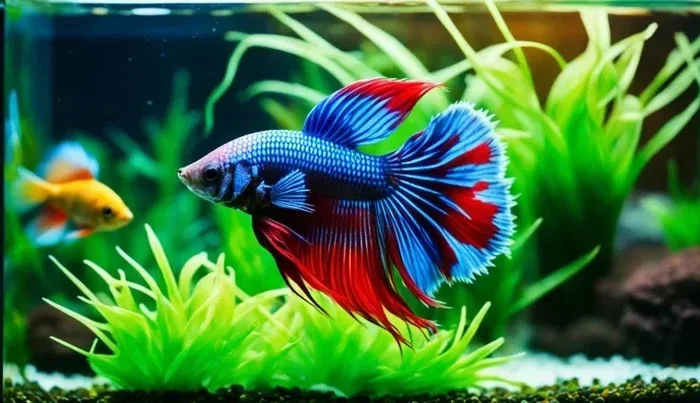
Knowing how much do betta fish eat is the single most important part of betta fish care. A betta fish stomach is only about the size of its eye, so small portions matter. Overfeeding is the most common mistake new owners make. This guide covers the right betta fish feeding amount, best food types, and how often to feed betta fish for a long, healthy life.
Betta fish are stunning. Their flowing fins and bright colors make them a favorite in homes around the world. But many new owners struggle with one basic thing: how much do betta fish eat. It is not as simple as tossing in a handful of flakes. Betta fish have tiny stomachs and specific dietary needs. Getting the betta fish feeding amount right can mean the difference between a fish that thrives and one that struggles.
This betta fish feeding guide covers everything you need to know. We will look at the right betta fish portion size, the best food choices, and how often to feed betta fish. By the end, you will feel confident about your betta fish care routine. Let us dive in.
Key Takeaways
- Feed small portions twice a day: A betta fish portion size should be no bigger than its eye.
- Avoid overfeeding at all costs: Excess food ruins water quality and shortens betta fish lifespan.
- Variety matters for betta fish nutrition: Rotate between pellets, flakes, and occasional treats.
- Watch for hunger and fullness cues: A healthy betta fish appetite is steady, not greedy.
- Fasting once a week helps digestion: It prevents bloating and keeps the betta fish healthy.
- Quality food = better betta fish health: Invest in high-protein pellets made for bettas.
📑 Table of Contents
- Why Knowing How Much to Feed Your Betta Fish Matters
- How Much Should a Betta Fish Eat?
- Best Food Types for Betta Fish
- How Often Should You Feed Your Betta Fish?
- Common Feeding Mistakes That Harm Betta Fish
- Signs Your Betta Fish Is Eating Too Much or Too Little
- Quick Tips for Perfect Betta Fish Feeding
- Conclusion
Why Knowing How Much to Feed Your Betta Fish Matters
Feeding your betta fish the right amount is not just about hunger. It directly affects betta fish health, water quality, and even how long your fish lives. Many beginners think more food equals a happier fish. That is far from the truth.
A betta fish stomach is roughly the size of its eyeball. This means even a small amount of food fills them up quickly. When you give too much, the extra food sinks to the bottom and decays. This creates ammonia and nitrites that harm your fish. Poor water quality leads to disease, stress, and a shorter betta fish lifespan.
On the flip side, underfeeding can cause malnutrition. Your betta fish will lose color, become lethargic, and its immune system weakens. Finding the sweet spot in your betta fish diet is key. The goal is steady, consistent feeding that matches your fish’s natural eating habits.
The Betta Fish Stomach Size Explained
Here is a simple way to picture it. Imagine a marble. That is about the size of your betta fish stomach. Now imagine how much food fits inside a marble. That is your betta fish portion size. Two small pinches of food per feeding is usually enough. Anything beyond that is excess.
This is why betta fish feeding amount matters so much. A healthy betta fish appetite will seem modest compared to other tropical fish. Bettas are not big eaters by nature. They are hunters in the wild, eating small insects and larvae. Replicating that in a tank means small, protein-rich meals.
How Much Should a Betta Fish Eat?
The betta fish feeding amount depends on a few factors. These include your fish’s age, size, and activity level. But the general rule is simple: less is more. Let us break it down.
For adult betta fish, how much do betta fish eat per meal? The answer is two to three pellets or a small pinch of flakes. Feed this twice a day. That totals about four to six pellets daily. Some owners prefer to soak dried pellets before feeding. This helps prevent bloating, which is a common issue with betta fish care.
If you are wondering how much do you feed a betta fish on a daily basis, the answer is consistent small portions. Do not skip meals and do not double up. Bettas do best with a regular betta fish feeding schedule.
For betta fish fry and juveniles, the approach changes slightly. Young fish need more frequent small meals, often three to four times a day. Their betta fish nutrition needs are higher because they are growing fast. As they mature, you can reduce meals to twice a day.
How Much Food for a Betta Fish Per Week?
A good weekly betta fish feeding guide looks like this:
- Monday through Saturday: Two small feedings per day
- Sunday: One light feeding or a full fasting day
This gives your fish a consistent rhythm. It also gives the digestive system a break. Many experienced fish keepers swear by this weekly pattern. It keeps betta fish waste production low and water cleaner for longer.
Best Food Types for Betta Fish
Not all fish food is created equal. Bettas are carnivores. They need a betta fish diet rich in protein. Here are the best options for your betta fish nutrition plan.
Betta Fish Pellets
Betta fish pellets are the gold standard. High-quality pellets are specially formulated for bettas. They float, which is perfect since bettas prefer eating from the surface. Look for pellets with fish meal or shrimp meal as the first ingredient. Avoid pellets packed with fillers like corn or wheat.
The right betta fish portion size with pellets is easy to measure. Two to three small pellets per feeding is ideal. If you are unsure about the exact betta fish feeding amount, check the packaging. Most brands give clear guidelines based on fish size.
Betta Fish Flakes
Betta fish flakes are convenient and widely available. However, they are not always the best choice. Many flakes are designed for community fish, not bettas. They often lack the protein content bettas need. If you use flakes, choose a high-protein brand. And remember that flakes expand in water, so a tiny pinch is plenty.
Frozen and Live Foods
Frozen bloodworms, brine shrimp, and daphnia are excellent betta fish treats. They mimic what bettas eat in the wild. These foods are nutrient-dense and highly palatable. Use them as a supplement, not a staple. A few frozen worms twice a week adds variety and excitement to the betta fish diet.
Live foods like mosquito larvae or brine shrimp are even better. They provide natural hunting stimulation. Just make sure they come from a trusted source to avoid introducing parasites into your tank.
Freeze-Dried Foods
Freeze-dried foods are a good middle ground. They are convenient and have a long shelf life. Soak them in tank water before feeding to prevent constipation. This is an important part of betta fish care that many owners overlook.
How Often Should You Feed Your Betta Fish?
The betta fish feeding schedule matters just as much as the amount. So how often do you feed a betta fish? The standard recommendation is twice a day. Morning and evening feedings work well. This matches a natural feeding rhythm and keeps your fish active and engaged.
If you are wondering how often do you feed a crowntail betta fish, the same twice-daily schedule applies. Crowntail bettas have the same basic dietary needs as other betta varieties.
Can You Feed a Betta Fish Once a Day?
Yes, once a day feeding works for some bettas. This is especially true for less active fish or older bettas. The key is to give a slightly larger portion to make up for the single meal. But most experts recommend twice daily for the best betta fish nutrition and energy levels.
What About Feeding Betta Fish Every Other Day?
Feeding every other day is not recommended for adult bettas. They need consistent nutrition to maintain their immune system and vibrant colors. If you are planning a vacation, consider an automatic feeder or ask a friend to feed your fish. How do I feed my betta fish on vacation is a common concern, and there are reliable solutions.
Should You Fast Your Betta Fish?
Yes. Fasting once a week is highly beneficial. A 24-hour fast helps the digestive system clear out any buildup. It prevents bloating and constipation, which are common problems in betta fish care. Many owners fast their fish on Sundays. This simple practice can significantly improve your fish’s health and betta fish lifespan.
Common Feeding Mistakes That Harm Betta Fish
Even well-meaning owners make mistakes. Understanding these common errors helps you avoid them. Here are the top pitfalls in betta fish feeding.
Overfeeding
This is the number one mistake. It is tempting to feed your fish whenever it begs. But a betta fish will eat well beyond what it needs. The stomach cannot process excess food. This leads to bloating, swim bladder issues, and dirty water. Remember, how much do betta fish eat is very little. Stick to the recommended betta fish portion size every time.
Feeding the Wrong Food
Flakes meant for goldfish or tropical community fish lack the protein bettas need. Always choose food designed specifically for bettas. A poor betta fish diet leads to dull colors, weak immunity, and low energy. Investing in quality betta fish food types pays off in a healthier, more vibrant fish.
Inconsistent Feeding Times
Bettas thrive on routine. Irregular feeding times stress the fish and disrupt their betta fish appetite. Try to feed at the same times each day. Morning and evening works well for most owners. Consistency is a simple but powerful part of betta fish care.
Ignoring Leftover Food
Uneaten food decays fast. It releases ammonia into the water within hours. Always remove any food your fish does not eat within two minutes. This keeps the tank clean and protects your betta fish health. A gravel vacuum during routine betta fish tank maintenance helps catch any debris.
Signs Your Betta Fish Is Eating Too Much or Too Little
Reading your fish’s body language is an essential part of betta fish care. Here are clear signs to watch for.
Signs of overfeeding:
- Food left uneaten after five minutes
- Cloudy or foul-smelling water
- Betta fish appears bloated or lethargic
- Fish hides more than usual
- Fins look clamped or droopy
Signs of underfeeding:
- Betta fish is very thin or losing weight
- Colors fade or become dull
- Fish seems unusually inactive
- Betta fish hunger is visible, constantly begging at the surface
- Slow growth in younger fish
If you notice any of these signs, adjust your betta fish feeding amount right away. Small changes make a big difference. A healthy betta fish will have a rounded but not bloated body, bright colors, and steady energy throughout the day.
Quick Tips for Perfect Betta Fish Feeding
Here are some fast tips to keep your feeding routine on track:
- Always soak pellets for a few minutes before feeding
- Rotate between pellets, frozen foods, and occasional flakes
- Feed in the same spot each time to build routine
- Use a small net to remove uneaten food after two minutes
- Keep a feeding log if you are unsure about amounts
- Never feed your betta fish right before a water change
- Choose high-protein food with minimal fillers
- Watch your fish during feeding to monitor appetite and behavior
These simple habits take minutes but pay off big time. Your betta fish will reward you with vibrant colors, active behavior, and a long betta fish lifespan. The right betta fish feeding guide is not complicated. It just requires consistency and attention.
Conclusion
Understanding how much do betta fish eat is the foundation of great betta fish care. Keep portions small, feed twice a day, and choose high-quality food. Avoid overfeeding at all costs. A clean tank, a consistent betta fish feeding schedule, and a varied betta fish diet will keep your fish happy and healthy for years to come.
Every betta fish is different. Watch your fish closely and adjust the betta fish portion size as needed. With the right approach, your betta will thrive. Start today, and you will see the difference in your fish’s energy, color, and overall well-being.
Frequently Asked Questions
How much should a betta fish eat per meal?
Two to three small pellets or a tiny pinch of flakes per meal is the right betta fish portion size. A betta fish stomach is about the size of its eye, so less is always better than more.
Can you overfeed a betta fish?
Yes, overfeeding is the most common mistake in betta fish care. Excess food decays in the water, creating harmful ammonia. It also causes bloating and swim bladder problems in your fish.
What is the best food for betta fish?
High-protein betta fish pellets are the best staple food. Supplement with frozen bloodworms or brine shrimp a couple of times a week for variety and extra nutrition.
How often should I feed my betta fish?
Feed your betta fish twice a day, once in the morning and once in the evening. This consistent betta fish feeding schedule matches their natural eating patterns and keeps them healthy.
Should I fast my betta fish?
Yes, fasting once a week for 24 hours is highly beneficial. It helps digestion, prevents bloating, and gives the tank a break from excess waste. Many experienced owners make this a regular part of their routine.
How do I know if my betta fish is hungry?
A hungry betta fish will swim to the surface and beg for food. However, this does not always mean they need more food. Bettas learn feeding routines quickly and may act hungry even when they have eaten enough.