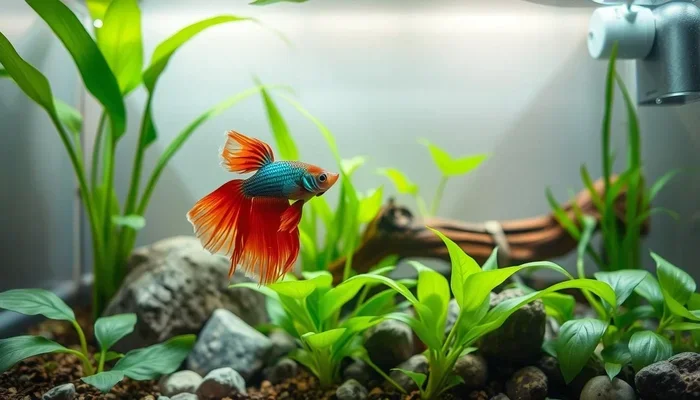
How Big Do Veiltail Betta Fish Get

Veiltail betta fish typically grow to about 2.5 to 3 inches in body length, with their stunning fins extending the total length to 3 to 4 inches or more. Understanding how big do veiltail betta fish get depends on factors like genetics, diet, tank size, and overall care. This guide covers everything you need to know about veiltail betta growth, from baby fry to full adults.
If you own a veiltail betta or are thinking about getting one, you probably wonder how big do veiltail betta fish get. These beautiful fish are some of the most popular pets in the aquarium world, and their flowing fins and vibrant colors make them stand out. But size matters when it comes to keeping them healthy and happy.
Knowing the veiltail betta fish size helps you set up the right tank, choose the best food, and provide proper care from day one. In this guide, we will walk you through everything about betta fish growth, including how fast they grow, what affects their size, and how to make sure your veiltail reaches its full potential.
Key Takeaways
- Average Size: Veiltail bettas reach 2.5 to 3 inches in body length, with fins adding extra length.
- Full Growth Timeline: Most veiltail bettas reach their full size within 6 to 8 months.
- Tank Size Matters: A minimum 5-gallon tank supports healthy growth and reduces stress.
- Diet Affects Growth: High-quality food and proper feeding schedules promote optimal size and color.
- Male vs Female: Males typically have longer fins and slightly larger bodies than females.
- Stress Stunts Growth: Poor water conditions and aggressive tank mates can limit your betta’s size.
- Lifespan Connection: Well-cared-for veiltails live 3 to 5 years, growing steadily throughout their youth.
📑 Table of Contents
- How Big Do Veiltail Betta Fish Get?
- Factors That Affect Veiltail Betta Size
- Veiltail Betta vs. Other Betta Varieties: Size Comparison
- How to Help Your Veiltail Betta Grow to Its Full Size
- Common Mistakes That Limit Betta Size
- Veiltail Betta Growth and Lifespan
- Quick Tips for Measuring Your Veiltail Betta’s Size
- Conclusion
How Big Do Veiltail Betta Fish Get?
The average veiltail betta grows to about 2.5 to 3 inches in body length. However, when you include their long, flowing fins, the total length can reach 3 to 4 inches or even slightly more. This makes them one of the larger and more visually striking betta varieties.
Female veiltails tend to be a bit smaller than males, usually coming in at around 2 to 2.5 inches in body length. Males, on the other hand, often hit that 2.5 to 3-inch mark and carry dramatic, waterfall-like fins that add extra length. If you are comparing how big do veiltail betta fish get versus other betta types, veiltails sit comfortably in the medium-to-large range among betta fish.
Keep in mind that the body and fins are measured differently. When pet stores list betta sizes, they often include fin length, which can be misleading. Always focus on body length when judging true size. A healthy veiltail with a 3-inch body and long fins is a sign of excellent care and proper growth conditions.
Growth Stages of a Veiltail Betta
Understanding the veiltail betta growth stages helps you set realistic expectations. These fish do not grow all at once. Instead, they go through several phases before reaching full size.
Stage 1: Fry (0 to 4 Weeks) – Baby veiltails are tiny, usually under half an inch long. They are very fragile and need infusoria or baby brine shrimp for food. Growth is rapid during this stage, but they are still extremely small.
Stage 2: Juvenile (1 to 3 Months) – At this point, your betta is around 0.5 to 1 inch long. Colors start to appear, and the fins begin to lengthen. This is a critical growth phase where nutrition plays a big role.
Stage 3: Sub-Adult (3 to 6 Months) – Your veiltail is now around 1.5 to 2.5 inches. The fins are getting more dramatic, and the body fills out. This is when you start to see the true veiltail shape and fin structure.
Stage 4: Adult (6 to 8 Months and Beyond) – By 6 to 8 months, most veiltails reach their full body size. Fins may continue to grow slightly, but the body stops increasing in length. A fully grown adult veiltail is a beautiful sight.
Factors That Affect Veiltail Betta Size
Not all veiltail bettas grow to the same size. Several factors play a role in determining how big your fish will get. Let us break down the most important ones.
Genetics
Just like people, bettas inherit their size potential from their parents. If the parent fish were large and healthy, the offspring are more likely to grow big too. Veiltail betta genetics vary widely, and some bloodlines produce noticeably larger fish than others. If you buy from a reputable breeder, you have a better chance of getting a veiltail with strong growth genetics.
Diet and Nutrition
What you feed your betta directly impacts its size and overall health. A high-quality betta diet rich in protein supports steady, healthy growth. Here are some feeding tips:
- Feed a mix of pellets and frozen or live foods like brine shrimp and bloodworms.
- Avoid overfeeding, which can lead to bloating and constipation.
- Feed small amounts twice a day rather than one large meal.
- Include variety to ensure balanced nutrition and vibrant color.
A well-fed veiltail will grow faster and reach a healthier size compared to one that gets inconsistent or low-quality food. If you want to learn more about proper feeding habits, check out our article on why betta fish get food off the bottom for helpful feeding insights.
Tank Size and Environment
The tank your betta lives in has a huge impact on its growth. Many people think bettas can live in tiny cups or bowls, but this is a myth. A cramped tank causes stress, which stunts growth and leads to health problems.
A minimum 5-gallon tank is recommended for a single veiltail betta. Larger tanks, such as 10 gallons, give your fish more room to swim and explore, which promotes better overall health. If you are curious about tank sizes, our guide on how big do betta fish tanks need to be covers this topic in detail.
Water quality is equally important. Keep the temperature between 76 and 82 degrees Fahrenheit, maintain a pH of 6.5 to 7.5, and perform regular water changes. Clean, stable water lets your veiltail grow without unnecessary stress.
Stress and Health
Stress is a silent growth killer for bettas. When a fish feels threatened or uncomfortable, its body diverts energy away from growth and toward survival. Common stressors include aggressive tank mates, poor water quality, and sudden changes in the environment.
If you notice your betta acting differently, it might be stressed. To learn more about recognizing stress in bettas, read our article on do betta fish get stressed. Keeping your veiltail stress-free is one of the simplest ways to ensure it reaches its full size potential.
Veiltail Betta vs. Other Betta Varieties: Size Comparison
Not all bettas are the same size, even within the same species. Here is a quick comparison of how veiltails stack up against other popular betta varieties:
- Veiltail Betta: 2.5 to 3 inches body length, fins add 1 to 2 extra inches. Most common and widely available.
- Crowntail Betta: Similar body size of 2 to 3 inches, but fins are more compact and spiky.
- Plakat Betta: 2 to 2.5 inches body length with shorter fins. More active and streamlined.
- Halfmoon Betta: 2.5 to 3 inches body length with wide, flowing fins similar to veiltails.
- Double Tail Betta: 2 to 2.5 inches body length, with a split tail fin that adds visual bulk.
As you can see, the veiltail betta is right in the middle of the pack in terms of body size. What sets it apart is the impressive fin length, which gives it that iconic elegant look. If you want to explore more about how large bettas can get across all varieties, our article on how large do betta fish get provides a deeper dive.
How to Help Your Veiltail Betta Grow to Its Full Size
Want to make sure your veiltail reaches its maximum potential? Follow these practical tips to support healthy growth:
- Start with a proper tank. A 5-gallon tank or larger gives your betta room to thrive. Avoid small bowls or vases.
- Feed a balanced diet. Use high-quality betta pellets as a staple and supplement with frozen or live foods a few times a week.
- Keep water clean and stable. Test water parameters weekly and perform partial water changes every one to two weeks.
- Reduce stress. Keep the tank in a quiet area away from loud noises and direct sunlight. Avoid housing with aggressive fish.
- Monitor growth. Track your betta’s size monthly. A healthy veiltail should grow steadily during its first 6 to 8 months.
- Provide enrichment. Add plants, caves, and open swimming space to keep your betta active and engaged.
If you are wondering whether bigger tanks help bettas grow better, the answer is yes. Bettas in larger, well-maintained tanks tend to be healthier and more active. Our article on do betta fish do well in big tanks explains the benefits of larger aquariums in more detail.
Common Mistakes That Limit Betta Size
Many betta owners unintentionally hold their fish back from reaching full size. Here are the most common mistakes to avoid:
- Keeping bettas in too-small tanks. Bowls and cups restrict movement and cause chronic stress.
- Overfeeding. Excess food pollutes the water and causes digestive issues that hinder growth.
- Underfeeding. Not enough nutrition also stunts growth and weakens the immune system.
- Ignoring water changes. Dirty water builds up toxins that affect health and growth rate.
- Housing with aggressive tank mates. Constant stress from bullies keeps your betta from thriving.
- Skipping quarantine. Introducing new fish or plants without quarantine can introduce diseases that impact your betta.
Avoiding these mistakes gives your veiltail the best chance to grow to its full size and live a long, healthy life. For more tips on keeping your betta happy and healthy, check out our guide on do betta fish get sick easily to learn about common health issues and how to prevent them.
Veiltail Betta Growth and Lifespan
The veiltail betta lifespan typically ranges from 3 to 5 years with proper care. During the first 6 to 8 months, your betta does most of its growing. After that, growth slows and eventually stops, but your fish can continue to develop richer colors and more impressive fins.
Aging veiltails may experience some fin shortening over time, but this is natural and does not affect their quality of life. Providing a stress-free environment, excellent nutrition, and clean water throughout their life helps them stay healthy and vibrant for as long as possible.
If you notice your older betta’s fins getting shorter, do not panic. This is a normal part of the aging process. For more information, our article on do betta fish fins get smaller when they get old covers this topic in depth.
Quick Tips for Measuring Your Veiltail Betta’s Size
- Use a ruler or measuring tape placed against the tank glass.
- Measure from the mouth to the base of the tail for body length.
- Measure fin length separately from the base of the tail to the tip of the longest fin.
- Take measurements monthly to track growth progress.
- Compare against the growth stages outlined above to see if your betta is on track.
Measuring your betta regularly helps you catch any growth issues early. If your veiltail is not growing as expected, check water parameters, diet, and stress levels before consulting a vet.
Conclusion
So, how big do veiltail betta fish get? The answer is clear: a healthy veiltail betta grows to about 2.5 to 3 inches in body length, with fins adding extra length that can bring the total to 3 to 4 inches or more. Growth happens mostly in the first 6 to 8 months, and reaching full size depends on genetics, diet, tank size, water quality, and stress levels.
By following the tips in this guide, you can give your veiltail betta the best possible environment to grow and thrive. Feed them well, keep their water clean, give them enough space, and minimize stress. A well-cared-for veiltail betta is a joy to watch and a beautiful addition to any home aquarium.
Remember, every betta is different. Some grow bigger, some stay smaller, but with the right care, your veiltail will reach its personal best size and live a happy, healthy life by your side.
Frequently Asked Questions
What is the average size of a full-grown veiltail betta?
A full-grown veiltail betta typically measures 2.5 to 3 inches in body length. When you include their long, flowing fins, the total length can reach 3 to 4 inches or slightly more. This makes them one of the more visually impressive betta varieties in terms of overall size.
How long does it take for a veiltail betta to reach full size?
Most veiltail bettas reach their full body size within 6 to 8 months. Growth is fastest during the first 3 to 4 months, when they go from a tiny fry to around 1.5 inches. After 6 months, growth slows down significantly, and by 8 months, most veiltails have stopped growing in body length.
Are male or female veiltail bettas bigger?
Male veiltail bettas are generally larger than females. Males tend to reach 2.5 to 3 inches in body length, while females usually stay around 2 to 2.5 inches. Males also have much longer and more dramatic fins, which adds extra visual length compared to females.
Can a small tank stunt my veiltail betta’s growth?
Yes, keeping a betta in a tank that is too small can stunt its growth. Stress from cramped conditions diverts energy away from growth and toward survival. A minimum 5-gallon tank is recommended, and larger tanks like 10 gallons promote better health and more active growth.
What should I feed my veiltail betta to help it grow?
Feed your veiltail a high-quality betta pellet as the staple food, and supplement with frozen or live foods like brine shrimp and bloodworms a few times a week. Feed small amounts twice a day and avoid overfeeding. A varied, protein-rich diet supports steady, healthy growth and vibrant color.
Do veiltail bettas keep growing their whole life?
No, veiltail bettas stop growing in body length after about 8 months of age. However, their fins may continue to develop and become more elaborate as they mature. Colors can also deepen and become more vivid throughout their first year and beyond, even after body growth has stopped.