How Do I Know That My Betta Fish Is Happy

Figuring out if your betta fish is happy is easier than you think. You can watch for bright colors, active swimming, a good appetite, and bubble nests. This guide covers all the top signs of a happy betta fish so you can keep your finned friend thriving and healthy.
Keeping a betta fish is one of the most rewarding hobbies you can have. These little guys have so much personality packed into their tiny bodies. But here is the big question most betta owners ask: how do i know that my betta fish is happy?
A happy betta fish is easy to spot once you know what to look for. From their colors to their behavior, there are plenty of clues that tell you your fish is thriving. In this guide, we will walk you through every sign of a happy betta. You will learn what to watch for, what to avoid, and how to keep your fish feeling great every single day.
Whether you just got your first betta or you have had one for years, this article will help you understand your fish better. We will cover the top signs of happiness, common mistakes to avoid, and simple tips you can use right away. Let us dive in and make sure your betta is living its best life.
Key Takeaways
- Bright, vibrant colors are one of the clearest signs your betta is happy and healthy.
- Active swimming and exploration show your betta feels safe and comfortable in its environment.
- Bubble nests are a strong indicator of a content and happy betta fish.
- A healthy appetite and eager feeding behavior mean your betta is doing well.
- Clean water and proper tank setup play a huge role in keeping your betta happy.
- Relaxed fins that are open and flowing signal a stress-free betta.
- Regular interaction with you can show your betta recognizes and trusts its owner.
📑 Table of Contents
How Do I Know That My Betta Fish Is Happy
Understanding your betta fish starts with observing its daily behavior. A happy betta fish shows clear physical and behavioral signs that are easy to notice. The key is paying attention to small details. Once you know what normal looks like, anything unusual will stand out right away.
Here are the main signs that your betta is happy and healthy:
- Vibrant, bright colors that pop and glow
- Active swimming around the tank
- Eager eating habits and a strong appetite
- Relaxed, open fins that flow naturally
- Bubble nest building at the water surface
- Curiosity and exploration of the tank environment
- Responsive behavior when you approach the tank
If your fish shows most of these signs, you are doing a great job. But let us look at each one in more detail so you can really understand what is going on with your betta.
Watch for Bright, Vibrant Colors
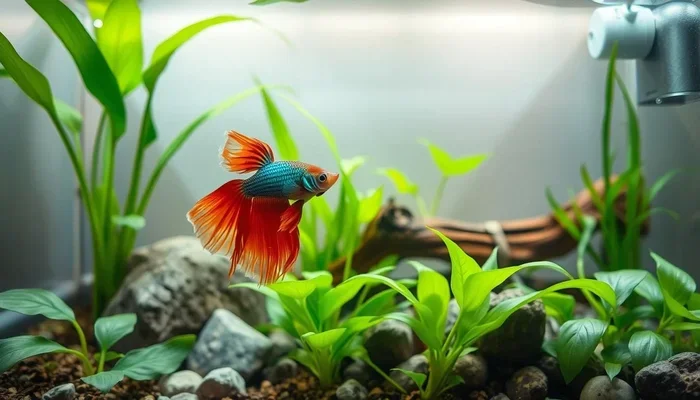
One of the first things you will notice about a happy betta is its color. A healthy betta fish has rich, deep colors that look almost glowing. Think bright blues, vivid reds, and stunning greens. If your betta’s colors look dull or faded, that could be a sign of stress or illness.
Color changes can happen for many reasons. Poor water quality, bad diet, and stress can all cause colors to fade. On the other hand, a well-cared-for betta will display bold, beautiful colors that make you stop and stare. Regular tank maintenance and a balanced diet help keep those colors looking their best.
Look for Active Swimming and Exploration
A happy betta loves to move around the tank. You will see your fish swimming smoothly from one spot to another. It will explore every corner and check out any new decorations or plants you add. This kind of betta fish behavior shows your fish feels safe and comfortable.
On the flip side, a stressed betta might hide in corners or stay at the bottom of the tank. If your fish barely moves or seems lethargic, something is wrong. Check the water temperature, clean the tank, and make sure the environment feels right for your fish.
Signs Your Betta Is Feeling Great
Now that you know the basics, let us go deeper into the specific signs that show your betta is truly content. These are the details that make all the difference in understanding your fish.
Bubble Nests Mean Your Betta Is Happy
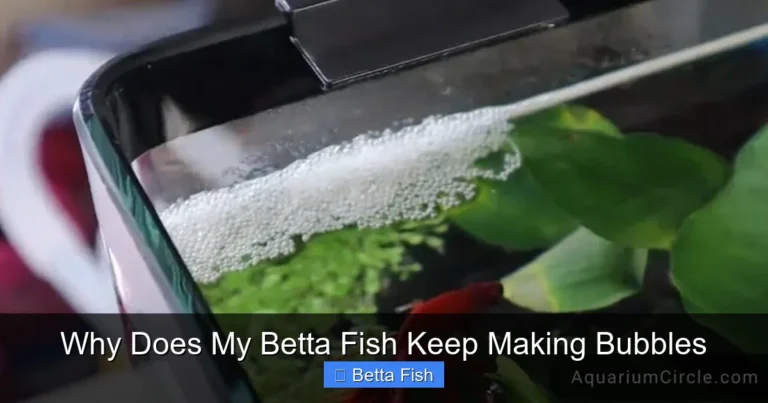
If you see a bunch of tiny bubbles floating on the surface of the water, that is a great sign. Betta fish bubble nests are built by male bettas when they feel safe and happy. Building a bubble nest is a natural behavior that shows your fish is in a good mood and feels comfortable in its environment.
Not all bettas build bubble nests, and that is okay too. Some fish are just less inclined to do it. But if your betta does build one, consider it a compliment. It means your tank setup is working well and your fish is feeling good about life.
Relaxed Fins Are a Happy Sign
Pay close attention to your betta’s fins. A happy betta has fins that are open and flowing. The fins spread out naturally as the fish swims. You will see graceful movements that look almost like a little dance through the water.
When a betta is stressed or sick, its fins clench tight against its body. This is called “fin clamping” and it is a warning sign. If you notice this, check your water parameters and look for other symptoms. Catching stress early helps you fix problems before they get worse.
Healthy Eating Habits Show a Content Fish
Food is a big deal for bettas. A happy betta fish gets excited at feeding time. You will see your fish swimming to the top of the tank eagerly waiting for food. A good appetite is one of the strongest indicators of overall well-being.
If your betta refuses to eat or shows no interest in food, that is a red flag. Several things could cause this, including poor water quality, wrong temperature, or illness. You can learn more about what to do when your betta stops eating in our guide on what should I do if my betta fish isn’t eating.
How Tank Setup Affects Betta Happiness
The environment you create for your betta plays a huge role in how happy it feels. A well-set-up tank gives your fish the space, warmth, and stimulation it needs to thrive. Let us break down the key elements that matter most.
Water Quality Matters More Than You Think
Clean water is the foundation of a happy betta. Dirty water causes stress, disease, and all kinds of health problems. You should test your water regularly and keep ammonia and nitrite levels at zero. Regular water changes are one of the simplest and most effective things you can do for your fish.
If you are unsure how to keep your tank clean, check out our article on how do I clean my betta fish tank for easy step-by-step instructions. A clean tank means a happy betta.
Temperature and Tank Size Make a Difference
Bettas need warm water to stay healthy. The ideal temperature range is between 76 and 82 degrees Fahrenheit. Water that is too cold can make your betta sluggish and even sick. If you are wondering about cold water, you can read more in our article on can I keep my betta fish in cold water.
Tank size matters too. While bettas can survive in small bowls, they do much better in tanks that are at least 5 gallons. More space means more room to swim and explore, which directly contributes to a happier fish.
Add Plants and Hiding Spots
Bettas love places to hide and explore. Live or silk plants give your fish a sense of security. They also provide spots for your betta to rest and play. A well-decorated tank makes your fish feel at home and reduces stress levels significantly.
Avoid sharp decorations or rough plastic plants that can tear your betta’s delicate fins. Soft silk plants and smooth rocks are the best choices. Your fish will thank you with bright colors and energetic swimming.
Common Mistakes That Make Bettas Unhappy
Knowing what causes unhappiness is just as important as knowing the signs of a happy betta. Many well-meaning owners accidentally make mistakes that stress their fish out. Here are the most common ones to avoid.
- Overfeeding your betta can lead to bloating, poor water quality, and health issues. Learn what to do if you overfeed in our guide on what do I do if I overfeed my betta fish.
- Keeping the water too cold slows down your betta’s metabolism and makes it feel sluggish.
- Using tap water without treatment exposes your fish to harmful chlorine and chemicals. Always use a water conditioner.
- Keeping the tank in a noisy or high-traffic area causes constant stress and makes your betta feel threatened.
- Ignoring water changes leads to a buildup of toxins that can make your fish seriously ill.
Avoiding these mistakes will go a long way toward keeping your betta happy and healthy for years to come.
How to Tell If Your Betta Is Sick vs Happy
Sometimes it can be tricky to tell the difference between a happy betta and a sick one. Both show behavioral changes, but the patterns are different. A sick betta fish will often show symptoms like clamped fins, loss of color, white spots, or rapid breathing. A happy betta stays active, colorful, and curious.
If you are worried your fish might be sick, you can check out our guides on how do you know if your betta fish is sick and how can I tell if my betta fish is sick. These resources will help you identify warning signs early and take action quickly.
Regular observation is your best tool. Spend a few minutes each day watching your betta. Over time, you will learn what normal behavior looks like for your specific fish. Any changes from that baseline will catch your attention right away.
Quick Tips to Keep Your Betta Happy Every Day
Here are some simple daily and weekly habits that keep your betta in top shape:
- Feed small amounts twice a day and remove any uneaten food after a few minutes.
- Check the water temperature every few days to make sure it stays in the ideal range.
- Do a partial water change of about 25% each week to keep the tank fresh.
- Observe your betta daily and note any changes in behavior, color, or appetite.
- Add variety to the diet with occasional treats like bloodworms or brine shrimp.
- Keep the tank environment stable and avoid sudden changes in lighting or temperature.
- Talk to your betta gently when you approach the tank. Many bettas recognize their owners and enjoy interaction.
These small efforts add up over time. Consistency is the secret ingredient in keeping a happy, healthy betta fish.
Expert Insights on Betta Fish Happiness
Experienced betta keepers agree that the biggest factor in fish happiness is a stable, clean environment. Dr. Jessie Sanders, a certified aquatic veterinarian, emphasizes that water quality is the single most important element in betta care. When the water is clean and parameters are stable, bettas display their natural behaviors and vibrant colors.
Another expert tip is to provide mental stimulation. Bettas are curious creatures that benefit from a varied environment. Rearranging decorations occasionally or adding new plants gives your fish something new to explore. This kind of enrichment keeps your betta engaged and prevents boredom.
Some owners also enjoy testing their knowledge with a betta fish happy quiz. These fun quizzes can help you evaluate how well you are meeting your fish’s needs. You can try one at our Is My Betta Fish Happy Quiz to see how your care routine stacks up.
Conclusion
Now you know exactly how do i know that my betta fish is happy. From bright colors and active swimming to bubble nests and a healthy appetite, there are many clear signs to watch for. The key is paying attention to your fish every day and responding quickly to any changes.
A happy betta is a beautiful addition to any home. By following the tips in this guide, you can create the perfect environment for your fish to thrive. Keep the water clean, feed properly, and give your betta the attention it deserves. Your fish will reward you with years of joy and companionship.
Remember, every betta has its own personality. Some are bold and outgoing, while others are calm and laid back. The most important thing is that your fish feels safe, healthy, and comfortable in its home. Trust your instincts, keep learning, and enjoy the wonderful journey of betta fish ownership.
Frequently Asked Questions
How can I tell if my betta fish is happy or sad?
A happy betta shows bright colors, active swimming, and a good appetite. A sad or stressed betta will look dull, hide often, and refuse food. Watch your fish daily to notice these differences clearly.
Do betta fish know their owner?
Yes, many bettas recognize their owners over time. They may swim to the front of the tank when you approach or get excited at feeding time. Regular interaction helps build this bond between you and your fish.
What does a happy betta fish look like?
A happy betta has vibrant colors, open flowing fins, and smooth swimming movements. It will explore the tank eagerly and build bubble nests. These are all strong signs that your fish is content and healthy.
How often should I check my betta fish tank to keep it happy?
You should observe your betta daily and test water parameters weekly. Perform partial water changes every one to two weeks. Consistent maintenance keeps the environment stable and your fish stress-free.
Can a lonely betta fish become unhappy?
Bettas are solitary fish and do not need tank mates to be happy. However, they do need stimulation from their environment. Plants, decorations, and regular interaction with you help keep a betta mentally engaged and content.
What should I do if my betta fish stops showing signs of happiness?
First, check your water quality and temperature. Then look for signs of illness like clamped fins or loss of color. If problems persist, consider consulting an aquatic veterinarian. Early action can make a big difference in your fish’s recovery.