How You Take Care of a Betta Fish
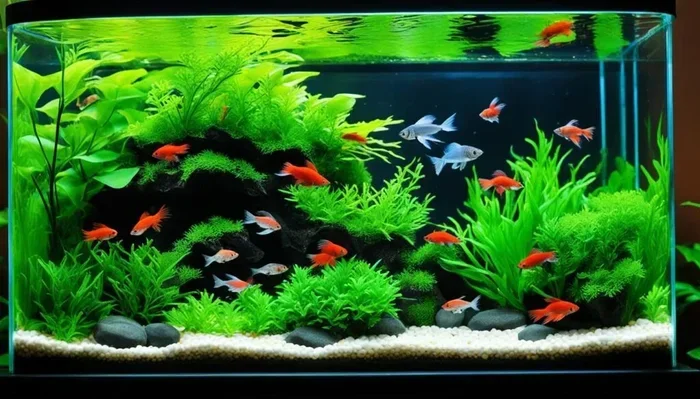
Taking care of a betta fish is simpler than most people think, but it does require attention to a few key details. You need the right tank size, clean water, proper temperature, and a balanced diet to keep your betta healthy and happy. This guide covers everything you need to know about betta fish care, from daily feeding routines to long-term tank maintenance.
Taking care of a betta fish can be one of the most rewarding experiences for a fish keeper. These colorful little creatures are full of personality and charm. But they also need proper care to live a long and healthy life. Many people think bettas are low-maintenance pets. The truth is they need a well-planned environment and consistent attention. This guide will walk you through everything you need to know about betta fish care the right way.
If you are new to keeping bettas, do not worry. You do not need a degree in marine biology. You just need the right information and a little patience. Let us dive into the basics of how you take care of a betta fish and set you up for success.
Key Takeaways
- Tank Size Matters: A minimum 5-gallon tank gives your betta room to swim and thrive.
- Water Quality Is Critical: Regular water changes and proper filtration keep ammonia levels safe.
- Temperature Control Is Key: Keep water between 76°F and 82°F for optimal betta health.
- Diet Affects Lifespan: Feed high-quality betta pellets and occasional treats in small amounts.
- Avoid Common Mistakes: Overfeeding, small bowls, and dirty water are the top killers of betta fish.
- Watch for Warning Signs: Learn to spot early signs of illness for faster treatment.
📑 Table of Contents
Setting Up the Perfect Betta Tank
The foundation of good betta fish care starts with the right tank setup. Many beginners make the mistake of keeping their betta in a tiny bowl. While bettas can survive in small spaces, they thrive in larger ones. A cramped environment causes stress, which leads to illness and a shorter lifespan.
Choosing the Right Tank Size
The smallest tank you should use for a betta is 5 gallons. A larger tank gives your betta more room to explore and stay active. Tanks under 5 gallons are harder to maintain because water parameters fluctuate quickly. If you want your betta to truly thrive, go bigger whenever possible.
Here are some tank size recommendations based on your experience level:
- Beginner: 5-gallon tank with a filter and heater
- Intermediate: 10-gallon tank for more swimming space
- Advanced: 20-gallon long tank for a planted betta setup
Filtration and Heating
Betta fish need a gentle filter. Strong currents stress them out because their fins are long and flowy. Choose a sponge filter or a filter with a adjustable flow rate. A heater is equally important. Bettas are tropical fish and need warm water to stay healthy.
Keep the water temperature between 76°F and 82°F. Use an adjustable aquarium heater with a thermostat. A thermometer helps you monitor the temperature daily. Sudden temperature drops can make your betta very sick.
Decorations and Plants
Betta fish love places to hide and explore. Add live or silk plants, caves, and driftwood to create a natural feel. Avoid sharp decorations that can tear their delicate fins. Live plants also help keep the water clean by absorbing nitrates.
When you set up your tank, make sure to cycle it before adding your betta. Cycling builds beneficial bacteria that break down harmful toxins. This process takes about 4 to 6 weeks. Skipping this step is one of the biggest mistakes new fish keepers make.
Water Quality and Maintenance
Clean water is the single most important factor in how you take care of a betta fish. Dirty water leads to disease, stress, and early death. Unlike some hardy fish, bettas are sensitive to ammonia and nitrite buildup. Regular maintenance keeps the water safe and comfortable.
Water Changes
For a 5-gallon tank, change 25 to 30 percent of the water every week. For larger tanks, a 20 percent weekly change works well. Always use a water conditioner to remove chlorine and chloramine from tap water. These chemicals are harmless to humans but deadly for fish.
Use a gravel vacuum during water changes to remove waste from the substrate. Debris buildup in the substrate releases ammonia into the water. A simple vacuum takes seconds and makes a huge difference.
Testing Water Parameters
Test your water regularly with an aquarium test kit. You want to keep ammonia and nitrite at zero. Nitrate should stay below 20 ppm. Here is a quick reference table for ideal water parameters:
- Ammonia: 0 ppm
- Nitrite: 0 ppm
- Nitrate: Below 20 ppm
- pH: 6.5 to 7.5
- Temperature: 76°F to 82°F
Winter Care for Bettas
If you live in a cold climate, winter can be tough on your betta. Taking care of betta fish in winter requires extra attention to temperature stability. Cold drafts, near windows, or unheated rooms can drop the water temperature dangerously low. Move the tank away from windows and doors during winter months.
Feeding Your Betta Fish
Feeding is one of the most enjoyable parts of betta fish care, but it is also where many people go wrong. Overfeeding is the number one cause of health problems in bettas. These fish have small stomachs, about the size of their eyeball. Feeding too much leads to constipation, bloating, and poor water quality.
What to Feed Your Betta
A high-quality betta pellet should be the staple of your fish’s diet. Look for pellets with protein as the first ingredient. Bettas are carnivores and need a protein-rich diet. You can also offer variety with frozen or freeze-dried bloodworms, brine shrimp, and daphnia.
Always soak freeze-dried foods before feeding. They expand in the stomach and can cause blockages if fed dry. Treat these foods as supplements, not daily meals.
Feeding Schedule
Feed your betta 2 to 3 small meals per day. Each meal should be just a few pellets or a small pinch of food. Some owners skip one day per week to help with digestion. This fasting day can prevent constipation and keep the digestive system healthy.
Watch your betta during feeding time. A healthy betta will eat eagerly and have a good appetite. If your fish stops eating, that could be a sign of illness. Remove any uneaten food within a few minutes to keep the water clean.
Common Betta Fish Health Issues
Even with the best care, bettas can get sick. Knowing the signs of common health problems helps you act fast. Early detection is the key to successful treatment.
Signs of a Sick Betta
Look out for these warning signs that something is wrong:
- Clamped fins: Fins held close to the body instead of spread out
- Loss of color: Fading or dull coloring
- Loss of appetite: Refusing food for more than two days
- Lethargy: Sitting at the bottom or staying in one spot
- Labored breathing: Gasping at the surface or rapid gill movement
- White spots: A sign of ich or external parasites
Preventing Illness
The best way to keep your betta healthy is prevention. Maintain clean water, stable temperatures, and a stress-free environment. Avoid sudden changes in the tank. When you do need to make changes, do them gradually. Stress weakens the immune system and makes fish vulnerable to disease.
Quarantine new fish or plants before adding them to your main tank. This prevents the spread of parasites and infections. A simple quarantine tank with basic equipment works perfectly for this purpose.
Common Mistakes to Avoid
There are several myths and bad habits that hurt betta fish. Avoiding these mistakes will give your fish a much better chance at a long life.
Myth: Bettas Can Live in Tiny Bowls
This is the most harmful myth about betta fish. While bettas can survive in small bowls, they cannot thrive. A tiny bowl has no room for swimming, no stable temperature, and no proper filtration. A 5-gallon tank is the absolute minimum for a healthy betta.
Myth: Bettas Do Not Need a Heater
Bettas are tropical fish. They need warm water year-round. Room temperature water is usually too cold. An aquarium heater is not optional, it is essential for proper betta fish care.
Mistake: Overfeeding
Bettas will eat as much as you give them. This does not mean they should. Overfeeding causes obesity, digestive issues, and dirty water. Stick to small, measured portions and skip one feeding day per week.
Mistake: Skipping Water Changes
Even with a filter, waste builds up over time. Weekly water changes are non-negotiable. Dirty water leads to stress and disease. Set a schedule and stick to it.
Enhancing Your Betta’s Quality of Life
Beyond the basics, there are many ways to improve your betta’s daily life. A happy betta is a healthy betta. Simple additions to the tank can make a big difference.
Tank Mates for Bettas
Many people wonder if bettas can live with other fish. The answer depends on the tank setup. Some peaceful species can coexist with bettas in larger tanks. Good options include corydoras catfish, kuhli loaches, and small tetras. Avoid fish with bright colors or long fins because bettas may see them as rivals.
Enrichment Activities
Bettas are curious and intelligent fish. Add variety to their environment with floating plants, tunnels, and gentle current areas. Some bettas enjoy watching movement outside the tank. You can even train your betta to follow your finger or eat from your hand with patience and consistency.
Conclusion
Learning how you take care of a betta fish is a journey. It starts with the right tank setup, clean water, proper diet, and a watchful eye. When you get these basics right, your betta can live a happy and healthy life for three to five years. Some bettas even reach seven years with excellent care.
Remember that every betta is different. Pay attention to your fish’s behavior and adjust your care routine as needed. The effort you put in pays off in a vibrant, active, and colorful companion. Start with the tips in this guide and you will be well on your way to becoming a confident betta owner. Good luck, and enjoy the journey of caring for your beautiful betta fish.
Frequently Asked Questions
How often should I clean my betta fish tank?
Do a 25 to 30 percent water change every week for a 5-gallon tank. Use a gravel vacuum to remove debris from the substrate. Clean the filter media in old tank water once a month to preserve beneficial bacteria.
Can betta fish live in a bowl without a filter?
Bettas can survive in unfiltered bowls, but they will not thrive. A filter helps maintain clean water and reduces the frequency of water changes. A 5-gallon tank with a gentle sponge filter is the minimum recommended setup for long-term health.
What is the best food for betta fish?
High-quality betta pellets with protein as the first ingredient are the best staple food. You can supplement with frozen or freeze-dried bloodworms, brine shrimp, and daphnia. Avoid feeding goldfish flakes or generic tropical flakes because they lack the nutrients bettas need.
How can I tell if my betta fish is happy?
A happy betta will have bright colors, spread fins, and a good appetite. They will swim actively around the tank and explore their environment. Clamped fins, hiding, or loss of color are signs of stress or illness.
Do betta fish need a heater?
Yes, bettas are tropical fish and need a heater. Keep the water temperature between 76°F and 82°F. Room temperature water is usually too cold and can weaken the fish’s immune system. Use an adjustable aquarium heater with a built-in thermostat.
Can betta fish live with other fish?
Bettas can sometimes live with peaceful tank mates in a tank of 10 gallons or larger. Good companions include corydoras catfish, kuhli loaches, and small tetras. Avoid fish with bright colors or long flowing fins that may trigger aggression from your betta.