How Can You Tell Your Betta Fish Is Happy

Knowing how can you tell your betta fish is happy is simpler than most fish owners think. A happy betta displays vibrant colors, active swimming, healthy eating habits, and builds bubble nests. By watching for these key signs and maintaining the right tank conditions, you can ensure your betta thrives for years to come.
Have you ever stared at your betta fish and wondered if it was truly happy? It is a great question, and one that every betta owner should ask. How can you tell your betta fish is happy? The answer is actually easier than you might think. Bettas show their emotions through behavior, appearance, and daily habits. Once you learn the signs, you will never second-guess your fish’s well-being again.
Understanding your betta fish behavior is the first step toward being a great pet owner. A happy betta fish is colorful, active, and curious. It swims around the tank with energy and shows interest in everything around it. On the flip side, a stressed or unhappy betta will fade in color, hide, and stop eating. This guide breaks down every sign you need to watch for. Whether you are a beginner or have had bettas for years, these tips will help you keep your fish thriving.
Below, we cover all the visible signs of a happy betta. We also look at what you can do to keep your aquarium environment in top shape. By the end, you will have a clear checklist to follow every time you check on your fish. Let us dive in and explore the world of betta happiness together.
Key Takeaways
- Color and Fins: A happy betta shows bright, vivid colors and spreads its fins wide regularly.
- Active Swimming: Healthy bettas explore their tank, interact with surroundings, and stay curious.
- Healthy Appetite: Eating eagerly and consistently is a strong sign of well-being.
- Bubble Nests: Building bubble nests is a natural behavior that signals contentment and readiness to breed.
- Tank Conditions Matter: Clean water, proper temperature, and enrichment directly impact your betta’s happiness.
- Know the Warning Signs: Understanding what a sick or stressed betta looks like helps you act fast.
📑 Table of Contents
- What Does a Happy Betta Fish Look Like?
- Behavioral Signs of a Happy Betta
- Eating Habits Tell a Big Story
- Bubble Nests: A Sign of Contentment
- Tank Conditions That Keep Your Betta Happy
- How to Spot an Unhappy or Sick Betta
- Quick Tips for Keeping Your Betta Happy
- Common Mistakes That Make Bettas Unhappy
- Expert Insight: The Connection Between Environment and Betta Happiness
- Conclusion
What Does a Happy Betta Fish Look Like?
Vibrant Colors Are a Strong Indicator
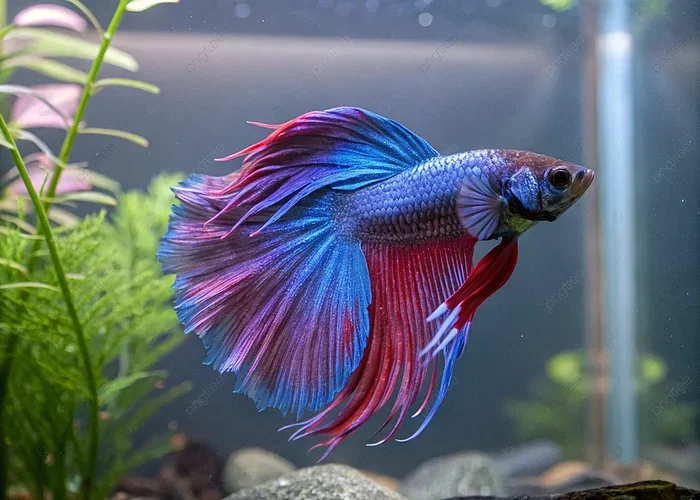
One of the easiest ways to gauge your betta’s mood is by its color. A happy betta fish displays bright, vivid hues. You will see deep reds, rich blues, and brilliant greens. When a betta is stressed or unwell, its colors start to fade. The fish may look pale or washed out. This color change is one of the first warning signs you should not ignore.
Think of it like this. When you feel good, you naturally look healthier and more vibrant. Bettas work the same way. Their skin and scales reflect their inner state. If your betta looks like it is glowing, that is a fantastic sign. You can also learn more about color changes and what they mean by checking out this article on how to tell if my betta fish is sick.
Fins Spread Wide and Flowing
A happy betta spreads its fins wide. This behavior is called “flaring,” and it is completely normal. Your betta might flare its fins when it sees you, when it sees itself in the mirror, or even when it is just feeling confident. The fins should look full, smooth, and vibrant.
On the other hand, clamped fins — where the fish keeps its fins pressed close to its body — signal stress or illness. If you notice this, it is time to investigate further. You can also learn more about general betta fish health and behavior in this guide on how do you know if your betta fish is sick.
Behavioral Signs of a Happy Betta
Active Swimming Patterns
A healthy betta is an active swimmer. Your fish should move around the tank with purpose and energy. It explores every corner, investigates plants, and interacts with decorations. Some bettas even like to follow your finger outside the glass!
Happy bettas also like to rest. They will hover near the surface or settle on a leaf for a nap. This is perfectly normal. Bettas have a labyrinth organ that lets them breathe air, so they often swim up to the surface for a gulp of oxygen. If your fish is swimming erratically, scratching against objects, or staying at the bottom constantly, those could be signs of trouble.
Curiosity and Exploration
Bettas are naturally curious creatures. A happy betta will investigate new objects in the tank. It might check out a new plant, a rock, or even a floating decoration. This curiosity shows that your fish feels safe and comfortable in its environment.
You can encourage this behavior by adding safe plants and hiding spots. Live plants like java moss or amazon swords work great. They give your betta places to explore and rest. For more tips on keeping your betta entertained, read this guide on how do you play with your betta fish.
Eating Habits Tell a Big Story
A Healthy Appetite Means a Happy Fish
Feeding time is one of the best moments to observe your betta. A happy betta gets excited at mealtime. It swims to the top of the tank eagerly and eats with enthusiasm. Most bettas love pellets, frozen bloodworms, and brine shrimp.
You can also feed your betta treats like betta-safe peas or brine shrimp for variety. A fish that refuses food or shows no interest in eating is a fish that needs attention. However, do not panic if your betta skips a meal occasionally — bettas can go a few days without food, especially if the water temperature is cooler.
Watch for Overfeeding Too
While a good appetite is great, overfeeding is a common mistake. Bettas have small stomachs. Feeding them too much can lead to bloating, constipation, and poor water quality. A good rule of thumb is to feed small amounts twice a day. Remove any uneaten food after a few minutes. This keeps the tank clean and your betta healthy.
Bubble Nests: A Sign of Contentment
If you see a cluster of bubbles floating near the surface of your tank, congratulations! Your betta is likely feeling happy and secure. Male bettas build bubble nests as a natural instinct. It signals that they feel ready and comfortable in their environment. Even male bettas in single tanks may build nests just because they feel good.
Bubble nests do not always mean your betta wants to breed. Sometimes, it is simply a sign of a content and confident fish. The nest can be small and messy or large and organized — both are normal. If your betta stops building nests suddenly, it could indicate stress or illness. Check your water parameters and look for other behavioral changes.
Tank Conditions That Keep Your Betta Happy
Water Quality Is Everything
The single most important factor in your betta’s happiness is water quality. Bettas need clean, dechlorinated water. You should test your tank water regularly for ammonia, nitrite, and nitrate levels. High levels of any of these chemicals will make your fish stressed and sick.
Use a water conditioner to remove chlorine and chloramines from tap water. Products like tap water conditioner for betta fish are easy to use and very effective. A good filter and regular water changes — about 25% every week — will keep your tank in great shape.
Temperature and Tank Size
Bettas are tropical fish and need warm water. The ideal temperature range is between 76 and 82 degrees Fahrenheit. Use a reliable heater and thermometer to maintain stable conditions. Cold water can make your betta lethargic and prone to illness.
Tank size matters too. Many people keep bettas in tiny bowls, but this is not ideal. A tank of at least 5 gallons gives your betta room to swim and explore. A larger tank also makes it easier to maintain stable water parameters. If you are curious about small setups, you can read about whether you can move your betta fish in a glass jar for temporary situations.
Enrichment and Stimulation
Just like any pet, bettas need mental stimulation. A boring tank leads to a bored fish. Add plants, caves, and gentle decorations to create a stimulating environment. Betta hammocks and floating logs are also great additions. These give your fish places to rest and explore.
You can also try making your betta fish happy with new toys or rearranging the tank occasionally. This keeps things fresh and exciting. Just make sure any decorations have smooth edges to prevent fin damage.
How to Spot an Unhappy or Sick Betta
Knowing the signs of a happy betta is important, but knowing the signs of an unhappy one is just as critical. A stressed betta will show clear warning signals. Faded colors, clamped fins, loss of appetite, and hiding are all red flags. Your betta might also breathe rapidly or stay at the bottom of the tank for long periods.
If you notice any of these symptoms, test your water immediately. Poor water conditions are the most common cause of betta stress. You should also look for physical signs like white spots, torn fins, or swelling. These could indicate diseases like ich or fin rot. For more detailed guidance on identifying serious health issues, check out this article on how can you tell if your betta fish is sick.
Quick action makes a huge difference. The sooner you catch a problem, the better your chances of nursing your betta back to health. Keep a basic fish first-aid kit on hand with medications for common issues. And remember, prevention is always better than cure. Clean water, proper feeding, and a stress-free environment are your best tools.
Quick Tips for Keeping Your Betta Happy
- Test water weekly and perform partial water changes every 7 to 10 days.
- Keep the temperature stable between 76 and 82 degrees Fahrenheit.
- Feed a varied diet including pellets, frozen foods, and occasional treats.
- Add live plants and decorations for exploration and hiding spots.
- Avoid aggressive tankmates — bettas do best in solo tanks or with very peaceful species.
- Observe your fish daily so you notice changes early.
- Use a gentle filter to avoid strong currents that tire your betta out.
Common Mistakes That Make Bettas Unhappy
Many betta owners accidentally make their fish miserable without realizing it. One of the biggest mistakes is keeping a betta in a tank that is too small. Tiny bowls and vases restrict movement and make it hard to maintain clean water. Another common error is skipping water changes. Dirty water leads to ammonia buildup, which is toxic and even deadly.
Overfeeding is another frequent problem. People love their bettas and want to give them lots of food, but this causes bloating and water pollution. Also, placing the tank in a noisy or high-traffic area can stress your fish out. Bettas prefer calm, quiet spaces where they can feel safe. Finally, keeping your betta in direct sunlight can cause temperature swings and algae overgrowth. Always place the tank in a stable, shaded spot.
If you want to learn more about common feeding mistakes, you can read about whether you can overfeed your betta fish. Small adjustments in your routine can lead to a much happier, healthier fish.
Expert Insight: The Connection Between Environment and Betta Happiness
Experienced aquarists agree that a betta’s environment directly shapes its behavior and overall well-being. A well-planted tank with gentle flow, stable temperatures, and clean water produces a confident, active betta. On the other hand, a bare tank with fluctuating conditions leads to a withdrawn, color-faded fish.
Experts recommend creating a biotope-style setup that mimics the betta’s natural habitat. This includes soft lighting, plenty of plants, and a gentle filter. Adding leaf litter like catappa leaves can also release beneficial tannins that promote betta health. These small touches make a big difference in how your fish feels and behaves every day.
Understanding how can you tell your betta fish is happy comes down to observing the small details. Every swim pattern, color shift, and feeding response tells a story. The more you pay attention, the better you will understand your fish’s needs. This deep connection between owner and pet is one of the most rewarding parts of keeping bettas.
Conclusion
Now you know exactly how can you tell your betta fish is happy. From vibrant colors and active swimming to healthy eating and bubble nest building, your betta gives you plenty of clues. The key is to observe daily, maintain excellent water quality, and provide a stimulating environment. A happy betta is a beautiful, active, and engaging companion that brings joy to any home.
Remember, every betta has its own personality. Some are bold and playful, while others are calm and laid-back. Learning your individual fish’s quirks is part of the fun. Keep applying the tips in this guide, and you will build a strong bond with your betta for years to come. Your fish will thank you with bright colors, energetic swims, and plenty of personality.
Frequently Asked Questions
How can you tell if your betta fish is happy?
A happy betta shows bright colors, active swimming, a healthy appetite, and builds bubble nests. It explores the tank and spreads its fins wide. These behaviors are clear signs that your fish feels safe and content in its environment.
What are the signs of a stressed betta fish?
Stressed bettas fade in color, clamp their fins close to their body, hide frequently, and lose interest in food. They may also breathe rapidly or stay at the bottom of the tank. Poor water quality is often the main cause of stress.
How often should I check my betta fish for signs of happiness?
You should observe your betta daily. Spending a few minutes each day watching your fish helps you notice changes early. Weekly water tests and tank maintenance also play a big role in keeping your betta consistently happy.
Can a betta fish be happy in a small bowl?
While bettas can survive in small bowls, they thrive better in larger tanks. A tank of at least 5 gallons gives your betta room to swim and explore. A bigger tank also makes it easier to maintain stable water conditions, which directly impacts your fish’s happiness.
Do bubble nests always mean my betta is happy?
Bubble nests are generally a sign of contentment and readiness. Male bettas build them when they feel secure and healthy. However, not all bettas build nests, and that does not necessarily mean they are unhappy. Every fish is different.
What should I feed my betta to keep it happy and healthy?
A varied diet keeps bettas happy. High-quality pellets should be the staple, supplemented with frozen or live foods like brine shrimp and bloodworms. You can also offer occasional treats like cooked peas. Avoid overfeeding, as this can cause health and water quality problems.