How Much Food to Feed a Baby Betta Fish

Feeding a baby betta fish the right amount is crucial for healthy growth and development. Baby bettas need tiny, frequent meals — typically 2 to 4 small feedings per day — with portions no larger than what fits in their tiny mouths. Overfeeding is the biggest mistake new betta owners make, and it can lead to serious health problems or even death in delicate fry.
Raising a baby betta fish is one of the most rewarding experiences in the aquarium hobby. But there is a lot that goes into caring for these tiny creatures, and how much food to feed a baby betta fish is one of the most common questions new betta owners ask.
Baby bettas, also called betta fry, have very different nutritional needs compared to adult bettas. Their stomachs are tiny — about the size of their eye — which means they need small, frequent meals throughout the day. Getting the feeding amount right from day one can mean the difference between a healthy, thriving fish and one that struggles to grow.
In this guide, we will walk you through everything you need to know about feeding baby betta fish. You will learn exactly how much to give, how often, what foods work best, and the common mistakes to avoid. Whether you just hatched your first batch of fry or brought home a tiny baby betta, this guide has you covered.
Key Takeaways
- Feed baby bettas 2–4 times daily with very small portions to match their tiny stomachs.
- Use specially formulated betta fry food or crushed flakes for the best nutrition.
- Overfeeding is the #1 danger — uneaten food ruins water quality fast in small tanks.
- Watch for hunger cues like frantic swimming at feeding time to gauge portion sizes.
- Adjust portions as your baby betta grows — what works at one week won’t work at four weeks.
- Live or frozen foods like baby brine shrimp are excellent protein sources for fry.
- Remove uneaten food immediately to keep the water clean and safe for your baby betta.
📑 Table of Contents
- How Much Food Does a Baby Betta Fish Need?
- Best Foods for Baby Betta Fish
- How Often Should You Feed a Baby Betta Fish?
- Common Mistakes When Feeding Baby Betta Fish
- How to Tell If You Are Feeding the Right Amount
- Expert Tips for Feeding Baby Betta Fish
- What Happens If You Overfeed a Baby Betta?
- Conclusion
How Much Food Does a Baby Betta Fish Need?
The answer to how much food to feed a baby betta fish depends on the age and size of your fry. Newborn baby bettas are extremely small and cannot eat much at once. As they grow, their stomach capacity increases, and you can gradually offer slightly larger portions.
Newborn Baby Betta (0–2 Weeks Old)
During the first two weeks of life, baby bettas are barely visible to the naked eye. At this stage, they need infusoria or very fine liquid fry food. The portion should be so small that the water stays mostly clear after feeding. If the water turns cloudy, you have given too much.
Feed your newborn baby betta in tiny amounts, about 2 to 3 times per day. Each feeding should last no longer than a few minutes. The goal is to provide nutrition without polluting the water.
Young Fry (2–4 Weeks Old)
By the time your baby betta reaches two weeks old, it can start eating slightly larger foods. At this stage, you can introduce crushed betta pellets or microworms. The portion size should still be very small — think a tiny pinch of food per fish.
Feed young fry 3 to 4 times per day. Each meal should be something your baby betta can consume within two to three minutes. If food is left floating or sinking untouched, you are giving too much.
Older Fry (4–8 Weeks Old)
Once your baby betta reaches four weeks of age, it has grown significantly. At this point, you can start offering small pellets or chopped bloodworms. The portion size increases slightly, but you should still keep meals small and frequent.
Feed older fry 2 to 4 times per day. You can begin to observe your baby betta’s appetite and adjust portions accordingly. A well-fed baby betta will have a rounded belly but should not look bloated.
Best Foods for Baby Betta Fish
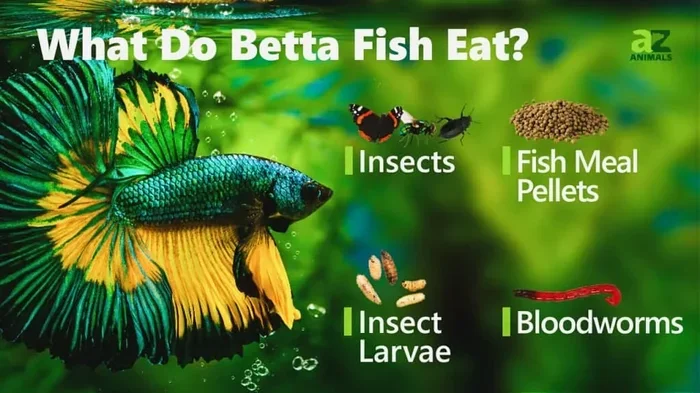
Not all fish foods are suitable for baby bettas. The food needs to be small enough for their tiny mouths and rich in protein to support rapid growth. Here are the best options for feeding baby betta fish:
Liquid Fry Food
Liquid fry food is the go-to choice for newborn baby bettas. It is specially formulated to be extremely small in particle size and packed with nutrients. Brands like Hikari First Bites and Liquifry are popular choices among betta breeders.
You can feed liquid food 2 to 3 times a day in very small amounts. A few drops per feeding are usually enough for a group of fry. This type of food dissolves quickly, which makes it easy for tiny baby bettas to consume.
Crushed Betta Pellets
As your baby betta grows past the newborn stage, crushed pellets become an excellent staple food. Simply take a regular betta pellet and crush it into a fine powder between your fingers. You can then offer small pinches of the crushed powder during each feeding.
Crushed pellets sink slowly, which gives your baby betta time to find and eat them. They also hold their shape better than flakes, which means less mess in the tank.
Baby Brine Shrimp
Baby brine shrimp are one of the most nutritious live foods you can offer a baby betta. They are packed with protein and are the perfect size for tiny fry mouths. Many betta breeders consider baby brine shrimp the gold standard for raising healthy betta fry.
You can hatch baby brine shrimp at home using a brine shrimp hatchery kit. Feed your baby betta a few shrimp per meal, 2 to 3 times a day. This food encourages natural hunting behavior and promotes strong growth.
Microworms
Microworms are another excellent live food option for baby bettas. They are tiny, white, and wriggling, which makes them irresistible to hungry fry. Microworms are easy to culture at home and provide a constant supply of fresh food.
Use a small spoon to pick up a few microworms and drop them into the tank. Feed microworms 2 to 3 times per day in small amounts. They are a great supplement to crushed pellets or liquid food.
How Often Should You Feed a Baby Betta Fish?
Frequency is just as important as portion size when it comes to feeding baby betta fish. Baby bettas have very fast metabolisms and need to eat more often than adult bettas. Here is a simple feeding schedule to follow:
- Newborn (0–2 weeks): Feed 2 to 3 times per day with liquid fry food or infusoria.
- Young fry (2–4 weeks): Feed 3 to 4 times per day with crushed pellets or microworms.
- Older fry (4–8 weeks): Feed 2 to 4 times per day with small pellets, bloodworms, or brine shrimp.
The key is to keep portions small and feed frequently. A baby betta’s stomach empties quickly, so multiple small meals throughout the day mimic their natural eating pattern and support steady growth.
If you are wondering about the general feeding frequency for bettas at any age, check out our guide on how many times a day to feed a betta fish for more detailed scheduling advice.
Common Mistakes When Feeding Baby Betta Fish
Even experienced fish keepers can make mistakes when feeding baby bettas. Here are the most common errors to avoid:
Overfeeding
Overfeeding is the single biggest mistake people make with baby bettas. Baby bettas have tiny stomachs, and uneaten food decays rapidly in the water. This can spike ammonia levels and harm or kill your fry within hours.
A good rule of thumb is to only offer as much food as your baby betta can eat in two to three minutes. If there is leftover food after that time, remove it immediately with a small turkey baster or sponge.
Feeding the Wrong Food Size
Baby bettas cannot eat regular-sized pellets or flakes. The food must be small enough for their tiny mouths. If the food is too large, your baby betta will refuse to eat or may choke. Always crush pellets finely and choose powdered or liquid foods for newborns.
Inconsistent Feeding Schedule
Baby bettas thrive on routine. Feeding at irregular times or skipping meals can stress your fry and slow their growth. Try to feed at the same times each day — morning and evening sessions work well for most hobbyists.
Ignoring Water Quality
Feeding creates waste, and baby bettas are extremely sensitive to poor water quality. Overfeeding leads to dirty water, which causes disease and stunted growth. Always monitor your water parameters and perform small water changes after feeding if needed.
How to Tell If You Are Feeding the Right Amount
Knowing whether you are feeding the correct amount comes down to observing your baby betta and the tank conditions. Here are the signs to watch for:
- Active and alert behavior: A well-fed baby betta will swim actively and respond to feeding time with enthusiasm.
- Clean water: If the water stays clear after feeding, your portions are likely correct.
- Steady growth: Your baby betta should be growing consistently week over week. Slow growth may indicate underfeeding.
- Round but not bloated belly: A healthy baby betta has a slightly rounded belly. A bloated or distended belly is a sign of overfeeding.
- No leftover food: All food should be consumed within a few minutes of adding it to the tank.
If you notice any of these warning signs — cloudy water, uneaten food, a bloated belly, or lethargic behavior — adjust your feeding amount immediately. It is always better to underfeed slightly than to overfeed a baby betta.
Expert Tips for Feeding Baby Betta Fish
Here are some expert-level tips that will help you get the feeding routine just right for your baby betta:
- Use a turkey baster for precision. A turkey baster lets you pick up tiny amounts of food and place them exactly where you want them in the tank. This prevents food from floating away and makes it easier for your baby betta to find each meal.
- Dim the lights during feeding. Baby bettas are more confident and active when the lights are dim. They will feel safer exploring and eating, which helps them consume the right amount.
- Rotate food types. Offer a variety of foods throughout the week — liquid food one day, crushed pellets the next, and live food like baby brine shrimp on another day. This ensures balanced nutrition and prevents picky eating habits.
- Feed in a quiet environment. Avoid tapping on the tank or making sudden movements during feeding time. Stress can cause baby bettas to refuse food, which throws off their feeding schedule.
- Keep a feeding log. Write down what you fed and when. This helps you track your baby betta’s appetite and growth pattern, making it easier to spot problems early.
For more tips on caring for your baby betta as it grows, check out our article on what to feed a baby betta fish for a complete dietary guide tailored to fry.
What Happens If You Overfeed a Baby Betta?
Overfeeding a baby betta can have serious consequences. Unlike adult bettas, baby bettas are much more vulnerable to water quality changes. Here is what can happen if you give too much food:
- Water contamination: Uneaten food decomposes quickly and releases ammonia into the water. Even small ammonia spikes can be lethal to baby bettas.
- Digestive problems: Baby bettas can become constipated or bloated if they eat too much. This can lead to swim bladder issues and difficulty swimming.
- Fungal and bacterial infections: Poor water quality from overfeeding creates the perfect environment for harmful pathogens that can infect your fry.
- Stunted growth: Ironically, overfeeding can actually slow growth because the fish becomes too sick to eat properly or absorb nutrients.
The best approach is to err on the side of caution. A baby betta can go a few hours without food without any harm, but overfeeding can cause irreversible damage in a matter of hours.
Conclusion
Getting how much food to feed a baby betta fish right is one of the most important steps in raising healthy betta fry. Remember to keep portions tiny, feed frequently, and always remove uneaten food promptly. Your baby betta needs small, protein-rich meals 2 to 4 times a day, and the exact amount will change as it grows from a newborn to an older fry.
Watch your baby betta closely, adjust portions based on its behavior and appetite, and never be afraid to feed a little less if you are unsure. A slightly hungry baby betta is far safer than an overfed one. With patience, consistency, and the right feeding approach, your baby betta will grow into a strong, healthy adult fish.
For more information on betta fish care, explore our guides on how often to feed a betta fish and what to feed a betta fish to build a complete care routine.
Frequently Asked Questions
How much should I feed my baby betta fish per meal?
Feed your baby betta only as much as it can consume within two to three minutes per meal. For newborns, this means just a few drops of liquid food or a tiny pinch of crushed pellets. As your baby betta grows, you can gradually increase the portion size slightly.
How many times a day should I feed a baby betta fish?
Baby bettas need to be fed 2 to 4 times per day depending on their age. Newborns do best with 2 to 3 feedings daily, while older fry can handle 3 to 4 smaller meals. Consistent feeding times help your baby betta develop a healthy routine.
Can I feed regular betta pellets to a baby betta fish?
Regular-sized pellets are too big for baby bettas. You should crush the pellets into a fine powder before offering them to your fry. Alternatively, use specially formulated liquid fry food or small pellet brands designed for betta fry during the early weeks of life.
What is the best food for a newborn betta fish?
The best food for a newborn betta is liquid fry food or infusoria. These are extremely small in particle size and rich in nutrients. As your baby betta grows past the first two weeks, you can gradually introduce crushed pellets, microworms, and baby brine shrimp.
How do I know if I am overfeeding my baby betta fish?
Signs of overfeeding include cloudy water after meals, uneaten food floating in the tank, a bloated or distended belly on your baby betta, and lethargic behavior. If you notice any of these signs, reduce the portion size and remove any leftover food immediately.
Is it okay to skip a feeding for my baby betta fish?
Yes, skipping one feeding occasionally is perfectly fine and can even be beneficial. Baby bettas can safely go a few hours without food. In fact, a brief fasting period can help prevent digestive issues and keep your baby betta’s tummy healthy.