Can Betta Fish Use Weekend Feeders
Weekend feeders can work for betta fish, but they come with real risks. Overfeeding, water quality issues, and device malfunction are common problems. This guide covers everything you need to know before using one.
Key Takeaways
- Weekland feeders are not ideal for betta fish: Bettas are small and prone to overfeeding, making automatic feeders risky for their health.
- Overfeeding is the biggest danger: Excess food decays quickly and spikes ammonia, which can poison your betta in a small tank.
- Vacation feeding blocks are an alternative: Mineral blocks release food slowly but can also foul water if left too long.
- Automatic feeders can work with caution: If you choose one, test it thoroughly before leaving and use tiny portions.
- A fish sitter is the safest option: Having someone feed your betta in person is far more reliable than any device.
- Water quality matters more than food: A clean, cycled tank is critical when you’re away, regardless of feeding method.
- Bettas can survive short fasts: A healthy adult betta can go 3 to 5 days without food, so skipping feeding on short trips is often safer.
📑 Table of Contents
- Can Betta Fish Use Weekend Feeders? What Every Owner Needs to Know
- What Are Weekend Feeders and How Do They Work?
- Why Weekend Feeders Are Risky for Betta Fish
- When Weekend Feeders Might Be Acceptable
- Safer Alternatives to Weekend Feeders
- How to Set Up an Automatic Feeder for Your Betta
- Common Mistakes Betta Owners Make with Weekend Feeders
- What to Do When You Get Home
- Final Thoughts on Using Weekend Feeders for Betta Fish
Can Betta Fish Use Weekend Feeders? What Every Owner Needs to Know
So you have a trip coming up. Maybe it is a weekend getaway or a short vacation. And now you are staring at your betta fish tank wondering, “Who is going to feed my little buddy while I am gone?” This is one of the most common questions betta owners face. You have probably seen those little automatic feeders or vacation feeding blocks at the pet store and thought, “Perfect solution, right?” Well, not so fast.
The truth is, can betta fish use weekend feeders is not a simple yes or no question. There are real benefits and real risks involved. Betta fish are small, sensitive creatures with specific dietary needs. What works for a goldfish or a community tank full of tetras might not work for your betta. In this guide, we are going to break down everything you need to know about weekend feeders, automatic feeders, vacation blocks, and the best ways to keep your betta healthy while you are away. By the end, you will know exactly what to do the next time you need someone to feed your betta fish.
What Are Weekend Feeders and How Do They Work?
Before we dive into whether betta fish can use weekend feeders, let us talk about what these devices actually are. There are three main types of weekend feeders you will encounter, and each one works differently.
Vacation Feeding Blocks
These are the most common “weekend feeders” you will find at pet stores. They are small blocks made of food encased in a dissolvable mineral or plaster casing. You drop one into the tank, and as the water slowly dissolves the casing, small amounts of food are released over several days. They are designed to last anywhere from 3 to 14 days depending on the brand and size.
The idea is simple and appealing. Your betta nibbles on the block whenever it is hungry, and you do not have to worry about feeding at all. But here is the catch. These blocks are made for a wide variety of fish, and the food inside is often generic flake food. Betta fish are carnivores that need high-protein diets. Most vacation blocks contain mostly plant-based fillers that are not ideal for bettas.
Automatic Electronic Feeders
Automatic electronic feeders are battery-powered devices that sit on top of your tank. You load them with dry food, set a timer, and the device dispenses a pre-measured amount of food at scheduled times. Some models can feed your fish multiple times a day for weeks at a time.
These are more precise than vacation blocks because you control the portion size and timing. However, they are also more expensive and more prone to mechanical failure. If the batteries die or the mechanism jams, your betta gets no food at all. And if it malfunctions and dumps too much food at once, you have a serious water quality problem on your hands.
Feeding Rings and Slow-Release Inserts
Some products combine a feeding ring with slow-release food inserts. The ring floats on the surface and holds a small container of food that dissolves gradually. These are similar to vacation blocks but are designed to keep the food contained in one spot rather than breaking apart all over the tank.
Why Weekend Feeders Are Risky for Betta Fish
Now let us get into the real reason you are reading this article. Why are weekend feeders problematic for betta fish specifically? There are several important factors to consider.
Bettas Are Prone to Overfeeding
Betta fish are notorious for eating anything you put in front of them. They do not know when to stop. In the wild, bettas are opportunistic feeders that eat whenever food is available because they never know when the next meal is coming. This instinct does not go away in captivity.
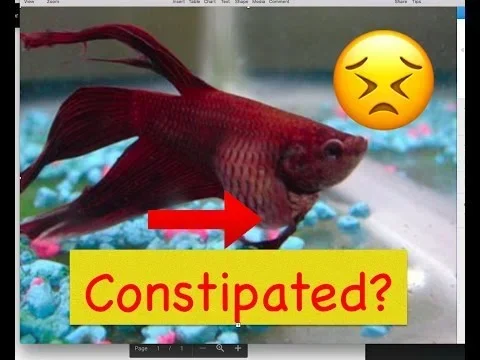
When you use a vacation block, your betta may eat far more than it needs. This leads to bloating, constipation, and swim bladder disorder. Swim bladder disorder is one of the most common health problems in bettas, and it makes it difficult or impossible for the fish to swim properly. It can be fatal if not treated.
Water Quality Deteriorates Quickly
This is probably the biggest risk of using weekend feeders for betta fish. Most bettas are kept in smaller tanks, typically 2.5 to 10 gallons. In a small volume of water, any uneaten food or excess waste causes ammonia and nitrite levels to spike rapidly. Ammonia is toxic to fish even at low concentrations.
Vacation blocks are designed to dissolve and release food continuously. But if your betta does not eat the food fast enough, it just sits in the tank and rots. This creates a perfect storm for poor water quality. By the time you get home, your betta could be sitting in toxic water. If you want to understand more about maintaining proper water conditions, check out our guide on what water to use for betta fish.
Wrong Type of Food
Most vacation blocks contain generic flake food or a mix of plant-based ingredients. Betta fish are insectivores and carnivores. They need a diet that is high in protein, ideally 40% or more. Feeding them the wrong type of food, even for a few days, can lead to nutritional deficiencies and digestive problems over time.
If you do decide to use an automatic feeder, make sure you load it with high-quality betta pellets or freeze-dried bloodworms. Never use generic tropical fish flakes as a substitute for proper betta food. Our article on what can betta fish eat goes into detail about the best food options for your pet.
Device Malfunction Is Always a Possibility
Automatic electronic feeders are machines, and machines fail. Batteries run out. Motors jam. Timers glitch. If you are away for the weekend and your feeder stops working, your betta goes hungry. If it dumps a week’s worth of food in one go, your betta’s water becomes toxic. There is no way to monitor the situation when you are not home.
When Weekend Feeders Might Be Acceptable
Despite all the risks, there are some situations where weekend feeders can work for betta fish. It just takes extra preparation and caution.
Short Trips of 2 to 3 Days
If you are only going to be gone for a weekend, a properly tested automatic feeder can be a reasonable option. The key word here is “tested.” You should never set up an automatic feeder for the first time and then immediately leave for a trip. Set it up at least a week in advance and monitor how it performs. Make sure it dispenses the right amount of food at the right times.
Larger, Well-Filtered Tanks
If your betta lives in a larger tank, say 10 gallons or more, with a good filter and established beneficial bacteria, the risk of water quality issues is lower. The larger water volume can handle a bit more waste before ammonia levels become dangerous. A heavily planted tank is even better because plants absorb some of the excess nutrients.
Using High-Quality Betta Pellets
If you use an automatic feeder, always load it with high-quality betta pellets. Pellets are less likely to break apart and cloud the water compared to flakes. They also hold their nutritional value better over time. Choose a pellet size appropriate for your betta’s mouth, and set the feeder to dispense only 2 to 3 pellets per feeding.
Safer Alternatives to Weekend Feeders
If you are not comfortable using a weekend feeder, do not worry. There are several safer alternatives that will keep your betta healthy while you are away.
Ask a Friend or Neighbor to Feed Your Betta
This is by far the safest option. Ask a trusted friend, family member, or neighbor to stop by once a day and feed your betta. The key is to pre-portion the food. Put the exact amount of pellets your betta needs for each day in a small container or pill organizer. This prevents the person from accidentally overfeeding.
Write clear instructions. Tell them exactly how many pellets to give and when. Show them how to check that the fish is eating normally. Most people are happy to help, and it gives you peace of mind knowing a real person is looking after your pet.
Pre-Portioned Food Cups
If you cannot find anyone to feed your betta, try this trick. Pre-portion your betta’s food into small cups or containers, one for each day you will be gone. Leave them somewhere visible with clear instructions. If a neighbor or friend stops by to check on your house anyway, they can simply dump in the daily portion without any guesswork.
Do Not Feed at All for Short Trips
Here is something that surprises many new betta owners. Healthy adult betta fish can safely go without food for 3 to 5 days. In the wild, bettas regularly go days between meals. Their bodies are adapted to handle short periods of fasting.
If you are going away for just a weekend, it is often safer to not feed your betta at all than to risk overfeeding with a vacation block. Just make sure your tank is clean before you leave. Do a partial water change the day before you go, and make sure your filter is running properly. Your betta will be perfectly fine when you get back.
Automatic Feeders with a Backup Plan
If you really want to use an automatic feeder, set one up but also have a backup plan. Ask a friend to check on your betta at least once during your trip. If the feeder malfunctions, your friend can step in and feed the fish manually. This gives you the convenience of automation with the safety of human oversight.
How to Set Up an Automatic Feeder for Your Betta
If you have decided that an automatic feeder is the right choice for your situation, here is how to do it properly.
Choose the Right Feeder
Not all automatic feeders are created equal. Look for one that allows you to set very small portion sizes. Some feeders dispense food by rotating a hopper, and each rotation might release more food than your betta needs. Look for models with fine-tuned portion controls. Read reviews from other betta owners to see which feeders work best for small fish.
Test It for at Least a Week
Never leave an automatic feeder running unsupervised without testing it first. Set it up a week before your trip and watch how it performs. Check that it dispenses the correct amount of food at the right times. Make sure your betta actually eats the food and does not ignore it. If anything seems off, adjust the settings or choose a different feeding method.
Use the Smallest Portion Setting
Bettas have tiny stomachs. They only need 2 to 3 small pellets per feeding, twice a day. Set your feeder to the smallest possible portion size. It is better to underfeed slightly than to overfeed. Remember, your betta can handle a small amount of hunger far better than it can handle overfeeding and the resulting water quality problems.
Position the Feeder Correctly
Make sure the feeder is positioned so that food lands in an area where your betta can easily find it. Bettas are surface feeders, so the food should land on the water surface. If the feeder drops food near a filter current, it might get swept away before your betta can eat it, leading to waste buildup in the tank.
Check Your Water Parameters Before You Leave
Before you head out on your trip, test your water to make sure ammonia, nitrite, and nitrate levels are safe. A cycled tank with zero ammonia and zero nitrite is essential. If your tank is not fully cycled, do not leave your betta with an automatic feeder. The combination of uneaten food and an uncycled tank can be deadly.
Common Mistakes Betta Owners Make with Weekend Feeders
Even well-meaning betta owners make mistakes when using weekend feeders. Here are the most common ones to avoid.
Leaving a Vacation Block in Too Long
Some vacation blocks are designed to last up to 14 days. But in a small betta tank, a block that size can completely destroy your water quality within a few days. Always follow the manufacturer’s recommendations for tank size, and when in doubt, use a smaller block or remove it early.
Not Considering Tank Size
A vacation block rated for a 20-gallon tank is way too much for a 5-gallon betta tank. The concentration of dissolving minerals and food will be far too high in a small volume of water. Always choose a product appropriate for your specific tank size.
Ignoring Temperature and pH Factors
Water temperature and pH affect how quickly vacation blocks dissolve. Warmer water dissolves them faster. If your betta tank is kept at 78 to 80 degrees Fahrenheit, which is ideal for bettas, the block might dissolve much faster than expected. This means more food is released in a shorter period, increasing the risk of overfeeding and water quality issues.
Assuming the Feeder Will Work Perfectly
Never assume an automatic feeder will work flawlessly without supervision. Mechanical devices fail. Power outages happen. Batteries die. Always have a backup plan, whether that is a friend checking in or pre-portioned food ready for someone to use.
What to Do When You Get Home
You have returned from your trip. Now what? Here is a checklist to make sure your betta is healthy and your tank is in good shape.
Check Your Betta’s Appearance and Behavior
Look at your betta carefully. Is it swimming normally? Are its fins intact and not clamped? Is its belly a normal size, not bloated or sunken? Any signs of distress, such as lethargy, loss of color, or difficulty swimming, could indicate a problem that needs attention. If you notice fin damage, our article on can betta fish fins grow back might help.
Test Your Water Parameters
Test ammonia, nitrite, and nitrate levels immediately. If ammonia or nitrite is above zero, perform a partial water change right away. If nitrate is above 20 ppm, that is also a sign that water quality has declined and a change is needed.
Remove Any Uneaten Food
If you used a vacation block, remove any remaining pieces. If you used an automatic feeder, check for uneaten food in the tank. Siphon out any debris from the substrate to prevent ammonia spikes.
Resume Normal Feeding Gradually
If your betta went without food for several days, do not immediately give it a large meal. Start with a small portion and gradually return to the normal feeding schedule over a day or two. This gives your betta’s digestive system time to adjust.
Final Thoughts on Using Weekend Feeders for Betta Fish
So, can betta fish use weekend feeders? The answer is yes, but with significant caveats. Weekend feeders and automatic feeders can work for betta fish in certain situations, but they are not the safest or most reliable option. The risks of overfeeding, poor water quality, and device malfunction are real and can have serious consequences for your betta’s health.
For short trips of 2 to 3 days, the safest approach is often to simply not feed your betta at all. A healthy adult betta can handle a brief fast without any problems. For longer trips, having a trusted person feed your betta in person is always the best choice. If you do use an automatic feeder, test it thoroughly, use the smallest portions possible, and have a backup plan in place.
Your betta depends on you to make the right choices. With a little preparation and common sense, you can enjoy your time away knowing your betta will be safe and healthy when you return. The key is to prioritize your betta’s well-being over convenience. A weekend feeder might seem like an easy solution, but nothing beats the care and attention of a responsible owner who plans ahead.
Frequently Asked Questions
Can betta fish survive without food for a weekend?
Yes, healthy adult betta fish can safely go 3 to 5 days without food. For a short weekend trip, it is often safer to let your betta fast than to risk overfeeding with a vacation block or automatic feeder.
Are vacation feeding blocks safe for betta fish?
Vacation feeding blocks can be used cautiously, but they carry risks. They often contain the wrong type of food for bettas, can cause overfeeding, and may degrade water quality in small tanks. They are not the best option for betta fish.
How much should I feed my betta if using an automatic feeder?
Set your automatic feeder to dispense only 2 to 3 small betta pellets per feeding, twice a day. It is always better to slightly underfeed than to overfeed, especially when you are not there to monitor the situation.
What is the best way to feed my betta while on vacation?
The safest method is to have a trusted friend or neighbor feed your betta in person. Pre-portion the food into daily servings to prevent overfeeding. This gives you the reliability of a real person caring for your fish.
Can I use tropical fish flakes in an automatic feeder for my betta?
No, tropical fish flakes are not appropriate for betta fish. Bettas need high-protein food designed specifically for their species. Use high-quality betta pellets or freeze-dried bloodworms in your automatic feeder instead.
How do I test an automatic feeder before leaving for a trip?
Set up the feeder at least one week before your trip and monitor it daily. Check that it dispenses the correct portion size at the right times. Watch to make sure your betta eats the food and that water quality remains stable throughout the testing period.