What Temp Does a Betta Fish Need for Optimal Health
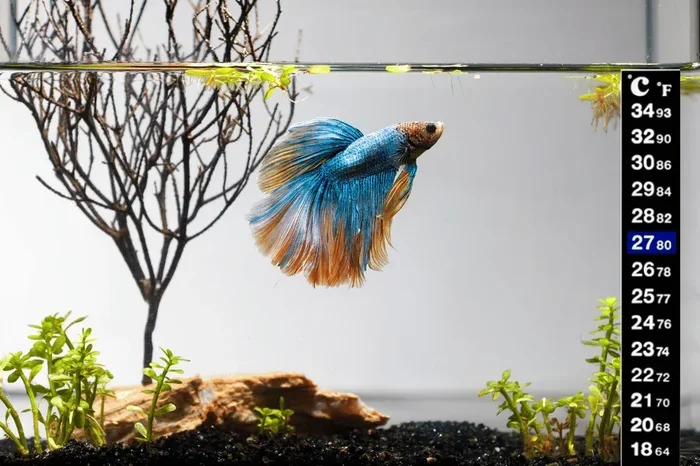
Betta fish thrive in warm water, so knowing what temp does a betta fish need is essential for their long-term health. The ideal range sits between 78 and 80 degrees Fahrenheit, which mimics their natural tropical habitat. Keeping your tank stable prevents stress, boosts immunity, and helps your fish live a full, active life. You will learn simple heating tips, common mistakes to avoid, and how to monitor water temperature like a pro.
If you just brought home a beautiful betta fish, you probably want to give it the best start possible. One of the fastest ways to keep your new friend healthy is to understand what temp does a betta fish need and how to maintain it. These colorful fish come from warm tropical waters, so they do best in a steady, cozy environment. When the water stays in the right range, your betta swims with confidence, eats well, and shows off those stunning fins.
Many new keepers wonder if a simple bowl on a shelf is enough. The truth is that room temperature alone often falls short, especially in homes that run cool at night. A small heater, a good thermometer, and a little routine go a long way. In this guide, you will learn the ideal temperature range, how to choose the right equipment, and what to do when things drift off track. Let us dive in and make your tank a safe, comfortable home.
Key Takeaways
- Ideal temperature range: Betta fish need water between 78 and 80 degrees Fahrenheit for optimal health and activity.
- Avoid sudden changes: Temperature swings stress your fish and can lead to illness, so always adjust heat gradually.
- Use a reliable heater: A quality adjustable heater with a thermostat keeps water warm and stable around the clock.
- Monitor regularly: Check water temperature daily with a trusted thermometer to catch problems early.
- Watch for signs of stress: Lethargy, clamped fins, or loss of appetite often signal that the water is too cold or too warm.
- Room temperature matters: Tanks in cool rooms or near drafts need stronger heating support to maintain a steady tropical environment.
- Consistency beats perfection: A stable 76 to 82 degree range works well, but steady conditions matter more than hitting an exact number.
📑 Table of Contents
What Temp Does a Betta Fish Need for Optimal Health
The short answer is simple. Betta fish need water between 78 and 80 degrees Fahrenheit to feel their best. This range matches the warm shallow streams and rice paddies they naturally inhabit. When the water sits in this zone, your fish digests food properly, fights off illness, and stays active. You do not need a perfect number every second of the day. A steady range matters more than a single exact degree.
Some keepers run their tanks a bit cooler, around 76 degrees, and their fish still do fine. Others prefer 82 degrees, especially if they keep fancy varieties or want to encourage breeding behavior. The key is consistency. Rapid swings from cold to hot create stress, and stress opens the door to disease. Think of temperature as the foundation of your tank. When the foundation is solid, everything else becomes easier.
Why Warm Water Matters So Much
Bettas are tropical fish, not coldwater fish. Their bodies are built for warmth. In cooler water, their metabolism slows down. That means less energy, weaker digestion, and a sluggish immune system. You might notice your fish resting on the bottom more often or ignoring food. On the other hand, water that runs too hot can speed up metabolism too much. That can lead to oxygen stress and a shorter lifespan. Balance is the goal.
Warm water also supports healthy fin growth and vibrant color. Many bettas look dull when they are uncomfortable. Once the temperature settles into the right zone, you often see a noticeable boost in activity and confidence. A happy betta explores, flares proudly, and interacts with you during feeding time. That is the experience most keepers want, and temperature plays a big role in making it happen.
Signs Your Betta Is Too Cold
Cold water does not always look obvious at first. You have to watch your fish closely. Common signs that the tank is too chilly include:
- Lethargy: Your betta rests on leaves, the substrate, or the glass more than usual.
- Slow response to food: The fish notices food but swims up slowly or loses interest.
- Clamped fins: Fins stay close to the body instead of spreading out naturally.
- Dull color: Vibrant hues fade, and the fish looks less lively.
- Rare flaring or exploration: A normally bold fish becomes shy and still.
If you see these signs, check your thermometer first. A simple temperature reading often explains the problem. Then adjust your heater or move the tank away from cold drafts. Small changes help a lot.
Signs Your Betta Is Too Warm
Heat can be just as problematic as cold. Too-warm water may cause:
- Rapid gill movement: Your betta breathes faster as it tries to get enough oxygen.
- Restlessness: The fish paces or seems unable to settle.
- Loss of appetite: Even a warm-loving betta can push back on food when the tank feels like a sauna.
- Lowered oxygen levels: Warm water holds less oxygen, which can make breathing harder.
- Stress-related illness: Prolonged heat stress weakens the immune system over time.
If the water feels too warm, reduce the heater setting gradually. You can also improve surface movement with a gentle filter output or an air stone. Better gas exchange helps oxygen levels stay healthy.
Choosing the Right Heater for Your Tank
A good heater makes temperature control much easier. You do not need the most expensive model, but you do want reliability. An adjustable heater with a built-in thermostat is the best choice for most betta setups. It lets you set a target temperature and keeps the water near that point without constant tweaking.
Size matters too. A small tank needs a small heater, while a larger tank needs more power. If the heater is too weak, it will run constantly and still struggle to keep up. If it is too strong, it may overshoot the target. Check the manufacturer guidelines for tank size, and pick a model that fits your setup comfortably.
Submersible vs. Hang-On Heaters
Submersible heaters sit fully inside the water. They are popular because they are efficient and easy to place. Hang-on heaters rest partly outside the tank. Both can work well, but submersible models often give more stable results in smaller tanks. Whichever style you choose, make sure it is fully submerged according to the instructions. Dry running can damage the unit and create unsafe hot spots.
Why a Thermostat Helps You Sleep Better
A thermostat takes the guesswork out of heating. Instead of checking the tank all day, you set a target and let the heater cycle on and off as needed. That stability is exactly what bettas love. It also protects against accidental overheating, which can happen with cheap or faulty equipment. For peace of mind, many keepers pair a reliable heater with a separate thermometer for double-checking.
How to Monitor Temperature the Right Way
You cannot manage what you do not measure. A quality thermometer is one of the cheapest and most useful tools in the aquarium hobby. Stick-on strips are easy to read, but a separate digital or glass thermometer often gives a more accurate picture. Place the thermometer where you can see it quickly, away from direct heater contact, so you get a true reading of the water column.
Check the temperature at the same time each day. Morning and evening readings can differ, especially in rooms that cool down at night. Tracking both helps you spot patterns. If you notice a drift, adjust early instead of waiting for your fish to show stress signs.
Quick Tips for Accurate Readings
- Avoid direct sunlight: Sunlight can warm the water and skew your readings.
- Keep the thermometer mid-water: Surface and bottom readings can differ, so aim for the middle.
- Calibrate when possible: If your thermometer allows calibration, use it to stay precise.
- Cross-check new tools: Compare a new thermometer with an old trusted one before relying on it.
Common Mistakes When Checking Temperature
One common mistake is reading the thermometer right next to the heater. That spot can run warmer than the rest of the tank. Another mistake is assuming the room feels warm, so the water must be fine. Air temperature and water temperature are not the same. A cool draft near the tank can lower water temperature even when the room seems comfortable. Always trust the water reading, not a guess.
Managing Room Temperature and Seasonal Changes
Your home environment affects the tank more than many people realize. In winter, nighttime drops can pull water temperature down. In summer, a sunny window or a warm room can push it up. If your tank sits near a door, vent, or window, expect more fluctuation. Moving the tank to a steadier spot often solves half the problem before you even touch the heater settings.
Seasonal changes also mean you should review your setup a few times a year. A heater setting that works in autumn may need a small adjustment in winter. The same goes for summer, when you may need to lower the target or improve aeration. A little seasonal maintenance keeps your betta comfortable all year.
Quick Tips for Seasonal Stability
- Winter: Expect cooler nights and check the tank more often.
- Summer: Watch for overheating and add gentle surface movement if needed.
- Drafts: Keep the tank away from open windows, doors, and air vents.
- Light schedule: Use consistent lighting so day and night cycles stay predictable.
Expert Insight on Location
Experienced keepers often say that placement is part of temperature control. A tank on a stable interior wall usually holds heat better than one beside a drafty doorway. If you have a choice, pick a spot with steady ambient temperature and low foot traffic. Your betta will benefit from fewer bumps, fewer temperature swings, and a calmer environment overall.
What to Do When Temperature Drifts
Even with good equipment, temperature can drift. Maybe the heater aged, the room got colder, or the power flickered. The important thing is to respond calmly and gradually. Sudden fixes can shock your fish more than the original problem. Adjust the heater in small steps, then wait and recheck. Patience keeps the transition safe.
If the water is too cold, raise the target temperature a little at a time. If it is too warm, lower the setting and increase surface agitation. In both cases, keep an eye on your fish for the next day or two. Behavior changes tell you whether your adjustment helped.
Step-by-Step Rescue Plan
- Check the thermometer: Confirm the actual water temperature before changing anything.
- Inspect the heater: Make sure it is working, fully submerged, and set correctly.
- Adjust gradually: Change the target by a small amount, then wait several hours.
- Improve airflow if warm: Add gentle surface movement to support oxygen levels.
- Observe your fish: Look for improved activity, better appetite, and relaxed breathing.
- Recheck tomorrow: Confirm the new setting holds steady through day and night.
Common Mistakes During Corrections
A big mistake is cranking the heater to the maximum because you are worried. That can overshoot fast and create a new problem. Another mistake is moving the fish to a different tank immediately without acclimating it. Sudden moves add stress. If you ever need to relocate your betta, take your time and match the water conditions as closely as possible. Smooth transitions are always safer.
Feeding, Activity, and Temperature Connection
Temperature influences how your betta eats and moves. In the right range, digestion works smoothly, and feeding becomes predictable. You can offer regular meals without worrying that the food sits unused in the stomach. When the water runs cold, food breaks down more slowly. That can lead to bloating or uneaten leftovers, which then affect water quality.
Activity level also shifts with temperature. A comfortable betta explores more, swims with purpose, and reacts to your presence. That makes feeding time more enjoyable and helps you notice early signs of trouble. If your fish suddenly becomes picky, do not rush to change the diet first. Check the temperature. Often, the environment is the missing piece.
Quick Tips for Feeding in the Right Range
- Offer small portions: Small meals are easier to digest and reduce waste.
- Watch response time: A healthy betta usually approaches food quickly when warm enough.
- Remove leftovers: Uneaten food can cloud the water and lower quality fast.
- Adjust for age and size: Younger fish may need more frequent meals, while adults do well on a steady routine.
Expert Insight on Routine
Many successful keepers keep a simple daily routine. They check the temperature, offer a measured meal, and watch how the fish responds. That small habit builds a clear picture of what is normal for their betta. When you know what normal looks like, you spot changes faster. That is one of the easiest ways to protect your fish long term.
Long-Term Health and Stable Warmth
Stable warmth supports more than daily comfort. It helps the immune system stay ready, which matters because bettas can be sensitive to bacterial and fungal issues when stressed. A steady environment also reduces wear and tear on the body. Over time, that can mean a longer, brighter life for your fish. You do not need fancy equipment to achieve this. You need consistency.
Think of your tank as a small ecosystem. Temperature, filtration, clean water, and space all work together. If one piece is off, the others have to work harder. When the temperature stays in the right zone, maintenance becomes simpler, your fish looks better, and you spend less time fixing problems. That is a win for both you and your betta.
Key Takeaways for Long-Term Care
- Keep it steady: Stable temperature matters more than chasing a perfect number.
- Use reliable tools: A good heater and thermometer are worth the small investment.
- Watch behavior closely: Your fish will tell you a lot if you pay attention.
- Adjust gently: Small changes protect your betta from shock.
- Recheck often: Daily observation prevents small issues from becoming big ones.
Final Thoughts on What Temp Does a Betta Fish Need
If you remember one thing, let it be this: what temp does a betta fish need is not a mystery once you focus on the right range and steady conditions. Aim for 78 to 80 degrees Fahrenheit, keep the water stable, and watch your fish for signs of comfort or stress. With a dependable heater, a trusted thermometer, and a little daily attention, you can create a warm, safe home that helps your betta thrive. Your fish will reward you with better color, more activity, and a healthier life.
Frequently Asked Questions
What temp does a betta fish need to stay healthy?
Betta fish need water between 78 and 80 degrees Fahrenheit for optimal health. A stable range near 76 to 82 degrees can also work if the temperature stays consistent and changes happen slowly.
Can a betta fish live in room temperature water?
Sometimes, if the room stays warm enough and does not cool down at night. Many homes are too cool for long-term betta health, so a heater is usually the safer choice.
How do I know if my betta tank is too cold?
Look for lethargy, clamped fins, slow feeding, and dull color. The easiest way to confirm is to check the water with a reliable thermometer.
Is 82 degrees too hot for a betta fish?
It can be acceptable for short periods, but prolonged heat near 82 degrees may stress some bettas and reduce oxygen levels. If you keep the tank that warm, make sure the fish breathes comfortably and stays active.
Do I need a heater for a betta fish bowl?
In most cases, yes, because bowls are small and lose heat quickly. A small adjustable heater helps keep the water stable, especially when room temperature drops.
How quickly can temperature changes harm a betta fish?
Fast changes can stress a betta within minutes to hours, especially if the shift is large. Gradual adjustments are much safer, so always change the temperature slowly and monitor your fish closely.