What Can Betta Fish Eat

Betta fish thrive on a varied diet that mimics their natural meals. High‑quality pellets or flakes form the base, supplemented with frozen, live, and occasional plant foods. Proper feeding schedules and portion control prevent health issues and keep colors vibrant.
Key Takeaways
- Base diet matters: Choose pellets or flakes specially formulated for bettas.
- Live & frozen foods boost nutrition: Offer daphnia, bloodworms, or brine shrimp a few times weekly.
- Plant matter is essential: Include blanched peas or zucchini for fiber.
- Portion control prevents obesity: Feed 2‑3 small meals daily, no more than the pellet size of the fish’s eye.
- Water quality ties to feeding: Remove uneaten food promptly to avoid ammonia spikes.
- Seasonal variety keeps interest: Rotate foods to prevent boredom and provide balanced nutrients.
- Watch for signs of over‑ or under‑feeding: Monitor growth, coloration, and waste output.
📑 Table of Contents
- Introduction: Why Diet Is the Heart of Betta Care
- 1. The Foundation: Quality Betta Pellets & Flakes
- 2. Live and Frozen Foods: Adding the Wild Touch
- 3. Plant‑Based Options: Fiber and Variety
- 4. Treats and Supplements: Enhancing Health and Color
- 5. Feeding Mistakes to Avoid
- 6. Practical Feeding Routine: A Day‑by‑Day Example
- Conclusion: Feeding Your Betta for a Vibrant Life
Introduction: Why Diet Is the Heart of Betta Care
When you bring home a betta, the first thing you’ll notice is its dazzling colors and bold personality. Those traits aren’t just for show; they’re a sign of a healthy, well‑fed fish. In the wild, bettas hunt small insects, larvae, and tiny crustaceans. Replicating that natural menu in a home aquarium is the key to vibrant fins, strong immunity, and a long life.
Many beginners think a handful of flakes will do the trick, but bettas are carnivores with specific nutritional needs. This guide walks you through everything a betta can eat—from staple pellets to occasional treats—so you can feed with confidence and keep your finned friend thriving.
1. The Foundation: Quality Betta Pellets & Flakes
What Makes a Good Betta Pellet?
Pellets designed for bettas are high in protein (30‑40%) and contain essential amino acids, vitamins, and minerals. Look for products that list real fish or shrimp meal as the first ingredient and avoid fillers like wheat or soy.
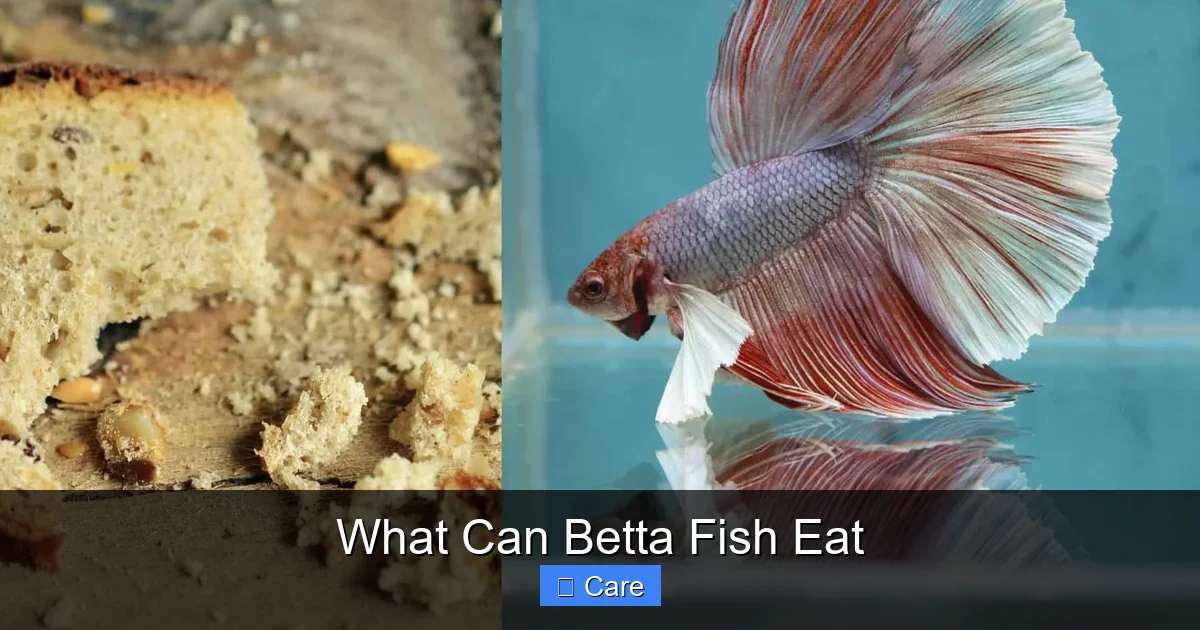
Visual guide about What Can Betta Fish Eat
Image source: petfood.guide
How Much and How Often?
- Feed 2‑3 times per day.
- Offer 2‑3 pellets per feeding—roughly the size of the fish’s eye.
- If the pellets sink quickly, your betta may not notice them; opt for floating varieties.
Choosing Between Pellets and Flakes
Both work, but pellets stay together, reducing waste. Flakes can be crumbled for smaller mouths, but they tend to disintegrate faster, increasing water fouling.
2. Live and Frozen Foods: Adding the Wild Touch
Why Include Live/Frozen Foods?
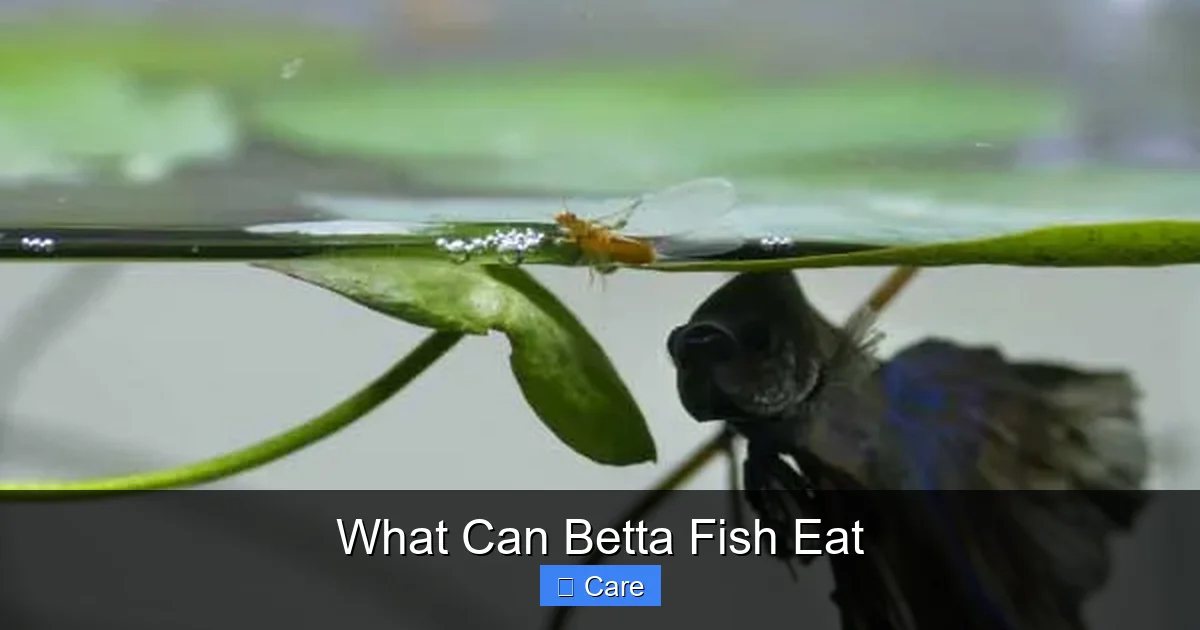
Live and frozen foods are rich in protein, omega‑3 fatty acids, and natural movement that stimulates a betta’s hunting instincts. They also boost coloration and improve digestion.
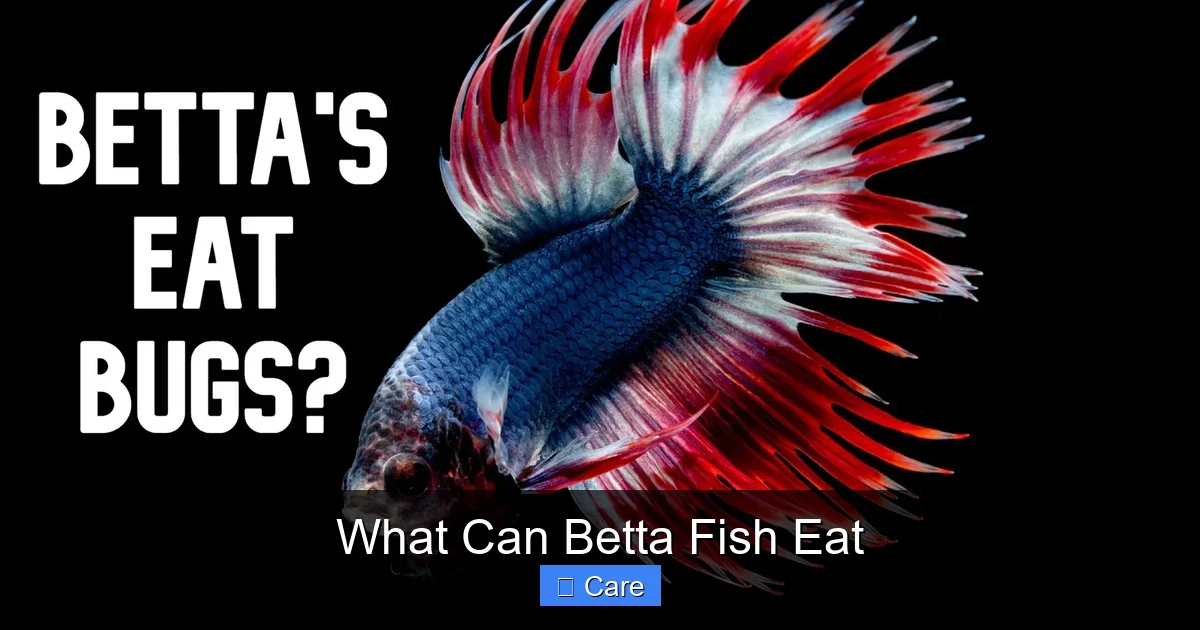
Visual guide about What Can Betta Fish Eat
Image source: fishtanksetups.com
Top Choices
- Bloodworms: High in protein; great for conditioning before breeding.
- Brine Shrimp: Easy to culture at home; bright orange appeal.
- Daphnia: Soft‑shelled, excellent for gut health.
- Microworms: Tiny, perfect for juvenile bettas.
Feeding Guidelines
Offer live/frozen foods 2‑3 times a week. Thaw frozen items in a cup of water, rinse, and feed only what the betta can consume in 2‑3 minutes. Remove leftovers promptly.
3. Plant‑Based Options: Fiber and Variety
Do Bettas Need Vegetables?
While bettas are primarily carnivorous, a small amount of plant matter aids digestion and prevents constipation. It also adds variety to the diet.
Visual guide about What Can Betta Fish Eat
Image source: bettafishnest.com
Best Veggies
- Peas: Blanched, shelled, and mashed—great for clearing constipation.
- Zucchini: Soft, easy to chew, and low in calories.
- Spirulina Flakes: Provide pigments that enhance red and blue hues.
How to Serve
Steam or blanch veggies until soft, then cut into bite‑size pieces. Offer 1‑2 pieces once a week as a supplement.
4. Treats and Supplements: Enhancing Health and Color
Commercial Treats
Some manufacturers sell betta “treats” like freeze‑dried bloodworms or shrimp bites. Use them sparingly—no more than once a week—as they can be calorie‑dense.
Supplements
- Vitamin C: Boosts immunity, especially during stress.
- Glucosamine: Supports fin regeneration after injury.
- Beta‑carotene: Enhances orange/red coloration.
DIY Supplements
Mix a pinch of high‑quality fish vitamin powder into the daily pellet portion for a balanced boost.
5. Feeding Mistakes to Avoid
Over‑Feeding
Excess food leads to obesity, bloating, and poor water quality. A simple rule: if the fish can’t eat all food in 3 minutes, you’re feeding too much.
Under‑Feeding
Skipping meals weakens the immune system and dulls colors. Stick to a consistent schedule.
Wrong Food Types
Avoid low‑protein “tropical flake” mixes made for herbivorous fish. They lack the amino acids bettas need.
Feeding in Cold Water
Bettas are tropical; feeding below 75°F slows metabolism, causing food to sit uneaten and decay.
6. Practical Feeding Routine: A Day‑by‑Day Example
Morning (7 AM)
2 small pellets, observe the fish eating within 2 minutes.
Midday (12 PM)
Optional: a few frozen daphnia if it’s a feeding day.
Evening (6 PM)
2 pellets + a tiny piece of blanched pea (once a week).
Weekly Rotation
- Monday & Thursday: Bloodworms (live or frozen).
- Wednesday: Brine shrimp.
- Saturday: Treats or vitamin‑boosted pellets.
Maintain this schedule, adjust portions as the fish grows, and always remove leftovers.
Conclusion: Feeding Your Betta for a Vibrant Life
What a betta can eat isn’t complicated—it’s about balance. A solid base of high‑quality pellets, complemented by live or frozen proteins, occasional vegetables, and thoughtful supplements, will keep your betta healthy, colorful, and active. Remember to feed small amounts, keep the water clean, and rotate foods to prevent boredom. With these simple steps, you’ll enjoy a thriving betta that brightens your room for years to come.
Frequently Asked Questions
What is the best staple food for betta fish?
High‑quality betta pellets or floating flakes formulated for carnivorous fish are the best staple because they provide balanced protein, vitamins, and are easy to control for portion size.
Can I feed my betta regular tropical flakes?
No. Regular tropical flakes often contain plant fillers and lower protein levels, which do not meet a betta’s carnivorous nutritional needs.
How often should I give live or frozen foods?
Live or frozen foods should be offered 2‑3 times per week as a supplement to the staple diet. Over‑feeding these high‑protein treats can lead to obesity.
Do bettas need vegetables?
While not required, occasional blanched vegetables like peas or zucchini help with digestion and can prevent constipation.
What are signs of over‑feeding?
Look for bloated bellies, excess waste in the tank, sluggish swimming, and a loss of bright coloration. Reduce portion size if these appear.
How can I tell if my betta is getting enough nutrition?
A healthy betta will have vibrant colors, active behavior, steady growth, and clear, waste‑free water. Regularly monitor weight and fin condition to ensure proper nutrition.