Do Betta Fish Like Light at Night
Betta fish are not night‑owls; they prefer a dark environment to rest and recover. Providing a gentle day‑light cycle and switching off the aquarium light at night mimics their natural habitat and promotes vibrant colors, healthy fins, and stress‑free sleep.
Key Takeaways
- Natural rhythm: Betta fish thrive on a 10‑12 hour light cycle followed by darkness.
- Night‑time darkness is essential: It allows proper rest, reduces stress, and supports healthy coloration.
- Low‑intensity night lights can be used: If you need to see the tank, a dim red or blue LED is safest.
- Lighting affects behavior: Too much or the wrong type of light can trigger aggression or hide disease signs.
- Combine light with other tank needs: Proper temperature, water quality, and décor work together with lighting for a happy betta.
- Watch for signs of distress: Over‑exposure to light may cause frantic swimming, faded colors, or sleep disruption.
- Use timers: Automated timers ensure a consistent day‑night schedule without guesswork.
📑 Table of Contents
- Introduction: Why Nighttime Lighting Matters for Betta Fish
- 1. The Betta’s Natural Light Cycle
- 2. Do Betta Fish Like Light at Night? The Short Answer
- 3. Setting Up the Perfect Light Schedule
- 4. How Light Affects Betta Behavior and Health
- 5. Practical Tips for Nighttime Tank Management
- 6. Frequently Made Mistakes and How to Fix Them
- Conclusion: Light Up Your Betta’s Life—But Not at Night
Introduction: Why Nighttime Lighting Matters for Betta Fish
Imagine trying to sleep in a room that never gets dark. It would feel exhausting, right? Betta fish feel the same way. In their native Southeast Asian rice paddies, they experience bright daylight followed by a long, quiet night. Replicating that natural rhythm in a home aquarium is one of the simplest yet most powerful ways to keep your betta healthy and vibrant.
In this article we’ll answer the big question – do betta fish like light at night? – and then dive into practical tips on how to set up lighting, when to use night lights, and what signs tell you your fish is comfortable or stressed. By the end, you’ll have a clear, step‑by‑step plan that fits any budget or tank size.
1. The Betta’s Natural Light Cycle
What the wild environment looks like
Betta splendens originate from shallow, slow‑moving waters in Thailand, Cambodia, and Vietnam. Sunlight floods the surface during the day, but as the sun sets the water becomes dim and still. In the wild, bettas spend the night tucked into dense vegetation or beneath leaf litter, completely hidden from predators.

Visual guide about Do Betta Fish Like Light at Night
Image source: japanesefightingfish.org
How that translates to a home aquarium
When you bring a betta indoors, you replace the sun’s natural rhythm with artificial lighting. The fish still expects a clear “on” period and a dark “off” period. If the lights stay on 24 hours a day, the betta’s internal clock gets confused, leading to erratic swimming, faded colors, and weakened immune function.
Scientific perspective
Research on other freshwater fish shows that continuous light exposure can suppress melatonin production, a hormone that regulates sleep and stress. Although bettas haven’t been studied as extensively, they share the same basic physiology, so giving them darkness at night is a safe bet.
2. Do Betta Fish Like Light at Night? The Short Answer
General consensus
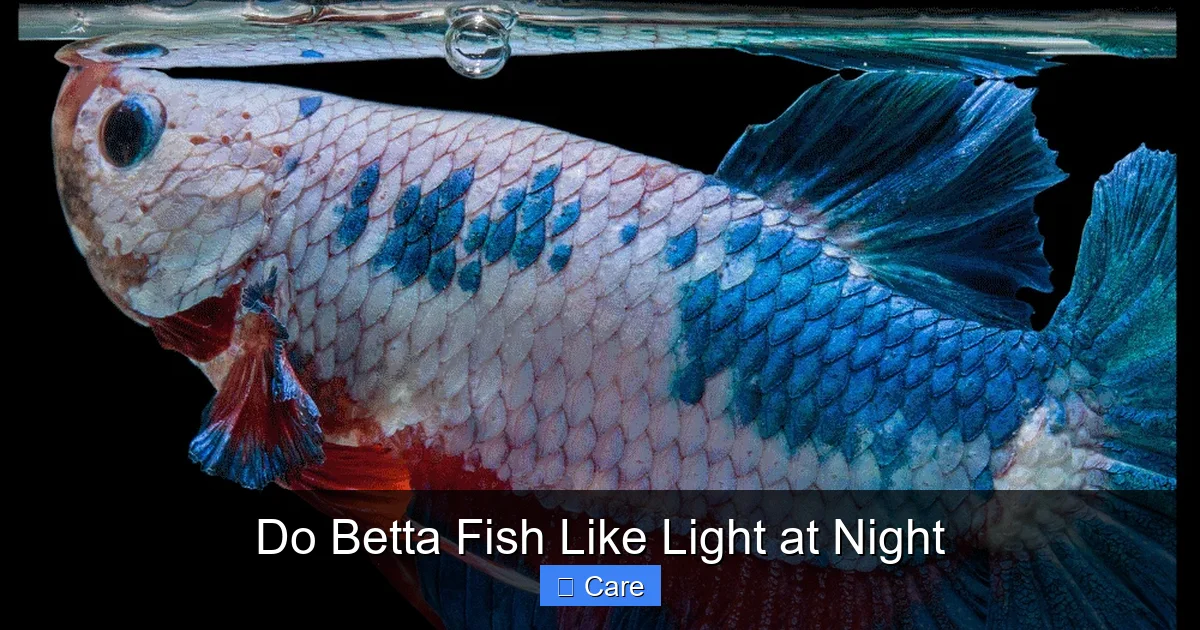
In short, no. Betta fish do not need bright illumination after the day’s feeding and activity period is over. They prefer a dark environment to rest, just like most other tropical fish.
Visual guide about Do Betta Fish Like Light at Night
Image source: tankarium.com
When a dim night light can help
If you keep a nighttime night‑light for aesthetic reasons, choose a very low‑intensity red or blue LED. These colors are less likely to disturb the fish’s sleep cycle because they do not trigger the same photoreceptors that white light does. A tiny “moonlight” can also help you spot a sick fish without turning the main aquarium light on.
Common misconceptions
Many beginners think that keeping the light on all the time makes the tank look “livelier.” In reality, constant light can stress the betta, cause algae blooms, and hide early signs of disease. A dark night actually lets you see subtle changes in color or behavior that indicate health problems.
3. Setting Up the Perfect Light Schedule
How many hours of light?
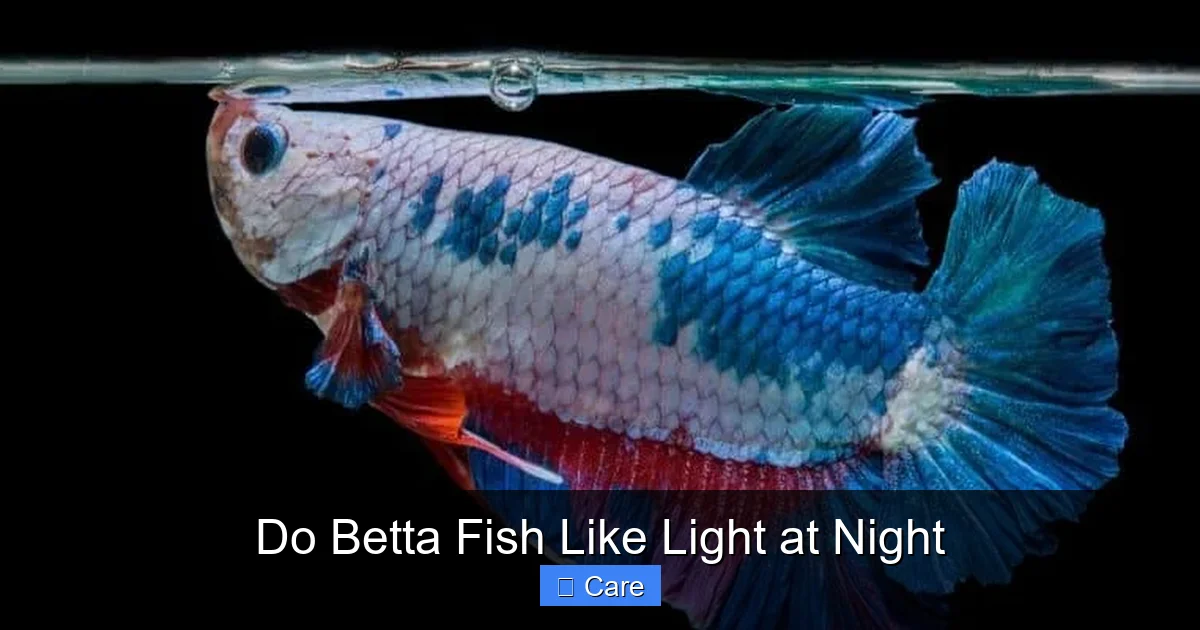
Aim for 10‑12 hours of bright, white light during the day. This mimics a typical tropical day and gives your betta enough time to display its full color palette. Use a programmable timer so the lights turn on and off at the same time each day.
Visual guide about Do Betta Fish Like Light at Night
Image source: tankarium.com
Choosing the right bulb
- LEDs: Energy‑efficient, low heat, and available in full‑spectrum options that enhance coloration.
- Fluorescents: Also good, but may produce more heat and require regular replacement.
- Avoid incandescent: They generate excess heat and can stress the fish.
Integrating a night‑light
If you decide to use a night‑light, place it on the tank’s side or behind a background so the glow is indirect. Keep the intensity below 0.5 lux – roughly the brightness of a full moon. A small “under‑tank” LED strip set to red works well.
Using timers effectively
Plug your main light into a digital timer and set it to on at 8 am and off at 8 pm (adjust based on your household schedule). For the night‑light, you can either leave it on all night or use a second timer that turns it on 30 minutes before the main light goes off, then off 30 minutes before sunrise.
4. How Light Affects Betta Behavior and Health
Color vibrancy
Betta colors are most vivid when the fish is active under good lighting. However, prolonged exposure to bright light can cause the pigments to fade over weeks. A regular dark period lets the fish’s metabolism reset, preserving those brilliant reds, blues, and greens.
Stress and aggression
Over‑lighting can make a betta feel exposed, leading to heightened aggression toward tank mates (if you keep a community setup) or even self‑mutilation of fins. Dark periods give the fish a sense of security and reduce cortisol levels.
Sleep patterns
Betta fish do not “sleep” like mammals, but they enter a restful state where they hover near the surface or hide among plants. During this time, their eyes remain open, but movement slows dramatically. A dark environment encourages this natural rest. For more on where they like to sleep, see our article Where Do Betta Fish Like To Sleep.
Health monitoring
When the tank is dark, any abnormal flashing, gasping, or color loss becomes more noticeable once the lights return. This early warning system can be the difference between a quick treatment and a serious illness.
5. Practical Tips for Nighttime Tank Management
Tip 1: Keep the tank covered
A tight‑fitting lid blocks stray room light and helps maintain a consistent dark period. It also prevents your betta from jumping out.
Tip 2: Use a dim red night‑light only when needed
Turn it on only for quick health checks or feeding after dark. Remember to turn it off again as soon as you’re done.
Tip 3: Combine lighting with proper temperature
Betta fish prefer water around 78‑80 °F (25‑27 °C). A heater set to a stable temperature works best when the light is off, because the heater’s thermostat is not affected by light heat. Learn more about temperature needs in our guide What Temperature Do Betta Fish Need.
Tip 4: Observe behavior after lights off
During the first hour of darkness, watch for calm hovering near the surface or gentle resting among plants. If the fish darts around frantically, you may have too much residual light.
Tip 5: Keep the night‑light away from the filter outlet
Bright spots near strong water flow can startle the betta. Position the night‑light on the opposite side of the tank from the filter’s outflow.
Tip 6: Adjust seasonally
In winter months, natural daylight hours are shorter. You can slightly reduce the on‑time (e.g., 9 hours) to keep the cycle aligned with the outside world, which many bettas find comforting.
6. Frequently Made Mistakes and How to Fix Them
Leaving the light on 24/7
Solution: Install a timer immediately. Even a cheap mechanical timer will do the trick.
Using a bright white night‑light
Solution: Switch to a low‑intensity red LED or cover the night‑light with a piece of dark cloth to diffuse the glow.
Relying on ambient room light
Solution: Darken the room or use blackout curtains if the aquarium is in a bedroom with streetlights.
Not monitoring temperature when lights are off
Solution: Use a reliable aquarium thermometer and a heater with an automatic shut‑off that maintains temperature regardless of lighting.
Conclusion: Light Up Your Betta’s Life—But Not at Night
Betta fish thrive on a clear day‑night rhythm. Bright, full‑spectrum lighting during the day highlights their stunning colors and encourages natural activity. Turning the light off at night gives them the darkness they need to rest, reduces stress, and helps you spot health problems early. If a night‑light is necessary, keep it dim, red or blue, and use it only when you truly need to see the tank.
By following the simple steps outlined above—setting a timer, choosing the right bulbs, providing a low‑intensity night‑light when needed, and watching your fish’s behavior—you’ll create an environment that feels like home for your betta. A happy betta not only looks beautiful but also lives longer, giving you many years of enjoyment.
Frequently Asked Questions
Do betta fish need a light at all?
Yes. Betta fish need a regular light cycle to maintain healthy coloration and natural behavior, but they do not need light during the night.
Can a red night‑light harm my betta?
When used at a very low intensity, a red night‑light is generally safe and minimally disruptive. Avoid bright white or blue lights overnight.
How long should my betta sleep each night?
Betta fish typically rest for 8‑10 hours in darkness, showing very little movement but staying alert enough to respond to threats.
What signs show my betta is stressed by light?
Signs include frantic swimming, faded colors, constant hiding, or frequent surface gasping. Reduce light intensity or increase darkness if you notice these behaviors.
Is it okay to leave the aquarium light on for 24 hours during a breeding cycle?
No. Even breeding bettas need a dark period to rest and to encourage proper hormone cycles for spawning.
Where can I learn more about what bettas like in their tank?
Check out our article What Do Betta Fish Like In Their Tank for a full rundown of décor, plants, and water parameters.