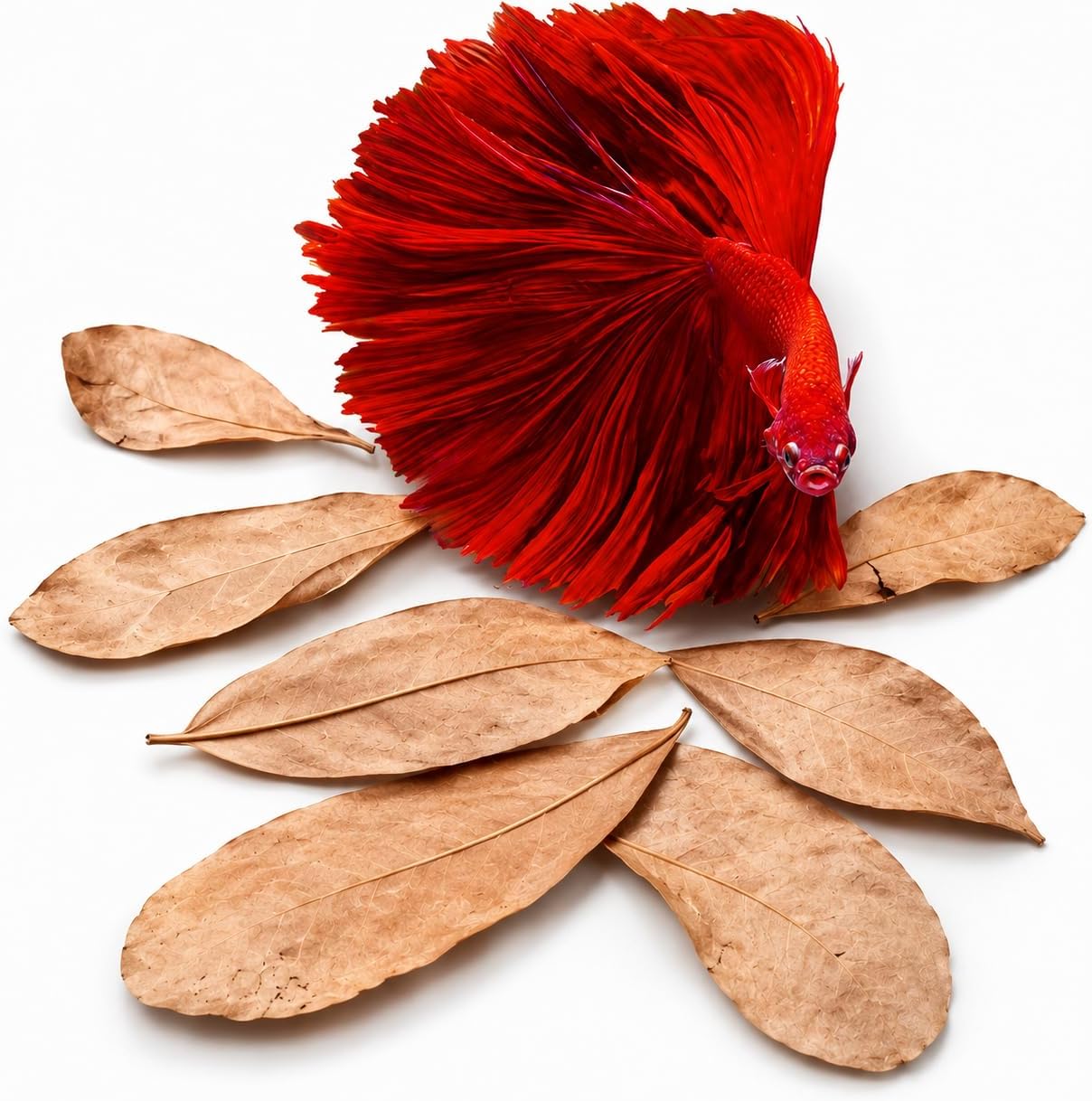
What Is Betta Fish A Complete Beginner Care Guide

Betta fish are stunning, vibrant aquatic pets known for their flowing fins and bold personalities. Many beginners ask what is betta fish before bringing one home, and understanding their unique needs is key to a long, healthy life. This guide covers everything from proper tank setup and water conditions to feeding habits and common health signs. You will learn how to create a safe, enriching environment that lets your Siamese fighting fish thrive for years to come.
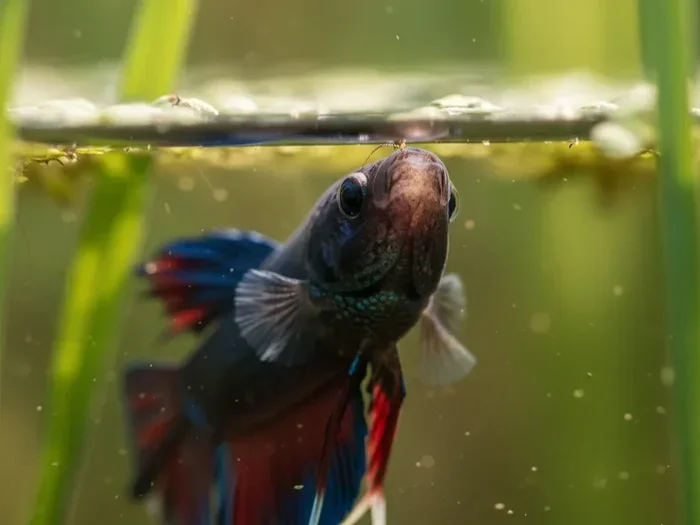
Many new aquarium owners start by asking what is betta fish and why do they make such popular pets. These colorful fish come from shallow, warm waters in Southeast Asia. They are famous for their brilliant colors, flowing fins, and strong personalities. People often call them Siamese fighting fish because males will defend their space against other males. Despite their reputation, they can be gentle, curious, and even interactive with their owners.
This guide will help you understand their needs from day one. You will learn how to set up a comfortable home, choose the right food, and spot early signs of trouble. We will also cover water temperature, filtration, and simple maintenance routines. By the end, you will feel confident caring for your new aquatic friend and enjoy watching it thrive.
Key Takeaways
- Tank size matters: A minimum of 5 gallons provides stable water and reduces stress for your betta.
- Warm water is essential: Keep temperatures between 78-80°F using a reliable aquarium heater.
- Filter gently: Use a low-flow filter or sponge filter to avoid exhausting your fish while maintaining water quality.
- Feed a balanced diet: Offer high-quality pellets, frozen treats, and occasional fasting days to prevent digestive issues.
- Watch for health signs: Clamped fins, lethargy, or unusual swimming patterns often signal water or dietary problems.
- Avoid harsh decorations: Smooth plants and rounded ornaments prevent torn fins and injuries.
- Consistent maintenance: Weekly partial water changes and regular testing keep your aquarium stable and safe.
📑 Table of Contents
- Understanding What Is Betta Fish and Why They Stand Out
- Setting Up the Right Home for Your Betta
- Water Conditions That Keep Bettas Healthy
- Feeding Your Betta the Right Way
- Daily Care, Maintenance, and Long-Term Health
- Behavior, Interaction, and Common Questions
- Choosing Companions and Managing Tank Mates
- Common Mistakes and How to Prevent Them
- Final Thoughts on What Is Betta Fish Care
Understanding What Is Betta Fish and Why They Stand Out
Bettas belong to a group of fish called labyrinth fish. This means they have a special organ that lets them breathe air from the surface. In the wild, they live in rice paddies, slow streams, and temporary pools. These habitats can be warm and sometimes low in oxygen, which is why they evolved to gulp air. This trait makes them hardy, but it does not mean they can live in tiny bowls without proper care.
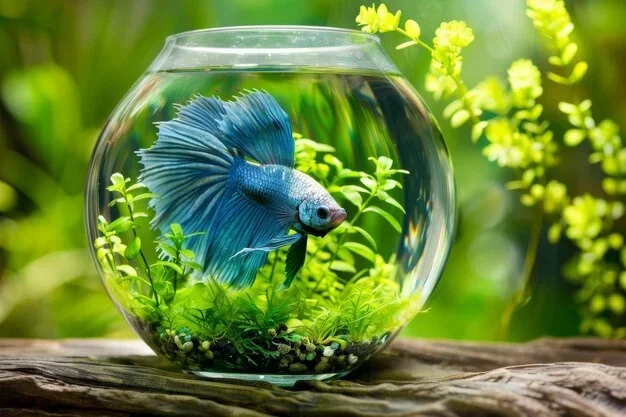
Their colors and fin shapes are what draw most people in. You can find them in deep blues, fiery reds, bright purples, and even pearlescent shades. Their fins range from short and neat to long, flowing trails that drift gracefully. Males usually show the most dramatic colors and larger fins. Females are often smaller with shorter fins, but they can still be beautifully colored and full of character.
Behaviorally, bettas are intelligent and aware of their surroundings. They often recognize feeding times and may swim to the front of the tank when you approach. Some even respond to gentle movements near the glass. They enjoy exploring, resting on leaves, and patrolling their territory. A well-decorated tank gives them places to hide, rest, and feel secure. If you want to understand what is betta fish behavior at a deeper level, notice how they use the whole tank, not just one corner.
Quick Tips for Reading Their Mood
- Active swimming and bright colors usually mean a happy fish.
- Hiding constantly can signal stress, poor water, or a need for more cover.
- Fin clamping, where fins stay tight to the body, often points to discomfort.
- Frequent surface breathing beyond normal gulping may indicate low oxygen or high temperature.
Setting Up the Right Home for Your Betta
The first step in good care is choosing a tank that supports stable water and comfortable movement. Many beginners wonder do betta fish like a lot of space, and the answer is yes. A larger water volume stays warmer, cleaner, and more stable than a tiny container. It also gives your fish room to swim and explore without feeling cramped. A 5-gallon tank is a solid starting point for a single betta.
When people ask do betta fish like 10 gallon tank setups, the answer is often yes if the tank is well-maintained. Bigger tanks are easier to keep stable because waste dilutes more effectively. They also leave more room for plants, hiding spots, and gentle water flow. If you have the space and budget, a slightly larger aquarium can make daily care simpler and more forgiving.
Decor matters just as much as size. Smooth gravel, rounded stones, and soft plants protect delicate fins. Avoid sharp plastic ornaments that can tear fins or injure your fish. Live plants like java fern, anubias, and floating species provide shade and resting spots. They also help absorb waste and improve water quality. If you use artificial plants, choose silk or smooth materials that will not snag fins.
Essential Tank Checklist
- Tank size of at least 5 gallons for stable conditions.
- Gentle filtration that does not blast your fish with strong current.
- Heater to maintain warm, consistent temperatures.
- Thermometer to monitor water day to day.
- Soft substrate and smooth decorations.
- Live or safe artificial plants for shelter and enrichment.
If you want more ideas for enrichment, read about whether bettas enjoy items inside their home. You can explore what kinds of safe items work well in a betta tank to keep your fish engaged without creating hazards.
Water Conditions That Keep Bettas Healthy
Warm, clean water is the foundation of good care. Bettas prefer temperatures around 78 to 80 degrees Fahrenheit. Cooler water slows their metabolism and can weaken their immune system. A reliable heater and a simple thermometer help you maintain the right range. Check the temperature regularly, especially after water changes or room temperature swings.
Water chemistry also matters. Bettas do best in slightly acidic to neutral water, but stability is more important than chasing perfect numbers. Sudden changes in pH stress fish more than a mild, steady value. If you are curious about acidity, you can learn more in this guide on whether bettas prefer acidic water conditions. The key is to test your water, keep parameters consistent, and make changes slowly.
Filtration should be gentle. Strong currents can tire a betta and make swimming exhausting. A sponge filter or a low-flow adjustable filter often works well. These options move water without creating a powerful stream. If you want to compare options, see this article on how bettas respond to different filter types. Good filtration removes waste and supports beneficial bacteria that keep the tank healthy.
Common Water Mistakes to Avoid
- Using ice-cold tap water without conditioning or temperature matching.
- Turning off the heater for long periods in cooler rooms.
- Adding strong power filters that create exhausting flow.
- Skipping water conditioner to neutralize chlorine and chloramines.
- Changing too much water at once and shocking the fish.
If you live in a cooler climate or keep your tank in a drafty room, you may need extra attention to warmth. Some owners ask if they can keep a betta in cold conditions, but cold water is not ideal for long-term health. A stable, warm environment supports better activity, digestion, and overall vitality.
Feeding Your Betta the Right Way
A proper diet keeps your fish active and helps maintain bright colors. Bettas are carnivorous by nature, so they need protein-rich foods. High-quality pellets made for bettas are a simple staple. They usually contain the right balance of protein, fats, and vitamins. Feed small amounts that your fish can finish in a couple of minutes. Overfeeding leads to waste, dirty water, and digestive problems.
Variety is helpful too. Frozen or freeze-dried treats like bloodworms and brine shrimp add interest and nutrition. Some owners offer a small snack once or twice a week. If you want to try occasional treats, check out safe treat options for bettas. Treats should supplement a staple diet, not replace it.
Fasting one day a week can help prevent bloating and constipation. Bettas have simple digestive tracts, so too much food can cause issues. Watch your fish for a swollen belly or reduced activity, which may signal overfeeding. Adjust portion sizes if needed. A healthy feeding routine supports strong immunity and cleaner water.
Feeding Best Practices
- Offer small portions once or twice daily.
- Remove uneaten food after a few minutes.
- Rotate staple pellets with occasional frozen treats.
- Include one lighter day each week to support digestion.
- Watch for signs of bloating or loss of appetite.
Daily Care, Maintenance, and Long-Term Health
Consistent care keeps your tank stable and your fish comfortable. Weekly partial water changes remove waste and refresh minerals. A common routine is to replace about twenty-five percent of the water, but the exact amount depends on your tank size and bioload. Always use a water conditioner and match the new water temperature to the tank. Slow, steady maintenance prevents stress and protects beneficial bacteria.
Testing your water helps you catch problems early. Ammonia and nitrite should stay at zero, while nitrate should remain low. Regular testing tells you when to change water or adjust feeding. Clean filters gently so you do not remove all the helpful bacteria. Rinse filter media in removed tank water rather than tap water to keep the biological balance intact.
Health checks are part of good care. Look for clear eyes, smooth fins, and steady breathing. If you notice clamped fins, spots, fraying, or unusual resting, investigate water parameters first. Many health issues start with poor water or temperature swings. You may also wonder whether bettas can recover from minor ailments with improved care and stable conditions. Early action often makes a big difference.
Simple Maintenance Routine
- Test water weekly for ammonia, nitrite, nitrate, and pH.
- Replace a portion of water with conditioned, temperature-matched water.
- Vacuum substrate lightly to remove debris.
- Rinse filter media in old tank water during water changes.
- Check heater, thermometer, and filter flow regularly.
Behavior, Interaction, and Common Questions
Bettas are more interactive than many people expect. They often notice movement outside the tank and may swim forward during feeding. Some owners ask whether bettas can recognize their owner, and many report that their fish respond differently to familiar faces. This recognition is likely tied to routine, feeding, and movement patterns rather than human-like memory. Still, it shows how aware these fish can be.
You may also wonder about their sleep habits. Bettas do rest, and they often settle near the bottom, on leaves, or among plants. They do not have eyelids, so they rest with eyes open. If you are curious, see this explanation of how bettas rest and sleep. During rest, they may appear still or hover quietly. That behavior is normal, especially in a dim, calm environment.
Another common question is whether bettas need extra air movement. They can breathe atmospheric air, but gentle surface agitation still helps with gas exchange. If you want to understand airflow needs, read about how bettas respond to air pump circulation. The main goal is balanced oxygen levels without strong currents that tire your fish.
Quick Behavior Notes
- Bettas often rest quietly and may hover near the bottom or on leaves.
- They can recognize routines and may react to feeding time.
- Males should usually be kept separate from other males to avoid fighting.
- Females can sometimes live in carefully managed groups, but supervision is essential.
- A calm tank with hiding spots reduces stress and supports natural behavior.
Choosing Companions and Managing Tank Mates
Bettas are often kept alone, and that is a perfectly good choice. A single betta in a well-decorated tank can live a full, active life. If you want tank mates, choose peaceful, slow-moving species that will not nip fins or compete aggressively. Small schooling fish, certain snails, and some shrimp can work in larger, well-planted tanks. However, every fish has its own personality, so introductions should be watched closely.
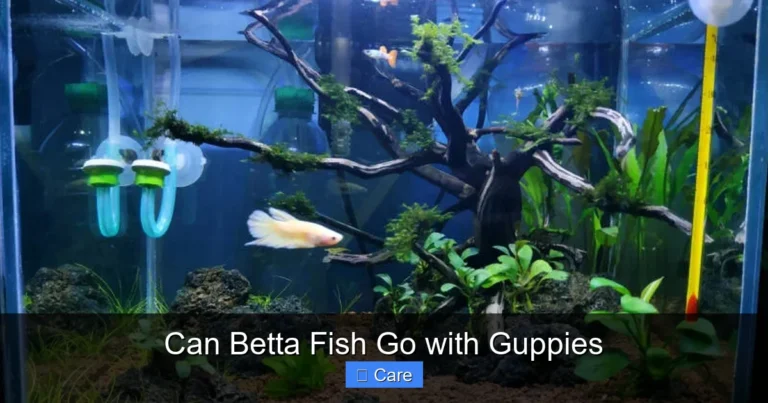
It is wise to learn about potential conflicts before adding companions. For example, some owners research whether bettas may chase or harm other species like guppies. You can read more in this guide on whether bettas may harm guppies. The safest approach is to introduce new animals slowly, provide plenty of cover, and be ready to separate them if aggression appears.
If you keep shrimp, pay attention to size and hiding places. Young shrimp are more vulnerable, and even peaceful bettas may investigate small movements. Some owners ask whether bettas can harm shrimp, and the answer depends on the individual fish and the tank setup. Dense plants and moss give small creatures places to escape and help everyone coexist more safely.
Tank Mate Considerations
- Choose calm, non-aggressive species with similar water needs.
- Avoid fin-nippers and overly active fish that may stress your betta.
- Add hiding spots and visual barriers to reduce tension.
- Watch for chasing, nipping, or hiding behavior after introductions.
- Be ready to remove incompatible animals if conflict continues.
Common Mistakes and How to Prevent Them
Even well-meaning owners can make avoidable errors. One of the most common is keeping a betta in a tiny, unfiltered container. Small volumes fluctuate quickly in temperature and water quality, which stresses the fish. Another mistake is using strong filters or powerheads that create exhausting flow. A third issue is overfeeding, which clouds water and can cause digestive trouble.
Temperature neglect is also risky. A tank without a heater in a cool room can slowly drop to uncomfortable levels. Poor water conditioning is another pitfall, since chlorine and chloramines can harm fish and beneficial bacteria. Finally, some owners miss early warning signs because they do not check the fish daily. Regular observation helps you spot changes before they become serious.
Expert Insight
The best betta setups are simple, stable, and consistent. Start with a properly sized tank, gentle filtration, and a reliable heater. Feed modest portions, maintain a steady water change schedule, and test your water often. When you keep things predictable, your betta spends less energy coping with stress and more energy displaying natural behavior. That is the secret to a colorful, active fish that looks healthy and feels secure.
Final Thoughts on What Is Betta Fish Care
Caring for a betta is rewarding once you understand the basics. These fish are beautiful, alert, and full of personality. They need warm water, gentle filtration, a suitable tank size, and a balanced diet. They also benefit from stable routines and careful observation. When you provide those things, you create a home where your fish can show off its best colors and behavior.
If you are still learning what is betta fish care all about, start small and build confidence. Focus on water quality, temperature, and feeding first. Add plants and smooth decor next. Watch your fish daily and adjust as needed. With patience and simple habits, you can enjoy a healthy, lively betta that brings color and movement to your space for a long time.