Does Betta Fish Eat Algae Complete Care Guide for Owners

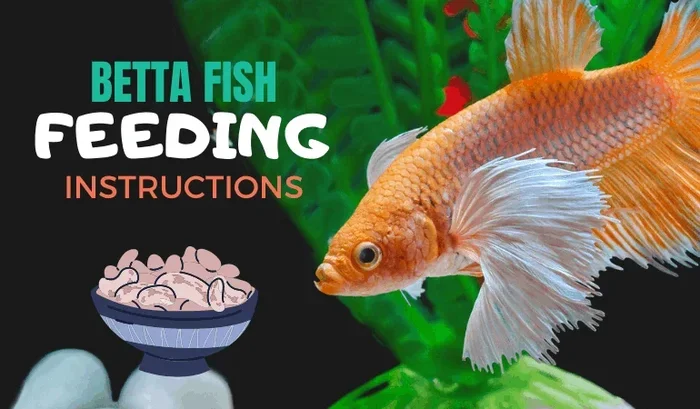
Does betta fish eat algae? The short answer is yes, but only in small amounts. Bettas are not true algae eaters, yet they will nibble on soft green growth when hungry. You still need a proper betta fish diet with high-protein foods for long-term health. Relying on algae alone can cause malnutrition and weak immune systems. This guide covers what they actually eat, how to manage tank growth, and the best feeding routine for happy fish.
Many new owners ask the same question when they spot green patches in their tank. Does betta fish eat algae? The answer is yes, but only a little. Bettas are carnivorous by nature, so they prefer meat-based foods over plant matter. They will pick at soft algae when they feel hungry, but they will not graze on it all day like a true cleaner fish.
This behavior often surprises people who expect their betta to keep the glass spotless. The truth is that bettas lack the special mouth shape and digestive system needed to process large amounts of algae. They can handle tiny bits as a snack, but their bodies need protein to stay strong. If you rely on algae as their main food, your fish may lose color, grow slowly, or get sick more often.
Understanding what your betta actually eats helps you build a better feeding routine. It also helps you manage tank growth without stress. In this guide, we will look at their natural eating habits, how algae fits into their diet, and what you can do to keep both your fish and your tank in great shape. You will learn simple steps that any owner can follow, even if you are new to fish care.
Key Takeaways
- Bettas will nibble algae: They eat small amounts of soft green algae but do not clean tanks like dedicated algae eaters.
- High-protein diet matters: A proper betta fish diet needs quality pellets, frozen foods, and occasional live treats for strong health.
- Algae is not a complete food: Algae lacks the nutrients bettas need, so it should only be a snack, not a main meal.
- Tank maintenance prevents overgrowth: Regular water changes, proper lighting, and limited feeding keep algae under control naturally.
- Safe tank mates help cleaning: Peaceful algae eating fish or snails can share the tank without stressing your betta.
- Watch for overfeeding signs: Excess food sinks and rots, which fuels algae blooms and harms water quality.
- Balanced care keeps fish happy: Clean water, proper temperature, and varied meals create the best environment for your betta.
📑 Table of Contents
- Does Betta Fish Eat Algae and How Their Natural Diet Works
- What Bettas Really Eat in a Home Tank
- Does Betta Fish Eat Algae as a Cleaning Solution
- Safe Algae Eaters and Tank Mates for Bettas
- How to Feed Your Betta for Less Algae Growth
- Common Mistakes Owners Make With Algae and Feeding
- Final Thoughts on Does Betta Fish Eat Algae
Does Betta Fish Eat Algae and How Their Natural Diet Works
Bettas come from slow-moving waters in Southeast Asia. In the wild, they spend most of their time hunting for small insects, larvae, and tiny crustaceans. Their digestive tract is built for protein, not plant material. This is why a betta fish diet should focus on meat-based options rather than vegetables or algae.
When algae appears in a tank, bettas may investigate it out of curiosity. They sometimes nip at soft green spots on leaves, rocks, or the glass. This does not mean they need it or that it is good for them in large amounts. It simply shows that they will sample what is available when food is scarce or when they feel bored.
Here is what you should know about their natural feeding habits:
- Wild bettas eat insects and larvae: Their bodies are designed to process high-protein meals.
- They are surface and mid-water feeders: They rarely search the bottom for food unless they are very hungry.
- They snack on small items: Tiny bits of algae or biofilm may get eaten, but not in large quantities.
- Protein keeps them active: A strong betta fish diet supports bright colors, good energy, and healthy fins.
If you want to mimic their natural diet at home, focus on quality pellets, frozen foods, and occasional live treats. You can learn more about what they accept in a betta fish diet when choosing the right foods for daily feeding. The goal is to give them what their body actually uses, not just what is convenient.
What Algae Actually Provides for Bettas
Algae contains some plant-based nutrients, but it does not match what a betta needs most. It has very little protein and lacks many of the vitamins that support strong growth. A betta may get a tiny amount of fiber from algae, but that is not enough to replace real food.
Think of algae as a snack, not a meal. If your betta nibbles a little green growth now and then, it is usually harmless. Problems only start when owners assume the fish is cleaning the tank and stop feeding properly. That mistake can lead to weakness, dull color, and a weaker immune system.
When Algae Nibbling Becomes a Concern
There are a few signs that algae eating is turning into a problem. Watch for these warning signals:
- Your betta ignores regular food: This may mean they are filling up on algae or biofilm instead.
- The tank has heavy algae growth: Excess light, poor water flow, or too much food often causes this.
- Your fish looks thin or tired: A weak betta may be missing key nutrients.
- Fins look frayed or faded: Poor diet and bad water quality can damage fin health over time.
If you notice these issues, adjust the feeding routine right away. Offer high-quality food at consistent times and reduce what you put in the tank. You should also check your light schedule and water change routine. Small changes often make a big difference.
What Bettas Really Eat in a Home Tank
A healthy betta fish diet is simple when you keep the basics in mind. Bettas do best with foods that are easy to digest and rich in protein. You do not need a complicated feeding plan, but you do need consistency. A good routine keeps your fish active and helps prevent algae from taking over.
The best daily foods usually include:
- High-quality betta pellets: These are made for their size and digestive needs.
- Frozen foods: Bloodworms, brine shrimp, and daphnia are excellent treats.
- Live foods: These can be offered occasionally if you can source them safely.
- Occasional vegetable matter: Some owners offer tiny bits of safe foods, but this is not the main focus.
If you are wondering whether common fish foods work for bettas, you can read more about betta fish flakes and see why many owners prefer pellets instead. Pellets usually sink slower and are easier for bettas to catch at the surface or mid-water.
Best Foods for Daily Feeding
A simple feeding plan works best for most bettas. You can start with a small amount of pellets once or twice a day. Add frozen treats a few times each week for variety. This keeps the diet interesting and gives your fish a broader range of nutrients.
Here is a basic example of a balanced weekly routine:
- Monday: Pellets in the morning and evening.
- Tuesday: Pellets plus a small frozen treat.
- Wednesday: Pellets only.
- Thursday: Pellets plus brine shrimp or bloodworms.
- Friday: Pellets only.
- Saturday: Pellets plus a live or frozen snack.
- Sunday: Light feeding with pellets only.
This kind of routine helps prevent overfeeding. Overfeeding is one of the biggest causes of cloudy water, leftover waste, and algae blooms. When food sits at the bottom, it breaks down and feeds unwanted growth. That is why portion control matters so much.
Foods to Avoid or Limit
Not every food is safe or useful for bettas. Some items are too large, too fatty, or too hard to digest. Others simply do not offer enough value. Keep these points in mind:
- Avoid large chunks: Food should be easy for your betta to swallow in one bite.
- Limit fatty treats: Too much rich food can cause digestive trouble.
- Do not feed random human foods: Many table foods are unsafe or low in real nutrition.
- Skip foods that sink too fast: Bettas may ignore food that drops to the bottom before they can reach it.
If you are curious about whether bettas can handle certain unusual items, you may want to check betta fish and human food before offering anything outside normal fish foods. It is always better to be careful than to guess.
Does Betta Fish Eat Algae as a Cleaning Solution
Many people hope their betta will act like a tiny tank cleaner. They want the fish to graze on algae and keep the glass clear. Unfortunately, bettas are not built for that job. They may pick at a few spots, but they will not control a bloom on their own.
If you need real algae control, you need a combination of good care habits and, in some cases, helper tank mates. A betta can live peacefully with certain calm species that do a better job of eating growth on surfaces. Still, you should always watch introductions closely because bettas can be territorial.
Why Bettas Are Not True Algae Eaters
True algae eaters have special mouthparts that let them scrape growth off rocks, plants, and glass. They also have digestive systems that handle more plant material. Bettas do not have these traits. Their mouths are designed for catching moving prey, not for grazing all day.
This is why you should not expect your betta to keep the tank clean by itself. If you see green patches spreading, it is usually a sign that the tank environment needs attention. Light, nutrients, and leftover food all affect how fast algae grows.
Better Ways to Control Algae Growth
The most effective way to manage algae is to reduce the conditions that help it spread. You do not need fancy products right away. Start with the basics and build from there.
Try these simple steps:
- Limit light exposure: Keep the tank light on for a reasonable period each day.
- Do regular water changes: Fresh water removes excess nutrients that feed algae.
- Feed carefully: Only give what your betta can eat quickly.
- Clean leftover food: Remove waste before it breaks down.
- Maintain good filtration: A steady flow helps keep water balanced.
If you want to understand how bettas behave around other cleanup helpers, you can explore betta fish and algae eaters for guidance on safe tank mate choices. The right helper species can make maintenance easier, but compatibility always comes first.
Safe Algae Eaters and Tank Mates for Bettas
If your tank has steady algae growth, adding a compatible helper can be useful. The key is to choose calm, peaceful species that will not chase or nip your betta. You also need enough space, good hiding places, and stable water conditions.
Some owners successfully keep snails or small bottom dwellers with bettas. These helpers often graze on algae and leftover food without causing stress. Still, every betta has a different personality, so there is no guarantee that any new addition will be welcome.
Snails That May Help With Algae
Snails are popular because they are generally slow, quiet, and easy to watch. They can help pick at algae on hard surfaces and may reduce some buildup over time. They also produce waste, so you still need regular maintenance.
Common options that some owners try include:
- Ramshorn snails: These can be useful for gentle algae grazing.
- Pond snails: They often appear on plants and may help with light growth.
- Other small snails: Compatibility depends on your betta’s temperament.
If you want to know whether bettas bother snails, you can read betta fish and ramshorn snails or betta fish and pond snails before making a decision. These guides can help you understand what to expect.
Small Fish and Other Helpers
Some people also consider tiny algae-eating fish or shrimp. These can work in larger tanks with plenty of cover, but they are not always safe with a bold betta. Shrimp, in particular, may be seen as food if they are small enough.
Before adding any new creature, ask yourself these questions:
- Is the tank large enough? Crowding causes stress and poor water quality.
- Are there hiding spots? Plants and decorations help weaker animals escape attention.
- Is the betta aggressive? Some bettas tolerate tank mates, while others do not.
- Will the new animal compete for food? Make sure everyone gets enough to eat.
A careful setup gives you the best chance of success. Even then, monitor the tank closely for the first few weeks. If you see chasing, hiding, or weight loss, be ready to separate the animals.
How to Feed Your Betta for Less Algae Growth
Feeding habits have a direct effect on tank cleanliness. When you feed too much, the extra food sinks, decays, and feeds algae. When you feed at random times, your betta may not eat efficiently. A steady routine helps both your fish and your water quality.
The best approach is simple: offer small portions, watch how much is eaten, and remove anything left behind. This keeps the tank cleaner and helps your betta stay in good condition.
Portion Control and Schedule
A good rule is to feed only what your betta can finish in a few minutes. If food keeps floating or sinking after that, you gave too much. It is better to feed a little less than to leave waste in the tank.
Here are practical tips for better feeding:
- Use small portions: A few pellets at a time is usually enough.
- Feed at the same times: Routine helps your betta anticipate meals.
- Watch for uneaten food: Remove leftovers before they break down.
- Vary the diet: Rotation keeps meals interesting and more balanced.
If you want to learn more about whether bettas will take food that sinks, you can check betta fish and sinking pellets. This can help you choose foods that match your fish’s feeding style.
Cleaning Habits That Support a Healthy Tank
Feeding is only one part of the picture. Regular maintenance keeps the environment stable and reduces the chances of a heavy algae bloom. You do not need to scrub everything every day. Simple, steady care is enough.
Helpful habits include:
- Weekly water changes: Replace a portion of the water to reduce waste buildup.
- Gentle glass cleaning: Remove visible algae so it does not spread as quickly.
- Filter checks: Make sure water flows properly and the media is not clogged.
- Plant care: Healthy plants can compete with algae for nutrients.
- Light management: Avoid leaving the tank lit for too long each day.
When you combine good feeding with steady cleaning, your tank stays clearer and your betta stays healthier. That is the real secret to long-term success.
Common Mistakes Owners Make With Algae and Feeding
Even experienced owners can slip into bad habits. The good news is that most mistakes are easy to fix once you notice them. Here are the most common problems and how to avoid them.
- Assuming the betta will clean the tank: A betta may nibble algae, but it will not solve a bloom.
- Overfeeding: Extra food creates waste, which feeds algae and clouds the water.
- Ignoring light levels: Too much light often speeds up algae growth.
- Skipping water changes: Old water holds more nutrients and waste.
- Using the wrong foods: Low-quality food can leave more waste and provide less nutrition.
If you notice your betta eating less or looking less vibrant, review your feeding routine first. Then check the tank environment. Often, the solution is simpler than people expect.
Expert Tips for Long-Term Success
Here are a few practical ideas that many successful betta owners use:
- Keep a feeding log: Write down what you feed and when. This helps you spot patterns.
- Offer variety safely: Rotation can improve interest and nutrition.
- Test water regularly: Stable water supports better appetite and health.
- Watch your betta’s body shape: A healthy betta should look full, not swollen or hollow.
- Adjust slowly: Make one change at a time so you can see what helps.
These small habits build up over time. They help you catch problems early and keep your fish in better condition.
Final Thoughts on Does Betta Fish Eat Algae
So, does betta fish eat algae? Yes, but only in small amounts and never as a real substitute for proper food. Bettas are protein-focused fish, and their health depends on a balanced betta fish diet with quality pellets, frozen treats, and careful feeding. Algae can be a minor snack, but it should never be the center of their meals.
The best way to handle algae is to manage the tank environment, not to expect your betta to clean it. Control light, reduce waste, feed the right amounts, and maintain steady water changes. If you want extra help, choose compatible tank mates carefully and watch how your betta reacts.
When you focus on good food, clean water, and simple routines, your betta will have the best chance to stay bright, active, and healthy. That is the real goal of good care.
Frequently Asked Questions
Do betta fish eat algae on purpose?
Bettas may nibble algae when they are hungry or curious, but they do not seek it out like true algae eaters. It is usually a small snack, not a main food source.
Is algae safe for betta fish to eat?
Small amounts of soft algae are generally harmless, but algae should not replace proper food. Bettas need protein-rich meals to stay healthy and active.
Will a betta fish clean my tank by eating algae?
No, a betta will not keep a tank clean on its own. Algae growth is better managed with good lighting, regular water changes, and careful feeding.
What should I feed my betta instead of relying on algae?
A good routine includes quality betta pellets, frozen foods, and occasional live treats. This gives your fish the protein and nutrients it needs.
Can I add snails or algae eaters with my betta?
Sometimes, yes, but it depends on your betta’s temperament and the size of the tank. Always choose peaceful species and monitor them closely after adding them.
Why is my tank growing so much algae even with a betta?
Algae usually grows because of excess light, leftover food, or built-up nutrients in the water. Reducing waste and managing light often helps more than adding another fish.