How Can I Tell If My Betta Fish Is Dying
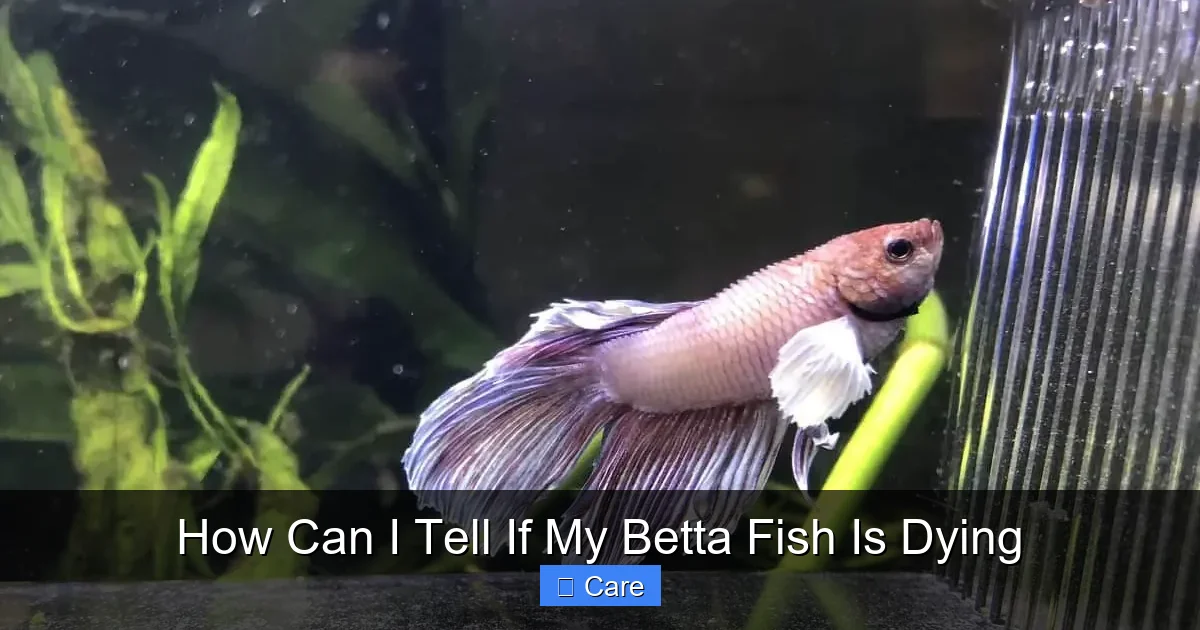
Noticing changes in your betta’s behavior, appearance, or swimming can signal trouble. This guide shows you the key warning signs, what they mean, and simple steps you can take to give your fish the best chance of recovery. Act fast, and you could save your finned friend.
Key Takeaways
- Watch the fins: Ragged, torn or discolored fins are an early alarm.
- Check breathing: Rapid, labored, or surface‑only breathing means low oxygen or illness.
- Observe swimming: Floating, sinking, or erratic movement points to stress or disease.
- Inspect the body: Spotless, bloated, or white‑margined bodies are red flags.
- Test water quality: Poor parameters are the most common cause of decline.
- Act quickly: Early intervention—water change, quarantine, or medication—can turn the tide.
- Know when to say goodbye: Recognizing irreversible decline helps you make a humane decision.
📑 Table of Contents
Introduction
Betta fish are beautiful, resilient, and surprisingly expressive. Yet, like any pet, they can slip from vibrant health into a critical state without much warning. If you’ve ever stared at a listless betta and wondered, “how can i tell if my betta fish is dying?” you’re not alone. Many owners mistake normal behavior for a serious problem, while others miss subtle signs until it’s too late.
This article breaks down every visual cue, behavioral change, and environmental factor that could mean your betta is in trouble. We’ll walk you through simple tests you can do at home, explain what each symptom likely indicates, and give step‑by‑step actions to help your fish recover—or to know when it’s time to let go with compassion.
1. Physical Appearance: What Your Betta’s Body Is Telling You
Fins and Tail
Fins are the most visible part of a betta, and they often show the first signs of distress.
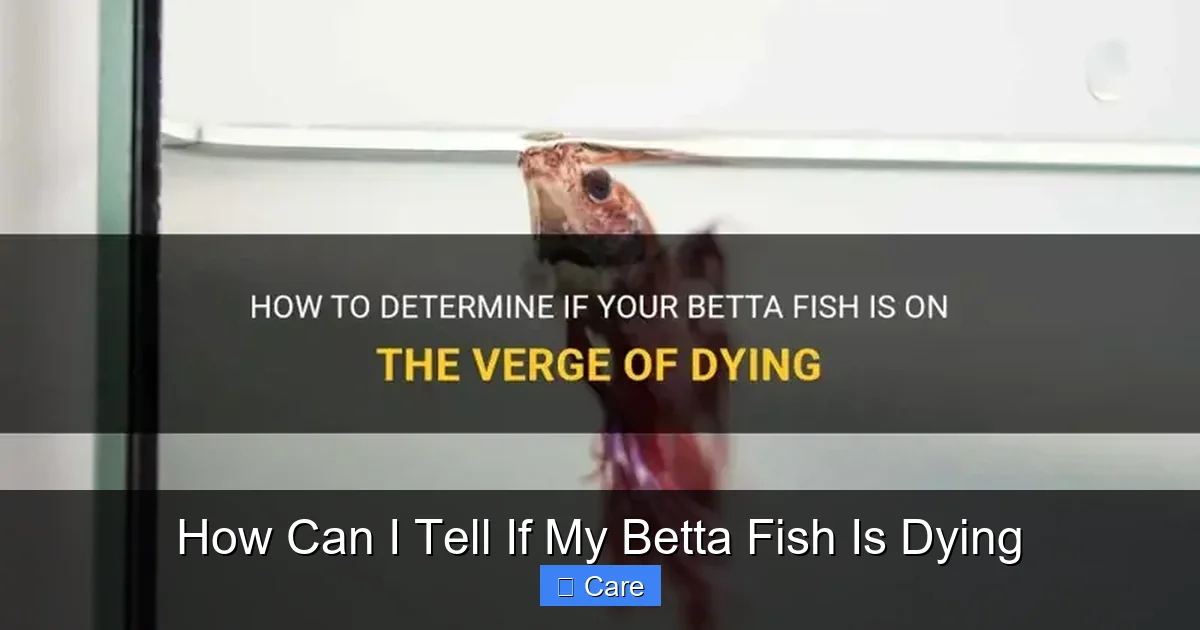
Visual guide about How Can I Tell If My Betta Fish Is Dying
Image source: petshun.com
- Ragged or torn edges: This can result from aggressive tank mates, sharp décor, or a fungal infection. If the tears keep getting bigger, the fish is losing energy fighting the damage.
- White or milky spots: These are usually signs of a fungal infection. The fungus thrives in low‑oxygen or dirty water.
- Faded coloration: A healthy betta displays bright, iridescent hues. Dull, faded, or patchy colors often mean stress, poor nutrition, or a looming illness.
Body Shape and Size
Take a quick mental snapshot of your betta’s silhouette.
- Bloating: A swollen belly can indicate constipation, internal parasites, or a bacterial infection called “dropsy.” The skin may look tight and shiny.
- Emaciation: If the fish looks skinny with visible ribs, it’s not eating enough or battling a hidden disease.
- White “marbling” on the sides: This is a sign of a serious bacterial infection that often spreads quickly.
Eyes and Mouth
Clear eyes are a good sign. Cloudy, sunken, or bulging eyes suggest infection or water‑quality problems. A torn or ragged mouth may indicate injury from a broken tank ornament.
2. Behavioral Clues: How Your Betta Moves (or Doesn’t)
Swimming Patterns
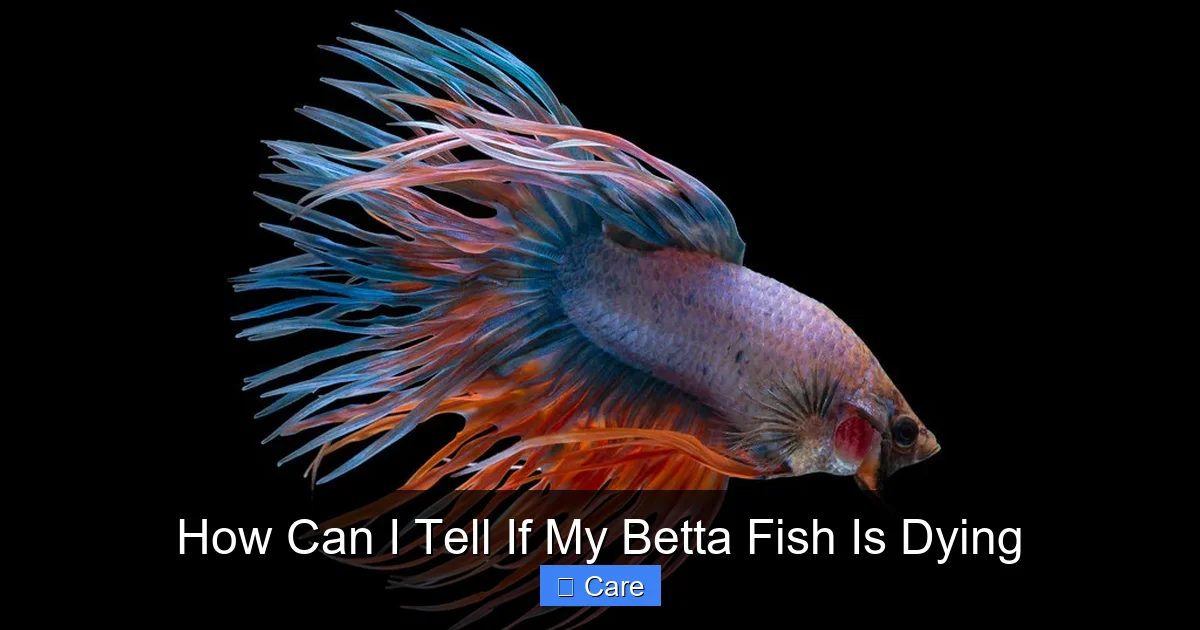
Betta fish are natural “jumpers” and love to explore the water column.
Visual guide about How Can I Tell If My Betta Fish Is Dying
Image source: fishtankexpert.com
- Floating at the surface: This often means the fish is low on oxygen or suffering from a swim‑bladder issue.
- Sinking to the bottom and staying still: Could be a sign of shock, illness, or low temperature.
- Erratic, darting movements: Stress from a sudden change in temperature, aggressive tank mates, or a toxin in the water.
Breathing Rate
Count the breaths per minute by watching the gill movement.
- Rapid breathing (more than 30 breaths/min): Indicates low oxygen, high ammonia, or a respiratory infection.
- Labored breathing (gill flaring, gasping at the surface): A red flag that the fish is struggling to get enough oxygen.
Feeding Habits
Betta fish are opportunistic eaters. A sudden loss of appetite is a warning sign.
- Refusing food for 24‑48 hours: Often the first symptom of internal disease.
- Gulping food and then spitting it out: May indicate mouth injury or a digestive blockage.
3. Water Quality: The Hidden Killer
Testing Basics
Even the healthiest betta can’t survive in bad water. Test for ammonia, nitrite, nitrate, pH, and temperature at least once a week.
Visual guide about How Can I Tell If My Betta Fish Is Dying
Image source: dcinl.com
- Ammonia > 0 ppm: Toxic to fish; causes gill damage and rapid breathing.
- Nitrite > 0 ppm: Leads to “brown blood disease” and can be fatal within days.
- Nitrate > 40 ppm: Chronic stressor; contributes to weakened immunity.
- pH outside 6.5‑7.5: Betta prefer slightly acidic to neutral water.
- Temperature below 76°F (24°C) or above 82°F (28°C): Stresses metabolism and immune response.
Common Water Mistakes
Many beginners use untreated tap water, which may contain chlorine or chloramine. Always treat water with a water conditioner designed for tropical fish.
Quick Water Fixes
- Perform a 25‑30% water change with dechlorinated water.
- Add a water conditioner that neutralizes ammonia and chloramine.
- Check the filter; a clogged filter reduces oxygen and raises toxin levels.
4. Immediate Actions When You Suspect Your Betta Is Dying
Step‑by‑Step Emergency Plan
- Isolate the fish: Move it to a clean, hospital‑size tank (2‑3 gallons) with the same temperature and pH.
- Do a partial water change: Replace 50% of the water with conditioned water.
- Observe closely: Note any changes in breathing, swimming, or coloration over the next 12‑24 hours.
- Consider medication: If you see white spots, fin rot, or fungal growth, treat with appropriate antifungal or antibacterial meds (follow package directions).
- Check food: Offer a small amount of high‑quality betta pellet or freeze‑dried bloodworm. If the fish eats, it’s a good sign.
When to Call a Professional
If symptoms worsen after 48 hours, or if you see severe bleeding, a large amount of white slime, or the fish is completely immobile, it may be time to consult a veterinarian who specializes in fish.
5. Prevention: Keeping Your Betta Healthy for Life
Regular Tank Maintenance
- Change 25% of the water weekly.
- Clean the substrate with a gravel vacuum.
- Rinse filter media in tank water (not tap water) to preserve beneficial bacteria.
Proper Feeding
Feed a betta 2‑3 times per day, offering only what they can eat in 2‑3 minutes. Overfeeding leads to waste, which spikes ammonia.
Environmental Enrichment
Provide plants, caves, and gentle currents. A stimulated betta is less likely to develop stress‑related diseases.
Know the Differences Between “Sick” and “Dying”
For a deeper dive on early illness signs, see our article on how can i tell if my betta fish is sick. Understanding the line between a treatable illness and a terminal condition helps you act with confidence.
Conclusion
Knowing how can i tell if my betta fish is dying isn’t about memorizing a long checklist; it’s about paying attention to the small changes in appearance, behavior, and water conditions that your fish shows you every day. By watching the fins, monitoring breathing, keeping the water pristine, and acting quickly when something seems off, you give your betta the best chance to bounce back.
Remember, early detection is the difference between a quick recovery and a heartbreaking loss. Keep a routine of observation and maintenance, and you’ll enjoy a thriving, colorful companion for years to come.
Frequently Asked Questions
What are the first signs that my betta is dying?
Look for ragged fins, rapid or labored breathing, loss of appetite, and abnormal swimming such as floating at the surface or sinking and staying still.
Can a water change alone save a dying betta?
A good water change can reverse stress caused by poor water quality, but you may also need medication or isolation if an infection is present.
How long can a betta survive with dropsy?
Dropsy progresses quickly; without treatment, most bettas survive only a few days. Prompt isolation and antibiotic treatment improve odds.
Is it normal for a betta to rest on the bottom of the tank?
Occasional rest is fine, but if the fish stays at the bottom for extended periods, it may be ill or stressed.
When should I consider euthanasia for my betta?
If the fish shows no improvement after 48‑72 hours of proper care, is unable to eat, has severe fin rot, or is suffering visibly, humane euthanasia may be the kindest option.
Where can I find more information about betta health?
Our detailed guide on how can i tell if my betta fish is dying provides additional tips and resources for every stage of care.