How Can You Make Your Betta Fish Live Longer

Want to make your betta fish live longer? With the right tank setup, balanced diet, clean water, and regular care, you can add years to your betta’s life. This guide covers the most effective and practical steps any fish owner can take.
Every betta fish owner wants their colorful companion to stick around as long as possible. The good news is that you can take real steps to make your betta fish live longer. With a few smart changes to how you care for your fish, you can add years to its life. Most betta fish live between three and five years. But with proper care, some bettas have been known to reach seven years or more.
The secret isn’t complicated. It comes down to a few core areas: tank setup, water quality, nutrition, and stress management. Each of these plays a big role in how long your betta thrives. In this guide, we walk you through every step you need to take. Whether you just brought home your first betta or you’ve had one for years, these tips will help you give your fish the best life possible.
If you want to learn more about keeping your betta in top shape, check out our guide on how to make your betta fish healthy again. And for tips on keeping your fish happy, don’t miss our article on how to make your betta fish happy. Let’s dive in!
Key Takeaways
- Proper tank setup: A spacious, well-filtered tank with stable temperature is the foundation of a longer betta fish life.
- Clean water matters: Regular water changes and monitoring ammonia levels prevent common health problems.
- Balanced diet: Feeding high-quality food in the right amounts keeps your betta healthy and active.
- Stress reduction: A calm environment with hiding spots and gentle tank mates supports betta fish longevity.
- Regular observation: Catching early signs of illness through routine health checks can save your fish’s life.
📑 Table of Contents
- Understand Your Betta Fish’s Natural Lifespan
- Set Up the Perfect Tank for Longer Life
- Maintain Excellent Water Quality
- Feed a Balanced and Nutritious Diet
- Reduce Stress and Create a Happy Environment
- Monitor Health and Catch Problems Early
- Expert Insights on Extending Betta Fish Life
- Key Takeaways
- Conclusion
Understand Your Betta Fish’s Natural Lifespan
Before you can extend your betta’s life, it helps to know what’s normal. Most betta fish live around three to five years in captivity. But that number isn’t set in stone. Several factors influence how long your betta will live. Genetics play a role, but so does the care you provide every single day.
Many people don’t realize that bettas sold in pet stores are often young adults already. So you might only have two to three years with your fish if you start with a store-bought betta. That makes every decision you count. The better the care, the closer you get to pushing past the average lifespan.
Factors That Affect Betta Fish Longevity
Several key factors determine how long your betta lives. Here are the most important ones:
- Tank size and setup: A small, cramped bowl stresses your fish out. A proper tank gives your betta room to swim and explore.
- Water quality: Dirty water with high ammonia levels damages your betta’s organs over time.
- Diet and nutrition: Poor food leads to malnutrition and a weakened immune system.
- Stress levels: Constant stress shortens your betta’s life significantly.
- Genetics: Some bettas simply come from stronger bloodlines.
Understanding these factors helps you focus your energy where it matters most. You don’t need to overhaul everything at once. Small, consistent changes add up to big results over time.
Set Up the Perfect Tank for Longer Life
The single most impactful thing you can do is improve your betta’s tank. Many people keep bettas in tiny bowls or vases. This is the fastest way to shorten a betta fish’s lifespan. A proper tank setup creates a foundation for health and longevity.
Choose the Right Tank Size
Forget the tiny cups and bowls you see in pet stores. Those are temporary homes at best. Your betta needs at least a 5-gallon tank. A 10-gallon tank is even better. More water volume means more stable conditions. It also dilutes waste products faster, keeping the water cleaner longer.
Here’s a quick comparison of tank sizes and their benefits:
- 1-3 gallons: Minimum acceptable but requires frequent maintenance. Not ideal for long-term health.
- 5 gallons: The sweet spot for most betta fish. Stable enough for beginners.
- 10+ gallons: Best for long-term betta health. Allows for gentle filtration and stable temperatures.
If you want to know more about proper tank maintenance, our article on how often you should clean your betta fish bowl covers this in detail.
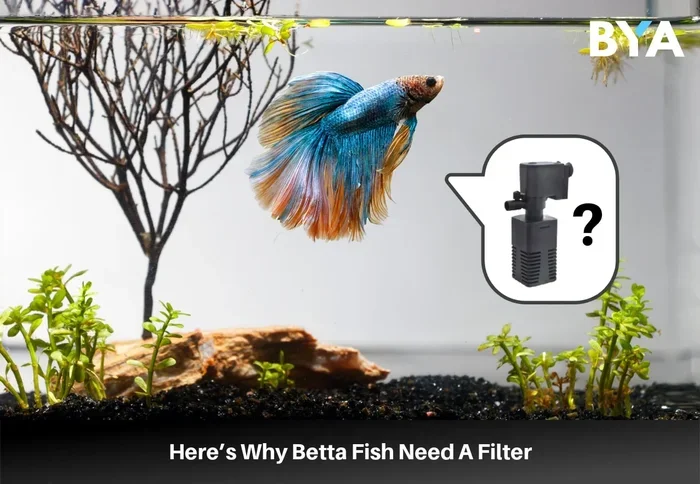
Add a Gentle Filter and Heater
Bettas need warm, clean water to thrive. A sponge filter works great because it provides biological filtration without creating too much current. Bettas are not strong swimmers and hate strong flows. As for heating, aim for a steady temperature between 76 and 82 degrees Fahrenheit. A small aquarium heater keeps the temperature consistent. Temperature swings stress your fish and weaken its immune system.
Maintain Excellent Water Quality
Clean water is the backbone of betta fish longevity. In the wild, bettas live in slow-moving rice paddies and streams. The water stays relatively clean because of natural filtration. In a home aquarium, you need to replicate that clean environment through regular maintenance.
Water Changes and Cycling
You should change 20 to 30 percent of the water every week. This removes built-up toxins like ammonia and nitrite. Use a gravel vacuum to suck up waste from the substrate at the same time. Never replace all the water at once. That shocks your betta and can be deadly.
Before adding your betta to a new tank, make sure it’s fully cycled. Cycling builds beneficial bacteria that break down harmful waste. Skipping this step leads to ammonia spikes. Those spikes damage your betta’s gills and organs. If you’re unsure about the cycling process, check out our guide on whether you can put your betta fish in tap water for safe water preparation tips.
Test Your Water Regularly
A simple liquid test kit goes a long way. Test for ammonia, nitrite, nitrate, and pH levels. Ammonia and nitrite should always read zero. Nitrate should stay below 20 parts per million. pH should hover around 6.5 to 7.5. Testing takes just a few minutes each week. But it catches problems before they become serious.
Feed a Balanced and Nutritious Diet
What you feed your betta directly affects how long it lives. A poor diet leads to a weak immune system, obesity, and organ failure. On the other hand, a varied and nutritious diet keeps your betta vibrant and energetic.
Best Foods for Betta Fish
High-quality betta pellets should form the base of your fish’s diet. Look for pellets with fish meal as the first ingredient. Avoid flakes designed for other fish species. They don’t provide the protein levels bettas need. Supplement pellets with frozen or live foods a few times a week.
Great food options include:
- Bloodworms: A favorite treat rich in protein. Feed sparingly since they’re high in fat.
- Brine shrimp: Excellent for adding variety. You can feed your betta fish brine shrimp as a regular treat.
- Daphnia: A natural laxative that aids digestion.
- Freeze-dried foods: Convenient and nutrient-rich when rehydrated before feeding.
Feed your betta two small meals per day. Only give what your fish can eat in two to three minutes. Overfeeding is one of the most common mistakes betta owners make. Excess food rots in the tank and pollutes the water. If you want to know more about proper feeding habits, our article on can you overfeed your betta fish explains the risks in depth.
Reduce Stress and Create a Happy Environment
Stress is a silent killer for betta fish. A stressed betta has a weakened immune system. This makes it vulnerable to diseases like fin rot, ich, and fungal infections. Reducing stress is one of the most overlooked ways to make your betta fish live longer.
Provide Hiding Spots and Enrichment
Add live or silk plants to your betta’s tank. Bettas love to explore and hide. Plants give them a sense of security. Avoid sharp plastic decorations that can tear their delicate fins. A few smooth caves or driftwood pieces also work well. These additions create a more natural and calming environment.
Choose Tank Mates Carefully
Male bettas are territorial and aggressive toward other bettas. But they can sometimes live peacefully with certain species. Small, peaceful bottom dwellers like corydoras catfish work well. Avoid flashy, long-finned fish that might trigger aggression. If you’re unsure about tank mates, our guide on can your betta fish live with other fish provides detailed guidance.
Keep the Environment Calm
Place your betta tank in a quiet area of your home. Avoid high-traffic spots where the tank gets bumped or flashed with lights constantly. Sudden noises and vibrations stress your fish. A calm, stable environment promotes relaxation and better health. Think of your betta’s tank as its bedroom. It deserves a peaceful space.
Monitor Health and Catch Problems Early
Even with the best care, bettas can get sick. The key is catching problems early. Regular observation helps you spot warning signs before they become serious.
Common Signs of Illness
Watch for these red flags in your betta’s behavior and appearance:
- Clamped fins: Fins held close to the body often signal stress or illness.
- Loss of color: A faded or dull appearance can indicate poor health.
- Not eating: Skipping more than one meal is a concern.
- White spots on the body: This usually means ich, a common parasitic infection.
- Labored breathing: Gasping at the surface suggests low oxygen or poor water quality.
If you notice any of these signs, test your water parameters first. Often, water quality issues cause these symptoms. You can also learn more about identifying sickness in our article on how can you tell if your betta fish is sick. Early intervention makes a huge difference in recovery rates.
Quarantine New Fish and Plants
If you ever add new fish or plants to your betta’s tank, quarantine them first. A separate tank for two weeks prevents the spread of diseases. This simple step protects your betta from parasites and infections it might not be able to fight off. Prevention is always easier than treatment.
Expert Insights on Extending Betta Fish Life
Experienced betta keepers agree on a few key principles. First, consistency matters more than perfection. You don’t need to be flawless. But you do need to stay on top of routine maintenance. Second, invest in quality equipment. A good filter and heater pay for themselves in extended fish lifespan. Third, observe your fish daily. Even a quick look at feeding time tells you a lot about your betta’s well-being.
Many experts also recommend keeping a simple log of water changes, feeding schedules, and any health observations. This helps you spot patterns over time. For instance, you might notice your betta acts sluggish right before a water change. That tells you the water was getting dirty faster than expected.
If you’re curious about how long bettas can actually live under ideal conditions, check out our article on how long can betta fish live for more in-depth information on betta lifespan.
Key Takeaways
- Tank size matters: A 5-gallon or larger tank with proper filtration and heating gives your betta the best chance at a long life.
- Water quality is critical: Weekly water changes and regular testing keep toxins at bay and support betta fish longevity.
- Feed smart: High-quality pellets supplemented with occasional treats keep your betta healthy without overfeeding.
- Reduce stress: A calm environment with plants, hiding spots, and gentle tank mates promotes overall wellness.
- Stay observant: Catching early signs of illness through routine health checks can save your fish’s life.
- Consistency wins: Small daily habits matter more than occasional big changes when it comes to making your betta fish live longer.
Conclusion
Making your betta fish live longer is within your reach. It all comes down to the daily choices you make as a fish owner. A proper tank setup, clean water, a balanced diet, and a low-stress environment form the pillars of a long and healthy betta fish life. You don’t need expensive equipment or advanced skills. You just need consistency and care.
Start with one or two changes today. Maybe it’s upgrading your tank size or improving your feeding routine. Each small step moves you closer to giving your betta the best life possible. Your fish will thank you with vibrant colors, active behavior, and years of companionship.
The journey to extending your betta’s lifespan is rewarding. You’ll become a better fish owner in the process. And your betta will enjoy a happier, healthier life because of it. Start implementing these tips today and watch your betta thrive for years to come.
Frequently Asked Questions
How long can a betta fish live with proper care?
With excellent care, betta fish can live between five and seven years, and some even reach eight. Proper tank setup, clean water, and a balanced diet are the keys to extending your betta’s lifespan beyond the average three to five years.
What is the most important factor for betta fish longevity?
Water quality is the single most important factor. Clean, properly cycled water with stable parameters prevents disease and organ damage. Regular water changes and testing make the biggest difference in how long your betta lives.
Can a betta fish live longer in a bigger tank?
Yes, absolutely. A larger tank provides more stable water conditions and reduces stress. A 5-gallon tank or bigger gives your betta room to swim and helps maintain better water quality over time.
How often should I feed my betta fish to help it live longer?
Feed your betta two small meals per day. Only give what it can eat in two to three minutes. Overfeeding leads to obesity and poor water quality, both of which shorten your betta’s lifespan.
Do betta fish live longer in planted tanks?
Yes, planted tanks can help bettas live longer. Live plants absorb toxins, produce oxygen, and create a more natural environment. They also reduce stress by providing hiding spots and enrichment for your betta.
Can stress shorten a betta fish’s lifespan?
Absolutely. Chronic stress weakens your betta’s immune system and makes it susceptible to diseases. A calm environment with stable conditions, gentle tank mates, and proper hiding spots helps your betta live a longer, healthier life.