Can Sucker Fish Live with Betta

Can sucker fish live with betta? In most cases, yes—if you choose the right species, provide ample space, and keep a calm environment. Follow our step‑by‑step guide to set up a thriving tank where both fish coexist happily.
Key Takeaways
- Species matters: Not all sucker fish are compatible; smaller, peaceful varieties work best.
- Tank size is crucial: A minimum of 20 gallons gives enough room for territories.
- Water parameters must match: Keep temperature, pH, and hardness within both species’ preferred ranges.
- Introduce betta first: Let the betta establish a territory before adding the sucker.
- Watch behavior closely: Early signs of aggression mean you may need to re‑home one fish.
- Provide hiding spots: Plants, driftwood, and caves reduce stress for both parties.
- Regular maintenance: Consistent water changes keep the environment stable and healthy.
📑 Table of Contents
- Introduction: Why Pair Sucker Fish and Betta?
- 1. Understanding the Basics of Both Species
- 2. Choosing the Right Sucker Fish for a Betta Tank
- 3. Setting Up the Perfect Tank
- 4. Introducing the Betta and Sucker Fish
- 5. Daily Care and Long‑Term Maintenance
- 6. Frequently Encountered Challenges and How to Solve Them
- Conclusion: Making the Betta‑Sucker Duo Thrive
Introduction: Why Pair Sucker Fish and Betta?
Betta fish are famous for their vibrant fins and feisty personalities. Many hobbyists wonder if they can share a home with other species, especially the quirky sucker fish. The short answer is: yes, they can live together—but only when you understand each fish’s needs.
In this guide we’ll break down everything you need to know: from choosing the right sucker species to setting up a tank that keeps both fish calm. Think of it as a friendly chat over a cup of tea, where we’ll share practical tips, real‑world examples, and a few cautionary tales.
1. Understanding the Basics of Both Species
Betta fish temperament
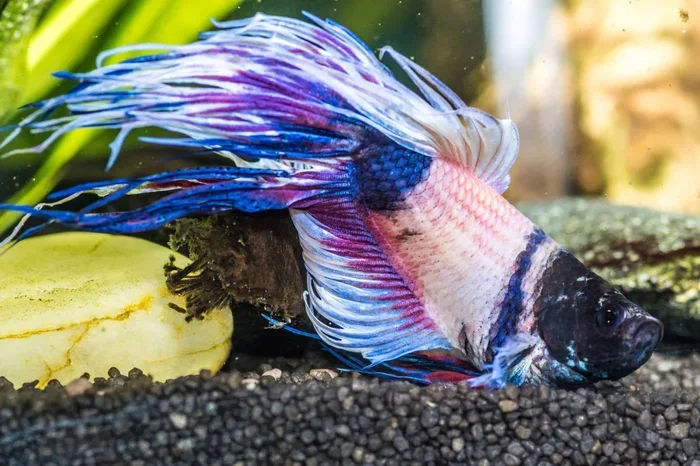
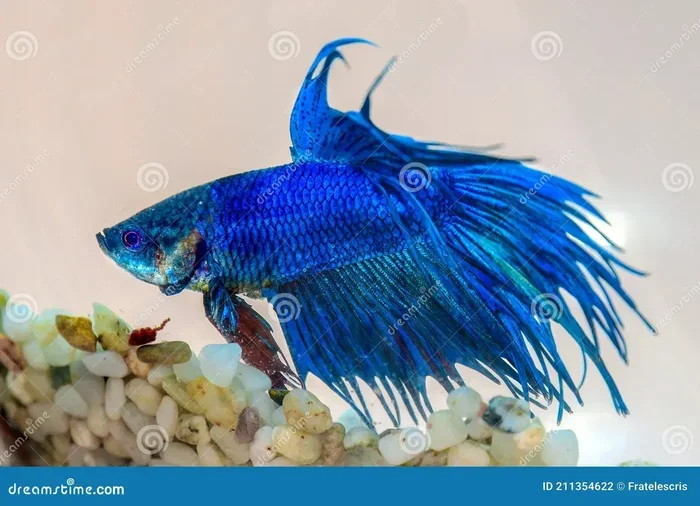
Betta splendens, commonly called Siamese fighting fish, are territorial and love to display their fins. Males are especially prone to aggression toward similarly colored or long‑finned fish. However, they can be surprisingly tolerant of peaceful tank mates that don’t trigger their instinct to defend a space.

Visual guide about Can Sucker Fish Live with Betta
Image source: img.qqzhi.com
What are sucker fish?
Sucker fish belong to the family Catostomidae and include species like the White‑sucker and the Alabama hog sucker. They are bottom‑dwelling, gentle feeders that use a fleshy “suction cup” mouth to graze on algae, detritus, and small invertebrates. Their calm nature makes them attractive companions for many community tanks.
Key compatibility factors
- Size difference: Sucker fish often grow larger than bettas, so they must not be so big that they out‑compete the betta for food.
- Activity level: Bettas are surface swimmers, while suckers stay near the substrate. This vertical separation reduces direct confrontations.
- Water needs: Both prefer slightly warm water (70‑80°F) and a neutral to slightly acidic pH (6.5‑7.5).
2. Choosing the Right Sucker Fish for a Betta Tank
Best species for community setups
Not every sucker fish is a good match. Here are three species that work well with bettas:
Visual guide about Can Sucker Fish Live with Betta
Image source: pixnio.com
- White‑sucker (Catostomus commersonii): Reaches 12‑18 inches, peaceful, and tolerates a wide temperature range.
- Alabama hog sucker (Hypentelium etowanum): Smaller (8‑10 inches) and very docile, making it a safer choice for smaller tanks.
- Riverine sucker (Hypentelium roanokense): Grows to about 10 inches, prefers similar water conditions to bettas.
Avoid larger, more aggressive bottom dwellers such as some catfish that may nip at betta fins.
What other fish can live with betta?
If you’re curious about additional tank mates, check out our article on what other fish can live with betta fish. It offers a full list of compatible species, from neon tetras to peaceful rasboras.
3. Setting Up the Perfect Tank
Tank size and layout
A 20‑gallon long tank is the minimum recommended for a betta‑sucker combo. The extra length provides distinct zones: a surface area for the betta, a mid‑water zone for plants, and a bottom zone for the sucker.

Visual guide about Can Sucker Fish Live with Betta
Image source: pictures.porsche.com
Substrate and décor
Use fine sand or smooth gravel to protect the sucker’s delicate mouth. Add driftwood, smooth rocks, and plenty of live or silk plants. These give the betta places to hide and the sucker places to forage.
Water parameters
- Temperature: 76‑78°F (24‑26°C) – both species thrive here.
- pH: 6.8‑7.2 – a neutral range that keeps stress low.
- Hardness: 5‑12 dGH – suitable for most freshwater community tanks.
Invest in a reliable heater and a gentle filter that creates a moderate flow without disturbing the betta’s surface swimming.
Lighting
Provide 8‑10 hours of subdued lighting daily. Too bright a light can stress bettas, while moderate light encourages algae growth for the sucker to graze.
4. Introducing the Betta and Sucker Fish
Step‑by‑step introduction
- Acclimate the betta first: Let the betta settle for at least a week, establishing its territory.
- Quarantine the sucker: Keep the new fish in a separate tank for 2‑3 weeks to monitor for disease.
- Float‑in method: Place the sucker’s bag in the tank for 15 minutes, allowing temperatures to equalize.
- Gradual release: Use a net to add the sucker to the tank, watching the betta’s reaction.
- Observe for 24‑48 hours: Look for signs of stress or aggression.
Signs of a successful pairing
A calm betta will flaunt its fins without chasing, while the sucker will continue bottom feeding undisturbed. Both fish should eat normally and hide among plants when they feel shy.
When things go wrong
If the betta flares, chases, or the sucker shows fin damage, you may need to provide a divider or re‑home one of the fish. Remember, each betta has a unique personality.
5. Daily Care and Long‑Term Maintenance
Feeding routine
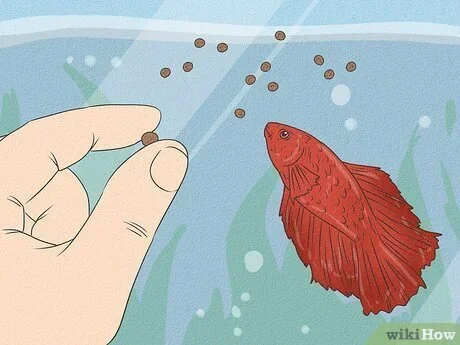
Feed the betta high‑quality pellets or frozen bloodworms once or twice daily. Offer the sucker algae wafers, blanched veggies (zucchini, spinach), and occasional protein flakes. Feed the sucker at the bottom while the betta feeds at the surface to avoid competition.
Water changes
Perform 25 % water changes weekly. Test ammonia, nitrite, and nitrate levels each time. Stable water chemistry is especially important for the sucker’s delicate skin.
Health checks
Watch for:
- Betta: faded colors, torn fins, lethargy.
- Sucker: loss of appetite, surface lesions, abnormal swimming.
If you notice problems, isolate the affected fish and treat according to the diagnosis.
Seasonal considerations
During colder months, lower the heater slightly (by 2°F) to mimic natural temperature fluctuations. Both fish tolerate a gentle drop without stress.
6. Frequently Encountered Challenges and How to Solve Them
Aggression from a male betta
Male bettas are more territorial than females. If you have a male, consider a larger tank (30 gallons) and add plenty of vertical plants to break line‑of‑sight.
Over‑grazing of algae
Sucker fish love to eat algae. If the tank becomes too clean, they may start nibbling at live plants or even the betta’s fins. Introduce a few hardy plants like Java fern that can handle light grazing.
Compatibility with other community members
If you want more fish, refer to what other fish can live with betta for a vetted list. Avoid adding fast‑swimming or fin‑nipping species that could stress either fish.
Conclusion: Making the Betta‑Sucker Duo Thrive
Can sucker fish live with betta? Absolutely—provided you select a calm, appropriately sized sucker, give both fish enough space, and keep water conditions stable. By following the steps outlined above, you’ll create a harmonious aquarium where the betta’s flamboyant display and the sucker’s quiet bottom‑dwelling habits complement each other.
Remember, every aquarium is a living experiment. Observe, adjust, and enjoy the process. With patience and care, your betta and sucker fish can share a beautiful, stress‑free home for years to come.
Frequently Asked Questions
Can a male betta live with a sucker fish?
Yes, a male betta can live with a peaceful sucker fish if the tank is large enough (20 gallons minimum) and plenty of hiding spots are provided.
Do sucker fish need special diet when kept with bettas?
Sucker fish primarily eat algae, detritus, and plant matter. Supplement their diet with algae wafers and blanched vegetables to keep them healthy alongside a betta.
What temperature is ideal for both betta and sucker fish?
Both species thrive in 76‑78°F (24‑26°C). Maintaining this range ensures comfort and reduces stress for each fish.
How often should I perform water changes in a betta‑sucker tank?
Change 25 % of the water weekly and test parameters each time to keep ammonia and nitrite at zero and nitrate below 20 ppm.
Can I add other community fish to a betta‑sucker setup?
Yes, small peaceful fish like neon tetras or rasboras can be added, but always check compatibility using resources like what other fish can live with betta fish.
What signs show that the betta is stressed by the sucker?
Look for constant fin flaring, loss of color, or the betta hiding all the time. If these appear, consider rearranging décor or providing a divider.