How Can You Make a Betta Fish Happy

Making your betta fish happy is easier than you think. A well-setup tank, proper diet, and mental enrichment are the keys to keeping your betta healthy and active. How can you make a betta fish happy? By focusing on water quality, tank decorations, and a balanced feeding routine.
So you want to know how can you make a betta fish happy? It is a great question, and one that every betta owner should ask. These colorful fish are more than just pretty faces. They have personalities, preferences, and needs that go beyond just surviving. When you bring a betta into your home, you are taking on the responsibility of creating a world that feels like home for them.
Many people think bettas are simple pets that just float around in a tiny bowl. That could not be further from the truth. Bettas are active, curious creatures that thrive in environments designed with their well-being in mind. Making a betta fish happy starts with understanding what they need to feel safe, healthy, and engaged.
The good news is that you do not need to be a fish expert to get this right. With a few smart choices and a little effort, you can transform your betta’s life from just getting by to truly thriving. Let us walk through everything you need to know about betta fish happiness and how to achieve it every single day.
Key Takeaways
- Tank Size Matters: A minimum 5-gallon tank gives your betta room to swim and explore.
- Water Quality Is Critical: Keep temperature between 76-82°F and cycle your tank regularly.
- Diet Affects Mood: Feed high-quality pellets and occasional treats for best health.
- Enrichment Prevents Boredom: Plants, caves, and gentle current keep bettas stimulated.
- Avoid Common Mistakes: Small bowls, cold water, and poor filtration cause stress.
📑 Table of Contents
Understanding Betta Fish Happiness
Before you can improve your betta’s life, you need to understand what happiness looks like in a fish. Betta fish happiness signs are clear once you learn to read them. A content betta will have vibrant colors, flowing fins, and steady swimming patterns. They will explore their tank, interact with you, and show curiosity about their surroundings.
On the other hand, a stressed or unhappy betta may fade in color, hide constantly, or stay at the bottom of the tank. Recognizing these betta fish happiness signs early helps you make changes before problems get worse. Happy bettas also build bubble nests regularly, which is a natural behavior that signals they feel safe and comfortable.
Here are the key signs of a happy betta fish:
- Bright, vivid colors that pop
- Fins held open and flowing naturally
- Active swimming throughout the tank
- Responding to your presence at the tank
- Eating eagerly during feeding time
- Building bubble nests regularly
- Exploring all areas of the tank
If you notice most of these signs, you are doing a great job. If not, do not worry. We will cover how to improve each area below. Remember, every betta is different. Some are bold and outgoing, while others are shy and reserved. Both personalities can be happy with the right care.
Setting Up the Perfect Tank Environment
The foundation of betta fish happiness starts with the tank itself. Your betta’s betta fish environment directly impacts their mood, health, and betta fish lifespan. A well-planned betta tank setup can add years to your fish’s life and bring out their natural behaviors.
Tank Size and Space
One of the biggest mistakes new betta owners make is using a tiny bowl. Bettas need room to move. A betta fish tank size of at least 5 gallons is the minimum recommended for a single betta. This gives them space to swim, explore, and establish their territory. A larger tank also supports a healthy betta fish lifespan by keeping water parameters more stable.
Small containers may seem easier to manage, but they create stress for your fish. Think about it this way. Would you want to live in a tiny closet your whole life? Your betta feels the same way about small bowls.
Here is a quick comparison of tank sizes:
| Tank Size | Suitability | Notes |
|---|---|---|
| 1-2 gallons | Not recommended | Too small, causes stress |
| 5 gallons | Minimum for one betta | Good baseline for a healthy environment |
| 10 gallons | Ideal for one betta | More room for decorations and plants |
| 20+ gallons | Great for community tanks | Allows for tank mates |
A larger tank also makes betta fish tank maintenance easier because water parameters stay more stable. You will spend less time fixing problems and more time enjoying your fish.
Water Quality and Temperature
Water quality for betta fish is absolutely essential. Bettas are tropical fish that need warm, clean water to thrive. The ideal betta fish temperature range is between 76°F and 82°F (24°C to 28°C). Cold water can make your betta sluggish and sick.
You should also cycle your tank before adding your betta. Cycling builds beneficial bacteria that break down harmful toxins like ammonia. This process is a core part of betta fish care that many beginners overlook.
Key water parameters to monitor:
- Temperature: 76-82°F (24-28°C)
- pH level: 6.5 to 7.5
- Ammonia: 0 ppm
- Nitrite: 0 ppm
- Nitrate: Below 20 ppm
Using a filter in your betta tank is also important. Using a filter with your betta fish helps maintain clean water without you needing to do constant water changes. Just make sure the filter does not create too strong of a current, as bettas prefer gentle flow.
Decorations and Enrichment
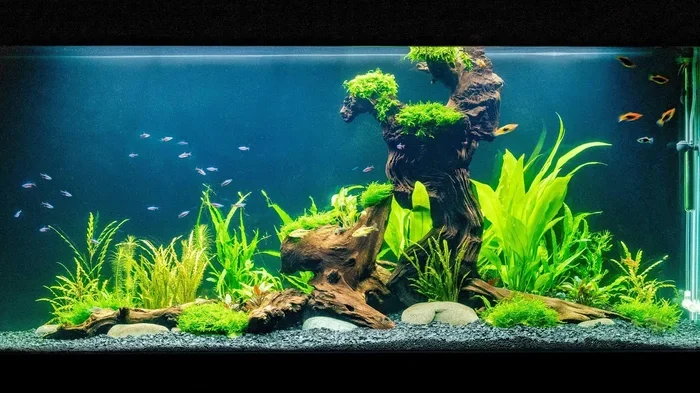
Your betta needs more than just water and a filter. They need a world that stimulates their senses. Betta fish tank decorations like plants, caves, and gentle substrate give your fish places to explore and hide. A bare tank with nothing in it is boring and stressful.
Betta fish enrichment is often overlooked but plays a huge role in their well-being. Adding live or silk plants, smooth rocks, and hiding spots creates a natural feel that makes your betta feel secure. Plants also provide hiding spots that reduce stress and give your fish a sense of territory.
You can even add lucky bamboo to your betta tank for a natural look that also helps with water quality. Just make sure any decorations have smooth edges to protect your betta’s delicate fins. Avoid sharp plastic or rough gravel that could tear their fins.
Feeding Your Betta for Happiness
A proper betta fish diet is one of the most direct ways to boost betta fish happiness. What you feed your betta affects their energy, color, and overall health. A well-fed betta is a happy betta. In the wild, bettas eat small insects, larvae, and tiny crustaceans. Replicating that diet in captivity is the goal.
Best Foods for a Happy Betta
Bettas are carnivores by nature. They need protein-rich foods to stay healthy. High-quality betta pellets should form the foundation of their diet. Look for pellets where fish meal or whole ingredients are listed first. Avoid brands filled with fillers like corn or wheat.
You can also offer variety with these options:
- Frozen or live brine shrimp
- Bloodworms (as an occasional treat)
- Daphnia for digestive health
- Small pieces of fresh seafood
Feeding tips for a happy betta:
- Feed small amounts twice a day
- Remove uneaten food after 5 minutes
- Skip one feeding day per week for digestive health
- Rotate food types for nutritional variety
Overfeeding is one of the most common causes of health problems in bettas. Excess food fouls the water quickly and can lead to bloating and other issues. When in doubt, feed a little less rather than a little more. A slight gap between meals mimics their natural feeding patterns and keeps their digestive system working properly.
Social Life and Tank Mates
Bettas are often kept alone, but that does not mean they do not benefit from betta fish companionship. The right social setup can greatly improve your betta’s quality of life. Some bettas enjoy the company of other peaceful creatures, while others prefer solitude. Knowing your fish’s personality is key.
Can Betta Fish Live With Other Fish?
Not all fish get along with bettas. Male bettas, in particular, are territorial and may fight with fish that have similar colors or long fins. However, keeping other fish with a female betta can work well in the right setup. Female bettas tend to be less aggressive and can share a tank with compatible species.
Good tank mates for bettas include:
- Neon tetras (in schools of 6 or more)
- Corydoras catfish
- Snails like nerite or mystery snails
- Ghost shrimp
- Kuhli loaches
Always monitor your betta when introducing new betta fish tank mates. Watch for signs of aggression like flaring, chasing, or fin nipping. If your betta seems stressed, it is okay to separate them. Betta fish tank mates should complement your betta’s personality, not challenge it. A peaceful community tank can provide mental stimulation and reduce loneliness for your fish.
Mental Stimulation and Enrichment
Bettas are smarter than most people give them credit for. They can recognize their owners, follow fingers, and even learn simple behaviors. Without mental stimulation, bettas can become bored, which leads to betta fish boredom and depression. A stimulated betta is a happy betta.
Quick Tips for Betta Enrichment
Here are easy ways to keep your betta mentally stimulated:
- Place the tank in a location where your betta can observe household activity
- Rearrange tank decorations occasionally to create a fresh environment
- Use a mirror briefly (for 5-10 minutes) to trigger natural behaviors
- Introduce new-safe objects like floating logs or betta hammocks
- Talk to your betta gently during feeding time
Expert Insight: Many betta owners report that their fish seem most active and engaged during morning hours. Placing the tank near a window with natural betta fish lighting can encourage natural day-night cycles that support healthy behavior patterns. Just avoid direct sunlight, which causes temperature swings and algae blooms.
A bored betta may start showing betta fish stress signs like clamped fins, lethargy, or loss of appetite. Adding enrichment elements to the tank goes a long way in preventing these issues. Even small changes, like a new plant or a different feeding location, can spark excitement in your fish.
Common Mistakes That Make Betta Fish Unhappy
Knowing what to avoid is just as important as knowing what to do. Here are the most common mistakes that hurt betta fish happiness:
- Keeping bettas in bowls under 3 gallons: This limits movement and makes water quality hard to maintain.
- Using tap water without treatment: Chlorine and chloramine in untreated tap water harm your betta. Always use a water conditioner.
- Overcrowding the tank: Too many fish or decorations create stress and reduce swimming space.
- Ignoring water changes: Even with a filter, regular partial water changes are essential for betta fish health.
- Keeping the tank in direct sunlight: This causes temperature swings and promotes algae growth.
- Feeding only flakes: Flakes lack the protein bettas need and can cloud the water quickly.
Avoiding these mistakes puts you well ahead of most betta owners. Small changes in your routine can make a big difference in your fish’s quality of life. The goal is consistency. Bettas thrive on predictable, stable environments where their needs are met every day.
The Role of Tank Maintenance in Betta Happiness
Consistent betta fish tank maintenance is the backbone of a happy betta. A clean, stable environment reduces stress and prevents illness. Neglecting maintenance is the fastest route to an unhappy, sick fish.
Quick maintenance checklist:
- Test water parameters weekly
- Perform 25% water changes every 1-2 weeks
- Clean the glass with an algae scraper
- Rinse filter media in old tank water (not tap water)
- Check the heater to ensure steady temperature
- Remove any uneaten food after feeding
When you stay on top of maintenance, your betta thrives. Betta fish care does not have to be complicated. A simple routine that you follow consistently is far better than occasional deep cleans. Set a reminder on your phone if you need to. Your betta will reward you with vibrant colors and energetic swimming.
Conclusion
How can you make a betta fish happy? The answer comes down to a few core principles. Provide a spacious, clean tank with stable water conditions. Feed a varied, protein-rich diet. Add enrichment and stimulation to prevent boredom. Choose compatible tank mates if your betta enjoys company. And avoid the common mistakes that cause stress and illness.
When you invest in your betta’s environment and well-being, you will see the results in their vibrant colors, active swimming, and playful behavior. Making a betta fish happy is deeply rewarding. Your fish will not just survive. They will thrive. And that is the best feeling in the world for any fish owner.
Start today. Pick one area from this guide and make an improvement. Your betta will thank you for it. A happy betta is a healthy betta, and a healthy betta can bring you years of joy and color in your home.
Frequently Asked Questions
How often should I clean my betta fish tank?
Perform a 25% water change every one to two weeks. This keeps water quality for betta fish stable without disrupting the beneficial bacteria in your tank. Always use treated water at the right temperature.
Can a betta fish live in a bowl?
While bettas can survive in bowls, they thrive much better in tanks of at least 5 gallons. A proper betta fish tank size gives them room to swim and helps maintain stable water conditions. Bowls are too small for long-term happiness.
What is the best food for a happy betta fish?
High-quality betta pellets should be the staple of your fish’s betta fish diet. Supplement with frozen or live brine shrimp and bloodworms as treats. Variety keeps your betta healthy and excited at feeding time.
How do I know if my betta fish is stressed?
Common betta fish stress signs include faded colors, clamped fins, lethargy, and loss of appetite. If you notice these signs, check your water parameters and tank environment immediately. Early action can prevent serious health issues.
Do betta fish need a heater?
Yes, bettas are tropical fish that need warm water. The ideal betta fish temperature range is 76 to 82 degrees Fahrenheit. A reliable heater helps maintain this range and keeps your betta comfortable year-round.
Can I keep my betta fish with other fish?
It depends on the species. Keeping other fish with a female betta often works well with peaceful tank mates like tetras and snails. Male bettas are more territorial and usually do best alone. Always monitor behavior when introducing new companions.