Are Bamboo Plants Good for Betta Fish
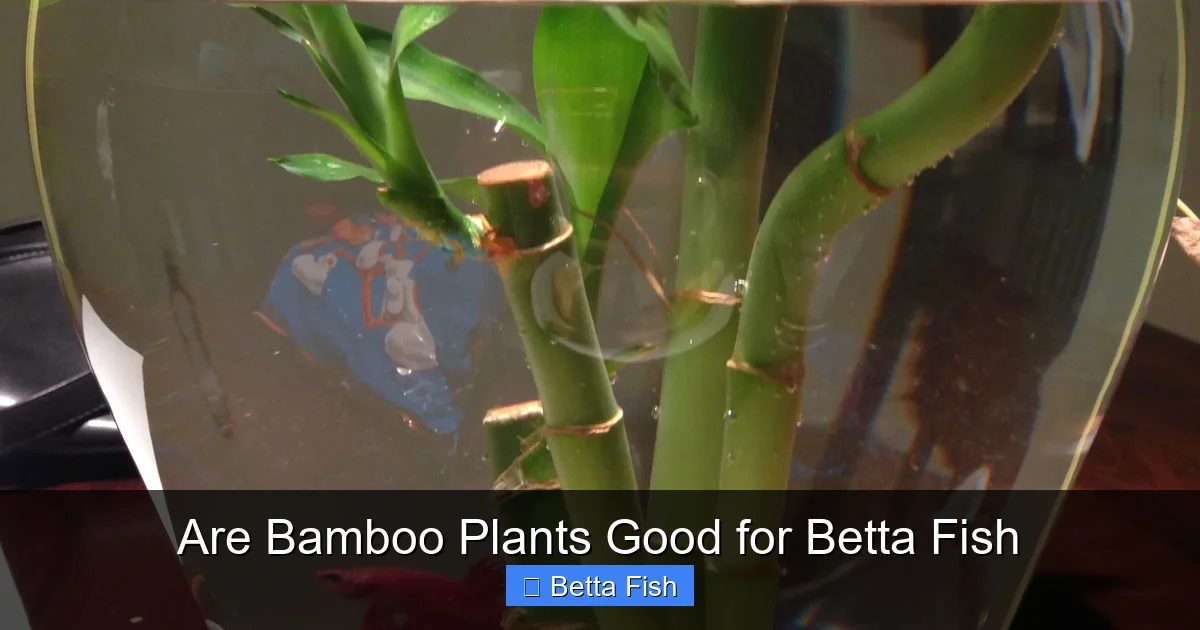
Bamboo can be a beautiful addition to a betta tank, but not all bamboo is safe. Learn which types work, how to prepare them, and the pros and cons so you can keep your betta happy and healthy.
Key Takeaways
- Natural bamboo isn’t toxic: Properly prepared bamboo won’t poison bettas, but untreated pieces may leach tannins.
- Choose the right species: Lucky bamboo (Dracaena) is a popular faux option; true bamboo (Bambusa) works if boiled and rinsed.
- Size matters: A 2‑3 inch stem fits most 5‑gal tanks without crowding a betta’s swimming space.
- Monitor water parameters: Bamboo can lower pH; test weekly to keep conditions within betta‑friendly ranges.
- Provide hiding spots: Betta fish love plants for shelter; bamboo adds vertical structure and reduces stress.
- Replace regularly: Over‑time bamboo decays, so swap it out every 4‑6 weeks to avoid water quality issues.
- Combine with live plants: Pair bamboo with live species from our guide on which live plants are good for betta fish for a balanced ecosystem.
📑 Table of Contents
- Introduction: Why You Might Consider Bamboo
- Understanding Bamboo: Real vs. Faux
- Preparing Bamboo for the Betta Tank
- How Bamboo Affects Water Quality
- Benefits of Adding Bamboo to a Betta Tank
- Potential Drawbacks and How to Avoid Them
- Step‑by‑Step Guide to Adding Bamboo Safely
- Combining Bamboo with Live Plants
- Frequently Overlooked Tips
- Conclusion: Making an Informed Decision
Introduction: Why You Might Consider Bamboo
When you first set up a betta tank, the sparkling water and bright colors of the fish are exciting enough. But after a few weeks, many owners start to wonder: “How can I make the tank look more natural?” One answer that pops up often is bamboo. The tall, slender stems add a tropical vibe and give your betta a place to hide, rest, and explore.
Before you rush to the garden center, it’s important to ask the core question that brings us here: are bamboo plants good for betta fish? The short answer is “yes, with conditions.” In this article we’ll break down the science, the practical steps, and the common pitfalls so you can decide with confidence.
Understanding Bamboo: Real vs. Faux
Real bamboo (Bambusa spp.)
True bamboo is a fast‑growing grass that thrives in warm, humid climates. In an aquarium, a fresh stem can provide natural texture and even release beneficial tannins that slightly acidify the water—something many bettas enjoy.
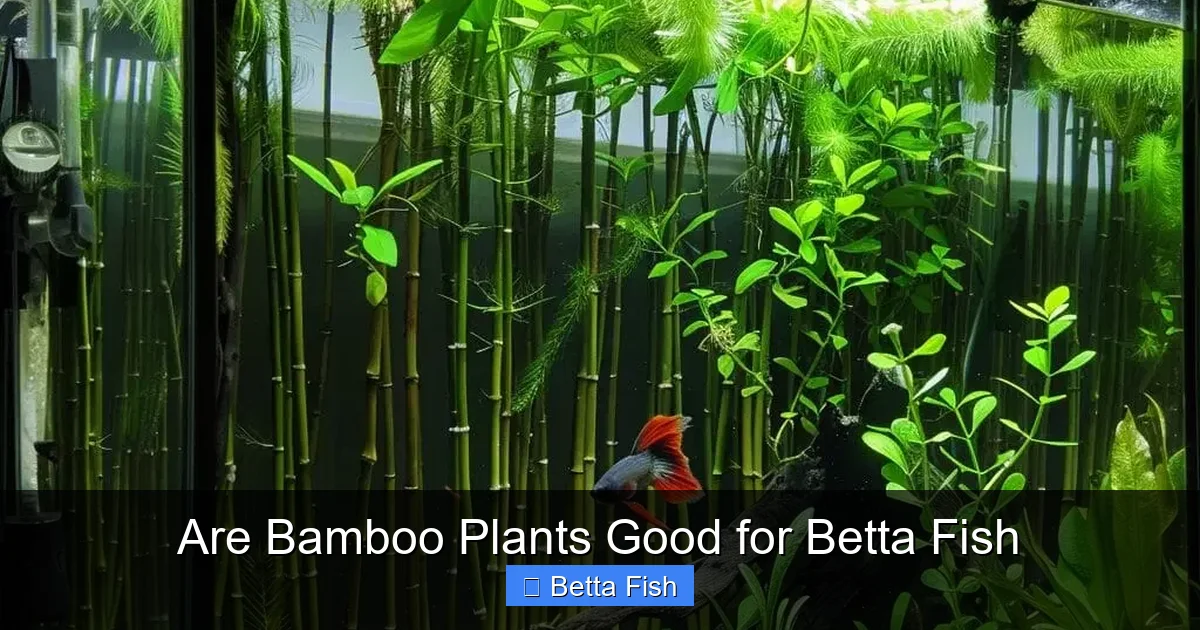
Visual guide about Are Bamboo Plants Good for Betta Fish
Image source: ekk4j69ebaa.exactdn.com
Faux bamboo (Lucky bamboo, Dracaena sanderiana)
What many pet stores label as “lucky bamboo” isn’t bamboo at all; it’s a succulent from the Dracaena family. It’s popular because it’s inexpensive and easy to care for, but it can release chemicals that are harmful to fish if not properly prepared.
Which one should you pick?
If you want a truly natural look and are comfortable with a bit of prep work, go for real bamboo. If you prefer a low‑maintenance décor piece, choose faux bamboo but be sure to follow a strict cleaning routine.
Preparing Bamboo for the Betta Tank
Boiling and rinsing
Boiling removes surface algae, pesticides, and some of the tannins that could swing the pH too low. Follow these steps:
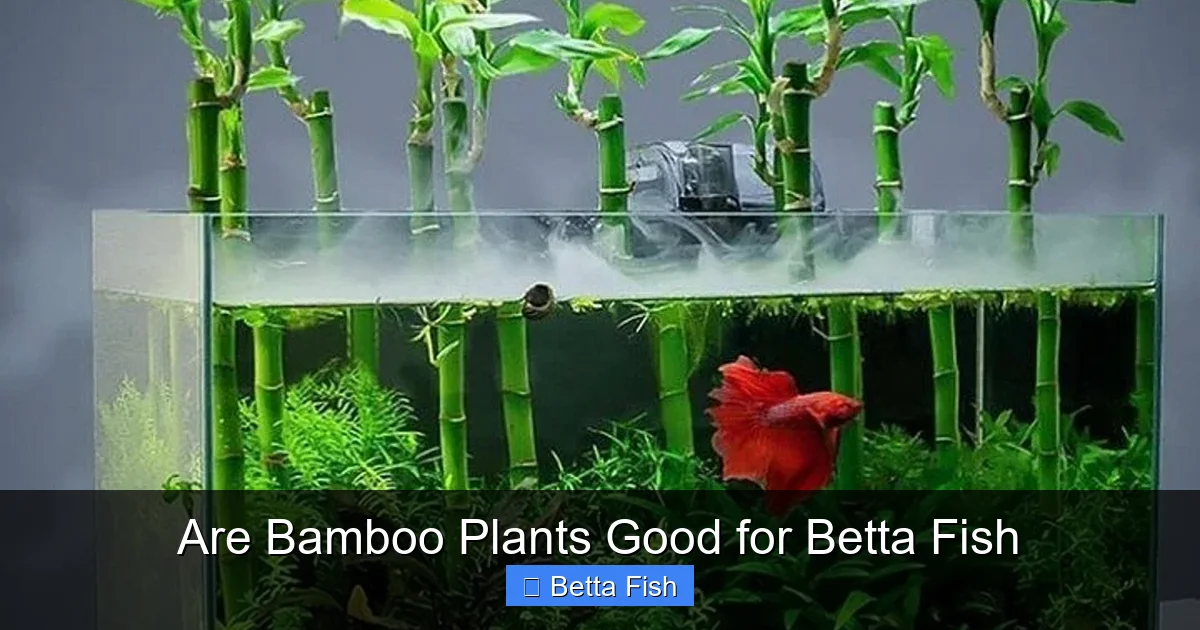
Visual guide about Are Bamboo Plants Good for Betta Fish
Image source: i.etsystatic.com
- Trim the stem to a length of 2–4 inches.
- Place the piece in a pot of water and bring to a rolling boil for 5‑10 minutes.
- Let it cool, then rinse under cold tap water.
- Optional: Soak the bamboo in a bucket of dechlorinated water for 24 hours to leach any remaining compounds.
Disinfecting with hydrogen peroxide
A 3% hydrogen peroxide solution (1 part peroxide to 9 parts water) can give an extra layer of safety. Dip the bamboo for 2 minutes, then rinse thoroughly. This step is especially useful for faux bamboo, which may contain trace metals.
Testing before adding
After preparation, drop the bamboo into a separate container of dechlorinated water for 24 hours. Test the water with a pH kit; a drop of 0.2‑0.3 pH units is normal, but a larger shift means the piece should be discarded.
How Bamboo Affects Water Quality
Tannin release and pH
Real bamboo naturally releases tannins—organic compounds that turn the water a light amber. Betta fish come from soft, slightly acidic waters (pH 6.0‑6.5), so a gentle tannin boost can be beneficial. However, too much can stress the fish and cloud the water.
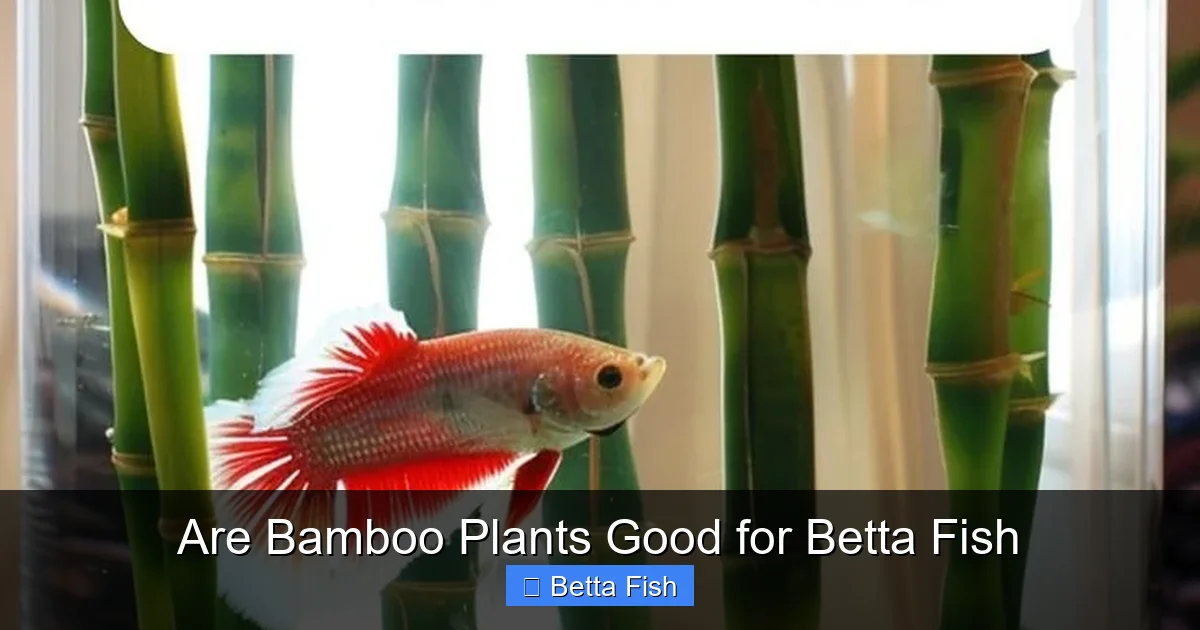
Visual guide about Are Bamboo Plants Good for Betta Fish
Image source: i.pinimg.com
Ammonia and nitrite considerations
Bamboo itself does not produce ammonia, but as it decays it can become a food source for bacteria, which in turn can raise nitrite levels. Regular water changes (at least 25% weekly) and a reliable filter will keep the nitrogen cycle in balance.
Hardness (GH) impact
Bamboo does not significantly alter general hardness, but if you pair it with driftwood or peat, you may notice a slight softening of the water. This can be a plus for bettas that prefer softer water.
Benefits of Adding Bamboo to a Betta Tank
Natural hiding spots
Betta fish are solitary and love to claim territory. A bamboo stem offers vertical space for the betta to rest its fins, hide during feeding, and display its flaring behavior without feeling exposed.
Stress reduction
Studies on tropical fish show that plants—real or artificial—reduce cortisol levels. A calm betta is less likely to develop fin rot or become aggressive toward its own reflection.
Visual appeal
The sleek lines of bamboo complement the flowing fins of a betta, creating a mini‑rainforest look that impresses visitors and makes tank maintenance more enjoyable.
Potential Drawbacks and How to Avoid Them
Over‑acidification
If you add multiple tannin‑rich decorations, the pH can drop below 6.0, which may stress the betta’s gills. Keep a pH log and be ready to add a small amount of crushed coral if needed.
Decay and water cloudiness
Old bamboo can become mushy, releasing particles that cloud the water. Replace stems every 4‑6 weeks, and always remove any that feel soft to the touch.
Algae growth
The shaded side of a bamboo stem can become a breeding ground for green spot algae. Scrub the stem gently with a soft brush during weekly water changes to keep it clean.
Step‑by‑Step Guide to Adding Bamboo Safely
1. Choose the right size
For a standard 5‑gallon betta tank, a 2‑inch stem works best. Larger tanks can accommodate longer pieces, but always leave at least 1 inch of open swimming space on each side.
2. Prepare the bamboo
Follow the boiling, rinsing, and optional peroxide steps outlined above.
3. Test water parameters
After the bamboo sits in a test bucket for 24 hours, check pH, ammonia, nitrite, and nitrate. Adjust with a water conditioner if needed.
4. Position the stem
Place the bamboo against a tank side or let it float. Use a suction cup anchor if you want it stable. Ensure the betta can swim around it freely.
5. Monitor the tank
For the first two weeks, test the water twice a week. Look for any signs of stress in your betta—loss of color, clamped fins, or excessive hiding.
6. Schedule replacement
Mark your calendar for a 4‑week swap. When you remove the old stem, give the tank a 20‑minute water change to flush out any decaying matter.
Combining Bamboo with Live Plants
Live plants such as Java fern, Anubias, and Marimo moss are excellent companions for bamboo. They help absorb excess nutrients, compete with algae, and provide additional hiding places. For a list of compatible species, see our article on which live plants are good for betta fish. Pairing bamboo with live greenery creates a balanced ecosystem where each element supports the other.
Frequently Overlooked Tips
- Use dechlorinated water: Tap water can contain chlorine that reacts with bamboo tannins, creating harmful compounds.
- Mind the temperature: Bamboo thrives at 75‑82 °F, matching the ideal range for bettas (what temperature should water be for a betta fish).
- Avoid sharp edges: Sand any rough cuts with fine‑grade sandpaper to prevent fin tears.
- Check for pests: Inspect bamboo for tiny insects or larvae before bringing it into the tank.
Conclusion: Making an Informed Decision
So, are bamboo plants good for betta fish? The answer is a confident “yes” when you choose the right type, prepare it properly, and keep a close eye on water quality. Bamboo can add natural beauty, reduce stress, and give your betta a place to claim as its own. At the same time, remember that it’s just one piece of the puzzle—good filtration, regular water changes, and a proper tank size (what is a good size tank for a betta fish) are the foundations of a healthy aquarium.
Take the time to test, monitor, and replace bamboo as needed, and you’ll enjoy a vibrant, thriving tank that both you and your betta will love.
Frequently Asked Questions
Can I use any bamboo from my garden?
Only bamboo that has been boiled and rinsed is safe. Garden bamboo may carry pesticides or soil microbes that can harm your betta.
Will bamboo make the water too acidic?
A single stem may lower pH by 0.2‑0.3 units, which is fine for most bettas. Test weekly and adjust if the pH drops below 6.0.
How often should I replace the bamboo?
Replace every 4‑6 weeks, or sooner if the stem feels soft or starts to decay.
Is lucky bamboo safe for bettas?
Lucky bamboo can be used if you soak it in dechlorinated water for 24 hours and rinse it well, but real bamboo is a safer natural choice.
Do I need a filter when using bamboo?
Yes. A gentle filter helps remove tannin particles and maintains stable ammonia and nitrite levels.
Can I combine bamboo with live plants?
Absolutely. Pairing bamboo with live plants like Java fern creates a balanced habitat and improves water quality.