How Long Can Betta Fish Live
The common belief that betta fish only live 1-2 years is a dangerous myth. With proper care—a heated, filtered tank of at least 5 gallons, a high-quality diet, and consistent water maintenance—your betta can easily live 3 to 5 years, with some reaching 7 or more. Their lifespan is directly tied to the environment you provide, not just genetics. Neglecting their tropical nature and need for clean water is the primary reason for their short, suffering lives. By understanding and meeting their specific needs, you transform your betta from a disposable pet into a long-term companion.
Key Takeaways
- Typical Lifespan: A well-cared-for betta fish lives 3-5 years on average, with many reaching 6-7+ years in optimal conditions.
- Tank Size is Non-Negotiable: A minimum of 5 gallons is essential for a single betta; smaller containers severely restrict lifespan and quality of life.
- Heating is Critical: Bettas are tropical fish requiring a stable water temperature of 78-80°F (25.5-26.5°C) year-round.
- Water Quality Trumps Everything: Regular partial water changes and a proper filter are mandatory to prevent toxic ammonia and nitrite buildup.
- Diet Matters: A varied diet of high-quality pellets, frozen, or live foods prevents obesity and nutritional deficiencies.
- Genetics Play a Role: Fish from reputable breeders with strong genetic lines often have better health and longevity than pet store bettas.
- Observation is Prevention: Daily checks for changes in behavior, appetite, or appearance allow for early disease intervention.
📑 Table of Contents
- The Myth vs. Reality of Betta Lifespan
- Genetics and Breeding: The Unseen Foundation
- Tank Setup: More Than Just a Bowl
- Water Quality: The Invisible Lifeline
- Nutrition: Building Health from the Inside
- Health Care and Disease Prevention
- Environmental Enrichment and Stress Reduction
- Conclusion: Your Choices Determine Their Years
The Myth vs. Reality of Betta Lifespan
Walk into any big-box pet store, and you’ll see them: vibrant, flowing betta fish trapped in tiny, murky cups. The implication is clear—they’re disposable, meant to live a year or two. This pervasive myth is not just wrong; it’s cruel. The question “how long can betta fish live?” has a dramatically different answer depending on one thing: the level of care they receive. The stark reality is that the average lifespan cited online (1-3 years) is a reflection of widespread neglect, not the species’ biological potential.
In their natural habitat—the shallow, warm, and sprawling rice paddies and slow-moving streams of Southeast Asia—betta fish (Betta splendens) are resilient survivors. They have a labyrinth organ, allowing them to breathe atmospheric air, which helped them endure in low-oxygen water. This adaptation, however, does not mean they thrive in poor conditions. It simply means they can *survive* longer than many fish in filthy water, all while suffering immensely. The single biggest factor determining how long your betta will live is the environment you create for it. With proper, informed care, these fish are not short-lived pets. They become long-term companions, often outliving more “robust” species kept in suboptimal setups. This article will dismantle the myth and provide the complete blueprint for helping your betta achieve its full, healthy lifespan.
Genetics and Breeding: The Unseen Foundation
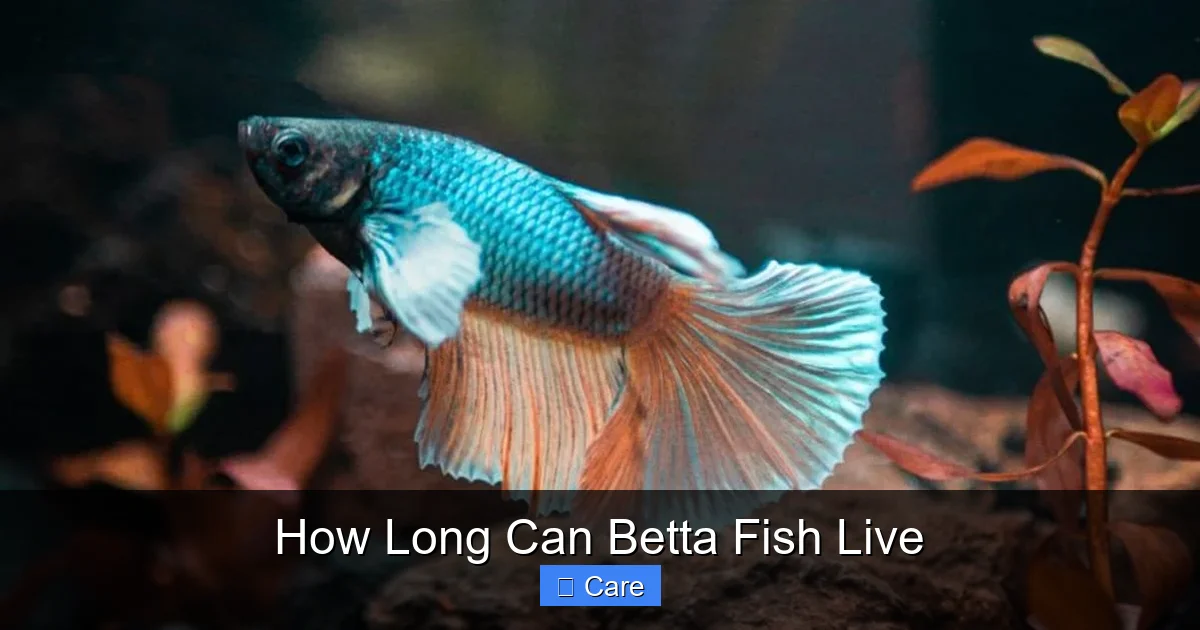
Before we dive into tank parameters and food, we must acknowledge the starting point: the fish itself. Genetics are the bedrock of health and longevity. You cannot create a marathon runner from a horse with congenital heart defects, and the same principle applies to betta fish. The source of your betta significantly influences its baseline health, immune system strength, and predisposition to certain diseases.
Visual guide about How Long Can Betta Fish Live
Image source: cafishvet.com
Pet Store Bettas: The Genetic Lottery
The vast majority of bettas sold in large chain stores come from commercial farms in Southeast Asia. These operations prioritize color and finnage for visual appeal, often at the expense of genetic diversity and health. Inbreeding is common to maintain specific, desirable traits like giant plakat tails or vibrant colors. This practice can concentrate recessive genes for conditions like Swim Bladder Disorder (SBD), chronic fin rot, and weakened immune systems. Furthermore, the journey from farm to store is a stressful one, involving days in small shipping bags with poor water quality, which can suppress immune function before the fish even reaches the shelf. A betta from this pipeline may have a genetic ceiling for lifespan of 2-3 years, even with excellent home care, simply because its foundation is compromised.
Reputable Breeders: Investing in Longevity
Seeking out a reputable, dedicated betta breeder is the single best way to increase your odds of a long-lived fish. These breeders are passionate about the species and practice selective breeding for vigor, health, and conformation alongside beauty. They often cull fish with genetic defects, avoid extreme inbreeding, and provide their broodstock with superior nutrition and housing. Bettas from such sources are typically heartier, have better appetites, and display more robust temperaments. While they may cost $25-$50 or more (versus $5-$10 at a chain store), you are paying for a genetically sound animal with a much higher potential for a 5-7 year lifespan. It’s an investment in future years of enjoyment.
Tank Setup: More Than Just a Bowl
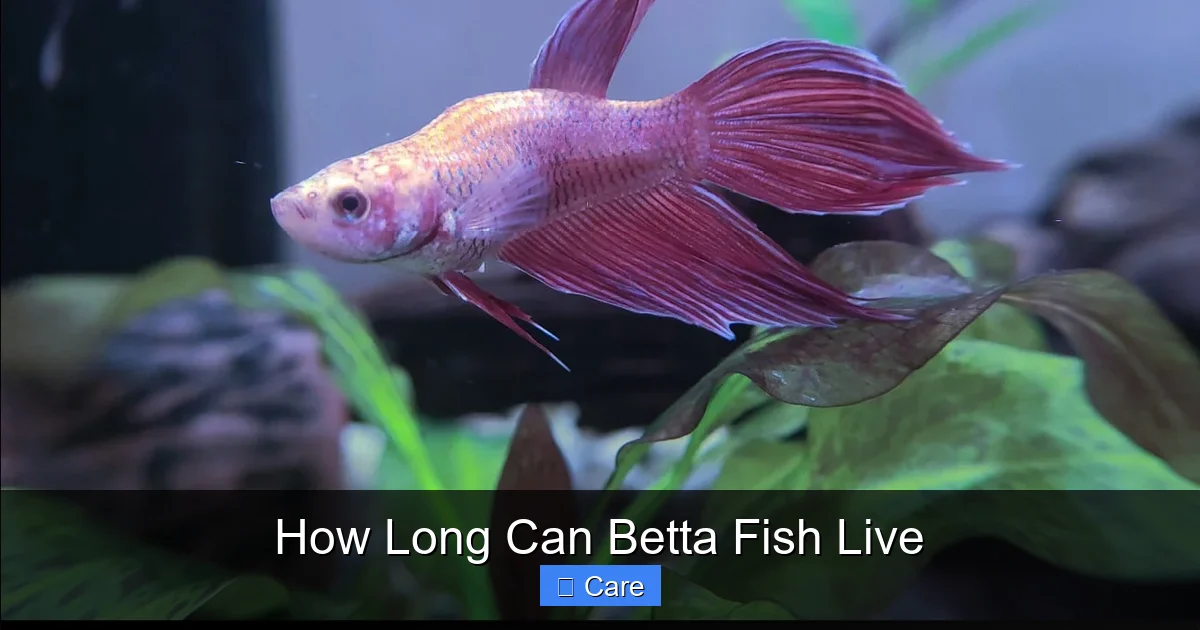
This is the most critical and commonly failed aspect of betta care. The image of a betta in a decorative vase or a one-gallon “betta tank” is outdated and lethal. A proper tank setup is not a luxury; it is the fundamental requirement for a healthy life. Let’s break down the non-negotiable components.
Visual guide about How Long Can Betta Fish Live
Image source: buildyouraquarium.com
Minimum Tank Size: The 5-Gallon Rule
Let’s be unequivocal: a betta fish needs a minimum of 5 gallons (19 liters) of filtered, heated water. There is no scientific debate here. A larger volume of water provides stability. It dilutes toxins like ammonia and nitrite, making water parameter fluctuations less drastic and giving beneficial bacteria a larger colony to process waste. In a 1-gallon tank, a single betta’s waste can spike ammonia to lethal levels within a day. In a 5-gallon tank, that same amount of waste is diluted, and the filter and bacteria have a fighting chance. Larger is always better. A 10-gallon tank provides even more stability and room for gentle, compatible tank mates or a lush aquascape. The idea that bettas “prefer” small spaces is a misinterpretation of their territorial nature; they defend a small territory *within* a larger, healthy ecosystem.
Filtration: Essential, Not Optional
Every betta tank must have a filter. The filter’s job is twofold: it mechanically removes debris (like uneaten food and feces) and, more importantly, it hosts the nitrogen cycle—the biological process where beneficial bacteria convert toxic fish waste (ammonia) into less harmful nitrates. Without a filter, you are relying solely on manual water changes to remove ammonia, which is an impossible task to perform perfectly every day. Choose a filter with an adjustable flow, as bettas with their long, flowing fins are poor swimmers and can be exhausted or injured by strong currents. Sponge filters (air-driven) are an excellent, gentle option for small tanks. The sound of trickling water from a hang-on-back filter can also be stressful for some bettas, so look for models with adjustable outlets or diffuser options to soften the flow.
Heating: Replicating the Tropics
Bettas are tropical fish, native to waters that consistently sit between 75°F and 86°F (24°C – 30°C). Their metabolism, immune function, and digestion are optimized for this range. Keeping a betta in cold water (below 75°F/24°C) is like asking a human to function in a constant state of hypothermia. Their metabolism slows, digestion becomes inefficient (leading to constipation and SBD), and their immune system is severely compromised, making them susceptible to diseases like ich and velvet. A reliable aquarium heater is mandatory. For a 5-gallon tank, a 25-watt adjustable heater is sufficient. Always use a separate aquarium thermometer to verify the heater’s accuracy, as a malfunctioning heater can cook your fish. The goal is a stable 78-80°F (25.5-26.5°C).
Decor, Hiding Spots, and the Lid
A bare tank is a stressful tank. Bettas are intelligent and curious. They need stimulation and places to retreat. Provide a variety of decorations: live or silk plants (avoid plastic plants with sharp edges that can tear fins), caves, logs, and smooth rocks. The substrate can be sand or gravel. A critical, often-overlooked point: bettas are skilled jumpers. They will leap out of an open tank if startled or during a night-time dash. A secure, ventilated lid is 100% required to prevent a tragic, messy death. The lid also helps maintain humidity and temperature stability.
The Nitrogen Cycle: The First and Most Important Step
You cannot add your betta to a new tank and expect it to live. A new tank is a “sterile” environment with no beneficial bacteria. When your betta produces waste, ammonia will build up and poison it. The solution is to “cycle” the tank before introducing the fish. This 4-6 week process involves establishing a colony of bacteria that convert ammonia -> nitrite -> nitrate. You start by adding an ammonia source (pure ammonia, fish food, or a bacteria starter), testing water parameters daily, and allowing the bacteria to grow. Only when the tank can process 1-2 ppm of added ammonia to 0 ppm of ammonia and nitrite within 24 hours is it safe for your betta. Adding a betta to an uncycled tank is a primary cause of “new tank syndrome” and early mortality.
Water Quality: The Invisible Lifeline
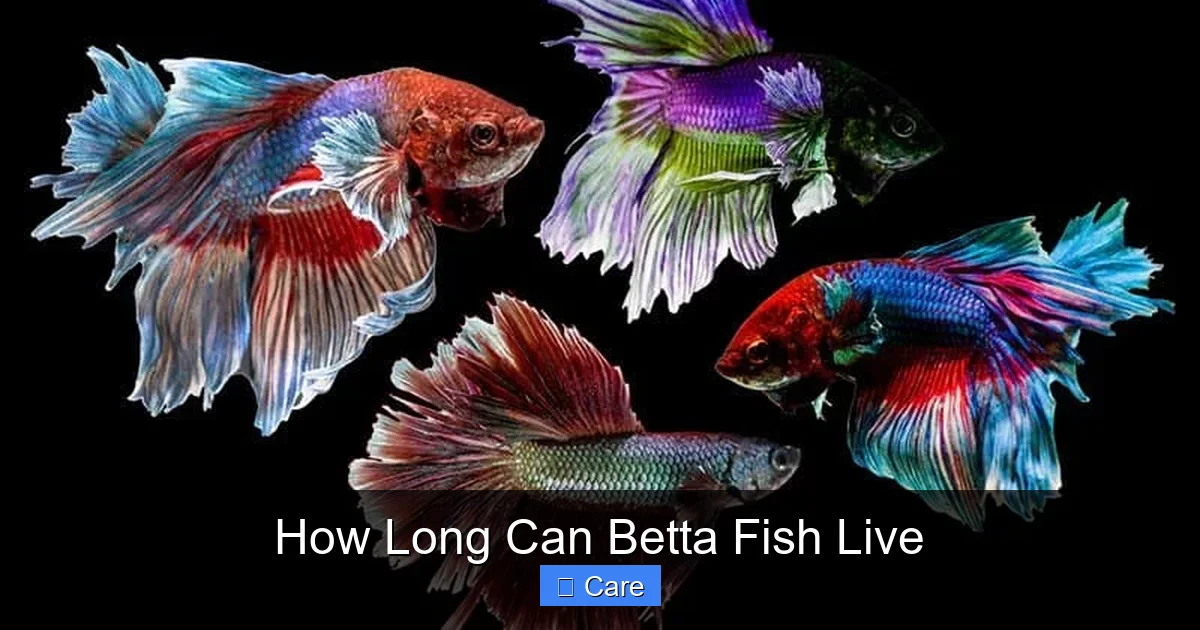
Even with a cycled, filtered tank, water quality maintenance is a continuous responsibility. “Clean” water is not the same as “chemically balanced” water. The goal is to keep toxic compounds at zero and nitrates (the end product of the cycle) low.
Visual guide about How Long Can Betta Fish Live
Image source: petpad.net
Understanding Parameters: Ammonia, Nitrite, Nitrate, pH, and Temperature
You must test your water. Liquid test kits (like the API Master Test Kit) are more accurate than strips. Here’s what you’re looking for:
- Ammonia (NH3/NH4+): 0 ppm. Highly toxic, even at 0.25 ppm.
- Nitrite (NO2-): 0 ppm. Also highly toxic, interferes with oxygen transport in blood.
- Nitrate (NO3-): < 20 ppm is ideal. While less toxic than ammonia/nitrite, chronic exposure to high nitrates (40+ ppm) causes stress and health issues.
- pH: Bettas are adaptable but prefer slightly acidic to neutral water (6.5-7.5). Stability is more important than a perfect number.
- Temperature: 78-80°F (25.5-26.5°C) with no daily fluctuations of more than 1-2 degrees.
The Gold Standard: Partial Water Changes
No filter can remove nitrates; they only accumulate. The only way to remove them is by replacing old tank water with fresh, dechlorinated water. For a properly stocked 5-gallon betta tank, a 25-30% water change once a week is the bare minimum. For a single betta in a 5-gallon, some keepers stretch to every 10-14 days, but weekly is the safest habit. Use a gravel vacuum to siphon debris from the substrate during the change. Never remove more than 50% of the water at once, as this can shock the fish and disrupt the biological filter. Always treat tap water with a dechlorinator that also neutralizes chloramine (common in municipal water). Match the temperature of the new water to the tank water as closely as possible.
Common Water Quality Mistakes
The biggest errors are: 1) Overcleaning: Never wash filter media or gravel in tap water. This kills the beneficial bacteria. Rinse filter media in a bucket of old tank water only. 2) Inconsistent Changes: Skipping water changes leads to nitrate creep and poor water quality. 3) Using “Water Conditioners” Improperly: Some cheap dechlorinators only remove chlorine, not chloramine. Use a reputable brand that handles both. 4) Not Testing: You are guessing without a test kit. Test weekly, or after any water change or filter maintenance.
Nutrition: Building Health from the Inside
You are what you eat, and your betta is no different. A poor diet is a direct ticket to constipation, Swim Bladder Disorder (SBD), obesity, and a weakened immune system. Bettas are carnivores by nature, not herbivores. Their short digestive tracts are designed for protein-rich foods.
What to Feed: A Quality Staple is Key
The foundation of your betta’s diet should be a high-quality pellet or granule specifically formulated for bettas. Look for brands where the first few ingredients are whole fish or fish meal (e.g., salmon, shrimp, krill), not fillers like wheat, soy, or potato. These pellets are nutritionally complete and provide essential vitamins and minerals. A good rule: feed only as much as your betta can consume in 2-3 minutes, once or twice a day. Overfeeding is the #1 cause of constipation and water quality issues. Any uneaten food must be immediately removed with a net or siphon.
The Importance of Dietary Variety
Just as you wouldn’t eat only cereal, your betta needs variety. Supplement the staple pellets 2-3 times a week with high-protein treats. The best options are:
- Frozen Foods: Frozen bloodworms, brine shrimp, or daphnia. Thaw a small cube in a dish of tank water, then offer a tiny piece. These are close to their natural diet.
- Live Foods: Occasionally, live foods like microworms or small brine shrimp provide excellent enrichment and stimulation. Only source from a trusted, clean culture to avoid introducing parasites.
- Freeze-Dried Foods: A convenient alternative to frozen, but always soak in tank water first to prevent digestive blockages (they expand in the stomach).
Foods to Avoid
Never feed your betta generic tropical fish flakes or “goldfish food”—these are plant-based and will cause digestive problems. Avoid feeder fish (like guppies), as they can carry diseases. Do not over-rely on “betta bites” or pellets that are mostly fillers. Read the ingredient list. A healthy diet leads to vibrant color, energetic activity, and a robust immune system—all contributors to a longer life.
Health Care and Disease Prevention
Prevention is infinitely easier and more humane than treatment. A stressed or immunocompromised betta is a sitting duck for common diseases. The best medicine is pristine water, a balanced diet, and a stable environment.
Common Ailments and Their Roots
- Fin Rot: Caused by bacteria (often Pseudomonas or Aeromonas). Manifests as fraying, blackening, or rotting of fin edges. Root Cause: Poor water quality, physical injury from sharp decor or tank mates.
- Ich (White Spot Disease): Caused by a parasite. Appears as tiny white salt-like grains on the body and fins. Root Cause: Stress from temperature fluctuations, poor water quality, introduction of an infected fish without quarantine.
- Velvet: A parasitic disease causing a gold or rust-colored dusting on the body. Fish scratch against objects. Root Cause: Stress, poor water conditions, low temperature.
- Swim Bladder Disorder (SBD): Not a disease itself, but a symptom. Fish float upside down, sink, or swim erratically. Root Cause: Constipation from overfeeding/improper diet, bacterial infection, or physical injury.
The Quarantine Protocol
Never add a new fish directly to your established betta’s tank. Always use a separate quarantine tank (a 5-10 gallon setup with a heater and filter) for 2-4 weeks. Observe the new betta for any signs of illness (clamped fins, lethargy, spots, ragged fins) before introducing it to the main display. This simple step prevents the introduction of devastating pathogens that can wipe out an entire tank. It also allows you to treat the new fish in a hospital tank without harming the biofilter or other inhabitants of the main tank.
When to Seek Help
For minor issues like early fin rot, improving water quality and adding aquarium salt (follow dosage carefully) can help. For confirmed parasitic infections (Ich, Velvet) or persistent SBD, you will need targeted medication. Have a “hospital tank” ready. Research medications thoroughly—some (like copper-based) are toxic to invertebrates. Consider finding a veterinarian who treats fish (exotic pet vets). Early intervention is key. A lethargic betta with clamped fins is a red flag that demands immediate action: test water, perform a water change, and research symptoms.
Environmental Enrichment and Stress Reduction
A long life is not just about the absence of disease; it’s about the presence of well-being. A bored, stressed betta is a sick betta. Enrichment reduces stress hormones and encourages natural behaviors.
Plants, Caves, and Exploration
As mentioned, decor is vital. Live plants are superior to silk or plastic as they improve water quality (absorbing nitrates) and provide more natural texture. Floating plants like java fern or water lettuce are excellent, as bettas in the wild often lurk near the surface under overhanging foliage. Provide multiple hiding spots—a betta should feel it has a secure retreat. Change the layout of the tank decor occasionally (with a water change) to provide new exploration opportunities.
Compatible Tank Mates: A Cautious Approach
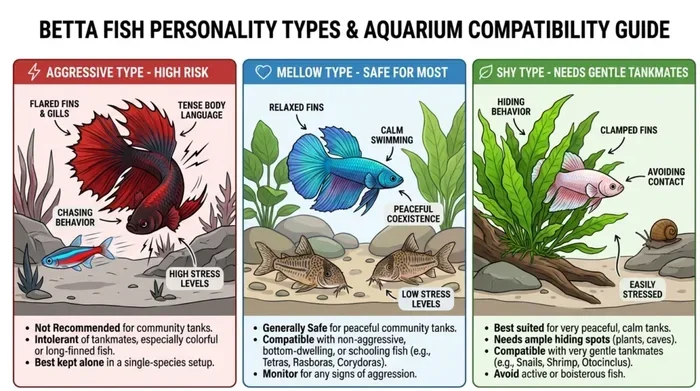
The statement “bettas must live alone” is an oversimplification. While male bettas are famously aggressive toward other male bettas (or fish with long, flowing fins they perceive as rivals), they can often cohabit with carefully chosen, peaceful community fish in a suitably large tank (20+ gallons is much safer). Potential tank mates include small, fast schooling fish like ember tetras or harlequin rasboras (in a group of 6+), corydoras catfish, or kuhli loaches. The key is ample space, a well-cycled tank, and observation. Never house a betta with fish known to nip fins (like tiger barbs). Female bettas can sometimes be kept in sorority tanks (5+ females in a 40+ gallon heavily planted tank), but this is advanced and carries risk. For the vast majority of keepers, especially in tanks under 20 gallons, a solitary betta is the safest and least stressful option.
Routine and Interaction
Bettas are intelligent and can learn. Establish a feeding routine. They will often come to the front of the tank when they see you. You can use a target stick or your finger to train them to follow for food. This mental stimulation is valuable. However, avoid constant tapping on the glass or using a net to chase them—this is pure stress. Provide a consistent day/night cycle with a tank light on for 8-10 hours and off for 14-16 hours. Consider using an auto-feeder for consistency if you travel.
Conclusion: Your Choices Determine Their Years
So, how long can a betta fish live? The scientific and practical answer is this: 3 to 5 years is the realistic, achievable lifespan with good care. The record-holding bettas that reach 7, 8, or even 10 years are not miracles; they are the result of meticulous, knowledgeable owners who provided pristine water, perfect nutrition, and a stress-free, enriched environment from day one. The betta in the cup at the store is not a week away from death; it is a potential 5-year companion being failed by the industry that sells it.
Your power as a betta owner is immense. You control the water they swim in, the food they eat, the temperature of their world, and the level of stress they experience. By rejecting the myth of the disposable betta and committing to the standards outlined here—a cycled 5+ gallon tank, a reliable heater, a gentle filter, weekly water changes, high-quality varied food, and attentive observation—you rewrite the story. You move your betta from the statistics of premature death into the realm of longevity. You don’t just answer the question “how long can they live?” You become the reason they do. Start with the tank, not the fish. Cycle it, plant it, heat it, filter it. Then, and only then, bring home your new friend and watch the years, not months, unfold.
Frequently Asked Questions
Can betta fish live with other fish?
Male bettas are generally solitary and territorial, especially with other long-finned fish. However, in a large, heavily planted community tank (20+ gallons), they may coexist with small, fast, non-aggressive schooling fish like neon tetras or harlequin rasboras. Female bettas can sometimes be kept in groups (sororities) in very large, well-decorated tanks. For most owners, especially in smaller tanks, keeping a betta alone is the safest and least stressful option.
Do betta fish really need a heater and filter?
Absolutely, yes. Bettas are tropical fish native to warm waters and require a stable temperature of 78-80°F (25.5-26.5°C) to maintain a healthy metabolism and immune system. A filter is essential to host the beneficial bacteria that cycle toxic fish waste (ammonia and nitrite) and to keep the water clear. A small, unfiltered, unheated bowl is a slow death sentence for a betta.
How can I tell how old my betta fish is?
It’s difficult to pinpoint an exact age, but signs of a younger betta (under 1 year) include very vibrant colors, extremely long and flowing fins (if a veil-tail or similar), and high, constant energy. Older bettas (3+ years) may show slightly faded colors, minor fin wear or shortening, a less pronounced “beard” (the gill cover), and may have periods of lower activity, especially after meals.
What are the signs my betta is getting old or sick?
Signs of aging or illness include lethargy (hanging at the top or bottom), loss of appetite, clamped fins (held tightly against the body), faded or dull coloration, visible spots or fungus, ragged or torn fins, difficulty swimming (floating, sinking, or swimming upside down), and scratching against tank decor. Any of these signs warrant immediate water testing and a partial water change, followed by research into the specific symptoms.
What is the oldest betta fish ever recorded?
The verified record for the oldest betta fish is 10 years. However, this is an extreme outlier. Most bettas in exceptional care live 5-7 years. Reaching the 5-year mark is a significant achievement and a testament to dedicated, proper husbandry. The average in poor conditions is 1-3 years, while the potential with excellent care is 5+.
Why do bettas in stores sometimes live only a few months?
Store bettas often suffer from chronic stress, poor water quality in their cups, and genetic weaknesses from inbreeding. Their immune systems are suppressed from the moment they arrive. When brought home to an improper setup (like a small, cold, unfiltered bowl), their already weakened body quickly succumbs to disease like fin rot or dropsy. Providing the correct tropical environment immediately gives their immune system a chance to recover and thrive.