Betta fish excrete waste through a single opening called the cloaca, which also handles reproduction and egg-laying. Unlike mammals, they primarily expel nitrogenous waste as uric acid (a white string) and solid feces separately. Monitoring the color, consistency, and frequency of your betta’s poop is a crucial, non-invasive health check that can reveal issues with diet, water quality, or internal disease.
Key Takeaways
- The Cloaca is Key: Betta fish, like all fish, use a single multipurpose opening called the cloaca for expelling both solid feces and liquid uric acid, as well as for reproduction.
- Two Types of Waste: Betta “poop” is actually two things: solid feces (brown/green) from digested food and stringy white uric acid, which is their version of urine.
- Normal Varies: Healthy betta poop is typically dark, small, and formed, appearing in short strands 1-2 times daily. Consistency and color are more important than strict frequency.
- Diet & Water are Directly Linked: What you feed your betta and the quality of its water are the two biggest factors influencing the appearance and health of its waste output.
- It’s a Health Monitor: Changes in poop—like constipation (thick strings), pale/transparent waste, or bloody streaks—are often the first visible sign of internal distress or illness.
- Cleanliness is Non-Negotiable: Because betta waste breaks down into toxic ammonia, immediate removal of visible poop and regular tank maintenance via gravel vacuuming are essential for a healthy environment.
📑 Table of Contents
- The Curious Case of the Betta’s Bathroom: An Introduction
- Anatomy 101: The Betta’s All-in-One Exit – The Cloaca
- Decoding the Detritus: What *Is* Betta Poop, Really?
- A Picture of Health: Recognizing Normal vs. Abnormal Betta Poop
- The Culprits: Diet and Water Quality’s Direct Impact
- The Cleanup Crew: Tank Maintenance for Waste Management
- When to Worry: Health Implications of Abnormal Poop
- The Final Word: Making Waste Monitoring a Habit
The Curious Case of the Betta’s Bathroom: An Introduction
You’re sitting by your beautifully decorated betta tank, watching your flashy friend glide gracefully through the water. Then, you see it. A little stringy something… drifting. Or perhaps stuck to the side of the tank. The immediate, perfectly natural question pops into your head: where do betta fish poop out of? It’s a question that seems simple on the surface but opens a fascinating window into the biology, health, and care of these incredible little fish. Understanding the “where” and the “what” of betta waste is one of the most powerful tools in your aquarium-keeping toolkit. It’s not just about gross-out factor; it’s about becoming a detective for your betta’s internal well-being. This guide will take you on a complete journey, from the anatomical exit point to interpreting the messages written in every strand, ensuring you can provide the best possible care for your Siamese fighting fish.
Many new betta owners are surprised to learn that bettas, and fish in general, don’t have a separate “pee hole” and “poop hole” like mammals do. Their system is more streamlined, more efficient for life in water, but also a bit of a mystery if you’ve never looked into it. By the end of this article, you’ll not only know the precise exit point but also be able to look at your betta’s waste and understand if it’s a sign of a thriving pet or a call for help. Let’s dive in, quite literally.
Anatomy 101: The Betta’s All-in-One Exit – The Cloaca
To answer the core question directly: betta fish poop out of an opening called the cloaca. The word “cloaca” (pronounced kloh-AY-kuh) comes from Latin, meaning “sewer,” which is a surprisingly apt description. It is a single, common chamber and exit at the base of the betta’s abdomen, just in front of the anal fin. This isn’t a design flaw; it’s a masterclass in aquatic efficiency. The cloaca serves three critical, combined functions:
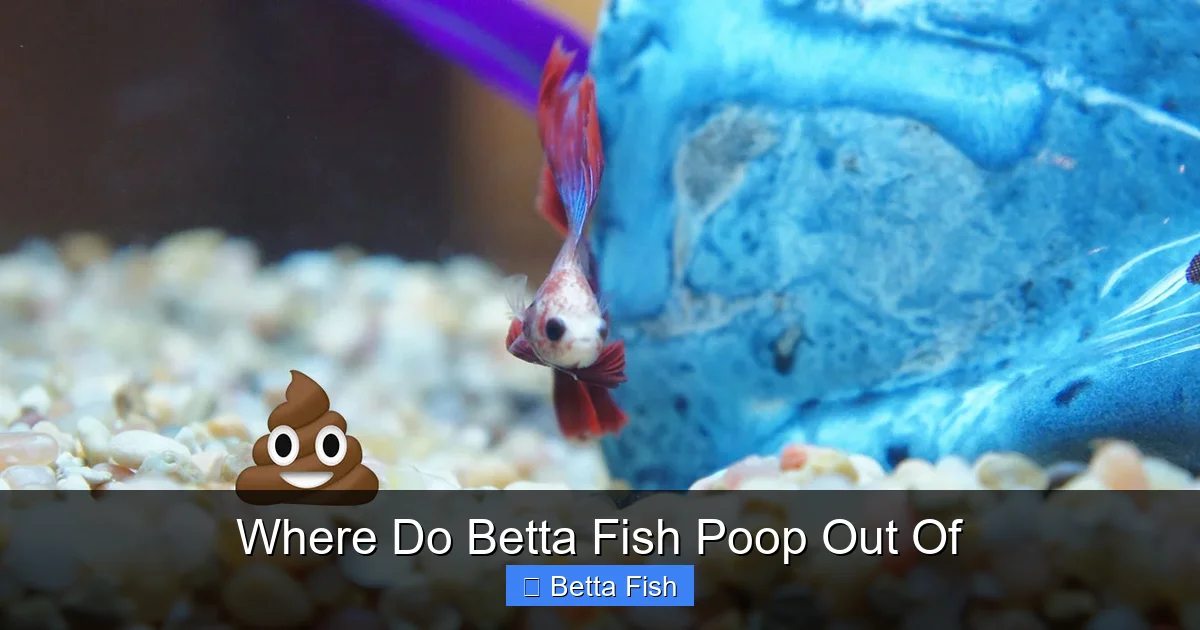
Visual guide about Where Do Betta Fish Poop Out Of
Image source: bettafish.org
- Digestive Waste Exit: It is the endpoint for the digestive tract, where solid feces (undigested food and waste) are expelled.
- Excretory Waste Exit: It is also the endpoint for the excretory system (the kidneys and urinary ducts), where liquid nitrogenous waste, primarily in the form of uric acid, is released.
- Reproductive Canal: In females, it is the passage for eggs during spawning. In males, it’s the exit for sperm during mating.
So, that little hole does a lot of work! For our purposes, we’re focused on the first two functions. Because these two waste streams (solid and liquid) exit through the same opening, they often appear together or in quick succession, which is why you see a betta “poop” as a combined event. You might notice a small, darker solid piece followed or accompanied by a longer, whitish, stringy strand. That white string is the uric acid—the fish equivalent of urine, but in a solid or semi-solid paste form rather than a liquid. This conserves water within the betta’s body, a crucial adaptation for life in an aquatic environment.
How It Works: A Simple Journey
Imagine the betta’s digestive system: food goes in the mouth, gets processed in the stomach and intestines, and the remaining waste moves into the rectum. At the same time, the kidneys filter blood, concentrate waste into uric acid, and send it via ducts to the same chamber. When the betta’s body decides it’s time to expel these wastes, muscles around the cloaca contract, and everything is pushed out in one go or in rapid sequence. There is no separation or choice about what comes out; it’s all a package deal from the same exit point.
Decoding the Detritus: What *Is* Betta Poop, Really?
Now that we know where it comes out, let’s talk about what you’re actually looking at. Betta waste isn’t just one substance. To properly monitor your fish’s health, you need to recognize the two main components and what “normal” looks like for each.
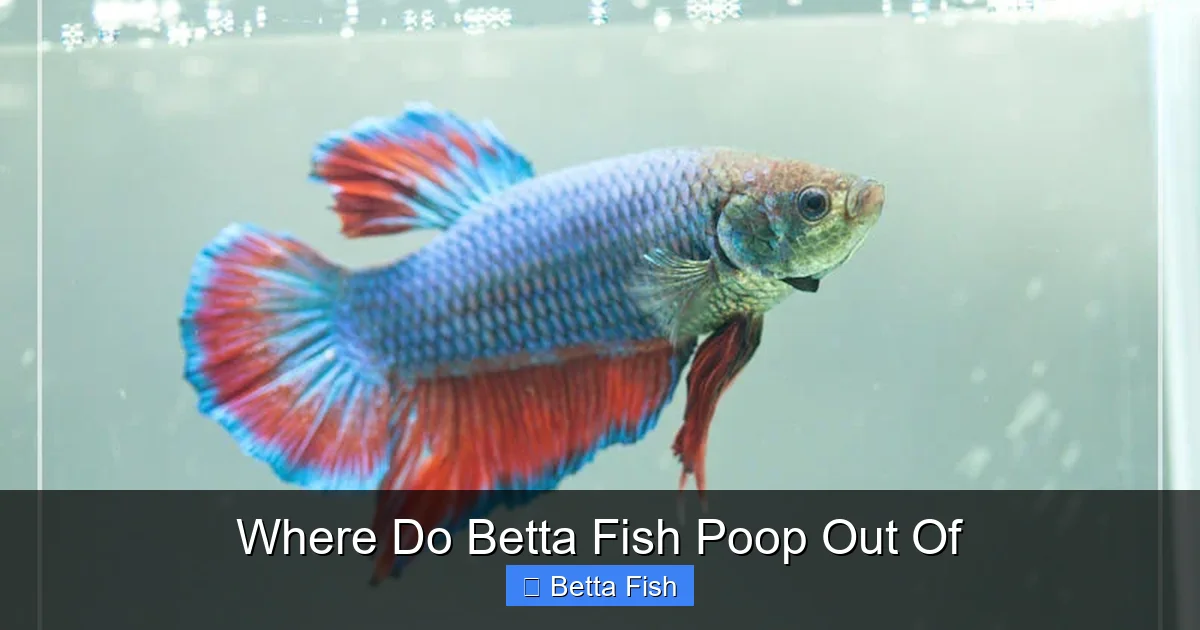
Visual guide about Where Do Betta Fish Poop Out Of
Image source: smartaquariumguide.com
The Solid: Feces (The “Food Poop”)
This is what most people instinctively call “poop.” It comes from the digestive breakdown of your betta’s food—pellets, brine shrimp, daphnia, etc.
- Normal Color & Consistency: Healthy betta feces are typically a dark brown, olive green, or sometimes a tan color, depending on their recent diet (e.g., feeding bloodworms can make it reddish). It should be relatively small, about the size of the betta’s eye or slightly longer, and formed into a coherent strand or pellet. It shouldn’t be crumbly or powdery.
- Frequency: A healthy betta on a proper diet will usually produce a small amount of solid waste 1-2 times per day, often shortly after a feeding. Missing a day occasionally isn’t a crisis, but consistent lack of output can indicate constipation or appetite loss.
The Stringy: Uric Acid (The “Fish Pee”)
This is the less familiar but equally important part. As mentioned, fish excrete nitrogenous waste as uric acid to save water. In bettas, it often appears as a longer, thinner, whitish or translucent string that may be intertwined with the solid feces or floating separately.
- Normal Appearance: It’s usually a thin, semi-clear or milky white strand. It can be slightly longer than the solid feces and may have a more jelly-like texture. It’s perfectly normal to see this.
- Why It’s White: The white color comes from the concentrated uric acid crystals. It’s not mucus (though excess mucus can also be white and stringy—more on that later).
Key Insight: When you see your betta “poop,” you are most likely witnessing the simultaneous or sequential expulsion of both these components through the cloaca. The combination of a dark, formed piece with a trailing white string is the classic, healthy betta waste signature.
A Picture of Health: Recognizing Normal vs. Abnormal Betta Poop
This is where your detective work begins. Your betta’s waste is a direct, real-time report card on its digestive and internal health. Learning the baseline for your individual fish is crucial, as “normal” can have slight variations. Here’s your visual guide.
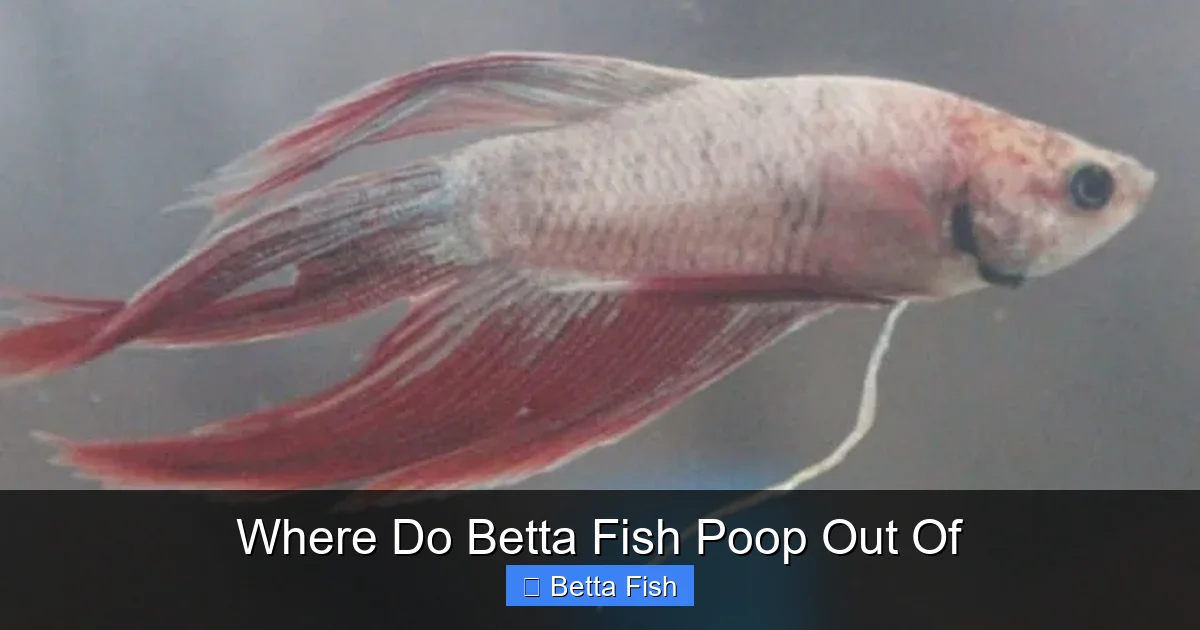
Visual guide about Where Do Betta Fish Poop Out Of
Image source: memfish.net
The Gold Standard: What Healthy Betta Poop Looks Like
For a vibrant, healthy betta, you should typically observe:
- Color: Medium to dark brown, olive green, or tan. It should be a consistent color throughout the strand.
- Shape & Form: A short, thickish, and well-formed strand or a small, compact pellet. It holds its shape in the water rather than instantly dissolving or turning to dust.
- Attachment: It may float briefly before sinking or be immediately negatively buoyant (sinks). It should not be constantly floating to the top.
- Quantity: Small, pea-sized or smaller amounts per defecation event. Overfeeding will lead to excessive, longer poops.
- The Accompanying Uric Acid: A single, thin, white or clear string trailing behind or mixed in.
Red Flags: When Poop Signals a Problem
Deviations from the norm are your first warning signs. Here are the common abnormal types and what they often mean:
- Long, Thick, White Strings (Constipation): This is the most common issue. The feces become extremely long, thick, and purely white or cream-colored. This is almost always due to overfeeding, feeding low-fiber foods (like too many freeze-dried or frozen foods without roughage), or dehydration. The digestive tract is packed and struggling to move waste through. The betta may also appear lethargic and bloated.
- Pale, Translucent, or Jelly-Like Poop: If the waste lacks color and looks almost clear or pale yellow, it can indicate the betta is not digesting its food properly. This can be due to a poor-quality diet, internal parasites (like hexamita or spironucleus), or a bacterial infection affecting the gut.
- Stringy, Mucus-Covered Poop: Waste that is coated in a thick, white, slimy coating of mucus is a major red flag. The intestines are irritated, often from severe internal parasites, bacterial infections (like columnaris), or chronic stress. The betta may also show signs like clamped fins or scratching.
- Bloody Streaks or Red Poop: Any visible red in the waste is a serious symptom. It indicates internal bleeding, which could be caused by severe internal parasites, advanced bacterial infections, or physical trauma to the digestive tract.
- No Poop at All (for several days): While a day or two without waste isn’t always an emergency, a complete stop for 3-4 days in a normally eating betta is concerning. It points to severe constipation (impaction), a complete loss of appetite due to illness (like dropsy or swim bladder disease), or a blockage.
- Excessive, Watery, Cloudy Poop: Large amounts of very loose, cloudy, or disintegrated waste often point to poor water quality (high ammonia/nitrite) causing internal stress or a bacterial bloom in the gut from an infection.
The Culprits: Diet and Water Quality’s Direct Impact
You are what you eat, and for bettas, what you eat is directly reflected in what comes out. Two pillars of betta care—diet and water quality—are inextricably linked to the health of their waste.
Feeding for Healthy Excretion
Bettas are carnivores with short digestive tracts. Their diet in the wild consists mostly of insects and larvae. Replicating this is key.
- Overfeeding is Public Enemy #1: This is the number one cause of constipation and long, stringy white poop. A betta’s stomach is roughly the size of its eye. Feed only 2-3 high-quality pellets or a small pinch of frozen food once or twice a day. Any uneaten food must be removed immediately.
- The Fiber Factor: A diet of *only* pellets or frozen foods (bloodworms, brine shrimp) lacks fiber. This leads to sluggish digestion. The solution? Feed a peeled, microwaved or boiled green pea (cut in half) once a week. The pea acts as a natural laxative and provides essential roughage. It’s a miracle cure for mild constipation.
- Quality Over Quantity: Use a high-protein, betta-specific pellet as the staple. Supplement occasionally with high-quality frozen or freeze-dried foods (daphnia, brine shrimp, bloodworms). Avoid feeding mammalian foods (beef heart, etc.) as they contain fats and proteins bettas cannot digest well, leading to fatty deposits and digestive issues.
- Soaking Pellets: Some betta owners soak dry pellets in tank water for a few minutes before feeding. This can help prevent them from expanding in the betta’s stomach, which can contribute to bloating and constipation.
Water Quality: The Invisible Driver
Poor water quality doesn’t just stress your betta externally; it wreaks havoc internally.
- The Ammonia Connection: Fish waste (poop and uric acid) immediately begins to break down into toxic ammonia. In a cycled, filtered tank, beneficial bacteria convert this to nitrite and then less toxic nitrate. If the tank is uncycled, overstocked, or under-filtered, ammonia burns the betta’s gills and irritates its entire system, including the digestive tract. This stress and irritation can lead to increased mucus production (stringy, slimy poop) and make the betta susceptible to infections.
- Stress Hormones: Chronic stress from poor parameters (high ammonia, nitrite, or fluctuating pH/temperature) suppresses the immune system. A stressed betta has a compromised gut, leading to poor digestion and abnormal waste.
- Water Changes are Medicine: Regular, partial water changes (25-50% weekly) dilute nitrates and remove dissolved wastes that contribute to overall stress. Clean water supports a healthy gut biome and efficient digestion.
- Tools: Use a gravel vacuum/siphon with a narrow nozzle or a long tweezers/tongs designed for aquariums.
- Technique: Gently hover the siphon nozzle just above the substrate where the poop is resting. The water current will often suck the lightweight waste into the tube without disturbing the gravel too much. With tweezers, simply grasp and remove.
- Why It Matters: This prevents the waste from fully decomposing and spiking ammonia levels between your regular maintenance sessions. It also keeps your tank looking pristine.
- How It Works: You insert the siphon into the gravel and stir it gently. The vacuum pulls out the debris, fish waste, and uneaten food that has settled into the substrate, while the gravel itself stays in the tank (if you use the “stir and siphon” method correctly).
- What You’re Removing: You are literally sucking out the built-up detritus—the “mulm”—which contains decades of fish poop. This mulm is a massive reservoir of ammonia-producing organic matter.
- Process: During your weekly water change, use the vacuum to clean 100% of the substrate surface. Don’t just do the top layer; push the vacuum down into the gravel to get the waste that has settled deeper.
- Never use tap water: Chlorine and chloramine in tap water will kill the beneficial bacteria. Always rinse filter media (sponges, ceramic rings, bio-balls) in the bucket of old tank water you just removed during your water change.
- Stagger Media Cleaning: Don’t clean all your filter media at once. Clean half of it one week, the other half the next week. This ensures a stable bacterial population.
- Sponges: Squeeze and rinse mechanical filter sponges thoroughly in old tank water until the water runs clear. They trap solid particles, including poop, and need regular cleaning to maintain flow.
The Cleanup Crew: Tank Maintenance for Waste Management
Knowing where betta fish poop out of is useless if you don’t have a plan to deal with it. Waste management is not optional; it’s a fundamental part of fish husbandry. Poop left to decay in the tank becomes ammonia, the primary killer of fish in new and neglected aquariums.
Immediate Action: Spot Cleaning
You should remove visible waste as soon as you see it. Don’t let it sit.
Weekly Ritual: The Gravel Vacuum
This is non-negotiable. A gravel vacuum is your best friend.
Filter Care: A Balanced Approach
Your filter is home to the beneficial bacteria that process waste. You must clean it, but you must not destroy the bacteria colony.
When to Worry: Health Implications of Abnormal Poop
As emphasized, abnormal poop is a symptom, not a disease itself. It’s your betta’s way of screaming that something is wrong internally. Here’s how to connect the dots.
Constipation & Impaction
Symptom: Long, thick, white strings. Betta may be bloated, lethargic, and have trouble swimming (swim bladder issues are often linked).
Cause: Overfeeding, lack of fiber, dehydration.
Action: Fast the betta for 2-3 days. On day 3, offer a small piece of peeled, cooked pea. If no improvement, you may need an Epsom salt bath (1 tsp per gallon for 10-15 minutes) to relieve swelling and relax muscles. For severe impaction, a vet may need to gently flush the tract.
Internal Parasites (Hexamita/Spironucleus)
Symptom: Very pale, translucent, or yellowish-white stringy poop, often with mucus. Betta may be emaciated (thin body, large head), lethargic, and have clamped fins.
Cause: Parasites infect the intestinal lining, preventing nutrient absorption.
Action: This requires medication. A vet can prescribe antiparasitics like metronidazole or ronidazole. Over-the-counter fish antibiotics are often ineffective against these specific parasites.
Bacterial Infections (e.g., Columnaris, Aeromonas)
Symptom: Mucus-covered, white or yellowish strings. May be accompanied by frayed fins, white spots/patches on body, ulcers, or lethargy.
Cause: Opportunistic bacteria take hold when the betta is stressed or injured.
Action: Improve water quality immediately. A vet may prescribe antibiotics like kanamycin or erythromycin. Never use human antibiotics. Salt baths (aquarium salt, 1 tbsp per 5 gallons) can help as a supportive treatment.
Swim Bladder Disorder
Symptom: While not directly a poop issue, constipation is a leading cause of swim bladder problems. Look for difficulty maintaining depth, swimming upside down, or floating/sinking uncontrollably. The poop will be constipated (long, white strings).
Cause: Pressure from a full, constipated intestine on the swim bladder.
Action: Treat the constipation first (fasting, pea). If the swim bladder issue persists after digestion is cleared, it could be a genetic defect or permanent damage from a bacterial infection.
The Final Word: Making Waste Monitoring a Habit
So, where do betta fish poop out of? The definitive, scientific answer is the cloaca. But the real, practical answer for every betta owner is this: they poop out a story. Every strand of waste is a sentence in the ongoing narrative of your fish’s health. A dark, formed pellet with a trailing white thread tells a story of a well-fed, stress-free fish in clean water. A long, thick, white string tells a story of too many pellets and not enough fiber. A pale, slimy strand tells a story of internal invasion by parasites or bacteria.
Your role as a caretaker is to become a fluent reader of these stories. Make it a habit to glance at your betta’s tank daily, not just to admire its colors, but to scan the substrate and water column. Notice what’s there. Note any changes from the baseline you’ve established. Pair this observation with diligent tank maintenance—immediate spot cleaning, weekly gravel vacuums, and consistent water quality. By connecting the anatomical reality of the cloaca with the practical art of waste interpretation, you move from simply owning a betta to truly understanding and advocating for its health. You are the front-line detector for issues that, if caught early through a simple glance at the bottom of the tank, can mean the difference between a quick dietary adjustment and a life-threatening illness. The next time you see that little string drifting by, don’t just think “gross.” Think “information.” And then, grab your siphon and get to work.
Frequently Asked Questions
Why does my betta’s poop look like a long, thick white string?
This is almost always a sign of constipation, typically caused by overfeeding or a diet lacking in fiber. Fast your betta for 2-3 days, then offer a small piece of peeled, cooked green pea. This usually resolves the issue within a day or two.
How often should a healthy betta fish poop?
A healthy betta on a proper diet will typically produce a small amount of waste 1-2 times per day, usually shortly after feeding. However, frequency can vary slightly between individual fish. Consistency in the appearance of the waste is more important than the exact number of daily poops.
What color should my betta’s poop be?
Healthy betta poop is usually a medium to dark brown, olive green, or tan color, depending on its recent diet (e.g., bloodworms can lend a reddish tint). It should be a consistent, solid color throughout the strand. Pale, yellow, clear, or red-tinged waste are all signs of potential health problems.
How do I properly clean betta poop from my tank?
Remove visible waste immediately with a gravel vacuum or long tweezers during your daily observation. During your weekly water change, use the gravel vacuum to thoroughly clean all substrate, stirring it gently to suck out the built-up detritus (mulm) that contains decomposed waste. Never rely solely on the filter to handle solid waste.
Can betta poop get stuck on them?
Yes, it’s common to see a small piece of waste stuck to the betta’s side or tail, especially right after defecating. They usually swim it off. If it persists, you can gently net the fish and use a clean pipette or cup of tank water to rinse it off. Persistent sticking could indicate very slimy, mucus-coated waste from an internal issue.
Is too much poop a sign of overfeeding?
Absolutely. Excessive amounts of waste, especially long, thick strands, are the most direct sign you are feeding too much. A betta’s stomach is only about the size of its eye. Feed only 2-3 high-quality pellets or a small pinch of frozen food once or twice daily, and remove all uneaten food within a few minutes.


