What Temperatures Do Betta Fish Like
Betta fish thrive in warm, stable water, typically between 76°F and 82°F (24°C‑28°C). Maintaining this range with a reliable heater and regular monitoring ensures vibrant colors, active behavior, and long‑term health. Learn the science behind the perfect temperature, how to choose the right equipment, and simple tricks to keep your betta comfortable all year round.
Key Takeaways
- Optimal range: Betta fish feel best in 76‑82°F (24‑28°C) water.
- Consistency matters: Sudden swings stress bettas and can cause disease.
- Heater selection: Choose a submersible heater with adjustable thermostat for precision.
- Thermometer placement: Keep it away from direct heater flow for accurate readings.
- Seasonal adjustments: Slightly raise temperature in winter if room temps drop.
- Backup plan: Use a battery‑operated heater or insulated cover for power outages.
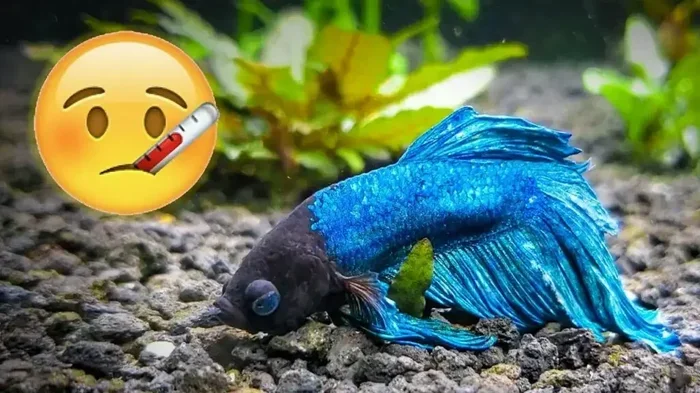
- Signs of wrong temperature: Lethargy, loss of color, rapid breathing indicate it’s too cold or hot.
📑 Table of Contents
- Introduction: Why Temperature Is the Heartbeat of Betta Care
- 1. The Science Behind Betta Temperature Preferences
- 2. Defining the Ideal Temperature Range
- 3. Choosing the Right Heater: Tools for Consistency
- 4. Monitoring Temperature: Staying Informed
- 5. Seasonal Strategies: Keeping the Heat Year‑Round
- 6. Recognizing Temperature‑Related Stress Signs
- Conclusion: Your Betta’s Comfort Is In Your Hands
Introduction: Why Temperature Is the Heartbeat of Betta Care
Imagine walking into a cozy room that’s just the right temperature for you. You’d feel relaxed, energetic, and ready to enjoy the day. Betta fish feel the same way about their water. The temperature of their environment isn’t just a number on a thermostat—it’s the key to their color, activity level, and overall health.
Many new betta owners ask, “what temperatures do betta fish like?” The answer is simple, yet it opens a world of tiny details that can make the difference between a thriving, flamboyant fish and a sick, dull one. In this guide we’ll break down the science, share practical tips, and give you a step‑by‑step plan to keep your betta swimming in comfort.
1. The Science Behind Betta Temperature Preferences
1.1 Natural Habitat and Evolution
Betta splendens originate from the warm, shallow waters of Southeast Asia—think rice paddies, slow‑moving streams, and stagnant pools in Thailand, Cambodia, and Vietnam. Those habitats rarely dip below 75°F (24°C) and can climb into the low 80s during the day. Over thousands of years, bettas evolved to thrive in that warm niche, developing metabolism, immune function, and breeding cycles that match those temperatures.

Visual guide about What Temperatures Do Betta Fish Like
Image source: japanesefightingfish.org
1.2 Metabolic Rate and Enzyme Activity
Fish are ectothermic, meaning their body temperature matches the water. In warmer water, enzymes work faster, digestion speeds up, and the fish is more active. If the water gets too cold, metabolism slows, the betta becomes lethargic, and its immune system weakens. This is why a stable range of 76‑82°F (24‑28°C) is considered optimal—it keeps metabolic processes humming without overtaxing the fish.
1.3 Color Vibrancy and Hormonal Triggers
Betta coloration is directly linked to temperature. Warmer water encourages the production of pigments called carotenoids, giving those brilliant reds, blues, and greens. Cooler water can cause colors to fade, making the fish look dull. Maintaining the right temperature not only keeps your betta healthy but also showcases its natural beauty.
2. Defining the Ideal Temperature Range
2.1 The Goldilocks Zone: 76‑82°F (24‑28°C)
Most experts agree that the sweet spot for bettas lies between 76°F and 82°F. Within this window:

Visual guide about What Temperatures Do Betta Fish Like
Image source: japanesefightingfish.org
- Immune function is at its peak.
- Growth and fin development are optimal.
- Breeding behavior is most likely to occur.
- Color intensity is maximized.
Going below 74°F (23°C) can lead to sluggishness and increased susceptibility to Ich and velvet disease. Above 84°F (29°C), the fish’s oxygen demand spikes, and stress hormones rise, which can shorten lifespan.
2.2 Slight Adjustments for Different Scenarios
While 76‑82°F is the baseline, you might fine‑tune the temperature based on:
- Age: Juvenile bettas grow faster in slightly warmer water (78‑80°F).
- Activity Level: Very active males sometimes enjoy the upper end (80‑82°F).
- Room Conditions: If your home is consistently cool, aim for the middle of the range (78°F).
3. Choosing the Right Heater: Tools for Consistency
3.1 Submersible vs. Hang‑On Heaters
Submersible heaters sit inside the water and provide even heat distribution. They’re the most popular choice for betta tanks because they’re compact and less likely to cause hot spots. Hang‑on heaters attach to the outside of the tank and can be useful for larger setups, but they’re overkill for a typical 2‑5‑gallon betta bowl.
Visual guide about What Temperatures Do Betta Fish Like
Image source: japanesefightingfish.org
3.2 Key Features to Look For
- Adjustable thermostat: Allows precise setting (e.g., 78°F).
- Built‑in safety shut‑off: Prevents overheating if the heater fails.
- Wattage appropriate for tank size: Generally 25‑50 W for a 2‑5‑gallon tank.
- Clear temperature dial: Easy to read and adjust.
3.3 Installation Tips
1. Rinse the heater with dechlorinated water before plugging it in.
2. Place it near the middle of the tank, not directly against the glass.
3. Allow the heater to submerge fully before turning it on.
4. Give the heater 24‑48 hours to stabilize before adding your betta.
4. Monitoring Temperature: Staying Informed
4.1 Thermometer Types
Digital stick‑on thermometers are quick and accurate, but they can be affected by surface temperature. Glass or acrylic strip thermometers sit inside the water and give a true reading of the environment your betta experiences. For best results, use both—a digital for quick checks and a strip for continuous monitoring.
4.2 Placement Matters
Put the thermometer away from the heater’s direct flow to avoid false highs. A spot near the middle of the tank, at the water line, gives a reliable reading. Check the thermometer at least twice daily for the first week, then once daily once the temperature stabilizes.
4.3 Dealing with Fluctuations
If you notice a swing of more than 2°F (1°C) in a 24‑hour period, investigate:
- Is the heater on a drafty window?
- Does the room temperature change dramatically (e.g., heating turned off)?
- Is the heater’s thermostat set correctly?
Adjust the heater or move the tank to a more temperature‑stable location. Adding an insulated tank cover can also buffer against room temperature shifts.
5. Seasonal Strategies: Keeping the Heat Year‑Round
5.1 Winter Warm‑Up
Cold months are the biggest challenge. Even a well‑insulated room can drop below the ideal range. Tips:
- Place the tank on a table away from exterior walls.
- Use a small aquarium blanket or a foam cover to trap heat.
- Consider a thermostat‑controlled plug‑in heater for the room.
5.2 Summer Cool‑Down
While bettas love warmth, excessively hot rooms (above 85°F) can overheat the tank. Countermeasures include:
- Positioning the tank near a fan (never direct airflow on the fish).
- Using a small, aquarium‑rated chiller or a DIY ice‑pack system for extreme heat.
- Ensuring the room is well‑ventilated.
5.3 Power Outage Preparedness
A sudden loss of power can cause the heater to shut off, dropping temperature quickly. Prepare by:
- Keeping a battery‑operated backup heater on hand.
- Having a thermal blanket ready to wrap the tank.
- Checking the temperature as soon as power is restored and adjusting gradually.
6. Recognizing Temperature‑Related Stress Signs
6.1 Behavioral Indicators
A happy betta swims near the surface, flares its fins, and explores the tank. When temperature is off, you may see:
- Lethargy or lying flat on the bottom.
- Rapid gill movement (gasping) indicating low oxygen from high temperature.
- Loss of color or faded fins.
6.2 Physical Symptoms
Look for:
- White spots (Ich) – often triggered by cold shock.
- Red streaks or inflamed fins – can be a sign of bacterial infection from stress.
- Excessive mucus – the fish’s protective slime coat reacts to unfavorable conditions.
6.3 Quick Action Plan
If you spot any of these signs, check the temperature immediately. Adjust the heater up or down by 1‑2°F, give the fish a few hours to respond, and monitor for improvement. If symptoms persist, consider a water change and consult a veterinarian.
Conclusion: Your Betta’s Comfort Is In Your Hands
Understanding what temperatures do betta fish like is the cornerstone of responsible betta ownership. By maintaining a stable 76‑82°F (24‑28°C) environment, using a reliable heater, and staying vigilant with monitoring, you give your fish the best chance to display its dazzling colors and lively personality.
Remember, consistency beats perfection. Small daily checks, a well‑chosen heater, and a few seasonal tweaks are all you need to create a happy home for your betta. Treat the temperature like a daily conversation—ask, “Is it just right?” and adjust accordingly. Your betta will thank you with bright fins, playful swims, and a lifespan that can exceed five years.
Frequently Asked Questions
What is the exact temperature range betta fish need?
Betta fish thrive best between 76°F and 82°F (24°C‑28°C). Staying within this range supports healthy metabolism, vibrant colors, and strong immunity.
Can I keep a betta without a heater?
In a warm climate where room temperature never drops below 75°F, a heater may not be necessary. However, most indoor environments fluctuate, so a small submersible heater is recommended for consistency.
How often should I check my betta’s water temperature?
Check twice daily for the first week after setting up the tank, then once a day once the temperature stabilizes. During seasonal changes or power outages, increase the frequency.
What signs show my betta is too cold?
Signs of cold stress include lethargy, loss of color, pale fins, and slower breathing. The fish may also stay near the bottom and appear less interested in food.
Is it safe to raise the temperature above 84°F?
Temperatures above 84°F (29°C) can stress bettas, increase oxygen demand, and shorten lifespan. It’s best to keep the water below this threshold.
What should I do during a power outage?
Use a battery‑operated backup heater or wrap the tank in a thermal blanket to retain heat. Check the temperature as soon as power returns and adjust the heater gradually.