How Much Feed Betta Fish Per Day For Best Health
Finding the right amount of food for your betta is crucial for its long-term wellness. You should generally offer two to three small pellets twice daily to maintain optimal condition. This guide explains how much feed betta fish safely while avoiding common pitfalls like bloating or water pollution.
Keeping a betta fish happy starts with good nutrition. Many new owners worry about the right amount to give. You might ask yourself how much feed betta fish each day without causing harm. The answer is simpler than you think. Your fish needs small, frequent meals rather than one huge portion. This approach mimics natural eating habits in the wild.
Overfeeding is a common mistake that leads to serious health problems. Excess food decays in the water and spikes ammonia levels. Your betta may also develop bloating or swim bladder issues. On the other hand, underfeeding can cause weakness and dull colors. Striking the right balance keeps your pet active and vibrant. We will walk through every detail you need to know.
Key Takeaways
- Portion Control: Feed only what your betta can eat in two minutes, usually two to three pellets per meal.
- Frequency Matters: Most adult bettas thrive on two meals per day rather than one large feeding.
- Watch for Signs: A swollen belly or lethargy often indicates you are giving too much food.
- Variety Helps: Rotate between pellets, frozen treats, and occasional live foods for balanced nutrition.
- Skip Days: Giving your fish a fasting day each week aids digestion and keeps the tank clean.
- Water Quality: Uneaten food decays quickly, so remove leftovers to protect your filter and fish.
- Age Adjustments: Fry and young bettas need more frequent feedings than fully grown adults.
📑 Table of Contents
Understanding How Much Feed Betta Fish Daily
The core question many keepers ask is how much feed betta fish on a regular basis. A good rule of thumb is to offer only what your fish can consume in about two minutes. For most adult bettas, this translates to two or three high-quality pellets per meal. You can split this into two separate feedings each day. Morning and evening works well for most schedules.
Portion size depends on the brand and pellet density. Some foods expand significantly in water. Others stay small and sink slowly. Always observe your fish during feeding time. If food remains floating after two minutes, remove it with a net or siphon. Leftover bits will break down and harm your tank ecosystem.
Signs You Are Giving Too Much Food
Your betta will show clear warning signs when portions are too large. Watch for these common indicators:
- Swollen belly: A rounded or bulging stomach suggests excess intake.
- Lethargy: Your fish may rest on the bottom more often than usual.
- Cloudy water: Uneaten food releases waste that clouds the tank quickly.
- Unusual feces: Long, stringy waste can point to digestive strain.
If you notice these symptoms, reduce portions immediately. You might also skip one feeding day to let the digestive system rest. Most bettas recover quickly once the diet adjusts.
Adjusting Portions for Different Life Stages
Young bettas and fry have different needs than adults. Fry require frequent, tiny meals throughout the day. They grow fast and need constant energy. You can offer infusoria, baby brine shrimp, or finely crushed flakes. As they mature, gradually shift to standard pellets.
Adult bettas maintain weight more easily. Their metabolism slows slightly compared to juveniles. You can stick to two meals daily with small portions. Older fish may need even less if activity drops. Always tailor the amount to your individual fish rather than following a rigid rule.
Best Feeding Frequency for Optimal Health
Frequency matters just as much as portion size. Many owners wonder if one large meal works better than several small ones. The truth is that bettas handle small, regular feedings much better. Their stomachs are roughly the size of their eye. Large meals stretch the digestive tract and cause discomfort.
A steady routine also helps your fish feel secure. They learn to expect food at certain times. This reduces stress and encourages natural behavior. You can feed once in the morning and once in the evening. Keep the gap between meals around twelve hours. This pattern supports steady energy without overloading the system.
Should You Feed Every Day or Skip Days?
Daily feeding works fine for most healthy adults. However, adding one fasting day per week offers real benefits. A short break helps digestion and prevents constipation. It also gives your filter a rest from extra waste. You can choose any day that fits your schedule. Just stay consistent so your fish adapts easily.
Fry and growing juveniles should not fast. They need steady nutrition for proper development. Stick to daily feedings for younger fish. Adults can safely handle the occasional break without losing condition.
Choosing the Right Food Types and Portions
Not all foods carry the same caloric density. Pellets, flakes, frozen treats, and live options each behave differently in the tank. You must adjust portions based on what you offer. Dense pellets require fewer pieces than lightweight flakes. Frozen foods often contain more moisture and need smaller servings.
A varied diet supports better color, energy, and immunity. Rotate your choices instead of relying on one product. This also keeps your betta interested during feeding time. Below is a simple comparison to guide your choices.
Comparison of Common Betta Food Options
Understanding portion differences helps you decide how much feed betta fish when switching foods. The table below shows general guidelines for common options.
| Food Type | Typical Portion per Meal | Feeding Frequency | Notes |
|---|---|---|---|
| High-quality pellets | 2 to 3 small pellets | Twice daily | Easy to measure, low waste |
| Flake food | Small pinch, crushed if large | Twice daily | May cloud water if overused |
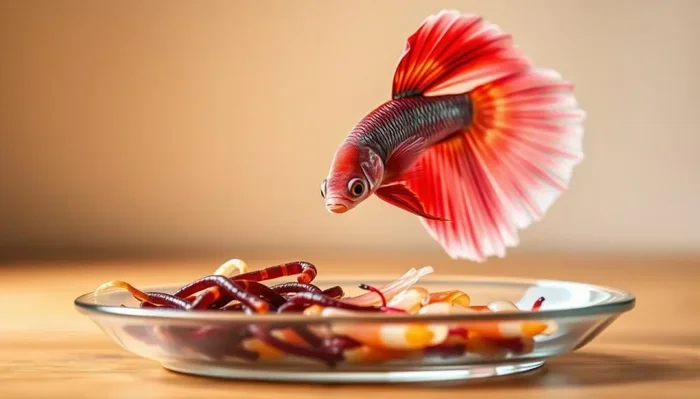
| Frozen bloodworms | One small thawed portion | 2 to 3 times weekly | Great treat, not a staple |
| Frozen brine shrimp | Small pinch after thawing | 2 to 3 times weekly | Adds variety and protein |
| Live foods (worms, shrimp) | Small amount, monitor closely | Occasional treat | Stimulates hunting behavior |
Using Treats Without Overdoing It
Treats add excitement and extra nutrients. They should never replace your main staple food. Offer treats only a few times each week. Keep portions tiny to avoid digestive upset. Frozen options work well because you can control the amount after thawing.
Some keepers ask about vegetables or plant-based foods. Bettas are primarily carnivorous, so meat-based options suit them best. You can read more about safe produce choices in our guide on Can You Feed Your Betta Fish Peas. That article explains when and how to offer gentle fiber sources.
Preventing Overfeeding and Water Problems
Overfeeding creates a chain reaction in your tank. Extra food sinks into the substrate and decays. Bacteria break it down and release harmful compounds. Ammonia and nitrite can rise quickly in smaller setups. Your filter works harder, and water quality drops. This stresses your betta and invites disease.
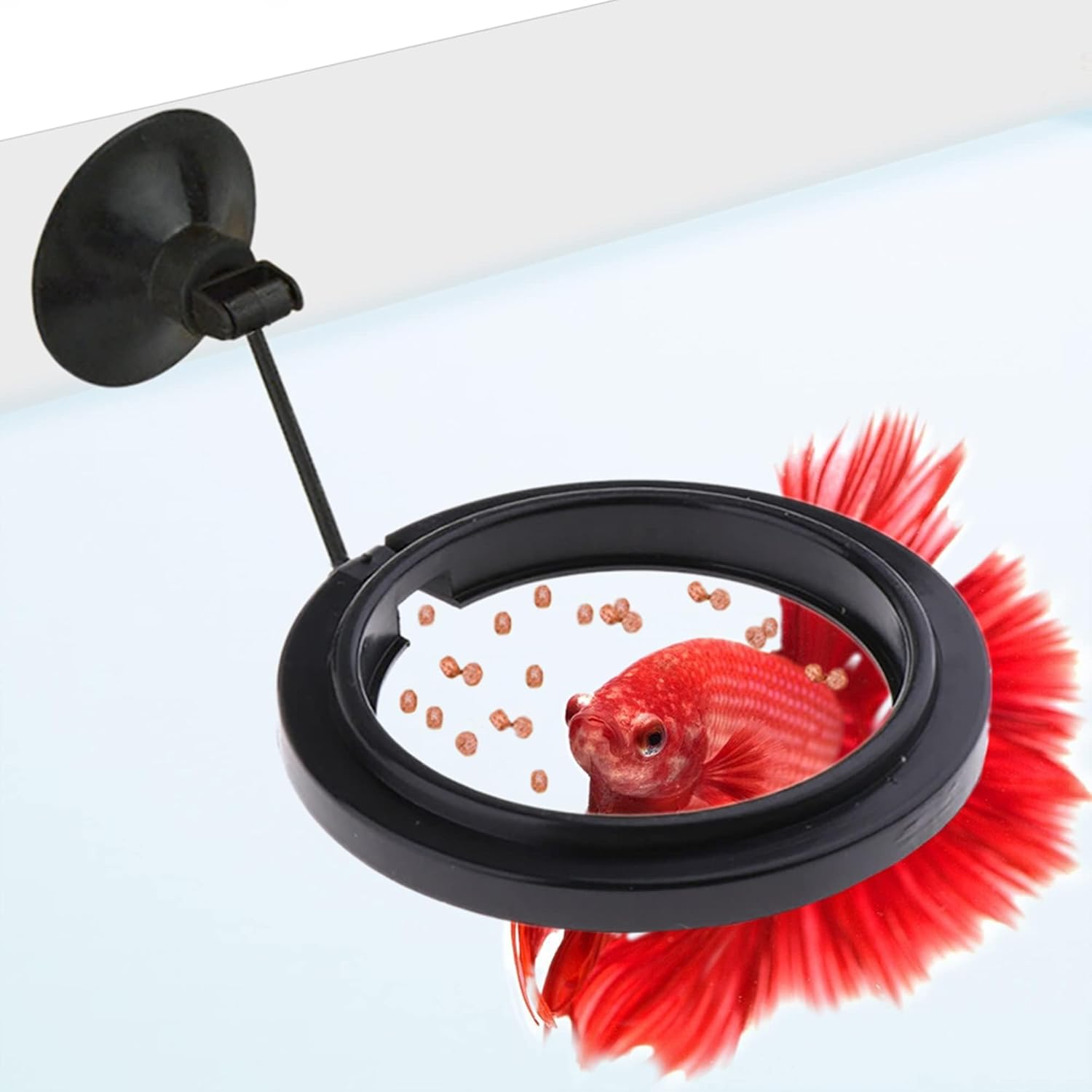
Preventing this problem starts with disciplined portion control. Measure food before it hits the water. Never pour directly from the container. Use a small dish or tweezers for accuracy. Remove leftovers promptly after each session. These simple habits protect both your fish and your tank.
Quick Tips for Clean Feeding
- Pre-measure portions: Use a separate small dish to count pellets.
- Feed slowly: Drop food in one piece at a time to reduce scattering.
- Watch the clock: Stop after two minutes and remove remnants.
- Vacuum the substrate: Light gravel cleaning removes hidden waste.
- Track your routine: A simple feeding log helps you stay consistent.
Common Mistakes to Avoid
Even experienced keepers sometimes slip into bad habits. Avoid these frequent errors:
- Feeding by guesswork: Eyeballing portions often leads to excess.
- Ignoring pellet expansion: Some foods swell in water and appear larger.
- Adding food after a missed meal: Doubling up causes more harm than good.
- Using low-quality fillers: Poor foods require larger portions for the same nutrition.
- Skipping water changes: Regular maintenance removes dissolved waste from excess feeding.
Monitoring Health and Adjusting Your Routine
Your betta communicates its needs through behavior and appearance. Regular observation helps you fine-tune portions. A healthy fish shows bright colors, active swimming, and a steady appetite. Changes in these signs often point to diet or environment issues.
Weighing your fish is not practical for most home setups. Instead, rely on visual cues and routine checks. Look at body shape, energy levels, and waste production. Adjust slowly rather than making sudden changes. Small tweaks keep your fish comfortable while you find the right balance.
Expert Insights on Portion Control
Experienced keepers often emphasize consistency over complexity. A simple routine with measured portions works better than frequent experiments. You can also learn more about safe feeding amounts in our article on Can You Feed A Betta Fish Too Much. That resource breaks down warning signs and safe limits in detail.
Another helpful topic is hand feeding, which can strengthen trust and make portion control easier. Check out Can You Hand Feed Betta Fish for practical techniques. Hand feeding lets you see exactly how much your fish takes in each session.
When to Change the Amount
Several situations call for adjusted portions. Use this quick checklist:
- New tank setup: Start with smaller portions until water stabilizes.
- Temperature shifts: Cooler water slows metabolism and reduces appetite.
- Illness or recovery: Offer gentle, easy-to-digest food in smaller amounts.
- Breeding season: Adults may need slightly more energy during spawning.
- Age changes: Older fish often require less food than active juveniles.
Frequently Asked Questions
How many pellets should I give my betta per meal?
Most adult bettas do well with two to three small pellets per feeding. Watch how quickly your fish eats and remove leftovers after two minutes. Adjust slightly based on pellet size and your fish body shape.
Can I feed my betta once a day instead of twice?
Once a day can work, but two smaller meals usually support better digestion. Splitting the daily amount reduces bloating risk and keeps energy steadier. If you choose once daily, keep the portion modest and consistent.
What happens if I accidentally overfeed my betta?
Your fish may develop a swollen belly, produce stringy waste, or become less active. Excess food also degrades water quality faster. Reduce portions the next day, remove uneaten food, and consider a short fasting day to help digestion.
Do bettas need a fasting day each week?
A weekly fasting day helps many adults digest food fully and prevents constipation. It also reduces waste buildup in the tank. Younger fish and fry should not fast because they need steady nutrition for growth.
Is it okay to feed bettas bread or human snacks?
Bread and most human foods are not suitable for bettas. They lack proper nutrients and can cause digestive problems or water pollution. Stick to species-appropriate pellets, frozen treats, and occasional live foods for best results. You can read more in our guide on Can You Feed Your Betta Fish Human Food.
How can I tell if my betta is hungry or just begging?
Bettas often swim to the surface when they see movement, even if they are not truly hungry. True hunger shows as steady interest in food and normal energy levels. If your fish maintains weight and activity, you are likely feeding the right amount.