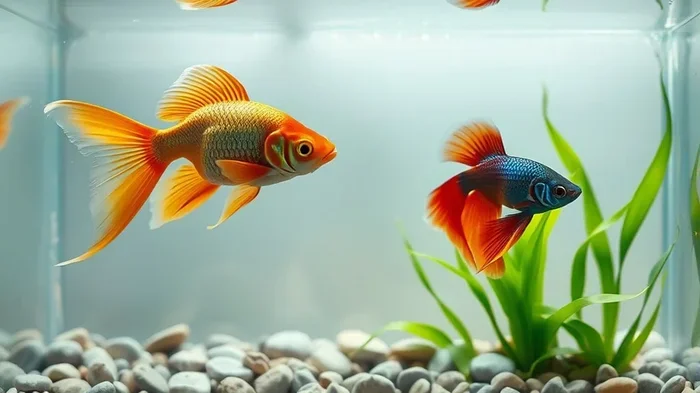
Where Do Betta Fish Come From
Betta fish, the vibrant jewels of the aquarium world, trace their lineage to the shallow, tropical waters of Southeast Asia. Native to countries like Thailand, Cambodia, and Vietnam, wild bettas are built for survival in challenging environments. For centuries, they were selectively bred in their native lands for aggressive fighting, not beauty. The spectacular colors and flowing fins we adore today are a relatively recent development, born from meticulous global breeding efforts. Understanding their natural history is key to providing proper care and appreciating these remarkable fish.
Key Takeaways
- Wild Origins: Betta fish are native to the tropical freshwater ecosystems of Southeast Asia, primarily Thailand, Cambodia, Vietnam, and parts of Malaysia and Indonesia.
- Natural Habitat: In the wild, they inhabit shallow, slow-moving waters like rice paddies, floodplains, and ditches, often with low oxygen levels and dense vegetation.
- Fighting Heritage: The species name *Betta splendens* means “fighting fish.” They were historically bred for aggression in organized fights, a practice that shaped their early domestication.
- Beauty is Modern: The brilliant colors and long, flowing fins (like Halfmoons) seen in pet stores are the result of less than 100 years of intensive selective breeding in the West.
- Two Types Exist: There is a clear distinction between the short-finned, aggressive “Plakat” type (closer to wild form) and the long-finned ornamental varieties bred for display.
- Conservation Concern: Wild betta populations face threats from habitat loss, pollution, and hybridization with escaped captive fish, making their natural origins ecologically significant.
- Care Connection: Knowing their origins explains why bettas need warm water, surface access for breathing (they are labyrinth fish), and why they can be territorial.
📑 Table of Contents
- The Rain-Fed Rivers and Rice Paddies of Southeast Asia
- A History Written in Fins: Ancient Domestication for Combat
- The Western Discovery and the Birth of the Ornamental Betta
- From Thailand to Your Tank: The Global Supply Chain
- Wild vs. Captive: What the Origin Story Teaches Us About Care
- Conservation: The Wild Betta’s Uncertain Future
- Conclusion: A Fish Steeped in Story
The Rain-Fed Rivers and Rice Paddies of Southeast Asia
To truly understand the betta fish swimming gracefully in your desktop aquarium, you must first travel across the globe to a region of monsoon rains, vast floodplains, and emerald-green rice fields. The story of the betta begins not in a pet store, but in the warm, shallow, and often challenging waters of Southeast Asia. This is the definitive answer to where do betta fish come from. The wild ancestors of our modern Siamese fighting fish are native to the continental shelf of the Malay Peninsula, with the highest concentration and diversity found in the central Chao Phraya river basin of Thailand. Their natural range extends into neighboring Cambodia, southern Vietnam, and parts of Malaysia and the Indonesian island of Sumatra.
Imagine a landscape dramatically shaped by the seasons. During the heavy monsoon rains, these areas transform into a vast, interconnected network of slow-moving or standing water. Rice paddies, drainage ditches, shallow ponds, and the sluggish edges of streams and rivers become the betta’s home. This environment is deceptively simple. The water is often warm, stained brown by tannins from decaying vegetation, and can have very low dissolved oxygen levels. It is in this harsh, oxygen-poor setting that the betta’s most famous evolutionary adaptation, the labyrinth organ, became a supreme survival tool. This specialized structure allows them to gulp air directly from the surface, supplementing what they get from their gills. This ability to breathe atmospheric air is the reason you will always see your betta darting to the top—it’s a non-negotiable instinct from its wild roots.
A Landscape of Extremes: The Wild Betta’s Address
If you were to pinpoint a wild betta’s exact address, it would be in water less than 6 inches deep, with silty or sandy substrates thick with leaf litter, plant roots, and floating vegetation. The dense cover of plants like water hyacinths, mosses, and reeds is critical. It provides essential hiding places from predators like birds, snakes, and larger fish. This vegetation also serves as the perfect platform for the male betta’s most important task: building his bubble nest. In the wild, you’ll find him carefully gathering air bubbles coated with saliva and anchoring them to the underside of a broad leaf or a floating plant stem. This nest is the future nursery for his offspring, a direct link to the breeding behaviors that have been honed over millennia in these Southeast Asian waters.
The water chemistry in these habitats is typically soft and acidic, a result of the decaying organic matter. Temperatures consistently hover between 75°F and 85°F (24°C – 29°C), a permanent tropical summer. The cycles of drought and flood are also crucial. As ponds dry up, wild bettas can survive in damp mud or puddles for short periods, a testament to their hardy nature. When the rains return, connecting these isolated pools, they can move to new territories. This history of isolation and reconnection in the wild has contributed to the subtle variations in color and fin shape found in different local populations, a genetic tapestry that captive breeding has only recently begun to explore.
A History Written in Fins: Ancient Domestication for Combat
The human story with the betta fish begins at least 1,000 years ago, and it is a story fundamentally different from the one we tell today. When asking where do betta fish come from in a historical sense, the answer is not just a geographic location but a cultural practice: the sport of fish fighting. In the river basins of what is now Thailand (historically Siam), people began noticing the fierce territorial aggression of the local wild bettas, particularly the males. They would spar relentlessly, flaring their gills and fins in dramatic displays, and sometimes fight to the death. This spectacle was harnessed and formalized.

Visual guide about Where Do Betta Fish Come From
Image source: tankofish.com
By the 19th century, betting on betta fights had become a popular pastime, akin to cockfighting. The fish were not bred for color—wild-type coloration of greens, browns, and reds provided camouflage—but for pure fighting prowess. Breeders selected for traits like heightened aggression, larger size, and most importantly, the endurance to fight for longer periods. These early fighting strains, known today as Plakat (meaning “cutting fin” in Thai, referring to their short, injury-resistant fins), are the direct ancestors of all modern bettas. They were hardy, muscular, and possessed a brutal, tenacious spirit. The fights themselves had rules; they were often timed, and the match ended when one fish retreated. Death was not the goal, but a demonstration of unwavering courage was.
The Plakat Legacy: More Than Just a Fin Type
Understanding this fighting heritage is essential to understanding the betta you may own. The modern ornamental betta, with its flowing, decorative fins, is a genetic departure from its aggressive ancestors. However, the Plakat type remains incredibly popular among hobbyists who appreciate their active, robust nature and closer connection to the wild form. Many modern show bettas are actually Plakats that have been selectively bred for color and symmetry while retaining the short, sturdy fins. This distinction explains why your brightly colored, long-finned betta might still exhibit sudden, intense flashes of aggression—flaring at its own reflection or charging a tank mate. That fiery temperament is a genetic echo from the rice paddies of Siam, a trait that was deliberately cultivated for centuries.
The cultural significance of betta fighting in Thailand persists today, though it exists in a complex legal and ethical gray area. It is seen by some as a traditional sport and a test of a breeder’s skill, while animal welfare advocates condemn it. This history forces a crucial question for modern keepers: are we honoring the betta’s nature by keeping them solitary? The answer, informed by their origins, is a resounding yes. In the wild, a male betta’s territory is his entire world, and he will defend it lethally against other males. Keeping them in community tanks requires careful, species-specific research that stems directly from understanding this innate behavior.
The Western Discovery and the Birth of the Ornamental Betta
The journey of the betta from a regional fighting spectacle to a global ornamental icon began in the mid-1800s. European colonists and traders in Southeast Asia first shipped these fascinating fish back to Europe. The first documented importation to the West is often credited to a Danish physician, Theodore Cantor, who wrote about them in 1840. They were initially called “Macropodus pugnax” (aggressive fish with big feet) and later “Betta pugnax,” before being correctly identified as *Betta splendens*—the “splendid fighting fish”—in 1909. Early Western aquarists were captivated by their pugnacity and unique ability to breathe air, but the fish they received were still the wild-type, short-finned, greenish-brown fighters.

Visual guide about Where Do Betta Fish Come From
Image source: bettafish.org
The true transformation began in the early 20th century, primarily in Germany and later in the United States. Breeders, far removed from the fighting pits of Thailand, started selecting for a different set of traits: breathtaking color and elegant finnage. This was a monumental shift in breeding goals. Instead of aggression, they sought vibrancy, symmetry, and flowing beauty. The first major breakthrough was the development of the “Halfmoon” form in the 1960s and 70s, where the male’s caudal fin spreads a full 180 degrees, like a half-circle. This required generations of selective breeding to overcome the genetic links to the shorter, stronger fighting fins.
The Genetic Palette: How Colors and Fins Unfurled
The wild betta’s color palette is limited to muted greens, browns, and occasional reds, used for camouflage. The neon blues, vibrant reds, and iridescent metallics of today are the result of exploiting and combining different layers of pigment cells (chromatophores). Breeders learned to layer these cells—iridophores (blue/green), melanophores (black/brown), and xanthophores (red/yellow)—to create stunning effects. The famous “Marble” and “Butterfly” patterns are genetic anomalies that were stabilized through line breeding. The development of the long, flowing fins (known as “Veiltail,” “Double Tail,” “Delta Tail,” etc.) involved selecting for mutations that affected fin ray growth and membrane development, a delicate process as overly long fins can impair swimming and increase susceptibility to damage.
This Western ornamental breeding created a fundamental schism. On one side were the “show” bettas, bred for the aquarium exhibition bench, prioritizing form and color. On the other were the “fight” bettas, still bred in Thailand and elsewhere for aggression and stamina. The two types look drastically different and have diverging health and behavioral profiles. The show betta’s elaborate fins are a liability in a fight, and the fight betta’s drab coloration would lose a beauty contest. Yet, they share the same species name. This divergence is the central chapter in the story of where do betta fish come from in the modern era—a tale of two parallel lineages forged by different human desires.
From Thailand to Your Tank: The Global Supply Chain
Today, the betta fish you buy at a local pet store or online has likely undertaken a remarkable journey. While Thailand remains the undisputed global epicenter of betta breeding and export, supplying over 80% of the world’s ornamental bettas, the trade is a complex international web. The story moves from the breeding farms of central Thailand to your local aquarium.

Visual guide about Where Do Betta Fish Come From
Image source: bettafish.org
In Thailand, commercial breeding is often a family-run affair, with hundreds of thousands of fish raised in a single facility. The process is a blend of traditional knowledge and modern aquaculture. Breeders maintain hundreds of individual male bettas in small, separate containers (often recycled plastic bottles or jars) from a very young age to prevent fighting. Females are kept separately in communal tanks. The breeding itself is a hands-on process: the male builds his bubble nest, the pair is introduced, spawning occurs, and the male is removed after fertilizing the eggs to prevent him from eating them. The father then tends the nest, guarding and retrieving fallen eggs until the fry (babies) become free-swimming. The fry are fed a diet of tiny live foods like infusoria and microworms before being weaned onto prepared foods.
The Journey: Farm to Store
After several months of growth, the young bettas are sorted. Males are separated into individual containers, and the best specimens are kept for future breeding stock or for the show circuit. The vast majority are prepared for export. They are carefully bagged with oxygenated water, packed in insulated boxes, and shipped via air freight to distributors in North America, Europe, and Asia. This transit can take 24-48 hours or more. Here, they face their first major stress test. Upon arrival at a wholesale facility, they are acclimated to new water parameters, treated for any potential diseases, and then redistributed to pet stores and independent retailers.
This global supply chain has implications for the betta’s welfare. Fish may endure long, dark journeys with limited space. The average betta in a big-box store is often just a few months old, having been harvested from a breeding jar and shipped across the world. This history explains why new arrivals can be shy, stressed, or prone to illness. It underscores the importance of a proper quarantine period and gentle acclimation when bringing a new betta home. Furthermore, the scale of commercial breeding, while efficient, can raise ethical questions about living conditions. Many dedicated hobbyists now seek out local, small-scale breeders or reputable online breeders who prioritize fish health and genetics over sheer volume, offering a more transparent and often higher-quality alternative to the mass-market chain.
Wild vs. Captive: What the Origin Story Teaches Us About Care
Understanding the betta’s natural history is not merely an academic exercise; it is the ultimate guide to providing exceptional care. The disconnect between a betta’s wild origins and its common portrayal as a low-maintenance “beginner fish” in a tiny vase is the root cause of most suffering and premature death. By asking where do betta fish come from and answering it in detail, we unlock the secrets to a thriving betta.
First, the labyrinth organ demands surface access. A betta *must* be able to reach the air-water interface easily. A vase or a bowl with a narrow neck is a prison that restricts this vital behavior. A proper tank with a large surface area is non-negotiable. Second, their native habitat is warm, stagnant, and vegetated. This translates to a need for a heated aquarium (78°F-80°F or 25.5°C-26.5°C is ideal), gentle water flow (their large fins are not built for currents), and abundant soft, leafy plants—both live and silk—to provide security and mimic the dense cover of rice paddies. Floating plants like frogbit or water lettuce are especially beneficial, offering shade, security, and a perfect anchor for a potential bubble nest.
Diet: From Insect Larvae to Pellets
In the wild, bettas are primarily insectivores, feeding on mosquito larvae, small crustaceans, and insects that fall onto the water’s surface. Their upturned mouths are perfectly adapted for this. A diet of generic flake food is woefully inadequate. High-quality pellets formulated for carnivorous fish should be the staple, supplemented with occasional treats of frozen or live foods like bloodworms, brine shrimp, or daphnia. This varied, protein-rich diet supports their vibrant color, active behavior, and long-term health. Overfeeding, however, is a common killer. In the wild, meals are not guaranteed. A good rule is to feed an amount no larger than the betta’s eye, once or twice a day.
The solitary nature of the wild male betta, who guards a small territory from all other males, explains their incompatibility with other bettas. It also informs their temperament with tank mates. They can often coexist with peaceful, fast-moving, non-fin-nipping community fish like small rasboras, corydoras catfish, or khuli loaches, provided the tank is spacious, well-planted, and the betta is introduced carefully. The betta’s aggression is primarily directed at other long-finned, slow-moving fish that it perceives as rival males or threats. Understanding this territorial instinct, born from defending a precious patch of reeds in a Thai rice paddy, helps aquarists create harmonious communities or, more safely, provide a beautifully decorated solo tank where their betta is the undisputed, stress-free king.
Conservation: The Wild Betta’s Uncertain Future
The narrative of where do betta fish come from would be incomplete without addressing the fate of their wild cousins. While billions of bettas live in captivity worldwide, the conservation status of wild *Betta splendens* populations is a growing concern. The International Union for Conservation of Nature (IUCN) currently lists the wild betta as “Vulnerable,” a step away from “Endangered.” This status reflects the mounting pressures on their natural Southeast Asian habitats.
The primary threat is habitat loss and degradation. The traditional, shallow, vegetative wetlands that bettas depend on are being drained and converted for agriculture (especially intensive palm oil and rubber plantations), urban development, and aquaculture. Pollution from agricultural runoff (pesticides, fertilizers) and industrial waste degrades water quality, making these habitats toxic. Furthermore, the widespread practice of releasing unwanted pet bettas into local waterways, while well-intentioned, poses a significant threat. These captive-bred fish, often hybrids with unknown genetics, can interbreed with native wild populations. This “genetic pollution” dilutes the unique adaptations and genetic diversity of truly wild betta populations, potentially weakening their ability to survive in their native environment. Escaped bettas can also become invasive, competing with native species for resources.
What Can Hobbyists Do?
For the informed aquarist, this conservation story adds a layer of responsibility and appreciation. Supporting ethical breeding practices that do not rely on wild-caught stock is a first step. Responsible pet ownership means never releasing a betta (or any aquarium species) into the wild. On a broader level, supporting conservation organizations that work in Southeast Asia to protect wetland habitats helps not only bettas but countless other species that share their ecosystem, like the iconic Asian arowana.
There is also a burgeoning movement among serious hobbyists to keep and breed “wild-type” bettas, often sourced from dedicated importers who work with local collectors in Thailand and Cambodia. These fish, with their subtle colors and short fins, are a living connection to the original species. Breeding and appreciating them helps maintain a genetic reservoir that is free from the extreme mutations of the show world and keeps the link to the wild population alive in the hobby. It’s a way to honor the betta’s origins, not just its captive evolution. The future of the wild betta hangs in the balance, and the global community that loves these fish has a role to play in its preservation.
Conclusion: A Fish Steeped in Story
The journey to answer where do betta fish come from reveals a creature of profound contrast and resilience. From the monsoon-swollen rice paddies and murky ditches of Southeast Asia, through centuries of selective breeding for brutal combat in the courts of Siam, to the dazzling, genetically sculpted jewels of the modern aquarium, the betta’s story is one of remarkable adaptation and human fascination. Its origins explain its toughest behaviors—the air-gulping, the territorial flaring, the solitary male nature—and its most delicate needs: warm, still water, surface access, and secure hiding places.
That tiny betta in your tank is a living testament to a wild history. Its labyrinth organ is a relic of oxygen-poor floodwaters. Its aggressive flare is an echo of a fight for a prime patch of reeds. Its spectacular finnage is the masterpiece of less than a century of Western artistic breeding. By understanding this deep history, we move beyond seeing the betta as a simple decoration or a “starter pet.” We see it as a complex animal with specific, non-negotiable needs rooted in a wild landscape thousands of miles away. This knowledge transforms care from a checklist into an act of respect. Providing a heated, spacious, planted tank with pristine water is not just maintenance; it’s an attempt to recreate a sliver of the Chao Phraya basin in our living rooms. In doing so, we honor the full, extraordinary saga of the betta fish—from the wild heart of Southeast Asia to the quiet hum of a home aquarium filter.
Frequently Asked Questions
Are all betta fish from Thailand?
While Thailand is the historical heartland and primary source for domesticated *Betta splendens*, wild bettas are native to several Southeast Asian countries, including Cambodia, Vietnam, Malaysia, and Indonesia. The vast majority of bettas sold globally today are farmed in Thailand, but their wild genetic roots span the region.
What is the difference between a wild betta and a pet store betta?
Wild bettas have short, functional fins and subdued coloration (greens, browns) for camouflage. Pet store bettas are selectively bred over generations for vibrant colors and long, flowing fins like Halfmoons. Wild bettas are also typically more active, hardy, and retain the strong territorial aggression of their ancestors.
Why were betta fish originally bred?
Betta fish were originally domesticated in Southeast Asia over a thousand years ago for the purpose of organized combat. They were bred for aggression, stamina, and fighting ability, not for color or fin length. This fighting heritage is why male bettas are so territorial and must be kept alone.
Do betta fish come from rice paddies?
Yes, absolutely. The classic natural habitat of the wild betta is the shallow, slow-moving, vegetated waters of rice paddies, floodplain ditches, and marshes. These human-altered landscapes often perfectly mimic the shallow, warm, plant-dense environments they evolved in.
Are wild betta fish endangered?
The wild *Betta splendens* is currently classified as “Vulnerable” by the IUCN. Its populations are threatened by habitat destruction from agriculture and development, water pollution, and genetic dilution from escaped or released pet bettas. Their native wetland homes are disappearing at an alarming rate.
How does knowing a betta’s origin help me take care of it?
Knowing bettas come from warm, shallow, oxygen-poor Asian wetlands directly informs proper care: they need warm water (78-80°F), a tank with a large surface area for their labyrinth organ, calm water flow, and abundant plants or decorations for security. It explains their solitary nature and surface-feeding habits, preventing common mistakes like keeping them in cold water, small containers, or with incompatible tank mates.