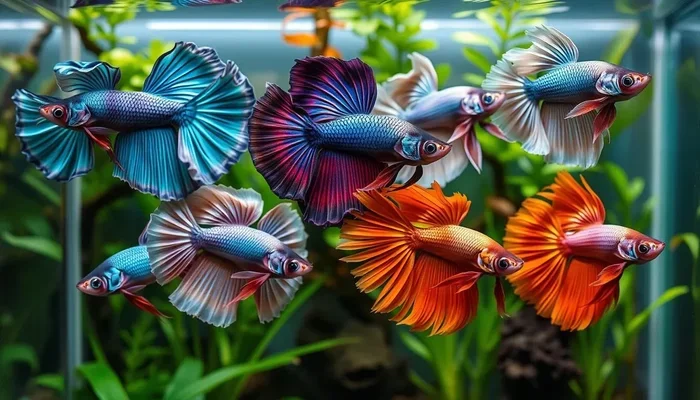
Are Live Plants Good for Betta Fish

Yes, live plants are good for betta fish. They improve water quality, reduce stress, and create a natural habitat that mimics your fish’s wild home. Adding live greenery to a betta fish tank boosts both fish health and tank beauty in simple, rewarding ways.
Key Takeaways
- Live plants improve water quality: They absorb nitrates and produce oxygen, keeping your betta fish healthy.
- They reduce stress: Betta fish feel safer and more relaxed in planted tanks with natural hiding spots.
- Not all plants are safe: Some plants can harm your fish, so choosing the right ones matters a lot.
- Low-maintenance options exist: Plants like java ferns and anubias are easy to care for and perfect for beginners.
- Live plants boost tank aesthetics: They make your aquarium look vibrant and natural.
- Plant care is simple: With basic lighting and occasional trimming, your plants will thrive alongside your betta.
📑 Table of Contents
- Why Live Plants Matter for Betta Fish
- The Benefits of Live Plants for Betta Fish
- Best Live Plants for Betta Fish
- Are Live Plants Safe for Betta Fish?
- Common Mistakes When Adding Live Plants to a Betta Tank
- How to Care for Live Plants in a Betta Tank
- Quick Tips for Success with Live Plants
- Comparison: Live Plants vs. Fake Plants for Betta Fish
- Expert Insights: What Experienced Betta Keepers Say
- Conclusion
Why Live Plants Matter for Betta Fish
If you own a betta fish, you already know how stunning and active these little creatures can be. They flare their fins, explore every corner, and bring life to any room. But did you know that adding live plants to their tank can dramatically improve their quality of life?
In the wild, betta fish live in warm, slow-moving waters filled with lush vegetation. They hide among leaves, rest on plant roots, and hunt tiny organisms near the substrate. A tank with live greenery recreates that natural environment. Your fish feels at home, and you get a beautiful aquascape to enjoy every day.
Many new fish owners skip plants altogether. They worry about maintenance or wonder if plants are even safe. The truth is simple: are live plants good for betta fish? Absolutely. They offer real, measurable benefits that go far beyond looks. Let us break down exactly why live plants deserve a spot in every betta tank.
The Benefits of Live Plants for Betta Fish
Improved Water Quality
Live plants act as natural filters. They absorb harmful chemicals like nitrates and ammonia from the water. This means your betta fish tank stays cleaner for longer. You will need to do water changes less often, which saves you time and effort.
Plants also release oxygen during photosynthesis. More oxygen in the water means your betta breathes easier. Fish that live in well-oxygenated tanks tend to be more active and eat better. It is a simple change that makes a big difference.
Stress Reduction and Natural Behavior
Betta fish are naturally shy and territorial. In a bare tank, they can feel exposed and anxious. Live plants give them places to hide, rest, and claim as their own territory. When your fish has hiding spots, it displays fewer signs of stress like clamped fins or erratic swimming.
You will notice your betta exploring the plants, building bubble nests among the leaves, and generally behaving more naturally. This is one of the most rewarding parts of keeping live plants. You get to watch your fish thrive in an environment that feels real to them.
Algae Control
Live plants compete with algae for nutrients in the water. The more healthy plants you have, the less room algae has to grow. This does not mean you will never see algae, but it does mean you can control it more easily. A well-planted tank stays balanced and looks cleaner.
Aesthetic Appeal
Let us be honest. A planted tank looks incredible. The greens and textures of aquatic plants create depth and movement. Your betta fish colors pop against a natural backdrop. Whether you prefer a minimalist look or a lush jungle style, live plants give you endless design options.
Best Live Plants for Betta Fish
Not all plants work well in a betta tank. Some need high light or strong currents that stress your fish. Others may have sharp edges or chemical properties that harm your pet. Here are the best options that are safe, easy to grow, and perfect for bettas.
Java Fern
Java ferns are a top choice for betta tanks. They grow slowly, need low light, and do not require special substrates. You can tie them to driftwood or rocks, and they will anchor themselves over time. Their broad leaves give your betta plenty of places to rest and explore.
Java ferns are hardy and forgiving, making them ideal for beginners. They tolerate a wide range of water conditions, which is perfect since bettas prefer warm, stable temperatures.
Anubias
Anubias plants are another excellent option. They have thick, waxy leaves that are tough and long-lasting. Betta fish love to nibble on the soft edges, and anubias can handle a little browsing without dying. These plants grow slowly and stay compact, so they fit well in small tanks.
Like java ferns, anubias attaches to hardscape rather than needing to be buried in gravel. This makes placement easy and flexible. You can rearrange your tank décor whenever you want.
Amazon Sword
If you want a big, dramatic plant, the Amazon sword is a great pick. It has large, sweeping leaves that fill empty space in the tank. Betta fish love to swim through the broad leaves and hide behind them. Amazon swords do need a nutrient-rich substrate and moderate light, but the payoff is worth it.
These plants grow tall and become a focal point in any aquarium. They also help maintain water quality by absorbing a lot of nutrients through their large root systems.
Marimo Moss Balls
Marimo moss balls are not technically plants, but they work similarly in a betta tank. They are soft, round, and fun to watch. Your betta might push them around the tank, which provides mental stimulation and exercise. Marimos also help filter the water and do not require any special care.
They are safe for betta fish and add a unique, playful element to your aquarium. Plus, they are incredibly easy to keep alive.
Other Great Options
Here are a few more plants that work beautifully with bettas:
- Cryptocoryne wendtii – Low light tolerant and comes in various colors.
- Java moss – Great for creating a lush carpet or attaching to decorations.
- Amazon frogbit – Floats on the surface and provides shade, which bettas love.
- Water wisteria – Fast-growing and great for absorbing excess nutrients.
If you want more ideas on which plants work best, check out our guide on what live plants for betta fish for a deeper dive into plant selection.
Are Live Plants Safe for Betta Fish?
This is one of the most common questions new betta owners ask. The short answer is yes, but with a few important caveats. Most live plants are completely safe and beneficial. However, some plants can release chemicals that irritate your fish or alter the water chemistry in harmful ways.
Before adding any plant to your tank, research its safety profile. Avoid plants that are known to be toxic or that require chemicals to thrive. Stick with well-known, beginner-friendly species that other betta keepers have used successfully for years.
If you want to be extra cautious, read our detailed article on are live plants safe for betta fish to understand potential risks and how to avoid them.
Plants to Avoid
Some plants can harm your betta or create water quality problems. Here are a few to skip:
- Plants treated with pesticides: These can poison your fish immediately.
- Highly acidic plants: Some plants lower pH too much for bettas to tolerate.
- Plants with sharp edges: These can damage delicate betta fins.
- Invasive species: Some plants grow too aggressively and take over the tank.
Always buy plants from reputable sources. Quarantine new plants for a few days before adding them to your main tank. This helps you catch any pests or chemical residues before they reach your fish.
Common Mistakes When Adding Live Plants to a Betta Tank
Even with the best intentions, mistakes happen. Here are the most common errors new plant owners make and how to avoid them.
Overplanting the Tank
It is tempting to fill every corner with plants. But betta fish need open swimming space too. Overplanting can block water flow and create dead zones where debris builds up. Aim for a balanced look with open areas and planted zones.
Choosing the Wrong Light
Some plants need high light to survive. If you pick a high-light plant but only have a basic tank light, the plant will melt and rot. Rotting plants release ammonia, which is dangerous for your betta. Stick with low-light plants like java ferns and anubias if you are not sure about your lighting setup.
Ignoring Plant Maintenance
Live plants need care. Dead leaves should be removed promptly because they decompose and pollute the water. Overgrown plants should be trimmed to keep them from blocking light to lower parts of the tank. A little maintenance goes a long way.
Skipping Substrate Considerations
Some plants need nutrient-rich soil to thrive. Others do fine in plain gravel or attached to driftwood. If you pick a plant that needs substrate nutrition, make sure you provide it. Otherwise, the plant will slowly decline and lose its color.
How to Care for Live Plants in a Betta Tank
Plant care does not have to be complicated. With a few simple habits, your plants will stay healthy and support your betta fish for months and years.
Lighting
Most betta-friendly plants do well with standard LED tank lights. Keep the lights on for 8 to 10 hours per day. Too much light encourages algae growth, while too little light causes plants to weaken. A simple timer can automate this process and take the guesswork out of it.
Water Parameters
Betta fish prefer warm water between 76 and 82 degrees Fahrenheit. Most live plants thrive in this same range. Keep your pH between 6.5 and 7.5, and maintain stable water conditions. Sudden changes in temperature or chemistry stress both your fish and your plants.
Fertilization
Plants need nutrients to grow. You can use liquid fertilizers or root tabs depending on the type of plant. Java ferns and anubias are low-maintenance and do not need heavy feeding. Amazon swords and other root-feeding plants benefit from nutrient-rich substrates or regular root tab additions.
Trimming and Pruning
Trim dead or yellowing leaves regularly. This keeps your tank looking tidy and prevents decay from polluting the water. For fast-growing plants like water wisteria, regular trimming controls growth and encourages bushier, healthier foliage.
Quick Tips for Success with Live Plants
- Start with 2 to 3 easy plants and add more as you gain confidence.
- Always rinse new plants before placing them in your tank.
- Use liquid fertilizer if your plants seem pale or slow-growing.
- Monitor your water parameters weekly, especially during the first month after planting.
- Choose plants that match your tank size and lighting setup.
- Give your betta time to adjust to the new plants. Some fish are shy at first.
- For more plant inspiration, visit our page on what plants are good for betta fish.
Comparison: Live Plants vs. Fake Plants for Betta Fish
| Feature | Live Plants | Fake Plants |
|---|---|---|
| Water Quality | Absorb nitrates and produce oxygen | No impact on water chemistry |
| Natural Feel | Mimics wild habitat closely | Looks artificial over time |
| Maintenance | Requires regular care and trimming | Almost no maintenance needed |
| Cost Over Time | Low cost, plants grow and propagate | One-time purchase, no regrowth |
| Fish Health | Reduces stress and promotes natural behavior | Safe but offers no biological benefit |
| Aesthetic Value | Changes and grows over time | Stays the same, may fade |
As you can see, live plants offer clear advantages over fake plants. They create a living ecosystem that benefits your betta fish in multiple ways. Fake plants have their place, especially for beginners who want something simple. But if you are ready to invest a little time, live plants are the clear winner.
Expert Insights: What Experienced Betta Keepers Say
Veteran betta keepers almost universally recommend live plants. The consensus is clear: plants transform a basic fish tank into a thriving aquatic environment. Many report that their bettas become more colorful, active, and confident after live plants are added.
One common insight from experienced hobbyists is to start small. You do not need a fully planted aquascape on day one. Add one or two plants, observe how your betta reacts, and expand from there. This gradual approach reduces stress on both you and your fish.
Another expert tip is to focus on plant health before fish comfort. Healthy plants create healthy water. Unhealthy plants can release toxins and decay rapidly. Prioritize proper lighting, nutrients, and maintenance, and your betta will reap the rewards.
Conclusion
The answer to the question “are live plants good for betta fish” is a resounding yes. Live plants improve water quality, reduce stress, control algae, and create a beautiful natural habitat for your fish. They are safe, rewarding, and easier to maintain than most people think.
Start with a few beginner-friendly plants like java ferns or anubias. Provide basic lighting and occasional fertilizer. Trim dead leaves and monitor your water parameters. In no time, you will have a thriving planted tank that your betta fish will love.
Your betta deserves an environment that feels like home. Live plants are one of the simplest and most effective ways to make that happen. Add a few greens to your tank today and watch the difference in your fish’s health and happiness.
Frequently Asked Questions
Can betta fish live with live plants?
Yes, betta fish not only live with live plants but thrive in planted tanks. Plants provide natural hiding spots, improve water quality, and reduce stress. Most betta owners find that their fish become more active and colorful in a planted environment.
Do live plants produce enough oxygen for betta fish?
Live plants do produce oxygen through photosynthesis, which benefits your betta fish. However, plants also consume oxygen at night during respiration. For most betta tanks, this is not a concern. If you have a heavily planted tank, consider adding a small air stone to ensure consistent oxygen levels around the clock.
What is the easiest live plant for a betta tank?
Java fern is widely considered the easiest live plant for betta tanks. It requires low light, no special substrate, and very little maintenance. Anubias and marimo moss balls are also excellent low-maintenance options that beginners can confidently grow.
Can live plants harm betta fish?
Most live plants are completely safe. However, plants treated with pesticides or chemicals can harm your fish. Always rinse new plants thoroughly and buy from reputable sources. Avoid plants known to release harmful substances or alter water chemistry drastically.
How many live plants should I add to a betta tank?
Start with 2 to 3 plants and observe your betta’s behavior. You can gradually add more as you become comfortable with plant care. Make sure to leave open swimming areas so your betta has enough space to move freely and display natural behavior.
Do live plants help betta fish build bubble nests?
Yes, many betta fish prefer to build bubble nests on or near live plant leaves. The broad, flat leaves of plants like java fern and amazon sword provide perfect surfaces for nest construction. A well-planted tank can encourage more frequent and larger bubble nest building.