Do Betta Fish Jump Out of the Tank
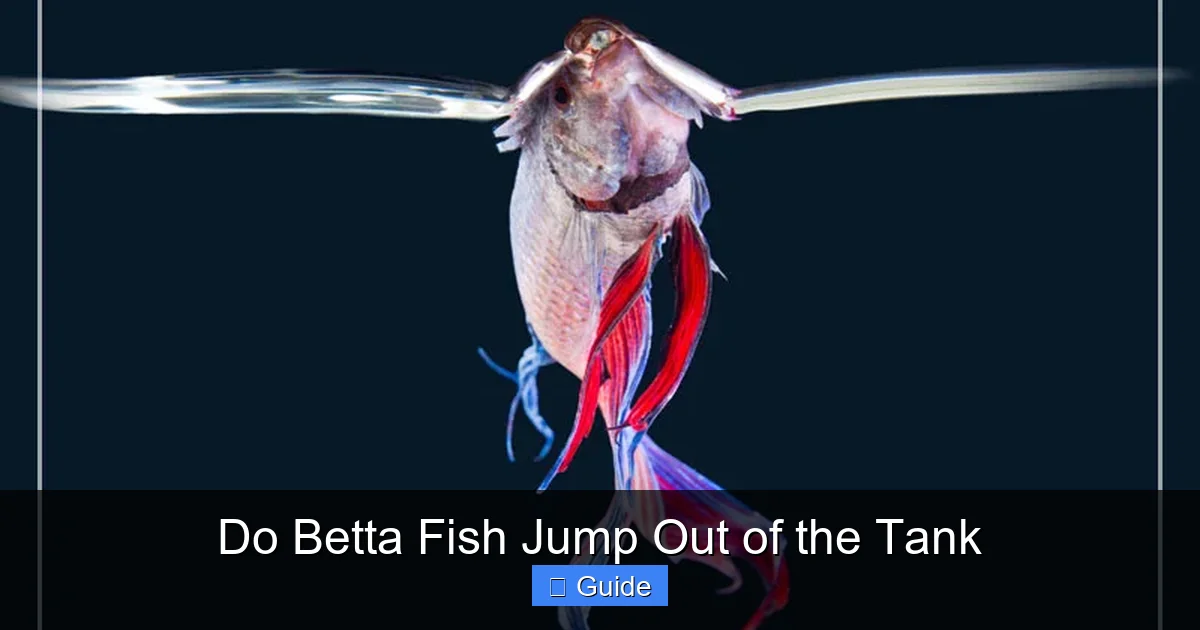
Betta fish are notorious jumpers due to their natural labyrinth organ and wild instincts. They leap from tanks primarily due to poor water conditions, stress, or chasing prey. Prevention is 100% possible with a secure lid, optimal water parameters, and an enriched environment. Understanding their behavior is key to keeping your betta safe and healthy.
Key Takeaways
- Bettas are innate jumpers: Their wild ancestors jumped between shallow pools to hunt and escape predators, a behavior retained in captivity.
- Poor water quality is the #1 trigger: High ammonia/nitrite, incorrect temperature, or low oxygen levels will stress a betta, compelling it to jump.
- A secure lid is non-negotiable: Any gap larger than a betta’s body height (1.5-2 inches) is a risk. Mesh lids must have very small openings.
- Boredom and stress cause jumping: A barren tank or aggressive tank mates can make a betta seek an escape route.
- They are attracted to movement and light: Shadows, reflections, or insects outside the tank can trigger a predatory jump.
- If a betta jumps, act fast: They can survive briefly out of water but need immediate, careful return and water condition monitoring.
- Prevention is multi-layered: Combine a secure lid with perfect water, proper heating, hiding spots, and compatible (or no) tank mates.
📑 Table of Contents
- The Great Escape: Why Your Betta Fish Might Be Planning a Jailbreak
- The Betta’s Built-In Jetpack: Anatomy of a Leaper
- The Top 7 Reasons Your Betta Is Eyeing the Great Beyond
- Fortress of Solitude: Creating a Jump-Proof Aquarium
- The 60-Second Rescue: What To Do If Your Betta Jumps
- Debunking Myths: “My Betta Would Never Do That”
- Conclusion: The Secure Betta is a Happy, Healthy Betta
The Great Escape: Why Your Betta Fish Might Be Planning a Jailbreak
So you’ve set up the perfect betta tank. The heater is humming at a steady 78°F, the water is crystal clear, and your betta, Sir Bubbles the Third, is lazily flaring at his reflection in the glass. Everything seems serene. Then, one morning, you walk into the room and your heart stops. Sir Bubbles is gone. The water level is slightly lower. A tiny, tell-tale wet spot glistens on the table beside the tank. The unthinkable has happened: your betta fish jumped out of the tank.
If this scenario fills you with dread, you’re not alone. The question “do betta fish jump out of the tank?” is one of the most common and urgent worries for betta owners. The short, alarming answer is: yes, they absolutely can and do. Betta fish, with their flowing fins and regal posture, are deceptively athletic. They possess a powerful, streamlined body built for short, explosive bursts of speed. This isn’t just a party trick; it’s a deeply ingrained survival instinct from their native waters in Southeast Asia. In the wild, Siamese fighting fish inhabit slow-moving, shallow, often murky rice paddies, streams, and floodplains. These habitats can dry up, become polluted, or overcrowded. Jumping is their primary method of moving to a new, safer water source. That instinct doesn’t vanish just because you provide a five-gallon aquarium with a filter. It simmers beneath the surface, ready to be triggered by the right (or wrong) conditions.
This guide will leave no stone unturned. We will dive deep into the anatomy of a betta jump, explore every single reason—from the obvious to the obscure—why your fish might attempt this dangerous maneuver, and provide you with a definitive, actionable blueprint for prevention. We’ll also cover the critical, heart-stopping moments after a jump, offering clear steps to give your betta a second chance at life. By the end, you will understand your betta’s mind and environment so completely that an escape will become a near-impossibility.
The Betta’s Built-In Jetpack: Anatomy of a Leaper
More Than Just a Pretty Face: The Labyrinth Organ and Musculature
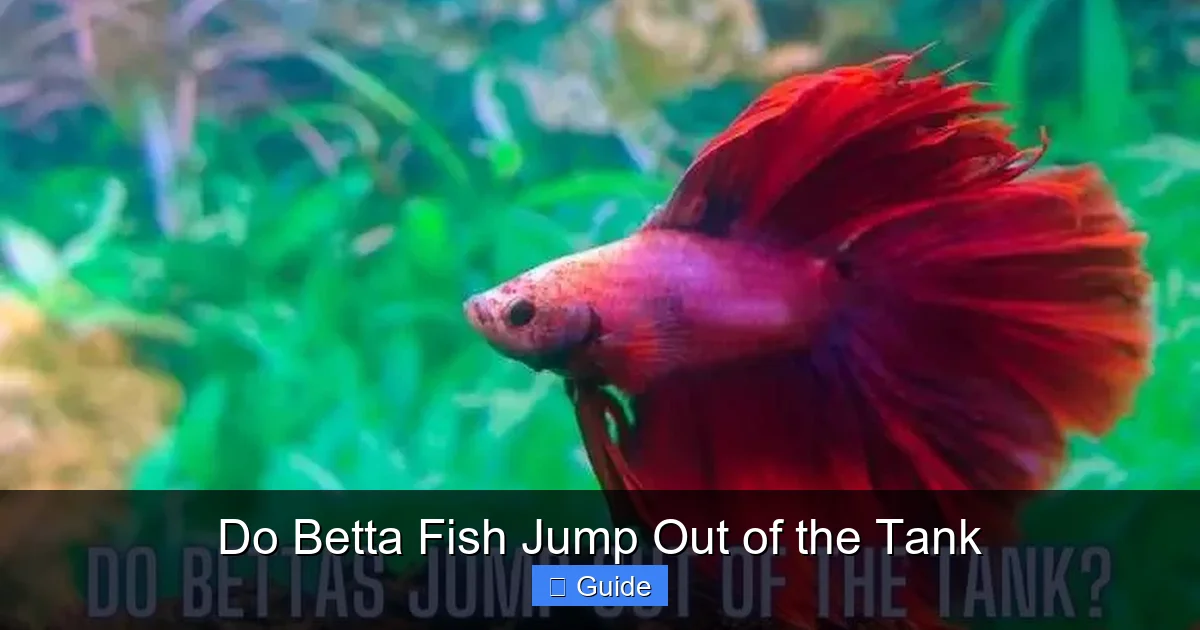
To understand why bettas jump, we must first appreciate their physical design. Bettas belong to a family of fish called anabantoids, which possess a specialized respiratory structure known as the labyrinth organ. This is a folded, vascularized piece of tissue located above the gills that allows them to gulp air from the surface. This adaptation is crucial for surviving in warm, oxygen-poor waters. But it also means bettas are constantly, instinctively moving toward the water’s surface. This upward momentum, combined with their strong caudal (tail) fin and muscular body, gives them surprising vertical thrust.
Visual guide about Do Betta Fish Jump Out of the Tank
Image source: i0.wp.com
Think of their body shape. Unlike laterally compressed fish like angelfish, bettas have a more elongated, torpedo-like shape when viewed from above. This reduces drag and allows for a straight, powerful line out of the water. They don’t just flop; they *launch*. In a controlled environment, you can sometimes see this during feeding if they’re especially eager, shooting a few inches above the surface for a tasty treat. This same mechanics apply when they’re motivated by stress or an enticing target outside the tank.
The Wild Instinct: A Legacy of Survival
In the fluctuating ecosystems of Thailand, Cambodia, and Vietnam, a betta’s life is a constant negotiation with its environment. A drying paddy field means shrinking, polluted water. A predator lurking in the reeds means danger. The ability to leap to an adjacent, better puddle is not a luxury—it’s the difference between life and death. This behavior is hardwired. Even generations of captive breeding, focused on vibrant colors and flowing fins, have not erased this fundamental survival protocol. When a betta in your tank feels its current environment is compromised—whether by toxic water, a terrifying neighbor, or sheer monotony—that ancient software boots up. The command is simple: ESCAPE. FIND NEW WATER. The execution is a physical act we see as “jumping out of the tank.”
The Top 7 Reasons Your Betta Is Eyeing the Great Beyond
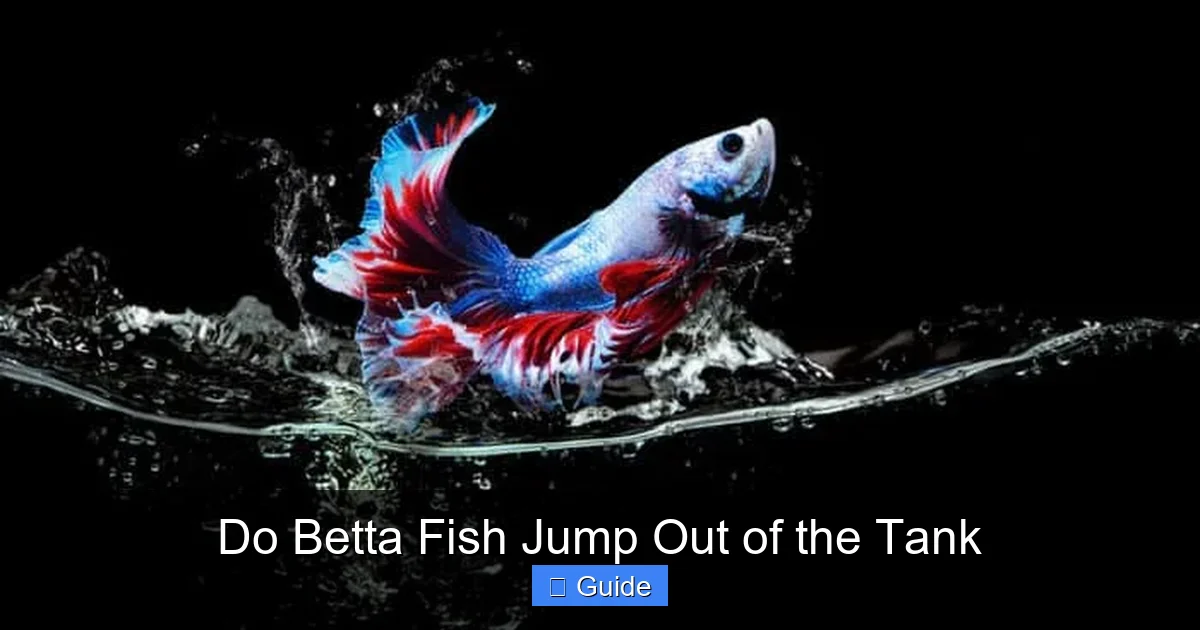
Now that we know the betta *can* jump, the vital question is: *why would it want to?* An escape attempt is always a symptom, never the cause. It’s your betta’s desperate, final communication that something in its world is wrong. Ignoring this message is the fastest way to a tragic discovery. Here are the most common, evidence-backed triggers.
Visual guide about Do Betta Fish Jump Out of the Tank
Image source: aquariumsphere.com
1. Toxic Water: The Primary Driver
This is, by far, the most frequent and urgent cause. Betta fish are sensitive to ammonia and nitrite, even at low levels. A spike in these toxins—from an overstocked tank, an underperforming filter, or forgotten water changes—causes immediate physical distress. Ammonia burns their gills and skin. The experience is like breathing poison. A betta in this situation will become frantic, gasping at the surface (which also increases jump risk), and will seek any escape from the torment. Nitrite is even more insidious, binding to hemoglobin and causing “brown blood disease,” suffocating the fish from within. The sensation is one of extreme oxygen deprivation, driving them upward and outward.
- Practical Example: A betta in a 1-gallon unfiltered bowl with a feeding of five pellets will see ammonia rise to lethal levels within 24-48 hours. The resulting stress is a near-guaranteed jump attempt.
- Tip: Use a reliable liquid test kit (like API Freshwater Master Test Kit) to monitor ammonia, nitrite, and nitrate weekly. Zero ammonia and nitrite are the only acceptable readings for a betta.
2. Temperature Extremes: Too Hot or Too Cold
Bettas are tropical fish with a preferred range of 76-82°F (24-28°C). If the water drops below 75°F, their metabolism slows, they become lethargic, and their immune system crashes. This chronic stress can manifest as a search for warmer waters. Conversely, water above 85°F accelerates their metabolism to a dangerous pace, depleting oxygen levels rapidly and causing heat stress. In a too-warm tank, oxygen solubility decreases, and the betta’s need for surface air (via the labyrinth organ) increases dramatically. They will spend more time at the top, and a startled jump becomes more likely.
- Practical Example: A tank placed near a drafty window in winter may experience a slow chill. The betta, feeling cold, may hover at the warmest spot (the surface near the heater) and, if spooked, leap out.
- Tip: Always use an adjustable heater with a thermostat for tanks 3 gallons or larger. For smaller setups, a stable room temperature is critical. Use a stick-on thermometer to verify actual water temperature.
3. The Terror of Tank Mates: Aggression and Harassment
This is a massive and often underestimated trigger. Bettas are, by name and nature, aggressive. But they are also prey animals in the wild. Keeping a betta with incompatible tank mates is a recipe for chronic stress. A fast-moving, fin-nipping fish like a tiger barb or serpae tetra can turn a betta’s life into a constant nightmare of chase and bite. Even a seemingly “peaceful” fish that constantly stalks the betta’s favorite resting spots creates an environment of fear. The betta’s only perceived recourse is to flee the entire system. This is why the “betta sorority” (multiple females) and “community tank” advice must be followed with extreme caution and a deep understanding of species-specific behaviors.
- Practical Example: A betta housed with a single, curious corydoras catfish that relentlessly bumps into it while scavenging may become so irritated it jumps during a particularly aggressive “bump.”
- Tip: If you choose to add tank mates, do extensive research. Provide abundant vertical and horizontal hiding spaces (plants, caves, PVC pipes). Observe interactions for hours. If the betta is constantly hiding, clamped, or being chased, the tank mate must be rehomed immediately.
4. Boredom and Environmental Sterility
A betta’s brain is not tiny. It craves stimulation. A tank with nothing but gravel, a plastic plant, and a heater is a sensory deprivation tank. In the wild, they navigate complex underwater landscapes, hunt insects, and interact with their environment. In a bare tank, they have nothing to do. This leads to stereotypic behavior—repetitive, compulsive actions like constant glass surfing (pacing along the tank walls). This is a clear sign of severe stress and frustration. The glass becomes a barrier to an otherwise empty world. A sudden movement outside the tank can trigger a jump as an attempt to “investigate” or escape the monotony.
- Practical Example: A betta in a 2.5-gallon tank with no plants, no hiding spots, and nothing to interact with will often pace a specific corner relentlessly. One day, a person walks past, and the betta, in a burst of frantic energy, launches itself at the glass.
- Tip: Enrichment is not a luxury; it’s a requirement. Use live plants (like java fern, anubias) or high-quality silk plants. Add a floating log or leaf hammock. Place the tank where there is safe, gentle activity (like a living room), but also provide visual barriers (background paper, plants) to prevent constant glass reflection.
5. The Lure of the Outside World: Prey and Reflections
A betta’s vision is tuned for hunting. They are attracted to movement. If there is a consistent, intriguing movement outside the tank—a cursor on a monitor, a swinging pendulum, a spider on the wall, or insects trapped on the outside of the glass—their predatory instinct will kick in. They will stalk it, and a quick lunge can turn into a ballistic jump if they misjudge the glass barrier. Similarly, their own reflection can be a constant source of agitation. They see a rival betta and flare, chase, and attack the glass. In the heat of this aggressive display, a mis-timed turn or surge can propel them over the rim. This is why you should never use mirrored backgrounds inside the tank.
- Practical Example: A betta tank on a desk next to a window may have a spider build a web on the outside corner. The betta will fixate on the spider’s movements and, in a strike, leap for it.
- Tip: Assess the tank’s surroundings. Relocate the tank if it’s directly in front of a high-traffic window with bugs. Use a non-reflective background on the outside back and sides. Break up reflections with floating plants or by slightly tilting the tank so it doesn’t create a perfect mirror.
6. Startling Events: The Panic Jump
Sometimes, the jump is a pure, unthinking reaction to a sudden shock. A loud noise (door slam, dropped object), a sudden shadow (someone walking past quickly), a tap on the glass, or even a pet (cat, dog) brushing against the tank can trigger a panic response. The betta’s sole instinct is to get away from the perceived threat, and the fastest route is up and out. These jumps are unpredictable but entirely preventable by managing the tank’s environment and ensuring it is in a low-traffic, calm area.
- Practical Example: A betta in a child’s bedroom may jump when a toy is thrown or a door is slammed. A betta in a kitchen may jump when a cupboard door closes loudly.
- Tip: Place the tank in a quiet, stable location away from doorways, high-traffic hallways, and areas with frequent loud noises. Teach children and household members to be calm and gentle around the aquarium.
7. Physical Limitations and Misjudgment
While rare, sometimes a jump is simply an accident. A betta may leap for a floating food pellet that lands on the rim, misjudge the distance, and tumble over. This is more common in very young fish or those with physical deformities affecting their swimming. It underscores why any open gap, no matter how small you think it is, is a risk. Bettas are not precision engineers; they are instinct-driven animals. Their judgment of the waterline is not perfect, especially if they are excited or stressed.
Fortress of Solitude: Creating a Jump-Proof Aquarium
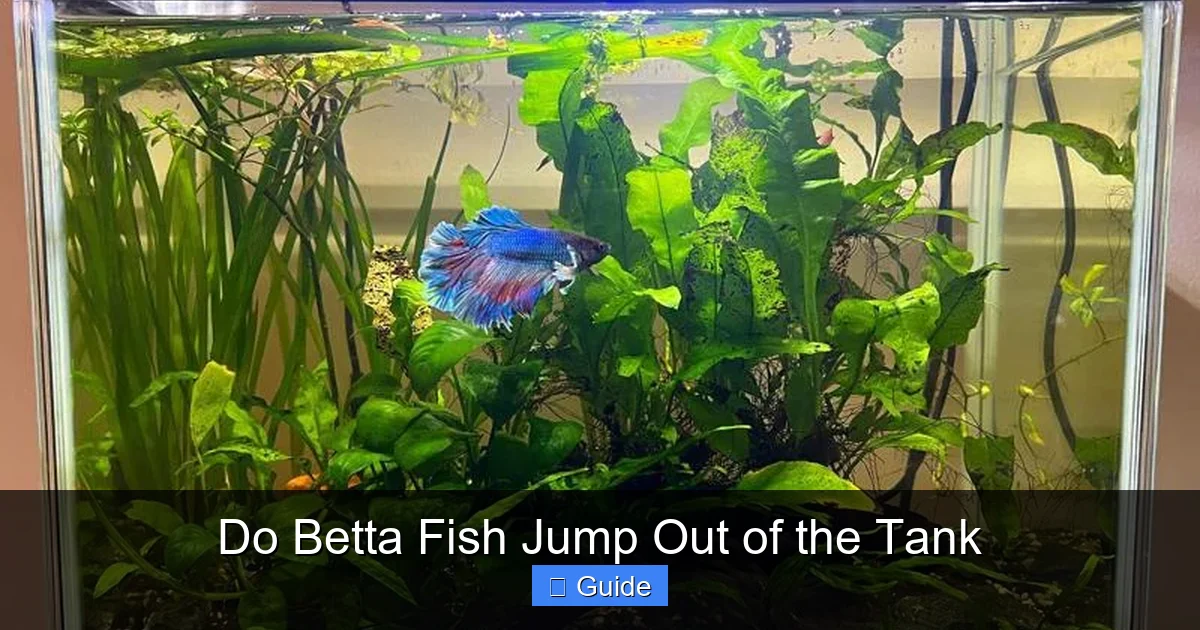
Prevention is an absolute guarantee if you build the right system. The philosophy is simple: remove all opportunity and eliminate all motivation. Let’s build your betta’s fortress, layer by layer.
Visual guide about Do Betta Fish Jump Out of the Tank
Image source: acaquarium.com
Layer 1: The Unbreachable Lid
This is your single most important line of defense. There is no substitute. The lid must meet these criteria:
- Material: Acrylic or glass is best. Plastic mesh lids can work if the mesh holes are 1/4 inch (6mm) or smaller. Bettas can squeeze through surprisingly small openings. Test it: if you can fit your pinky finger through a hole, a determined betta might.
- Fit: It must sit flush with all edges of the tank. No gaps. Many common “glass top” lids have gaps at the back for filter hang-on backs. You must seal these gaps with acrylic sheets, filter media, or specialized gap blockers.
- Ventilation: Ensure there is adequate airflow. A solid glass lid can cause condensation and reduce gas exchange. Many commercial lids have built-in ventilation slots. If using a custom acrylic sheet, drill small holes or leave a 1-inch gap at the back where a filter intake can sit.
- Clamps: Use all provided clamps. For extra security, use small, heavy-duty binder clips along the back edge.
Special Case: Open-Top/”Paludarium” Setups. If you desire an open-top tank for plants or a natural look, you must implement a double barrier. This means a) the water level is kept at least 4-6 inches below the top rim, and b) a floating grid or mesh is placed on the water surface (like a DIY egg-crate divider) to block access to the air. This is not recommended for beginners or for particularly active/jumpy bettas.
Layer 2: Perfect Water, Every Single Day
You cannot have a secure betta with toxic water. This is the foundation.
- Filtration: Use a gentle filter (sponge filter is ideal for bettas) sized for your tank. It must run 24/7. Clean filter media in old tank water monthly, never under tap water.
- Water Changes: Perform 25-50% water changes weekly in tanks under 5 gallons, and 25% weekly in larger cycled tanks. Use a gravel vacuum to remove detritus.
- Cycling: Ensure your tank is fully cycled before adding a betta. This establishes beneficial bacteria that process ammonia and nitrite. A cycled tank will have 0 ppm ammonia, 0 ppm nitrite, and manageable nitrate (<20 ppm).
- Dechlorination: Always treat tap water with a quality water conditioner that neutralizes chlorine, chloramines, and heavy metals.
Layer 3: Environmental Enrichment and Stability
Remove the motivation to explore by making the current world perfect.
- Plants and Hiding Spots: Provide a dense forest of plants (live or silk). Use a variety: tall background plants (like vallisneria), mid-ground plants (anubias, java fern), and floating plants (frogbit, red root floaters) that shade the surface and break up reflections. Add at least 2-3 caves or hollow logs.
- Consistent Routine: Feed at the same times daily. Keep the room’s lighting on a consistent cycle (8-10 hours). Sudden changes in light duration can stress fish.
- Temperature Stability: Use a reliable heater with a thermostat. In very cold rooms, use a tank insulator or move the tank to a warmer spot.
Layer 4: Smart Tank Mate Selection (If Any)
The safest tank mate for a betta is often no tank mate. If you do add one:
- Choose species that: Are not brightly colored (can trigger aggression), do not have long, flowing fins (seen as rivals), are not active, surface-dwelling fish (compete for betta’s space), and are not fin-nippers.
- Excellent candidates: Small, peaceful, schooling fish that stay in the lower/mid levels like ember tetras (in a 10+ gallon), harlequin rasboras (10+ gallon), or a small school of white cloud minnows (cooler water).
- Invertebrates: A single, large mystery snail or a group of nerite snails (for algae) are often safe. Shrimp (like cherry shrimp) are a gamble—they may be eaten.
- Always quarantine new arrivals.
The 60-Second Rescue: What To Do If Your Betta Jumps
Discovering your betta out of water is a moment of sheer panic. Your actions in the next minute are critical. Bettas can survive out of water for a few hours under perfect conditions (cool, moist), but they are almost certainly injured and severely stressed.
Step 1: Locate and Assess (Gently!)
Do not grab it. Gently scoop it up using a soft, wet net or even a small, clean cup. Check for obvious injuries: torn fins, a missing scale, or a curved spine (which can indicate a spinal injury from the impact). Place it immediately in a small, clean, hospital tank or container with the exact same water from its main tank (temperature-matched). This water should be clean and dechlorinated. Do not use untreated tap water.
Step 2: The First Hour: Recovery Protocol
In the recovery container:
- Add Aquarium Salt (Optional but Helpful): 1 tablespoon per 5 gallons can help with osmoregulation and minor wounds. Do not use if you have snails or live plants in the main tank you plan to move it back to soon.
- Add a Drop of Stress Coat: A water conditioner with aloe vera (like Seachem Stress Coat) can help heal the protective slime coat damaged by the jump and impact.
- Keep the Water Perfect: The water in this small container will foul quickly. Be prepared to do a 100% water change with treated, temperature-matched water after a few hours if needed.
- Minimize Stress: Cover the container to block light and visual shocks. Keep it in a quiet, warm place. Do not feed for 24 hours.
Step 3: Monitoring and Return
After 12-24 hours, if your betta is swimming normally (even if clamped), responding to gentle stimuli, and showing no signs of worsening (floating upside down, spinning), you can consider returning it to its main tank. Do not return it if it is lethargic, has a visible spinal curve, or is constantly sinking. These indicate severe internal damage. For these cases, consult an aquatic vet (rare but existent) or provide palliative care in the hospital tank with pristine water and low stress. For a successful recovery, the return to the main tank should be calm. Use a cup to transfer it, gently lowering it into the water. Observe closely for 24 hours. Keep the water quality impeccable.
Debunking Myths: “My Betta Would Never Do That”
Let’s address dangerous misconceptions that get bettas killed.
Myth 1: “Only wild-caught or aggressive bettas jump.”
False. Any betta, from any source, has the physical ability and the instinct. A docile, pet-store betta with cloudy fins is just as capable of jumping due to poor water as a show-quality fish.
Myth 2: “A 2-inch gap is safe; my betta isn’t that strong.”
False. A betta in a motivated, explosive jump can easily clear 3-4 inches vertically from a running start. Never underestimate them. The gap must be zero.
Myth 3: “If I keep the water perfect, I don’t need a lid.”
Dangerously false. While perfect water eliminates the #1 motivation, it does not eliminate the instinct or the risk from startle responses, prey attraction, or simple misjudgment. A lid is the final, fail-safe barrier. It is not optional.
Myth 4: “Bettas only jump during the day.”
False. Bettas can jump at any time. A startled betta in the dark (e.g., if a light is turned on suddenly at night) may jump just as easily.
Conclusion: The Secure Betta is a Happy, Healthy Betta
The question “do betta fish jump out of the tank?” forces us to look at our aquariums not as static decorations, but as dynamic ecosystems that must meet the profound physical and psychological needs of a complex, ancient fish. A jumping betta is a betta in distress. It is a flashing red warning sign that something in its carefully curated world is failing—be it the invisible poison in the water, the terror of a tank mate, or the crushing boredom of a sterile environment.
Your role as a betta keeper is to be both a detective and a fortress architect. By understanding the “why” behind the leap, you can systematically dismantle every possible reason for escape. Start with the absolute necessity of a secure lid. Then, obsess over water quality. Then, build a world of greenery, hiding places, and stability. Remove stressors, provide enrichment, and choose companions with the utmost care.
When you do this, you don’t just prevent a tragic accident. You create an environment where your betta can truly thrive. You’ll see it building bubble nests, exploring its plant forest, and displaying its glorious fins with confidence, not desperation. The jump becomes an impossibility not because you’ve trapped your fish, but because you’ve given it no reason to ever want to leave. That is the ultimate goal: a tank so perfectly attuned to its resident that the outside world holds no allure, and the only direction to go is forward, into a life of secure, vibrant health.
Frequently Asked Questions
Can all betta fish jump, or just some breeds?
Yes, all betta fish (Betta splendens and their wild relatives) possess the physical ability and instinct to jump. While individual personality plays a role—some are more skittish or athletic—the potential exists in every single betta, regardless of color or fin type.
How high can a betta fish actually jump?
A healthy, motivated betta can easily jump 3-4 inches (7-10 cm) vertically from a stationary position, and even higher with a running start. They have been documented jumping from covered tanks with gaps of just 1.5 inches. Never assume any gap is too small.
What are the early warning signs that a betta might attempt to jump?
Look for constant “glass surfing” (pacing along the tank walls), frantic darting, repeated jumping at the water’s surface during feeding (over-excitement), prolonged hiding, or obsessive flaring at a specific spot outside the tank (a reflection, insect, or shadow). These are all signs of significant stress or fixation that could lead to an escape attempt.
Is it better to have a betta in a larger or smaller tank to prevent jumping?
A larger, properly filtered, and heated tank (minimum 5 gallons) is far better for prevention. It provides stable water parameters, more enrichment, and more space to establish territories, which drastically reduces stress—the primary cause of jumping. A small, unstable bowl is a guaranteed stressor and jump risk.
If my betta jumps and survives, will it try again?
It might. A successful jump that results in being returned to the tank does not erase the underlying motivation (bad water, stress, etc.). If you do not fix the root cause, the betta will likely attempt to escape again. The jump is a symptom, not a one-time event.
Do floating plants help prevent bettas from jumping?
Yes, floating plants are an excellent secondary barrier. They break up the surface tension, block lines of sight to enticing targets outside the tank, and reduce reflections. However, they are not a substitute for a physical lid. A determined betta can and will push through or jump over a layer of plants.