Are Betta Fish Related to Arapaima
Are betta fish related to arapaima? Yes — both belong to the Anabantiformes order, which means they share a common ancestor and several fascinating traits. Despite this connection, the betta fish and the arapaima are very different in size, habitat, and care needs. This guide breaks down their relationship, compares their features, and helps you understand why knowing their connection matters for fish keeping.
Have you ever wondered are betta fish related to arapaima? It sounds like an odd question, but it is one that fish lovers ask more often than you might think. The short answer is yes — they do share a family connection. But the full story is much more interesting than just a simple yes or no.
Betta fish and arapaima fish both come from the same larger group of freshwater fish. They share traits that most other fish do not have. From their ability to breathe air to their meat-eating habits, these two species have more in common than meets the eye. In this article, we will walk through everything you need to know about how these two fish are connected, how they differ, and why it matters for anyone who keeps or studies them.
Key Takeaways
- Shared Ancestry: Betta fish and arapaima both belong to the Anabantiformes order, making them distant relatives in the fish world.
- Size Difference Is Massive: Arapaima can grow over 10 feet long, while betta fish typically stay under 3 inches.
- Labyrinth Organ Connection: Both species have a labyrinth organ that lets them breathe air, a key trait linking them evolutionarily.
- Different Habitats: Arapaima live in large South American rivers, while betta fish thrive in warm, shallow freshwater habitats in Southeast Asia.
- Care Requirements Vary Greatly: Keeping an arapaima requires a massive setup, while betta fish are much more manageable for home aquariums.
- Both Are Carnivorous: They share a diet preference for meat-based foods, reflecting their shared evolutionary roots.
- Knowing Their Relationship Helps Fish Keepers: Understanding how these species connect gives you better insight into betta fish behavior and care.
📑 Table of Contents
What Is an Arapaima Fish?
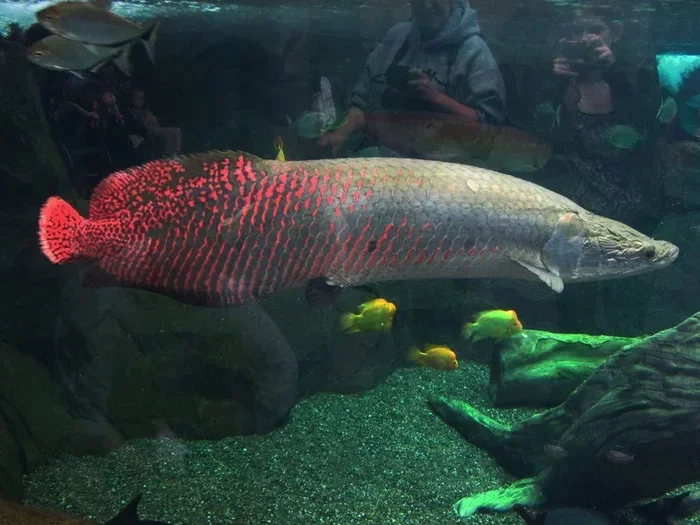
The arapaima is one of the largest freshwater fish on the planet. Native to the rivers of the Amazon basin in South America, this giant can grow up to 10 feet or more in length. It is a predatory fish that feeds on smaller fish, birds, and even small mammals near the water surface.
Arapaima are known for their hard, scaled bodies and powerful swimming ability. They need huge amounts of space and very specific water conditions to thrive. Because of their size, they are not typical aquarium fish. They are mostly found in large public aquariums or in their natural habitats.
Where Do Arapaima Live?
Arapaima prefer slow-moving rivers, floodplains, and lakes with warm, oxygen-poor water. Their arapaima habitat is very different from the small tanks where betta fish live. These fish need deep, spacious environments with plenty of room to swim. They are also known to gulp air at the surface, which is a trait they share with bettas.
What Do Arapaima Eat?
Arapaima are carnivores. They hunt fish, crustaceans, and insects. In captivity, they are fed large pellets, whole fish, and other protein-rich foods. Their diet is very similar in nature to what betta fish eat, though the portions are obviously much larger.
What Is a Betta Fish?
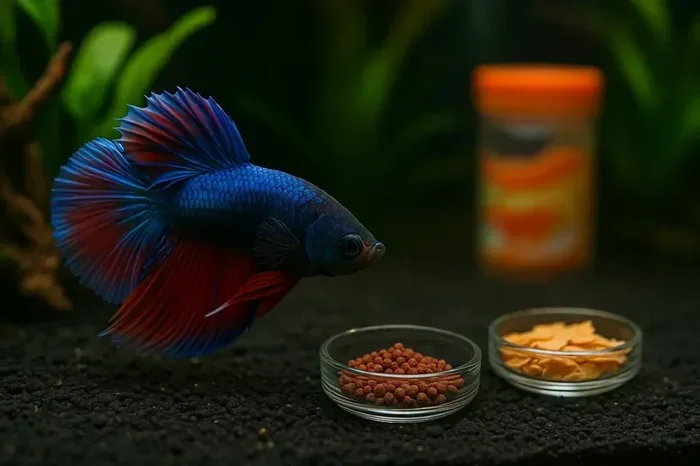
The betta fish, also known as the Siamese fighting fish, is one of the most popular aquarium fish in the world. Native to the warm, shallow waters of Thailand, Cambodia, and Vietnam, bettas are small but full of personality. Males are famous for their long, flowing fins and bright colors.
Bettas are relatively easy to care for compared to many other fish. They can live in smaller tanks, though they do best with proper heating and filtration. Many people ask, are betta fish easy to care for, and the answer is generally yes — as long as their basic needs are met.
Betta Fish Origins and Natural Habitat
In the wild, bettas live in rice paddies, slow streams, and shallow ponds. They are adapted to warm water temperatures between 76 and 82 degrees Fahrenheit. Unlike arapaima, bettas do not need enormous spaces. A well-maintained 5-gallon tank is enough for a single betta. If you want to learn more about their natural survival skills, check out are betta fish able to survive in the wild.
Betta Fish Diet and Behavior
Bettas are carnivorous by nature. They eat brine shrimp, bloodworms, and specially formulated betta pellets. They are also known for their aggressive temperament, especially males. This aggression is one of the traits that connects them to other members of the Anabantiformes order, including the arapaima.
How Are Betta Fish and Arapaima Related?
This is the core of our topic: are betta fish related to arapaima? The answer lies in fish taxonomy. Both species belong to the order Anabantiformes. This order includes several families of freshwater fish that share a unique anatomical feature — the labyrinth organ.
The labyrinth organ allows these fish to breathe atmospheric air. This is a remarkable adaptation that sets them apart from most other fish species. It is one of the strongest pieces of evidence for their shared evolutionary history.
The Labyrinth Organ: A Key Connection
The labyrinth organ works like a simple lung. It allows the fish to extract oxygen from the air. This means both bettas and arapaima can survive in low-oxygen water where other fish would struggle. This trait is not found in most fish, which makes the connection between these two species even more fascinating.
If you are curious about other fish that share traits with bettas, you might also wonder are betta fish related to piranha. The answer is also yes, in a broader taxonomic sense, though piranhas belong to a different order entirely.
Taxonomy Breakdown
Here is a simple way to understand the relationship:
- Kingdom: Animalia (both species)
- Phylum: Chordata (both species)
- Class: Actinopterygii (ray-finned fish)
- Order: Anabantiformes (both betta and arapaima)
- Family: Different families — Betta fish are in the Osphronemidae family, while arapaima are in the Arapaimidae family
So while they are related, they are not closely related. Think of it like cousins rather than siblings. They share a common ancestor but have evolved very differently over millions of years.
Size and Habitat Differences
Even though betta fish and arapaima share a taxonomic connection, their differences are enormous. The size gap alone is staggering. A full-grown arapaima can be over 10 feet long and weigh more than 400 pounds. A betta fish, on the other hand, typically grows to just 2 to 3 inches.
Tank and Space Requirements
Because of this massive size difference, their housing needs are completely different. A betta fish can live comfortably in a 5-gallon tank. An arapaima needs thousands of gallons of water. This is why you will never see an arapaima in a home aquarium.
If you are a betta fish owner, you already know that providing the right environment is key. Things like water temperature, filter strength, and tank size all matter. For more on filtration, check out are some water filters too strong for betta fish.
Water Conditions Compared
Both species prefer warm water, but their ideal parameters differ. Bettas thrive in water temperatures between 76 and 82°F. Arapaima prefer similar warmth but in much larger, deeper bodies of water. Both species also benefit from relatively calm water, as they are not strong swimmers compared to some other freshwater fish.
| Feature | Betta Fish | Arapaima |
|---|---|---|
| Average Size | 2–3 inches | 6–10+ feet |
| Native Region | Southeast Asia | South America (Amazon) |
| Tank Size Needed | 5+ gallons | Thousands of gallons |
| Water Temperature | 76–82°F | 75–86°F |
| Diet | Carnivorous | Carnivorous |
| Labyrinth Organ | Yes | Yes |
| Common in Home Aquariums | Yes | No |
Can Betta Fish and Arapaima Live Together?
The short answer is absolutely not. Even though they share a family connection, housing a betta fish with an arapaima would be dangerous for the betta. An arapaima is a massive predator that would likely see a small betta as food.
Beyond the size difference, their environmental needs are incompatible. A betta needs a warm, stable, small-scale environment. An arapaima needs vast open space and powerful filtration. Mixing them would be harmful to both fish.
If you are interested in keeping bettas with other species, it is important to choose tank mates carefully. Some fish are compatible, while others are not. For more guidance, you can read are you supposed to put betta fish with other fish for helpful tips on compatible tank mates.
Quick Tips for Betta Fish Owners
- Always research potential tank mates before adding new fish.
- Keep your betta in a warm, stable environment with a heater.
- Feed your betta a varied diet of pellets, frozen, and live foods.
- Avoid keeping two male bettas in the same tank.
- Use a gentle filter to avoid strong currents that stress bettas.
Why Understanding Their Relationship Matters
Knowing that betta fish and arapaima are related helps us understand more about both species. It explains why they share certain behaviors, like air-gulping and carnivorous diets. It also highlights how evolution can take two related species in very different directions.
For fish keepers, this knowledge adds depth to the hobby. It helps you appreciate your betta fish not just as a colorful pet, but as part of a larger family of remarkable freshwater fish. Understanding their wild relatives also gives you insight into their natural instincts and care requirements.
If you are just getting started with bettas, you might want to learn more about their care basics. Visit are betta fish easy to care for for a comprehensive guide that covers everything from tank setup to feeding schedules.
Evolutionary Insights
The Anabantiformes order has been around for millions of years. Both bettas and arapaima evolved the labyrinth organ as a survival adaptation. In the wild, many of these fish live in waters with low oxygen levels. The ability to breathe air gave them a huge advantage over other species that could not survive in those conditions.
This evolutionary trait is a perfect example of how shared ancestry can lead to shared physical features, even when the species live in completely different parts of the world.
Common Mistakes People Make With Betta Fish
Because betta fish are small and hardy, many people underestimate their needs. Here are some common mistakes to avoid:
- Keeping bettas in tiny bowls. While they can survive in small spaces, they thrive better in larger tanks with proper filtration.
- Skipping the heater. Betta fish are tropical and need warm water year-round.
- Overfeeding. Bettas have small stomachs and can become bloated or sick if overfed.
- Ignoring water quality. Even though bettas are hardy, they still need clean, dechlorinated water.
- Housing them with aggressive tank mates. Male bettas are territorial and should not be kept with other aggressive fish.
Avoiding these mistakes will help your betta live a longer, healthier life. Most bettas can live 3 to 5 years with proper care, and some even reach 7 years or more.
Final Thoughts
The connection between betta fish and arapaima is a fascinating look at how nature works. They share a common order, a unique breathing organ, and a carnivorous diet. Yet they have evolved into two very different creatures — one tiny and colorful enough to fit in your palm, the other massive and powerful enough to dominate the Amazon rivers.
Understanding this relationship makes the hobby of fish keeping even more rewarding. It gives you a deeper appreciation for your betta and the incredible diversity of the freshwater fish world. Whether you are a seasoned aquarist or just starting out, knowing the story behind these fish adds a whole new layer of interest to your hobby.
So the next time someone asks you are betta fish related to arapaima, you can give them a confident and detailed answer. They are cousins in the fish world — connected by ancient roots, but wonderfully different in every other way.
Frequently Asked Questions
Are betta fish and arapaima the same species?
No, they are not the same species. They belong to the same order (Anabantiformes) but different families. Bettas are in the Osphronemidae family, while arapaima are in the Arapaimidae family. They are distant relatives, not the same species.
Can a betta fish and an arapaima live in the same tank?
No, they cannot live together. The size difference alone makes it impossible. An arapaima needs thousands of gallons of water and would view a small betta as prey. Their environmental needs are also completely incompatible.
Why do both betta fish and arapaima gulp air?
Both species have a labyrinth organ that allows them to breathe atmospheric air. This adaptation evolved because many of their natural habitats have low oxygen levels in the water. Gulping air from the surface helps them survive in these conditions.
Are arapaima dangerous to humans?
Arapaima are not typically dangerous to humans, but their massive size and powerful tail can cause injury if handled improperly. They are predatory fish, but they do not actively attack people. They are more of a concern for smaller fish and animals in their habitat.
How big do betta fish get compared to arapaima?
Betta fish typically grow to 2 to 3 inches in length. Arapaima can reach 10 feet or more and weigh over 400 pounds. This enormous size difference shows how much these two related species have diverged over millions of years of evolution.
What other fish are related to bettas?
Other fish in the Anabantiformes order are related to bettas. This includes gouramis, climbing perch, and snakeheads. Each of these species shares the labyrinth organ trait and has some similar behavioral characteristics to bettas.
=== CONCLUSION ===
The relationship between betta fish and arapaima is a perfect example of how nature connects even the most different-looking creatures. From their shared labyrinth organ to their carnivorous diets, these two species carry the marks of a common ancestor millions of years old. Yet they have grown into two incredibly different fish — one a beloved home aquarium pet, the other a giant of the Amazon rivers.
Understanding this connection enriches your experience as a fish keeper or enthusiast. It reminds us that every betta fish in our homes comes from a long and fascinating evolutionary line. By learning about their wild relatives like the arapaima, we gain a deeper respect for these amazing creatures and the ecosystems they come from.