Are Betta Community Fish

Are betta community fish possible? Betta fish can thrive in community tanks when paired with the right tank mates and proper setup. Peaceful species like corydoras, neon tetras, and kuhli loaches make excellent companions, but success depends on tank size, hiding spots, and careful betta fish tank mate selection.
Are Betta Community Fish: The Complete Guide
Are betta community fish a reality or just a myth? This is one of the most debated topics in the fish-keeping world. The honest answer is: it depends. Some bettas can live peacefully with other fish, while others will attack anything that moves. Understanding betta fish temperament is the first step toward building a successful community tank. In this guide, you will learn everything about betta community fish behavior, the best tank mates, and how to set up a safe peaceful aquarium. Whether you are a beginner or a seasoned hobbyist, this article has the answers you need.
Many people wonder, “Are betta community fish really possible?” The truth is that every betta has its own personality. Some are docile and relaxed, while others are fiercely territorial. Knowing your betta’s nature helps you make smart choices about tank mates and aquarium setup. Let us dive deep into this topic.
We will cover betta care tips, fish compatibility factors, and practical steps to keep your freshwater fish safe. By the end, you will know exactly whether your betta can thrive in a community living environment.
Key Takeaways
- Betta fish can thrive in community tanks with proper planning and compatible tank mates.
- Choose peaceful, non-aggressive species that won’t nip or stress your betta’s delicate fins.
- A 20-gallon tank minimum is essential to reduce territorial behavior and provide enough space.
- Never house two male bettas together as they will fight aggressively and may injure each other.
- Add plenty of plants and hiding spots to create visual barriers and reduce tension between fish.
- Monitor your betta closely during the first weeks after introducing new community tank mates.
- Feed bettas separately to ensure proper nutrition and prevent faster fish from hogging all the food.
📑 Table of Contents
What Does It Mean to Be a Community Fish?
A community fish is a species that can live alongside other fish without constant conflict. These fish are generally calm, non-aggressive, and tolerant of different species sharing their space. Think of it as a neighborhood where everyone gets along. A community tank works when all residents respect each other’s space and resources.
Not every fish qualifies as a community resident. Here are some traits that define a true community fish:
- Low aggression levels – They do not chase or attack other fish regularly.
- Compatible size – They are not large enough to eat smaller tank mates.
- Similar water needs – They share the same water parameters and temperature preferences.
- Peaceful feeding habits – They do not bully others during mealtime.
- Calm temperament – They swim freely without displaying aggressive behavior.
Now, where do bettas fit in? Are betta community fish candidates? The short answer is: some yes, some no. Betta splendens, the scientific name for the common betta, has complex social behavior. Their territorial instincts vary widely from one fish to another. This makes the answer far from black and white.
Are Betta Community Fish? Understanding Betta Temperament
The big question remains: are betta community fish by nature? To answer this, you need to understand how bettas behave in the wild and in captivity. Betta fish temperament is shaped by their environment, genetics, and individual personality.
The Aggressive Side of Bettas
Bettas are naturally territorial. In the wild, they guard their space fiercely. Male bettas, in particular, are known for their aggressive behavior toward other males. This is why they are called “Siamese fighting fish.” They were literally bred for combat in Thailand. Putting two male bettas together is a recipe for disaster. They will fight until one is seriously injured or dead.
This aggression is not limited to other bettas. Some males will attack any fish that enters their territory. Fin nipping is a common issue. Bettas may chase slower fish and bite their long, flowing fins. This behavior can stress out other freshwater fish and even cause injuries.
The Peaceful Side of Bettas
Here is the good news. Not all bettas are aggressive fighters. Many betta owners report that their fish are surprisingly chill. Some males ignore other fish entirely. They mind their own business and just swim around the tank. These are the bettas that make are betta community fish a possibility.
Female bettas are generally less aggressive than males. They can sometimes live in groups called “sororities.” While this is not always guaranteed, many hobbyists keep female bettas together successfully. A female betta community fish setup can work with the right tank size and hiding spots.
What Affects a Betta’s Personality?
Several factors influence whether your betta will be a good community member:
- Genetics – Some betta lines are bred for aggression, while others are calmer.
- Early experiences – Bettas raised in social environments may adapt better.
- Tank size – A larger tank gives bettas more space, reducing territorial stress.
- Decor and hiding spots – Plenty of plants and caves help bettas feel secure.
- Feeding routine – Regular feeding reduces competition and aggression.
So, are betta community fish a guaranteed thing? No. But with the right approach, many bettas can coexist happily with others. It all comes down to careful observation and smart choices.
Challenges of Keeping Betta Community Fish
Even if your betta seems friendly, there are real challenges to consider. Running a community tank with a betta is not like keeping a standard freshwater community. You need to plan carefully.
Territorial Behavior
Bettas claim a specific area as their own. When another fish enters that zone, problems start. This is their territorial instincts at work. A betta might build a bubble nest and become extra protective during breeding season. During this time, are betta community fish even less likely because the betta becomes hyper-aggressive.
Fin Nipping and Injuries
Bettas have long, beautiful fins. Some tank mates see those fins as toys. Fin nipping from other fish can hurt your betta. Conversely, your betta might nip at others. This creates a cycle of stress and injury. Choosing compatible fish that will not bother your betta’s fins is critical.
Stress and Health Issues
Constant chasing or hiding weakens a betta’s immune system. A stressed betta is more prone to disease. Betta care becomes much harder in a community setting. You need to watch for signs like clamped fins, loss of color, or erratic swimming. These are stress indicators that something is wrong in the betta habitat.
Feeding Conflicts
Bettas are not the fastest eaters. In a community tank, faster fish may steal their food. This leads to underfeeding and weight loss. You need to make sure your betta gets enough to eat. Targeted feeding with a pipette or spoon can help solve this problem.
Best Tank Mates for Betta Community Fish
If you want to make are betta community fish work for your setup, choosing the right tank mates is everything. Not every fish is a good match. Here are some proven companions that can live peacefully with bettas.
Snails
Snails are some of the best tank mates for bettas. They are slow, peaceful, and mostly ignore the betta. They also help clean the tank by eating leftover food and algae. Are snails good with betta fish? Absolutely. Here are some great options:
- Nerite snails – Small, hardy, and cannot reproduce in freshwater.
- Mystery snails – Larger and peaceful, with beautiful shell colors.
- Amano shrimp – Excellent algae eaters that bettas usually ignore.
Shrimp
Shrimp can work well, but results vary. Some bettas leave shrimp alone, while others see them as snacks. Are shrimp good with betta fish? It depends on your individual betta. Dwarf shrimp like cherry shrimp and ghost shrimp are popular choices. Always add them gradually and watch how your betta reacts.
Small Schooling Fish
Certain small fish can coexist with bettas if the tank is large enough. These include:
- Corydoras catfish – Bottom dwellers that stay out of the betta’s way.
- Harlequin rasboras – Peaceful and colorful swimmers.
- Ember tetras – Small, calm, and unlikely to provoke a betta.
- Kuhli loaches – Nocturnal and shy, they stay hidden during the day.
These fish occupy different areas of the tank, which reduces conflict. This strategy is key for fish compatibility. When everyone has their own zone, the betta is less likely to feel threatened.
Fish to Avoid
Some fish are terrible choices for a betta community. Avoid these:
- Other male bettas – Guaranteed fighting.
- Goldfish – Too large, messy, and have different water needs.
- Tiger barbs – Known fin nippers that will harass your betta.
- Angelfish – Can become aggressive and outcompete bettas.
- Common plecos – Too large and produce excessive waste.
How to Set Up a Community Tank with Bettas
Setting up the right aquarium setup is just as important as choosing the right tank mates. A well-planned community tank reduces stress and aggression. Here is how to do it.
Tank Size Matters
A minimum of 20 gallons is recommended for a betta community tank. Smaller tanks make it harder for fish to establish boundaries. In a larger tank, the betta cannot guard every corner. This reduces aggressive behavior significantly. A 30-gallon or 40-gallon tank is even better if you plan to keep multiple species.
Add Plenty of Hiding Spots
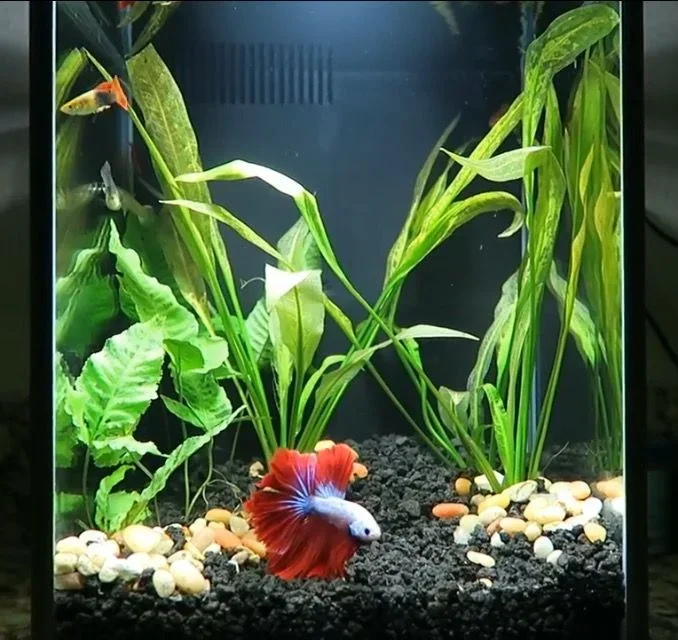
Plants, rocks, and caves give both the betta and tank mates places to retreat. Live plants are especially beneficial. They improve water parameters, provide oxygen, and create natural barriers. Floating plants like frogbit and water wisteria are great additions. They also break up light and make the betta feel less exposed.
Water Conditions
Bettas prefer warm water between 76°F and 82°F. The pH should be around 6.5 to 7.5. Make sure all your freshwater fish share similar requirements before adding them to the same tank. Investing in a quality heater and filter is essential for betta care.
Slow Introduction Process
Never dump all fish into the tank at once. Introduce the betta first and let it settle. Then add tank mates gradually over several days. Watch their behavior closely. If the betta shows signs of extreme stress or aggression, separate the fish immediately. Patience is your best tool here.
Key Takeaways: Are Betta Community Fish Right for You?
So, are betta community fish truly possible? The answer is nuanced. Some bettas can live in a community tank with careful planning. Others are better off solo. There is no shame in keeping a betta alone. Many bettas live happy, healthy lives in their own betta habitat without any roommates.
Here is a quick comparison to help you decide:
| Factor | Solo Betta | Betta in Community Tank |
|---|---|---|
| Stress Level | Low (no competition) | Medium to High (depends on tank mates) |
| Tank Size Needed | 5 gallons minimum | 20 gallons or more |
| Maintenance | Simple | More complex |
| Cost | Lower | Higher |
| Visual Appeal | Single fish focus | Diverse and dynamic |
| Risk of Aggression | None | Moderate to High |
Both options have their merits. A solo betta is easier to manage and guarantees no fighting. A community setup is more visually stunning and engaging. If you choose the community route, take your time. Observe your betta’s behavior closely. Start with the safest tank mates like snails and shrimp before trying fish. Are you supposed to put betta fish with other fish? Only if you are ready to intervene when things go wrong.
Remember that every betta is unique. What works for one betta may not work for another. Trust your observations. If your betta seems happy and relaxed in a community setting, you have found a winner. If it is constantly stressed, give it its own space. The well-being of your fish should always come first.
Understanding are betta community fish requires patience, research, and honest observation. The world of betta splendens is full of surprises. With the right approach, you can create a beautiful peaceful aquarium that showcases the best of community living for your fish. Good luck, and happy fish keeping!
Frequently Asked Questions
Are Betta Community Fish?
Betta fish can be community fish, but it depends on their personality and tank setup. Some bettas are peaceful and coexist well with other species, while others are aggressive and do better alone. Choosing the right tank mates and providing enough space makes all the difference.
Can Betta Fish Live With Other Fish?
Yes, bettas can live with other fish when you pick compatible tank mates carefully. Peaceful species like corydoras, snails, and certain tetras work well in a shared aquarium. Avoid fish with bright colors or long fins, as bettas may see them as rivals.
What Fish Can Live With Bettas Safely?
Great tank mates for bettas include corydoras catfish, kuhli loaches, ghost shrimp, and harlequin rasboras. These fish are calm, occupy different areas of the tank, and won’t trigger your betta’s aggression. Always monitor their behavior closely when you first introduce new fish.
Why Do Bettas Fight Other Fish?
Bettas are naturally territorial, especially males, because they defend their space in the wild. Bright colors, flowing fins, and crowded spaces can trigger aggressive behavior in community tanks. Providing plenty of hiding spots and keeping the tank large enough helps reduce conflict.
Can Female Betta Fish Live in Community Tanks?
Female bettas are generally less aggressive than males and can sometimes thrive in community setups. You can also keep several females together in a sorority tank if the tank is large enough with plenty of hiding places. However, every female betta has a unique temperament, so watch for signs of stress or bullying.
What Tank Size Is Needed for Betta Community Fish?
A minimum of a 20-gallon tank is recommended when keeping a betta with other fish. A larger tank gives everyone enough space to establish their own territory and reduces the chance of fights. Make sure you add plants, caves, and decorations to break up sightlines and create separate zones.