Do Betta Fish Get Along with Guppies
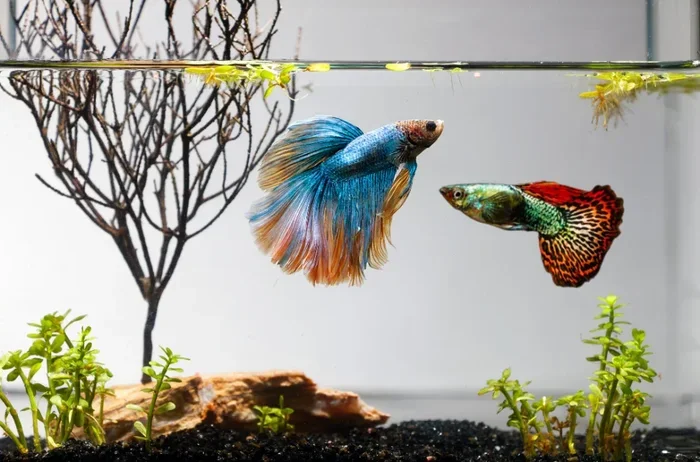
Can betta fish and guppies get along? The answer depends on your setup, temperament, and tank conditions. Many aquarists successfully keep these two species together, but it requires careful planning and monitoring. This guide covers everything you need to know about betta fish and guppy compatibility, from tank setup to temperament management.
Keeping a community aquarium can be one of the most rewarding hobbies out there. But when you mix two popular species like betta fish and guppies, things can get tricky. Many new fish keepers wonder whether these two species can share a tank without problems. The truth is, it depends on several factors. Temperament, tank size, setup, and even individual fish personalities all play a role.
This guide walks you through everything you need to know about keeping bettas and guppies together. You will learn about compatibility risks, ideal tank setups, feeding strategies, and what to do if things go wrong. By the end, you will have a clear picture of whether this combination works for your aquarium.
Key Takeaways
- Compatibility Varies: Some bettas and guppies coexist peacefully, while others show aggression depending on temperament and tank setup.
- Tank Size Matters: A minimum 20-gallon tank reduces stress and territorial behavior for both species.
- Tank Setup Is Critical: Plenty of plants, hiding spots, and open swimming space help minimize conflict.
- Monitor Behavior Closely: Watch for fin nipping, chasing, and flaring, and be ready to separate fish if needed.
- Male Bettas Pose Higher Risk: Male bettas tend to be more aggressive and may target guppy fins.
- Feeding Strategy Helps: Separate feeding zones prevent food competition and reduce stress.
📑 Table of Contents
Understanding Betta Fish and Guppies
Before you decide to house these two species together, it helps to understand each one individually. Both bettas and guppies are popular freshwater fish, but they come from very different backgrounds and have distinct behaviors.
What Makes Betta Fish Unique
Betta fish, also known as Siamese fighting fish, are native to Southeast Asia. They are known for their long, flowing fins and vibrant colors. Male bettas, in particular, are territorial. In the wild, they defend small patches of shallow water from other males. This territorial nature is the biggest challenge when pairing them with other fish.
Betta fish are also labyrinth breathers, which means they can gulp air from the surface. This adaptation allows them to survive in low-oxygen water, but it also means they prefer calm water flow. Fast currents stress them out and can trigger aggressive behavior.
What Makes Guppies Unique
Guppies are small, colorful, and peaceful community fish. They originate from South America and are known for their easygoing nature. Guppies are livebearers, which means they give birth to live young rather than laying eggs. This makes them prolific breeders, which can quickly lead to overpopulation if you are not careful.
Guppies are active swimmers and enjoy schools of their own kind. They are generally non-aggressive, but their long, flowing fins can sometimes trigger a betta’s hunting instinct. This is one of the key reasons why compatibility is not guaranteed.
Can Betta Fish and Guppies Live Together?
The short answer is: sometimes. Many aquarists successfully keep bettas and guppies in the same tank. But success is never guaranteed. Betta fish get along with other fish on a case-by-case basis. Some bettas are docile and ignore their tank mates, while others are highly territorial and attack anything that moves.
When it comes to guppies specifically, the risk of conflict is real. Betta fish can fight with guppies, especially male bettas with long fins. The bright colors and flowing tails of guppies can trigger a betta’s aggression. In some cases, a betta may chase or nip at guppy fins, causing stress and injury.
Female bettas tend to be less aggressive than males. If you are considering this pairing, a female betta may be a safer choice. However, even female bettas can show territorial behavior, so careful observation is always necessary.
Factors That Influence Compatibility
Several factors determine whether your betta and guppies will get along:
- Individual Temperament: Some bettas are simply more relaxed than others. You cannot predict behavior based on breed alone.
- Guppy Fin Length: Fancy guppies with long, elaborate tails are more likely to trigger aggression than short-finned varieties.
- Tank Size: A larger tank gives fish more space to establish territories and reduces confrontations.
- Tank Setup: Plenty of plants and hiding spots break up sightlines and reduce stress for both species.
- Stocking Levels: Overcrowding increases competition and aggression. Keep numbers balanced.
Setting Up the Perfect Tank
A proper tank setup is the foundation of a peaceful community aquarium. If you want your betta and guppies to coexist, you need to get the environment right. A poorly designed tank is the number one cause of fish aggression.
Tank Size Requirements
Go with a minimum of 20 gallons for a betta and guppy community. A 10-gallon tank is too small for this combination. In a small tank, territories overlap quickly, and fish have nowhere to escape confrontation. A 20-gallon tank or larger gives everyone enough space to claim their own area without constant conflict.
If you plan to keep a group of guppies with one betta, aim for 30 gallons or more. Guppies do best in groups of three to five, and they need room to swim. A spacious tank also helps dilute aggression. If a betta chases a guppy, the guppy has more room to find shelter.
Plants and Decorations
Live plants are your best friend in a betta-guppy tank. They serve multiple purposes:
- They break up sightlines and reduce territorial confrontations.
- They provide hiding spots for guppies, especially fry.
- They improve water quality by absorbing nitrates.
- They create a natural, stress-free environment for both species.
Good plant choices include java fern, anubias, amazon sword, and floating plants like frogbit or water lettuce. Floating plants are especially beneficial for bettas because they like to rest near the surface. Decorations like caves, driftwood, and rocks also help break up lines of sight and give fish places to retreat.
Water Parameters
Both bettas and guppies thrive in similar water conditions, which is one reason they can potentially coexist. Aim for these parameters:
- Temperature: 76-82°F (24-28°C)
- pH: 6.5-7.5
- Ammonia: 0 ppm
- Nitrite: 0 ppm
- Nitrate: Below 20 ppm
Stable water conditions are just as important as the parameters themselves. Test your water weekly and perform regular partial water changes. Sudden changes in water quality stress fish and can trigger aggressive behavior.
Feeding Strategies for a Peaceful Tank
Feeding time can be a source of conflict in any community tank. Bettas and guppies have different feeding habits, and competition for food can lead to stress and aggression.
What to Feed Each Species
Betta fish are carnivores. They thrive on a diet of high-quality betta pellets, frozen or live brine shrimp, and bloodworms. Guppies are omnivores and do well with flake food, sinking pellets, and frozen foods like daphnia and brine shrimp.
Because bettas are slower eaters, they may miss out if guppies gobble up all the food first. To prevent this, try feeding the betta first with a targeted pellet near its favorite spot. Then distribute flake food across the tank for the guppies.
Feeding Tips to Reduce Conflict
- Feed small amounts multiple times a day rather than one large meal.
- Use a feeding ring or target feeding to ensure the betta gets its share.
- Watch during feeding to make sure all fish are eating adequately.
- Remove uneaten food after a few minutes to maintain water quality.
Proper feeding reduces competition and keeps both species healthy and calm. A well-fed fish is a less aggressive fish.
Signs of Trouble and How to Fix Them
Even with the best setup, problems can arise. Knowing the warning signs of aggression helps you intervene before anyone gets hurt.
Warning Signs to Watch For
Look out for these behaviors that indicate your betta and guppies are not getting along:
- Flaring: The betta flares its gills and fins at the guppies constantly.
- Chasing: The betta actively pursues guppies around the tank.
- Fin Nipping: You notice torn or ragged fins on the guppies.
- Hiding: Guppies spend all their time hiding and stop eating.
- Loss of Color: Either species fades in color, which signals stress.
If you notice any of these signs, do not wait. Prolonged stress weakens the immune system and can lead to disease. In serious cases, a betta may actually kill guppies, especially if it views them as a threat or a food source.
How to Resolve Aggression
If aggression occurs, you have several options:
- Add more plants and decorations: This breaks up sightlines and gives the guppies escape routes.
- Use a tank divider: A partial divider can separate the fish while keeping them in the same aquarium.
- Rehome one species: If the aggression persists, it may be best to move either the betta or the guppies to a separate tank.
Sometimes the simplest solution is the best one. Not every fish combination works, and that is okay. The well-being of your fish always comes first.
Alternatives to Guppies for Betta Tanks
If you find that guppies do not work with your betta, do not worry. There are plenty of other peaceful community fish that may be a better match. Consider these alternatives:
- Neon Tetras: Small, peaceful, and colorful. They stay in the middle and lower parts of the tank.
- Cory Catfish: Bottom-dwellers that are peaceful and help keep the tank clean.
- Snails: Nerite snails and mystery snails are great tank mates that do not compete with fish for space.
- African Dwarf Frogs: Peaceful and interesting to watch, they occupy a different niche than fish.
Each of these options has its own compatibility profile. Research thoroughly before adding any new species to your betta tank. You can also check articles like do betta fish get along with other fish for more ideas on compatible tank mates.
Expert Insights and Common Mistakes
Even experienced aquarists make mistakes when setting up community tanks. Here are a few common pitfalls to avoid:
Common Mistakes to Avoid
- Underestimating Betta Aggression: Many people assume bettas are always peaceful. While female bettas and some males are calm, individual temperament varies widely.
- Overcrowding the Tank: Too many fish in a small space leads to stress, poor water quality, and aggression.
- Ignoring Early Warning Signs: Subtle signs of stress like hiding or loss of appetite should be addressed immediately.
- Skipping Quarantine: New fish can introduce diseases. Always quarantine new arrivals before adding them to your main tank.
- Neglecting Water Changes: Dirty water causes stress and triggers behavioral problems in all fish species.
One mistake many people make is assuming that because bettas and guppies are both popular community fish, they will automatically get along. This is not always the case. Each fish has its own personality, and compatibility must be evaluated individually. Some aquarists report great success with this pairing, while others find it does not work at all. Be prepared for either outcome.
Expert Tips for Success
Here are some tips from experienced aquarists who have successfully kept bettas and guppies together:
- Start with a female betta, as they tend to be less aggressive than males.
- Choose short-finned guppy varieties to reduce the chance of triggering a betta’s aggression.
- Introduce fish gradually. Add the guppies first and let them establish themselves before adding the betta.
- Observe the tank for at least a few hours each day during the first two weeks.
- Keep a backup tank ready in case you need to separate the fish quickly.
Patience is key. It can take days or even weeks for fish to adjust to each other. Give them time and watch their behavior closely during the adjustment period.
Conclusion
So, do betta fish get along with guppies? The honest answer is: it depends. With the right tank size, thoughtful setup, and careful monitoring, many aquarists enjoy success with this combination. However, it is not a guaranteed match, and you should always be prepared for the possibility that it will not work.
Start with a spacious tank, provide plenty of hiding spots, and watch your fish closely during the first few weeks. If you notice persistent aggression, do not hesitate to separate the fish. The goal is a healthy, stress-free environment for every inhabitant in your aquarium.
Remember, every fish is an individual. What works for one aquarist may not work for another. Stay flexible, keep learning, and most importantly, enjoy the process of building your perfect community tank. Whether you keep bettas with guppies or explore other tank mate options, the journey of creating a thriving aquarium is one of the most rewarding parts of the hobby.
If you want to explore more about betta fish compatibility, check out our guides on do betta fish fight with guppies and do betta fish kill guppies. These resources provide deeper insights into the specific dynamics between bettas and guppies.
Frequently Asked Questions
Can a male betta fish live with guppies safely?
Male bettas can live with guppies, but it comes with higher risks. Male bettas are more territorial and may see the bright colors and long fins of guppies as a threat. If you try this pairing, choose a well-planted tank of at least 20 gallons and monitor behavior closely during the first few weeks.
What is the best tank size for keeping bettas and guppies together?
A minimum of 20 gallons is recommended for a single betta and a small group of guppies. Larger tanks, such as 30 gallons, provide more space and make it easier to maintain stable water conditions. A bigger tank also reduces the chances of territorial confrontations.
Do female bettas get along better with guppies than males?
Yes, female bettas are generally less aggressive than males. They tend to be more social and tolerate the presence of other fish better. However, even female bettas can show territorial behavior, so careful observation is always necessary when introducing any new fish.
Why do bettas chase guppies in the tank?
Bettas may chase guppies for several reasons. The bright colors and flowing fins of guppies can trigger a betta’s territorial or hunting instincts. Overcrowding, lack of hiding spots, and poor tank setup can also increase chasing behavior. Providing plenty of plants and decorations helps reduce this issue.
Can guppy fry survive in a tank with a betta fish?
Guppy fry have a very low survival rate in a tank with a betta. Bettas are opportunistic feeders and may eat small fry. If you want to raise guppy fry, it is best to separate them into a breeding trap or a dedicated fry tank until they are large enough to avoid being seen as food.
What should I do if my betta and guppies are not getting along?
If aggression persists, try adding more plants and decorations to break up sightlines. If that does not help, consider using a tank divider or rehoming one of the species. The health and safety of your fish should always come first. Sometimes the best solution is to keep them in separate tanks.