Can My Betta Fish Live with Other Fish
Yes, a betta fish can sometimes live with other fish, but it requires careful planning and is not guaranteed. Success depends entirely on your individual betta’s temperament, a properly sized and decorated tank, and selecting truly peaceful, compatible species. You must prioritize your betta’s safety and be prepared to separate them at any sign of aggression, as bettas are famously solitary and territorial by nature.
So, you’ve got that stunning, flowing betta fish—often called a Siamese fighting fish—gracing your living room. Maybe it’s a vibrant blue with fins like silk, or a fiery red with a personality that already seems to know it’s the star of the show. You love watching it glide through the water, and you think, “It must be lonely in there all by itself. Can my betta fish live with other fish?” It’s one of the most common questions in the aquarium hobby, and the answer is one of the most nuanced. The short answer is: sometimes, but it’s a calculated risk, not a guarantee.
For centuries, bettas were bred specifically for aggression in fights, a practice still prevalent in parts of Southeast Asia. This history has hardwired them with a strong territorial instinct, particularly the males. They are, by their very nature, solitary creatures. However, with the right knowledge, setup, and a huge dose of patience, you can sometimes create a peaceful community tank that includes a betta. But it’s a journey paved with careful decisions, constant vigilance, and the humility to accept that your betta might simply prefer to be a solo artist. Let’s dive deep into everything you need to know to make that informed decision.
Key Takeaways
- Bettas are solitary and territorial by nature: Their centuries of selective breeding for aggression mean they often view other fish as rivals or threats, especially those with long, flowing fins.
- Tank size and setup are non-negotiable: A minimum of 10 gallons is essential for any community attempt, with abundant plants, decorations, and hiding spots to break lines of sight and reduce stress.
- Compatibility is species-specific and individual: Only certain peaceful, fast-moving, or bottom-dwelling fish have a chance. Your specific betta’s personality is the ultimate deciding factor.
- Avoid all fin-nippers, large fish, and other Bettas: Fish like tiger barbs or angelfish will harass a betta, while another betta will almost certainly fight, often fatally.
- The introduction process must be slow and monitored: Using a divider or quarantine tank first is critical. You must watch for flaring, chasing, and fin-nipping before considering full integration.
- You must have a backup plan: Always have a separate, cycled “hospital” or “solo” tank ready to instantly remove either the betta or its tankmate if aggression occurs.
- Long-term observation is key: Even if the initial introduction seems peaceful, stress can build over weeks. Watch for faded colors, lethargy, torn fins, or hiding in your betta.
📑 Table of Contents
- Understanding Betta Temperament: The Solo Artist’s Mind
- Tank Setup & Space Requirements: The Foundation of Peace
- Ideal Tankmates for Bettas: The Peaceful Cohorts
- Fish to Avoid: The Danger Zone
- The Introduction Process: Slow and Steady Wins the Race
- Long-Term Care & Recognizing Stress Signals
- Conclusion: Patience, Observation, and Acceptance
Understanding Betta Temperament: The Solo Artist’s Mind
Before we even talk about other fish, we must understand our betta. Thinking of a betta as just another community fish is the first and biggest mistake new aquarists make. Their behavior is driven by millennia of instinct.
The Legacy of the Fighting Fish
The name “Siamese fighting fish” isn’t a misnomer. In their native Thailand (formerly Siam), they were pitted against each other in matches that, while rarely lethal, were brutal displays of dominance. This selective pressure favored males that were fiercely territorial and aggressive toward other males with similar flowing fins (which signal a rival). While modern pet bettas are far less aggressive than their fighting stock ancestors, that genetic blueprint remains. A male betta’s primary drives are to defend its bubble nest (or claimed territory) and to repel any fish that looks like a competitor.
Male vs. Female: A World of Difference
This is a critical distinction. Male bettas are almost always the candidates for community tanks. They are the ones with the spectacular, long fins and vibrant colors that make them so popular. Female bettas, while also capable of aggression, are generally less flamboyant and can sometimes be kept in small groups (a “sorority”) with careful management, though this is still advanced and risky. For the purpose of this guide, when we say “betta,” we are primarily referring to the male betta splendens, as they are the vast majority of pets sold. Attempting to house two male bettas together is virtually always a recipe for disaster and should never be attempted.
Personality Over Species: The Individual Factor
Here’s the most important truth: bettas have personalities. Some are laid-back, almost docile. Others are little tyrants who flare at their own reflection. You cannot predict with 100% certainty how any individual betta will react. This is why the “try it and see” approach, while common, is cruel and dangerous. You must start with the assumption that your betta *will* be aggressive and design your plan to mitigate that instinct. The betta that lives peacefully with a school of neon tetras in one tank might try to kill the exact same species in another. You are working with a living, breathing individual, not a checklist.
Tank Setup & Space Requirements: The Foundation of Peace
If you decide to proceed, your tank setup is the single most important factor you control. A poor setup guarantees failure, no matter how “compatible” your fish choices are. Think of it this way: you’re trying to reduce the betta’s perception of threat and provide escape routes for any potential tankmates.
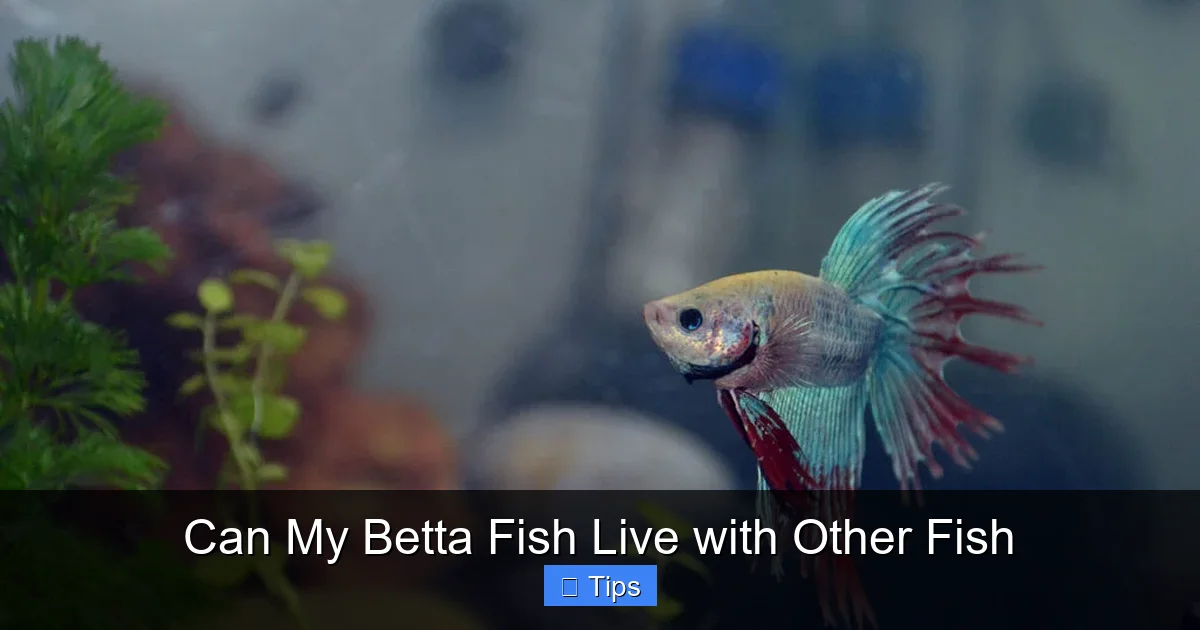
Visual guide about Can My Betta Fish Live with Other Fish
Image source: fishkeepingadvice.com
Size Matters: Minimum 10 Gallons, Seriously
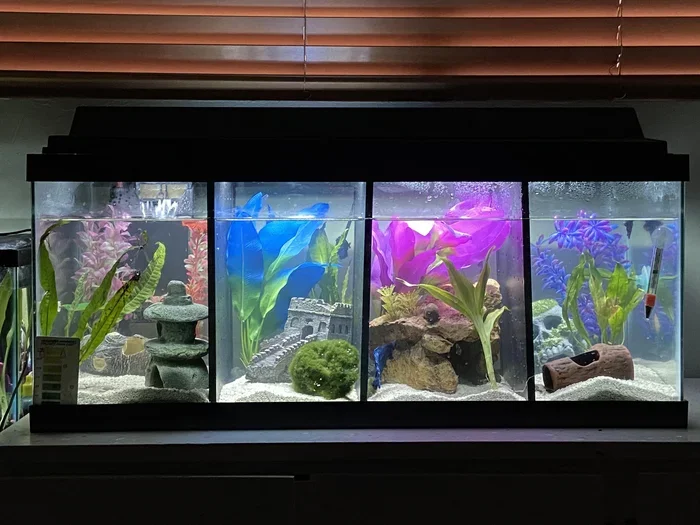
Let’s crush this myth right now: a betta does not belong in a tiny vase or a one-gallon bowl. That’s not a home; it’s a prison that exacerbates stress and aggression. For any community attempt, a minimum of 10 gallons is the absolute starting point. A 20-gallon long tank is even better, as it provides a much larger footprint (surface area) and more horizontal swimming space, which is more important than vertical height for most community fish. More space dilutes the betta’s territorial focus and gives other fish room to establish their own territories far from the betta’s chosen spot.
Breaking the Line of Sight: The Art of Aquascaping
In a small, empty tank, a betta sees everything and everyone as an intruder in its living room. Your job is to create a labyrinth. Use a variety of decorations:
- Live Plants: These are gold. Plants like java fern, anubias, amazon swords, and floating plants (like frogbit or water lettuce) provide dense cover, break sight lines, and improve water quality. They make the tank feel larger and safer.
- Driftwood & Rockwork: Create caves, overhangs, and crevices. Ensure all decorations are aquarium-safe and have no sharp edges that could tear a betta’s delicate fins.
- Pottery & Ornaments: Ceramic flower pots (holes plugged), betta logs, and other commercial hides are excellent. The goal is to create a visual barrier so the betta cannot constantly see its tankmates.
A well-decorated tank is not just pretty; it’s a behavioral management tool.
Water Parameters & Filtration
A stable, clean environment reduces stress for all fish. Bettas are tropical fish from warm, shallow waters. Aim for:
- Temperature: 76-82°F (24-28°C). Use a reliable heater; temperature swings are stressful.
- Filtration: A gentle filter is a must. Strong currents exhaust bettas and damage their long fins. Sponge filters or hang-on-back filters with flow diffusers are excellent choices. The tank must be fully cycled (established nitrogen cycle) before adding any fish.
Ideal Tankmates for Bettas: The Peaceful Cohorts
Now for the fun part: choosing potential roommates. The ideal betta tankmate is a fish that is peaceful, fast-moving, occupies a different tank level (bottom or middle), and has short, non-flashy fins. They should be too busy with their own species to bother the betta and be able to dart away if the betta gets curious. Here are the best categories, with specific examples.
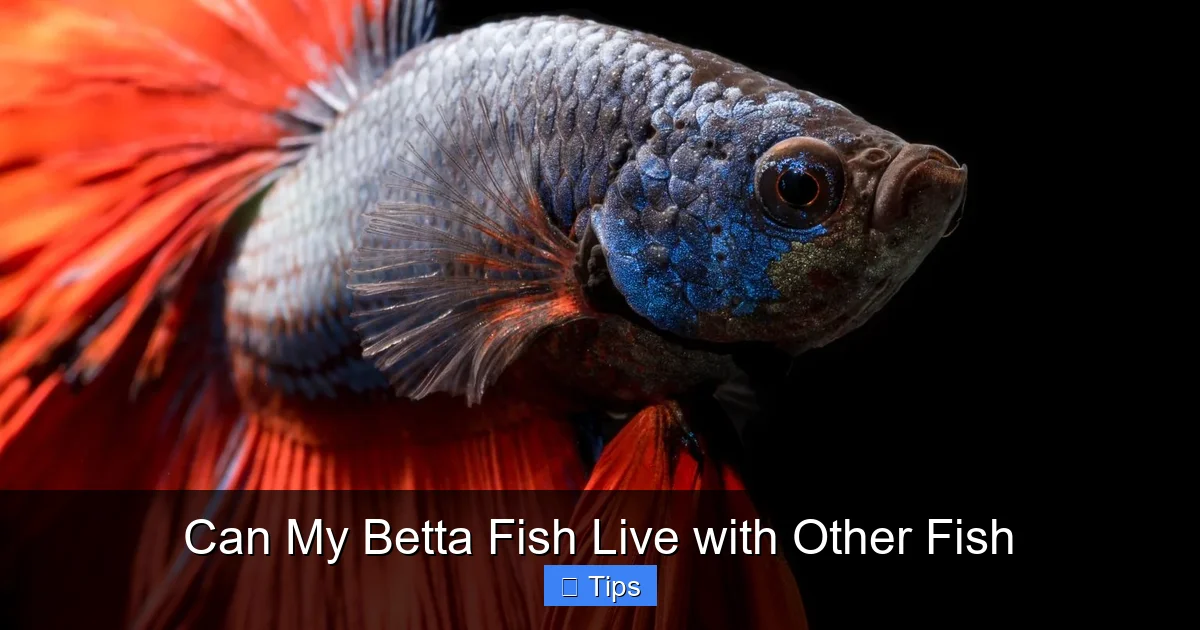
Visual guide about Can My Betta Fish Live with Other Fish
Image source: fishkeepingadvice.com
Small, Peaceful Schooling Fish (Top & Middle Levels)
These fish add activity and color without posing a threat. Their key trait is that they are naturally skittish and stay in groups, making them less likely to be singled out.
- Neon Tetras & Cardinal Tetras: The classic choice. They are fast, stay in the upper-middle levels, and their small size and plain bodies (no long fins) don’t trigger a betta’s aggression. Keep them in a proper school of 6+.
- Harlequin Rasboras: Slightly larger and hardier than neons, also schooling fish that prefer the top half of the tank.
- Celestial Pearl Danios (CPDs): Tiny, active, and beautiful. They are bottom-middle dwellers but are so fast and shy they often avoid conflict.
- Ember Tetras: Small, orange, and very peaceful. Their diminutive size makes them less of a perceived threat.
Important Note: All tetras and rasboras must be kept in proper schools (6-10 minimum) to feel secure and exhibit natural, stress-free behavior. A lone tetra is a stressed, vulnerable target.
Bottom-Dwelling Catfish & Loaches
These fish occupy a completely different niche. They are on the substrate, mostly nocturnal or shy, and are generally armored or fast. They are the ultimate “ignore me” tankmate.
- Pygmy Corydoras: The #1 recommended bottom dweller. These tiny, adorable catfish are social (keep 6+), active during the day, and have a bony plate for armor. They sift through sand for food and pose zero threat.
- Kuhli Loaches: Eel-like, nocturnal, and incredibly peaceful. They burrow and hide, only coming out to scavenge. Their odd appearance doesn’t register as a “fish” to a betta.
- Bristlenose Plecos (Ancistrus): A small, armored pleco species. They are algae eaters and mostly keep to themselves on the glass or wood. Avoid common plecos, which grow huge and can be slimy, potentially irritating a betta.
Invertebrates: The Ultimate Low-Profile Roommates
For the cautious betta owner, invertebrates are a fantastic starting point. They are not fish, so they don’t trigger the same territorial response.
- Ghost Shrimp or Amano Shrimp: Ghost shrimp are transparent and busy scavengers. Amano shrimp are larger, hardy algae-eaters. They are fast and can often escape a curious betta. Provide lots of moss and hiding places.
- Nerite Snails: The perfect snail. They have a hard shell that a betta cannot penetrate, they don’t reproduce in freshwater, and they are excellent algae grazers. They are utterly oblivious to the betta.
- Mystery/Apple Snails: Larger, with a thick shell. They are slow, so a persistent betta might peck at their antennae, but they are generally safe. They produce a lot of waste, so bio-load must be considered.
- Freshwater Clams: A more unique option. They bury themselves and filter feed, completely invisible and uninteresting to a betta.
Avoid small, soft-shelled shrimp like cherry shrimp (Neocaridina) with a known aggressive betta. They are often seen as tasty snacks. It’s a gamble that works for some and fails for others.
Fish to Avoid: The Danger Zone
Just as important as knowing who *might* work is knowing who absolutely will not. These are not just bad choices; they are recipes for stress, injury, and death.
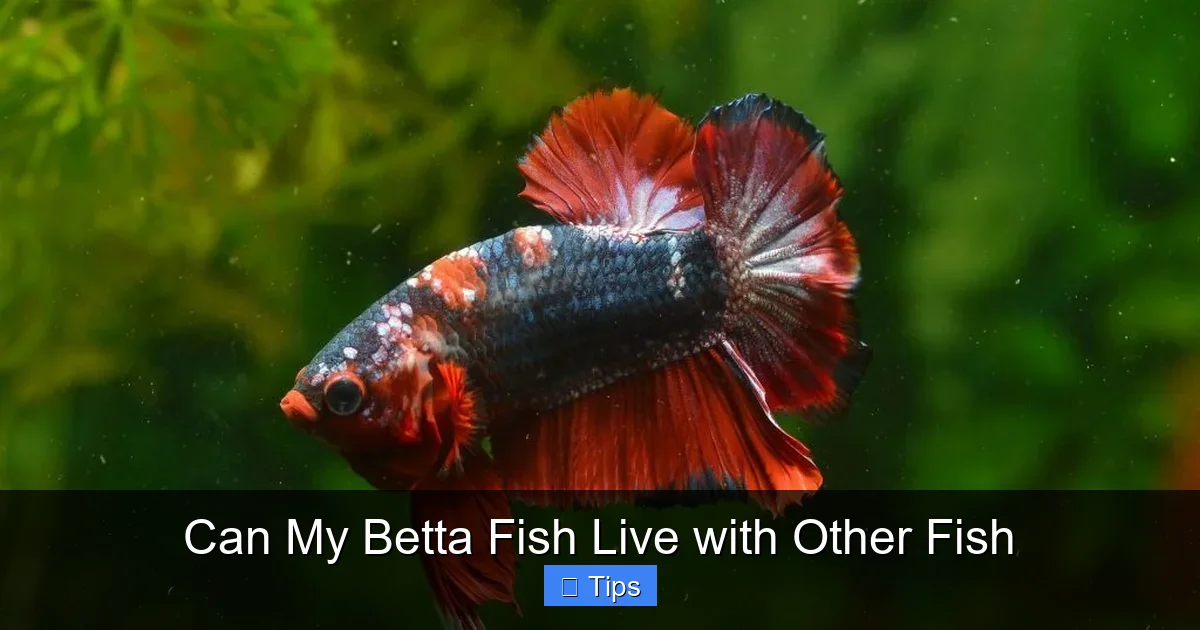
Visual guide about Can My Betta Fish Live with Other Fish
Image source: fishkeepingadvice.com
Other Bettas (No Exceptions)
Two male bettas together will fight until one is dead or severely injured. This is non-negotiable. A male and female pair can only be kept together temporarily for breeding under strict supervision, not as permanent tankmates. Female betta sororities (groups of 4-5 females) are possible in large, heavily planted tanks (20+ gallons) but are still advanced and prone to pecking orders turning violent. For 99% of hobbyists, one betta per tank is the only safe rule.
Fin-Nippers & Long-Finned Fish
Any fish with a reputation for nipping fins is a direct threat. Bettas have long, flowing fins that are irresistible targets.
- Tiger Barbs, Serpae Tetras, Black Skirt Tetras: Famous fin-nippers. They will relentlessly harass a betta, causing extreme stress and physical damage.
- Angelfish, Gouramis (other than some dwarfs), and other fish with long, flowing fins: The betta will see these as rival males and attack. These fish may also become territorial themselves, leading to a two-way conflict.
Large, Aggressive, or Boisterous Fish
Fish that are too big, too mean, or too active can bully or outcompete a betta.
- Cichlids (most): Aggressive, intelligent, and often territorial. They will either kill the betta or be so domineering that the betta is too stressed to eat.
- Large Danios (like Zebra Danios): Extremely fast and boisterous. They can chase a betta relentlessly, nipping at its long fins, causing the betta to hide and starve.
- Goldfish: A terrible match. They are cold-water fish (different temperature needs), huge waste producers that foul the water, and are far too boisterous and greedy for a delicate betta.
Slow, Fancy, or Delicate Fish
The opposite problem: fish that are too slow or fragile to escape a curious betta.
- Fancy Guppies: While some keep them successfully, male guppies have gorgeous, flowing tails that look exactly like a rival male betta. The betta will almost certainly attack them.
- Bettles (Betta imbellis): A different wild species, but still a betta. They can be aggressive towards splendens.
- Any fish with exceptionally long, flowing fins (like some fancy goldfish or balloon mollies): These are a red flag to a betta.
The Introduction Process: Slow and Steady Wins the Race
You’ve got your 10+ gallon tank, heavily planted, with a gentle filter. You’ve chosen a school of pygmy corydoras and a nerite snail. Now what? Never, ever just drop the new fish in. The introduction is a multi-step process that can take weeks.
Step 1: Quarantine & Preparation
First, quarantine all new fish (except invertebrates) in a separate tank for 2-4 weeks. This prevents introducing diseases to your main tank. During this time, your main tank should be fully cycled and running with only your betta. Get your betta used to the new decorations and the empty space. This also lets you observe your betta’s baseline behavior. Is it flaring at its own reflection? Is it lethargic? Know your fish before you add stress.
Step 2: The Divider Method (Highly Recommended)
The safest method is to use a tank divider. Place the new fish on one side of a clear, sealed divider and your betta on the other. They can see each other but cannot physically interact. This serves two purposes:
- Acclimation: The betta gets used to the presence of another fish without being able to attack. Its initial flaring and posturing should subside after a day or two.
- Observation: You can watch how the betta reacts. Does it constantly hang at the divider, flaring? Or does it mostly ignore the other fish after a day? The goal is for the betta to show minimal interest.
Keep the divider in place for at least a week, preferably two. Monitor both fish for signs of stress: loss of color, clamped fins, hiding, not eating.
Step 3: The First “Date” & Supervised Visits
If the divider phase goes well (betta is largely indifferent), you can try a supervised release. Use a net or cup to catch the new fish and temporarily remove it. Then, use a fish trap or a large cup to gently net your betta and place it in a separate container (with some tank water). Now, release the new fish into the main tank. Let them explore for 15-30 minutes. Then, carefully reintroduce your betta. Do not just let the betta go. Lower it in a cup near the surface and let it swim out. Watch like a hawk for the first hour. Be ready with a net to immediately remove the betta if chasing begins. This is a test, not a final integration. You may need to repeat this supervised “visit” a few times before leaving them together overnight.
Step 4: The Critical First 72 Hours
If you decide to leave them together, the first three days are the most dangerous. Do not turn off the lights. Keep a close eye. Flaring (gills flared, fins spread, body stretched) is a warning sign. Chasing that doesn’t stop after a few minutes is a problem. Fin-nipping (seeing torn fin edges) is an immediate red line. Have your backup tank (the betta’s original solo tank) fully cycled and ready to receive either fish at a moment’s notice.
Long-Term Care & Recognizing Stress Signals
Congratulations! You’ve made it past the first week and everyone seems peaceful. Your job is not done. Community tank dynamics can shift.
The “Honeymoon Period” Can End
Sometimes, a betta will tolerate a new tankmate for a few weeks, then suddenly decide it’s had enough. This can happen as the betta matures, as seasons change, or simply because its mood shifts. Continue to observe daily. Is your betta patrolling its territory more aggressively? Are the other fish suddenly hiding in the back corners all day?
Reading the Subtle Signs of Distress
Aggression isn’t always a dramatic chase. Chronic stress is a silent killer. Watch for:
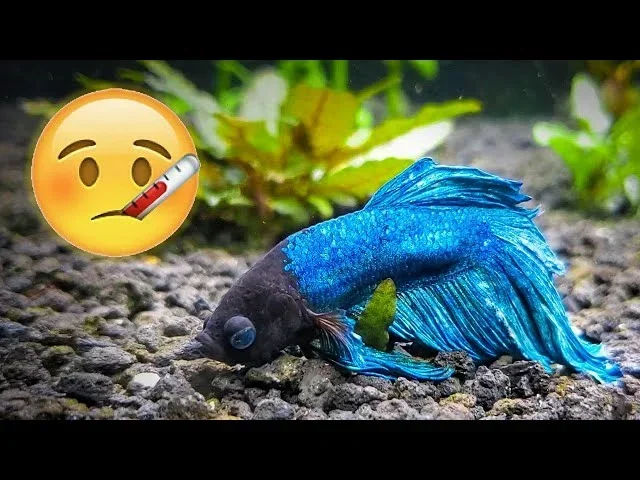
- In the Betta: Faded or dull colors (a healthy betta is vibrant), clamped fins (held tightly against the body), lethargy (not swimming actively), frequent hiding, loss of appetite, or lying on the bottom.
- In Tankmates: Hiding constantly, not schooling (for tetras/rasboras), frayed or torn fins, loss of color, frantic darting when the betta comes near, or not coming up to eat.
If you see these signs, it’s time to reassess the living situation. The stress can compromise immune systems and lead to disease.
Maintaining a Harmonious Environment
Consistency is key. Maintain excellent water quality with regular water changes (25% weekly). Feed your betta and its tankmates high-quality food in separate spots to reduce competition. Ensure there is enough food for everyone—a hungry betta is more likely to see other fish as food. Keep the tank well-lit but not overly bright, and maintain a consistent day/night cycle.
Conclusion: Patience, Observation, and Acceptance
So, can your betta fish live with other fish? The potential is there, but it’s a privilege, not a right. It is a commitment that requires more work, more equipment, and more mindfulness than a simple betta solo tank. You must become a student of your fish’s behavior, an aquascaping artist, and a patient mediator.
Start with the mindset that your betta will likely be a solo fish. If you choose to try a community, do it for the right reasons—to enrich the environment for both your betta and the other species—not just because you want a busier tank. Select your tankmates with extreme care, invest in a proper setup, and follow a slow, deliberate introduction protocol. And above all, be prepared to be the “bad guy” who separates the tank if things go south. Your betta’s well-being is the priority. Sometimes, the most beautiful and peaceful community is the one with a single, happy, healthy betta as its majestic centerpiece.
Frequently Asked Questions
Can I put two male betta fish together?
No. Two male bettas will fight, often to the death. They are fiercely territorial and view each other as mortal rivals. This is the origin of their “fighting fish” name and is never safe.
What about betta fish with shrimp, like cherry shrimp?
It’s a high-risk gamble. A curious or aggressive betta will eat cherry shrimp, especially the young ones. Larger, faster shrimp like ghost shrimp or Amano shrimp have a better chance, but there is no guarantee. Always have a backup plan.
Can my betta live with snails?
Yes, snails are generally excellent tankmates. Nerite snails are particularly recommended because they have a hard shell, don’t reproduce in freshwater, and are algae-eaters. Mystery snails are also usually safe, though a persistent betta might peck at their antennae.
Are goldfish good tankmates for bettas?
Absolutely not. Goldfish are cold-water fish that prefer temperatures around 68°F, while bettas need tropical temperatures around 78-80°F. Goldfish are also messy, produce massive amounts of waste, and are too boisterous for a betta. Their needs are completely incompatible.
How do I know if my betta is being aggressive towards its tankmates?
Look for active flaring (gills extended), persistent chasing, and fin-nipping (torn fins on either fish). Subtle signs of chronic stress in the betta include faded colors, clamped fins, lethargy, and constant hiding. In tankmates, look for frantic darting, constant hiding, and frayed fins.
What should I do if my betta starts attacking another fish?
You must act immediately. Have a separate, cycled “hospital” or backup tank ready. Use a net to remove the aggressor (the betta) or the victim, depending on the situation and severity. Do not wait to see if it “works itself out.” It won’t. Separate them permanently if aggression occurs. The safety of all fish is your responsibility.