Can Male Betta Fish Get Pregnant
No, male betta fish cannot get pregnant. Pregnancy, defined as carrying and nurturing developing offspring inside the body, is biologically impossible for male bettas. Only female bettas produce and carry eggs. The male’s crucial role is to fertilize the eggs externally and provide paternal care by tending the bubble nest and fanning the eggs until they hatch. Understanding this fundamental biological fact is essential for anyone considering breeding these beautiful but fiercely territorial fish.
Key Takeaways
- Biological Impossibility: Male bettas lack the reproductive organs (ovaries, ova) required for pregnancy. Only females produce eggs.
- External Fertilization: Betta reproduction involves the female releasing eggs and the male externally fertilizing them as they fall into his bubble nest.
- Male Parental Care: The male’s primary post-spawning duty is to guard and tend the bubble nest, fanning eggs for oxygen and retrieving any that fall.
- Female “Pregnancy” is Egg-Bearing: A gravid female carries unfertilized eggs in her oviduct, which is not pregnancy but preparation for spawning.
- Myth of Male Pregnancy: This confusion sometimes stems from observations of other species like seahorses or from misinterpreting a male’s protective nest-building as gestation.
- Breeding Requires Separation: Due to extreme aggression, male and female bettas must only be introduced temporarily for spawning under careful supervision.
- Health First: Breeding is stressful. Only healthy, well-conditioned adult bettas should be considered for breeding to ensure the welfare of the parents and future fry.
📑 Table of Contents
- Can Male Betta Fish Get Pregnant? The Definitive Answer
- Betta Biology 101: Understanding Sexual Dimorphism
- The Spectacle of Betta Spawning: A Choreographed Dance
- Debunking the Myth: Where Does the “Male Pregnancy” Idea Come From?
- The Female’s Journey: What “Pregnancy” Looks Like in Bettas
- Post-Spawn Care: The Critical Role of the Male (and the Owner)
- Practical Tips and Warnings for Prospective Betta Breeders
- Conclusion: Clarity in Care
Can Male Betta Fish Get Pregnant? The Definitive Answer
It’s a fascinating question that tickles the curiosity of every betta fish owner at some point: can male betta fish get pregnant? The short, clear, and biologically certain answer is no. Male betta fish, like all male vertebrates in their specific species, are not equipped for pregnancy. The concept of a male betta becoming pregnant is a persistent myth, often born from a misunderstanding of their unique breeding behaviors and the remarkable paternal care the male provides. This article will dive deep into betta biology, dismantle this common misconception, and provide a crystal-clear picture of what actually happens during betta reproduction. Whether you’re a curious beginner or a seasoned hobbyist considering breeding, understanding these facts is the first and most critical step.
Betta Biology 101: Understanding Sexual Dimorphism
To understand why male bettas cannot get pregnant, we must first look at the fundamental biological differences between the sexes, a concept known as sexual dimorphism. In betta splendens, these differences are pronounced and go far beyond just the males’ famous flowing fins and vibrant colors.
Visual guide about Can Male Betta Fish Get Pregnant
Image source: i.ytimg.com
The Female’s Reproductive System
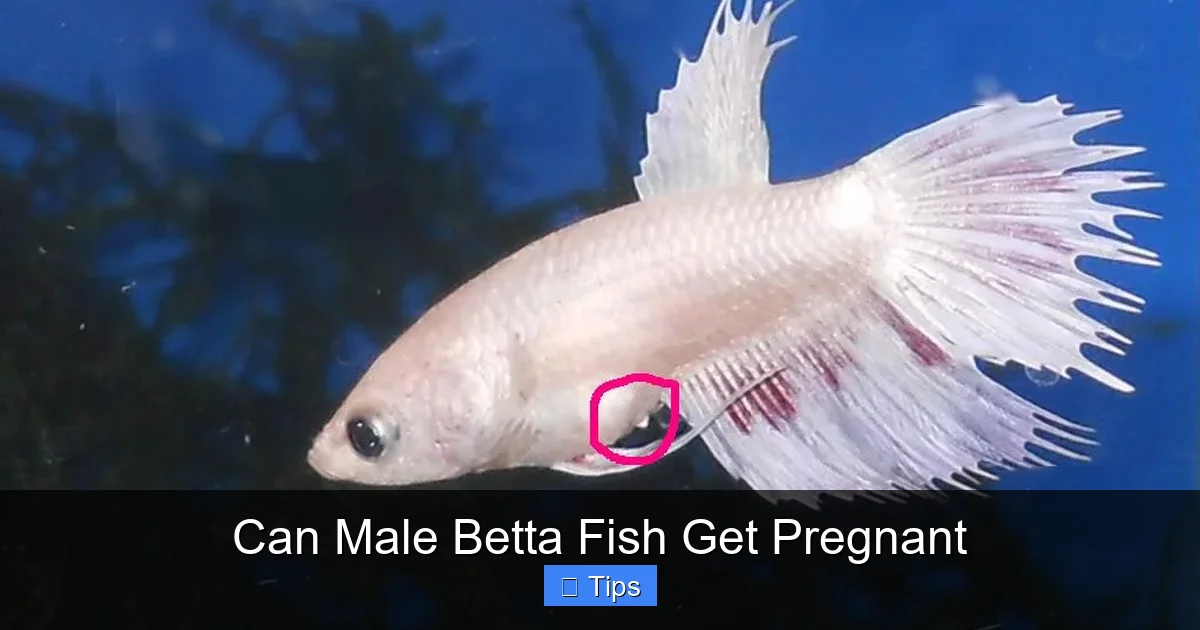
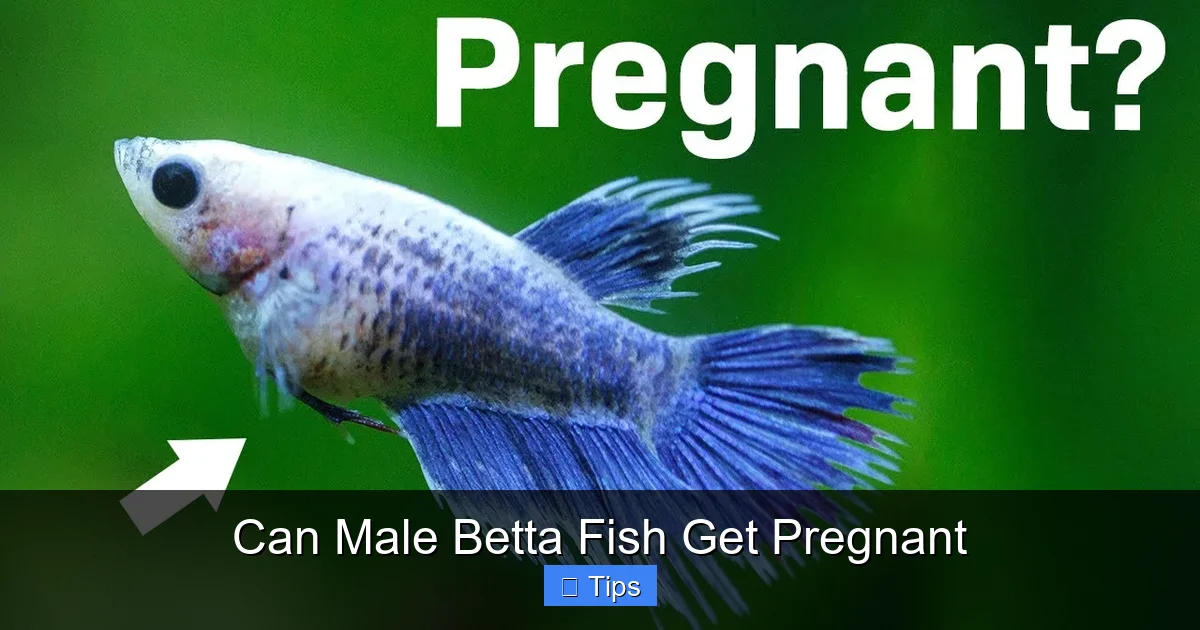
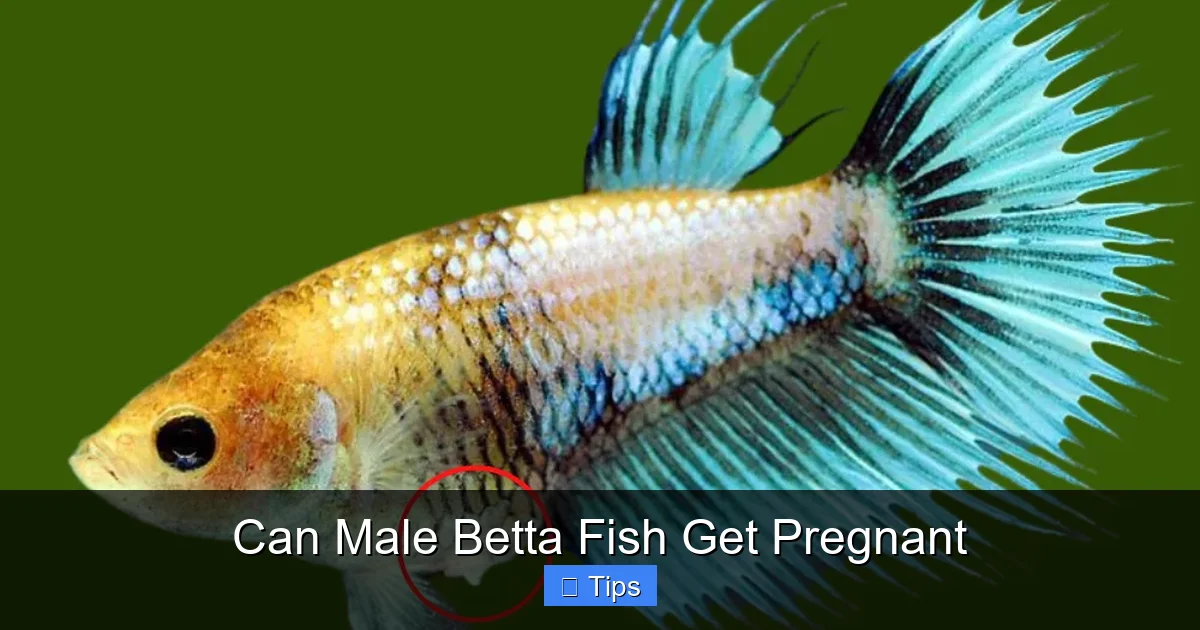
The female betta possesses the complete set of organs necessary for egg production and release. This includes a pair of ovaries where ova (eggs) develop and an oviduct through which the mature eggs travel before being released. When a female is “gravid” (carrying eggs), you can often see a small, soft, white or yellowish spot near her vent (the opening just in front of the anal fin). This is the “gravid spot,” a visual indicator of ripe eggs being held in the oviduct, ready for expulsion. This is the closest a betta comes to a “pregnant” state, but it is not pregnancy in the mammalian sense. The eggs are not developing into embryos inside her body; they are simply stored and awaiting external fertilization.
The Male’s Reproductive System
The male betta’s anatomy is designed for one primary reproductive task: sperm production and delivery. He has testes that produce sperm and a specialized organ called a “gonopodium” in some livebearers, but bettas are egg-layers. Instead, the male has a simple opening for sperm release. Critically, he has no ovaries, no oviduct, and no mechanism to receive, nurture, or carry eggs. His body is not built for it, hormonally or physically. His role begins and ends with the external act of fertilization and subsequent egg care.
The Spectacle of Betta Spawning: A Choreographed Dance
Now that we’ve established the “who” in betta reproduction, let’s explore the “how.” Betta spawning is one of the most dramatic and beautiful processes in the aquarium hobby, a tightly choreographed dance that highlights the distinct, non-overlapping roles of the male and female.
Visual guide about Can Male Betta Fish Get Pregnant
Image source: i.pinimg.com
The Bubble Nest: A Father’s First Investment
Before a female is even introduced, a ready-to-spawn male betta will begin an extraordinary project: building a bubble nest. Using a special mucus secreted from his mouth, he blows hundreds of tiny, glistening bubbles that coalesce on the water’s surface. This nest is not just a random pile of bubbles; it’s a carefully constructed, often elaborate structure that can span the corner of a tank. This act is driven by instinct and rising hormones. The quality and size of the nest are a direct signal to the female of the male’s fitness as a parent. It is his first and most important act of paternal preparation, but it is not an act of pregnancy. He is building a nursery, not carrying children.
The courtship and the “Nuptial Embrace”
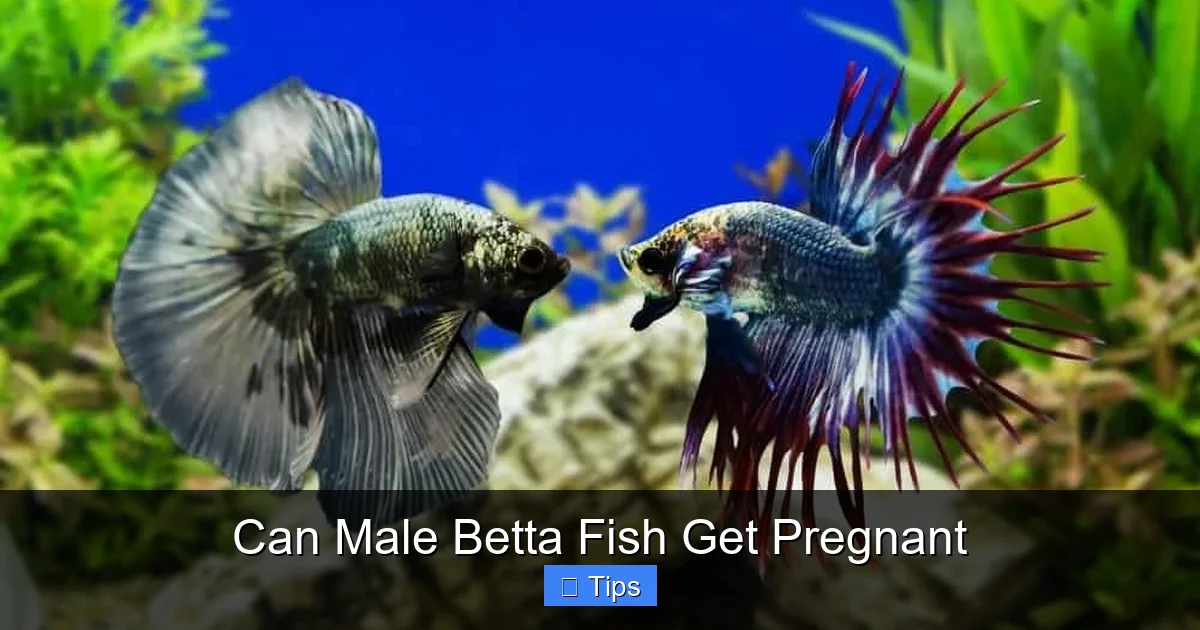
Once the female is introduced to the male’s territory (this must be done with extreme caution, often using a divider initially), a complex courtship begins. The male will display his fins intensely, flaring at the female to both attract and intimidate her. The female, if receptive, will darken in color, develop vertical bars (breeding bars), and may gently respond. The critical moment is the “nuptial embrace.” The male wraps his body around the female, who is often turned upside-down, and they sink together in the water column. During this embrace, the male gently massages the female’s abdomen to coax the eggs out. Simultaneously, he releases his sperm (milt) to fertilize the eggs externally as they are expelled. This external fertilization is the key. There is no internal transfer of eggs into the male’s body. The eggs, now fertilized, immediately begin to sink.
The Male’s Tireless Paternal Duty
Here is where the male’s true, non-pregnancy-related work begins. As the fertilized, sticky eggs sink, the male, still in the embrace or immediately after, uses his mouth to deftly collect each one and spit it into the safety of his bubble nest. He will continue this meticulous process for hours, often over the course of multiple embraces, until the female has released all her eggs (which can number from a few dozen to several hundred). At this point, the female’s role is essentially complete. She is often exhausted, may even be injured from the embraces, and must be removed from the tank to prevent her from eating the eggs or being attacked by the now fiercely protective male.
Debunking the Myth: Where Does the “Male Pregnancy” Idea Come From?
If the biology is so clear, why does the question “can male betta fish get pregnant?” persist? The myth likely stems from a few sources of confusion that blend observation with misinterpretation.
Visual guide about Can Male Betta Fish Get Pregnant
Image source: a-z-animals.com
Confusion with Other Species
The most famous example of male pregnancy in the animal kingdom is the seahorse and its relatives (the syngnathids). In these species, the female deposits her eggs into a specialized brood pouch on the male’s abdomen, where he fertilizes them and carries them until they hatch. This is a true biological pregnancy. When people hear about “male pregnancy” in fish, they sometimes incorrectly apply this concept to all fish, including bettas. Betta splendens are not syngnathids; they are anabantoids with a completely different, non-pouch-based reproductive strategy.
Misinterpreting the Bubble Nest
Watching a male betta meticulously build and tend a nest full of eggs can look like nurturing. Seeing him constantly adjust the bubbles, chase away intruders, and fan the nest with his fins creates a powerful impression of him “being pregnant” with his future offspring. However, this is paternal care, not maternal gestation. The eggs are not inside his body; they are in a nest he built. His care is vital for their survival (he keeps them oxygenated and prevents fungal growth), but it is external.
The “Gravid” Misnomer
We use the term “gravid” for the female carrying eggs. Some new owners might hear this term and, seeing the male’s intense focus on the nest, mistakenly apply it to him. Language can blur the lines. The male is “nesting” or “brooding,” but he is never “gravid.”
The Female’s Journey: What “Pregnancy” Looks Like in Bettas
Since we’ve firmly established that male betta fish cannot get pregnant, let’s fully explore what the reproductive process looks like for the female, as she is the sole producer of the next generation.
Egg Development and the Gravid Spot
A healthy female betta will begin to develop eggs as she matures, typically around 4-6 months of age. This process is influenced by water temperature (a stable 78-80°F or 25.5-26.5°C is ideal), high-quality nutrition (rich in protein, like brine shrimp, daphnia, and high-quality pellets), and the presence of a male or his nest. As the eggs mature within her ovaries, they push against her body, causing a noticeable swelling of her abdomen. The gravid spot becomes more pronounced and may even have a slight orange or pink tint if you look closely. Her overall body shape becomes more rounded and less streamlined.
Signs of Readiness to Spawn
Beyond the physical signs, a receptive female will exhibit behavioral changes. She will often actively seek out the male’s bubble nest, inspect it, and may even help him build it. She will display submissive behavior toward the male, such as quivering and lowering her head. If she is not ready, she will aggressively flare at the male and may even try to fight him. Forcing a spawn with an unreceptive female is dangerous and will likely result in injury or death for one or both fish.
Post-Spawn Care: The Critical Role of the Male (and the Owner)
With the eggs safely deposited in the bubble nest, the most delicate phase begins. The male betta now assumes 100% of the parental responsibility, and his role is absolutely critical to the success of the spawn.
The 24-48 Hour Fertilization and Hatching Window
The fertilized eggs will remain in the nest. Over the next 12-24 hours, the male will be a whirlwind of activity. He will:
- Fan the nest constantly: Using his pectoral fins, he creates a gentle current of oxygen-rich water over the eggs. This is vital to prevent them from suffocating and to inhibit the growth of fungus.
- Retrieve fallen eggs: Any egg that loses its stickiness and falls from the nest is quickly retrieved by the male and spit back into place.
- Guard the perimeter: He will aggressively chase away any perceived threat, including the female (who is long gone), other fish, and even your hand if you reach into the tank.
At around 24-36 hours post-spawn, depending on temperature, the eggs will hatch. The tiny, translucent fry will fall from the nest, still attached to a yolk sac. The male will often continue to herd them gently back toward the nest area for a day or two.
When to Remove the Male
This is a crucial decision point. The male’s protective instincts are strong, but once the fry are free-swimming (usually 2-3 days after hatching, after they’ve absorbed their yolk sacs and start looking for food), they are tiny and vulnerable. A hungry male betta, even a paternal one, may eventually see his own offspring as food. Most experienced breeders remove the male betta from the spawning tank once the fry are free-swimming and the male shows any signs of aggression or begins to hunt. This protects the fry and gives the male a stress-free recovery period in his own tank.
Practical Tips and Warnings for Prospective Betta Breeders
Breeding bettas is a rewarding but demanding endeavor that requires significant preparation, observation, and a strong stomach for potential loss. It is not for the faint of heart or the casual owner.
Prerequisites for a Successful Spawn
Before even considering pairing two bettas, you must meet these conditions:
- Conditioning: Both male and female should be in peak health, fed a high-protein diet (live or frozen foods like brine shrimp and bloodworms are excellent) for 2-4 weeks prior to introduction.
- Separate Conditioning Tanks: The male and female should be kept in separate, pristine tanks (minimum 5 gallons each) during conditioning. This ensures they are healthy and prevents premature fighting.
- The “Spawning Tank”: You need a dedicated, bare-bottomed tank (10-20 gallons is ideal) with very low water level (3-4 inches) to make it easy for the fry to reach the surface. It must have a tight-fitting lid (bettas are jumpers) and a heater set to 80-82°F. Include a few live plants (like java moss or frogbit) for the female to hide in and for the fry to infusoria on later. The male will build his nest in this tank before the female is added.
- Understanding Aggression: Betta splendens are called Siamese fighting fish for a reason. The male will almost always try to kill the female if she is not perfectly ready and the courtship does not proceed flawlessly. You must be prepared to separate them instantly with a divider or net if fighting escalates beyond mild chasing.
The Fry-Rearing Challenge
Getting eggs to hatch is only 1% of the battle. Raising betta fry is an intensive, month-long process of microscopic feeding. For the first 2-3 days, they live off their yolk sac. Then you must provide infusoria or commercially prepared liquid fry food, followed by newly hatched brine shrimp nauplii, and finally, microworms. Water quality is paramount; you will perform tiny, frequent water changes (10-15% daily) with aged, temperature-matched water. Many fry will not survive due to natural selection, poor water quality, or mistakes in feeding. You must raise hundreds of fry to have a few dozen survivors. This is the true “pregnancy” equivalent for the owner—the immense, weeks-long responsibility of nurturing life.
Conclusion: Clarity in Care
So, can male betta fish get pregnant? The answer is an unequivocal no. The reproductive journey of the betta is a striking example of specialized roles within a species. The female is the egg-producer, the sole bearer of the genetic load in physical form. The male is the architect, the guardian, and the external nurturer. His beautiful bubble nest, his fierce protection, and his diligent fanning are acts of profound paternal care, but they are acts performed entirely outside his body. Recognizing this fundamental biological truth is more than just satisfying curiosity; it is the foundation of responsible betta ownership and ethical breeding. It helps us understand their behaviors, respect their instincts, and provide the appropriate care. If you choose to breed bettas, you are stepping into a complex world where the male’s role is vital but confined to the external world of the nest, and the true burden of producing the next generation rests solely with the female. Appreciate the dance for what it is—a magnificent, external collaboration—and never attribute a biological function to a fish that nature did not equip it with.
Frequently Asked Questions
Can a male betta fish ever carry eggs?
No. Male bettas lack the internal reproductive organs (ovaries) to produce or carry eggs. Any eggs associated with a male are either in a bubble nest he built or, in rare cases of mistaken identity, eggs that a female released near him. He cannot gestate or develop eggs internally.
How can I tell if my female betta is “pregnant” (gravid)?
A gravid female will have a visibly swollen, rounded abdomen. You may see a distinct white or yellowish gravid spot near her vent. She may also exhibit breeding bars (vertical dark stripes) and a more submissive demeanor if a male or his nest is nearby.
What is the male betta’s actual role in reproduction?
The male’s role is threefold: 1) Build a bubble nest to attract a female. 2) Fertilize the eggs externally during the nuptial embrace. 3) Provide sole parental care by tending the nest, fanning the eggs to oxygenate them, and guarding them from threats until they hatch and the fry become free-swimming.
Why do people think male bettas can get pregnant?
The myth usually comes from confusing bettas with other fish like seahorses (where males have a brood pouch), or from misinterpreting the male’s intense bubble-nest building and egg-tending behavior as a form of internal gestation. It is also sometimes due to the loose use of the term “gravid” for egg-bearing females, leading to incorrect assumptions.
Should I remove the male betta after the eggs hatch?
Yes, typically. Once the fry are free-swimming (2-3 days after hatching), the male’s paternal instinct may wane, and he may begin to see the tiny fry as food. To ensure the survival of the fry, the male should be carefully removed and returned to his own tank to recover from the stress of spawning.
What is the biggest mistake beginners make when thinking about betta breeding?
The biggest mistake is underestimating the aggression and the intense, daily labor of raising fry. Beginners often think breeding is as simple as putting a male and female together. In reality, it requires meticulous conditioning, a dedicated spawning tank, constant supervision to prevent death, and then a 4-6 week commitment to raising microscopic fry with pristine water. The male never gets “pregnant,” but the owner certainly takes on a massive, demanding responsibility.